
Table of Contents
The Wollemi Pine: A Living Fossil
The Wollemi pine (Wollemia nobilis) is often referred to as a “living fossil,” a species that has changed little over millions of years and offers a rare window into Earth’s prehistoric past. Fossil records show that the Wollemi pine was a dominant tree during the Cretaceous period, more than 90 million years ago, when dinosaurs roamed the Earth. It’s an ancient relic, a silent witness to an era long gone, surviving through cataclysmic events such as asteroid impacts and ice ages.
For many years, scientists assumed that the Wollemi pine had been wiped out along with many other prehistoric species. But in 1994, Australian park ranger David Noble made a groundbreaking discovery. While hiking through a remote gorge in Wollemi National Park, he stumbled upon a stand of strange conifers that resembled nothing he had ever seen before. It was later confirmed that these trees were Wollemia nobilis, a species thought to be extinct for at least two million years.
This discovery, described as “finding a live dinosaur,” was hailed as one of the most significant botanical finds of the 20th century. Since then, efforts have been made to protect and cultivate the species, with fewer than 100 mature Wollemi pines remaining in the wild. Conservationists have worked tirelessly to ensure the survival of the species, making the Wollemi pine not only a symbol of resilience but also a crucial part of global biodiversity efforts.
The Thompsons’ Wollemi Pine Journey
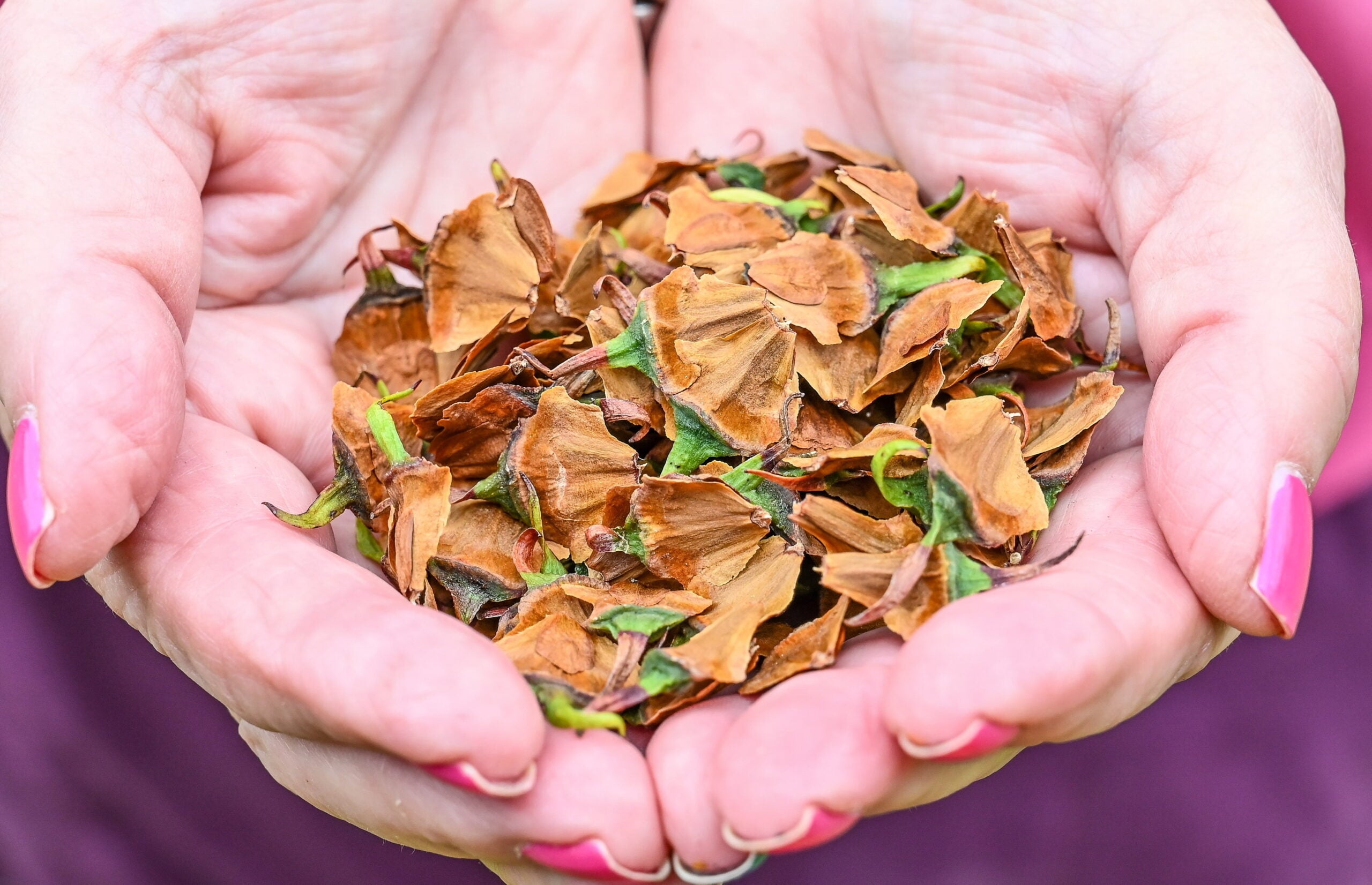
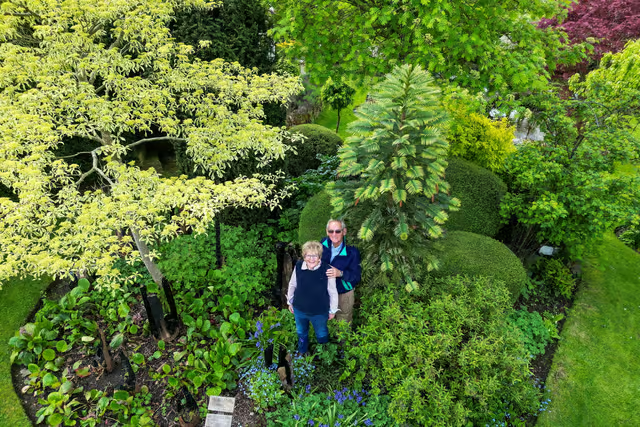
Pamela and Alistair Thompson, a retired couple from Worcestershire, UK, have their own unique connection to the Wollemi pine. In 2010, they purchased a small sapling through a shopping channel for just £70, intrigued by the tree’s ancient lineage. At that time, the sapling stood only 18 inches tall, and the Thompsons saw it as a gardening curiosity rather than a scientific wonder. Little did they know that their garden would soon be home to a living relic, with the potential to change the course of botanical history.
Over the years, the Thompsons’ Wollemi pine thrived in the damp English climate, growing slowly but steadily. The couple cared for it as they did the rest of their garden, never imagining that their nurturing efforts would lead to a historic moment. Fourteen years later, their once-modest sapling now stands 13 feet tall, towering over the landscape of their home in the Malvern Hills.
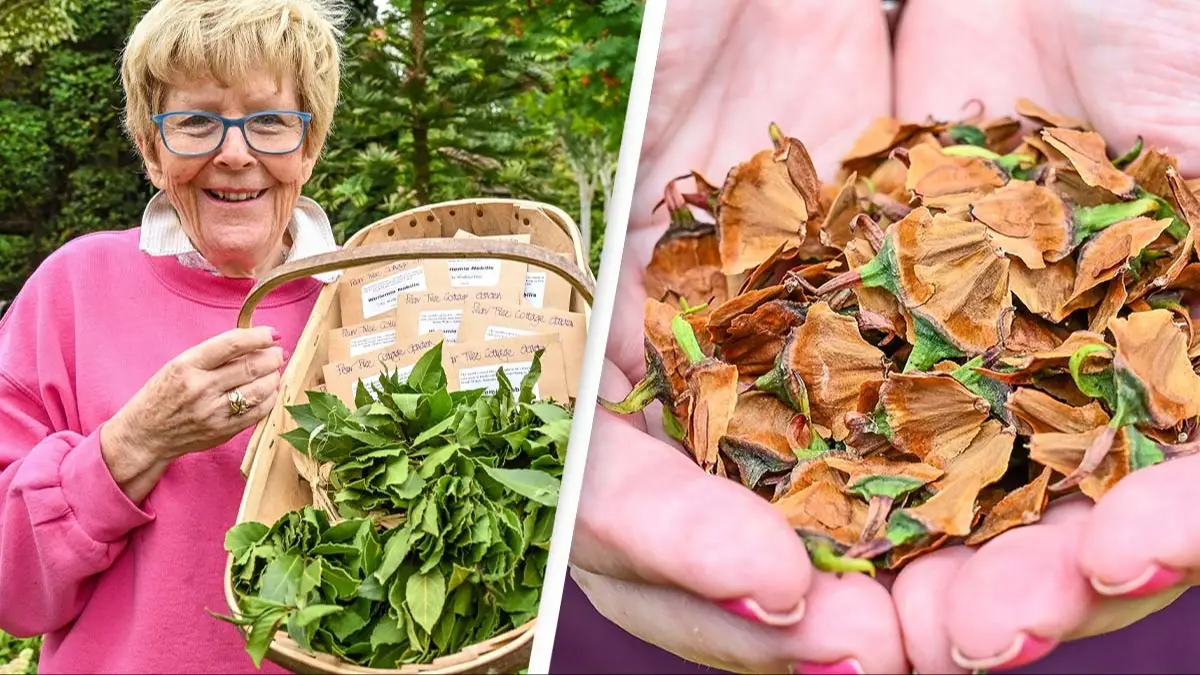
The true surprise came this year, when Pamela noticed that the tree was producing cones—both male and female—a pairing that had never occurred outside of Australia. For the first time in recorded history, a Wollemi pine had successfully begun the reproductive process on British soil. This marked a major breakthrough for the species, which had struggled to reproduce in cultivation, relying primarily on cloning and cuttings for propagation.
First Fruiting Outside Australia
The appearance of both male and female cones on the Thompsons’ Wollemi pine is more than just an unusual occurrence; it’s a milestone that has significant scientific implications. Until now, Wollemi pines outside of Australia had been unable to produce both types of cones simultaneously, making natural reproduction impossible. Instead, conservationists had relied on asexual reproduction methods to propagate the species.
The simultaneous production of cones on the Thompsons’ tree signals that the Wollemi pine is capable of true sexual reproduction in new environments. This is a crucial development for conservation efforts, as sexual reproduction increases genetic diversity—a key factor in ensuring the long-term survival of any species. In contrast, cloning produces genetically identical offspring, which can leave populations vulnerable to diseases, pests, and environmental changes.
For a species as rare and endangered as the Wollemi pine, genetic diversity is essential. The fact that the Thompsons’ tree has begun reproducing naturally offers hope that the species can adapt and thrive outside its native Australian habitat, providing an additional safeguard against the many threats it faces, from bushfires to pathogens.
The Value of Rarity: The Economics of the Wollemi Pine
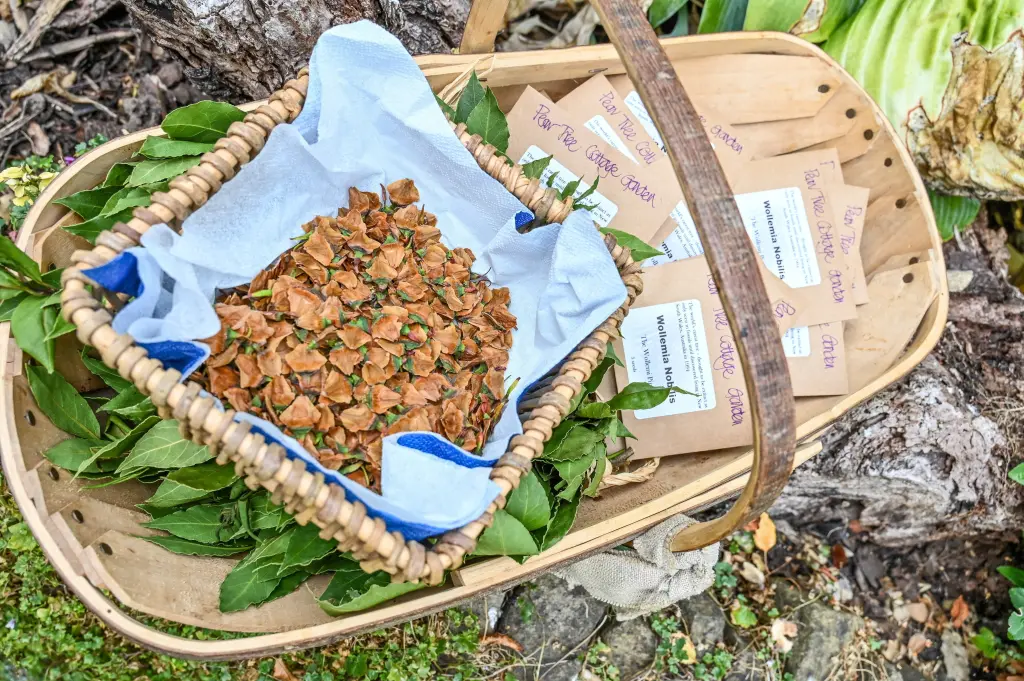
While the Thompsons are primarily focused on conservation, the economic value of their Wollemi pine is undeniable. The seeds produced by their tree are estimated to be worth up to £10 each, and with nearly a hundred seeds per cone, their first harvest could fetch over £5,000. For a couple who originally paid just £70 for the sapling, this transformation is nothing short of surreal.
On the open market, small Wollemi saplings have been known to sell for more than £1,000, due to the rarity and mystique surrounding the species. While this economic value is certainly notable, it’s important to remember that the true worth of the Wollemi pine goes far beyond monetary gain. What is at stake here is the survival of a species, and the opportunity for more people to help contribute to its conservation.
Rather than hoarding the seeds as a rare commodity, the Thompsons have chosen to sell them for charity through the National Garden Scheme and other initiatives. Their decision to share the seeds with the public reflects a commitment to not only preserving the species but also making it accessible to a wider community of gardeners and conservationists. In doing so, they are challenging the notion that rarity must be reserved for the wealthy and instead emphasizing the importance of collective action in conservation.
The Global Implications of the Wollemi Pine’s Survival
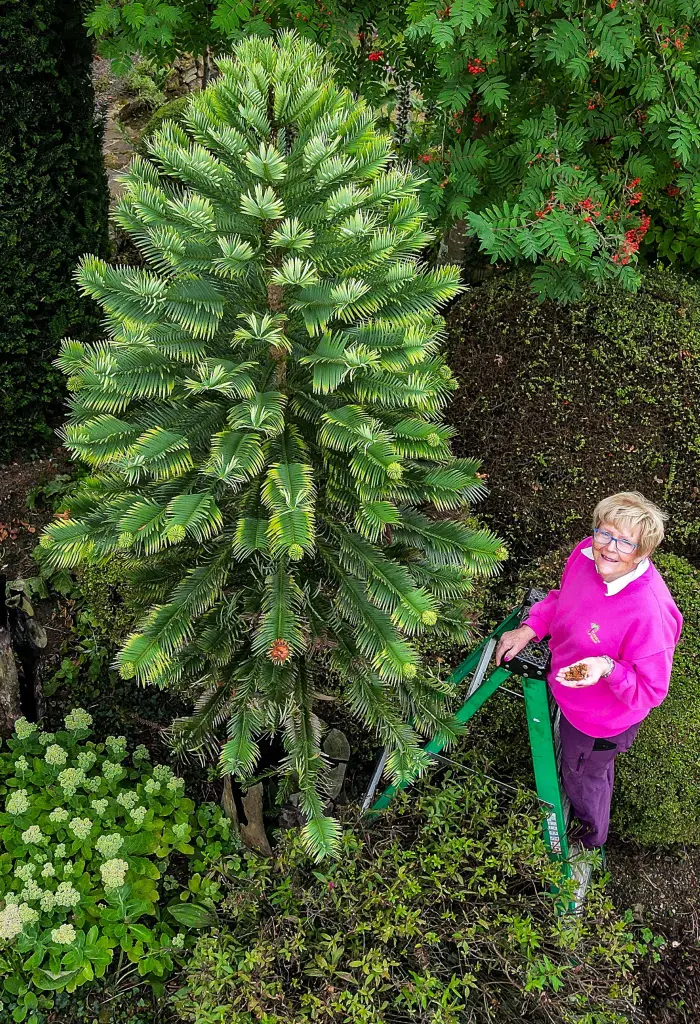
The fruiting of a Wollemi pine in the Thompsons’ garden is not just a personal victory; it’s a significant moment in the global effort to conserve biodiversity. With fewer than 100 mature Wollemi pines left in the wild, every cultivated specimen is a valuable piece of a much larger puzzle. As climate change and human activity continue to threaten ecosystems around the world, efforts to preserve species like the Wollemi pine become increasingly urgent.
Botanical gardens and conservation organizations around the world have already begun cultivating Wollemi pines to ensure the species’ survival. The seeds harvested by the Thompsons will play a critical role in this effort, helping to expand the genetic diversity of the Wollemi population and ensuring that the species is not just a relic of the past but a living, thriving part of our future.
The success of the Thompsons’ tree also serves as a reminder of the power of ordinary people to make a difference. Through patience, care, and a deep respect for nature, the Thompsons have played a crucial role in the survival of one of Earth’s rarest and most ancient species. Their story proves that conservation is not just the work of scientists but of anyone willing to nurture and protect the natural world.
A Lesson in Patience and Conservation
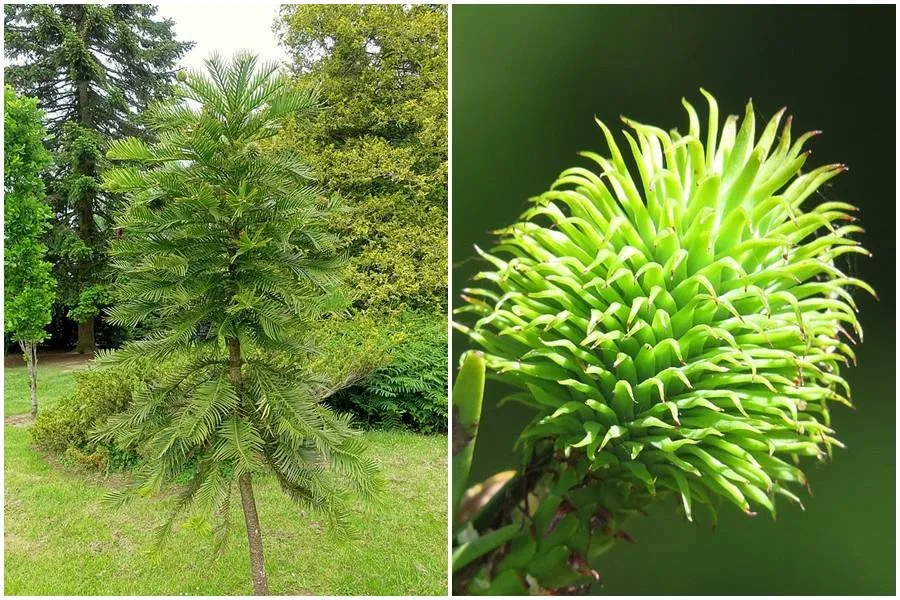
The Wollemi pine’s fruiting event teaches us several valuable lessons. First, it underscores the importance of patience in conservation. Ancient trees like the Wollemi pine take decades to grow and sometimes even longer to bear fruit. The Thompsons’ careful tending of their tree for over a decade serves as a testament to the long-term commitment that conservation requires.
Second, it highlights the need for responsible conservation practices. The Wollemi pine’s rediscovery and subsequent cultivation have been carefully managed by governments and botanical institutions to prevent illegal trade and to ensure that saplings are distributed to reputable sources. This careful management ensures that the tree’s genetic diversity remains intact and that the species is protected from exploitation.
Finally, the fruiting of the Wollemi pine serves as a reminder of our shared responsibility to protect biodiversity. Each time we plant a tree, nurture a species, or support conservation efforts, we contribute to a global network that helps safeguard the planet’s ecosystems for future generations. The Thompsons’ experience shows that even the smallest actions can have a profound impact on the survival of the world’s most endangered species.
A New Chapter in Conservation
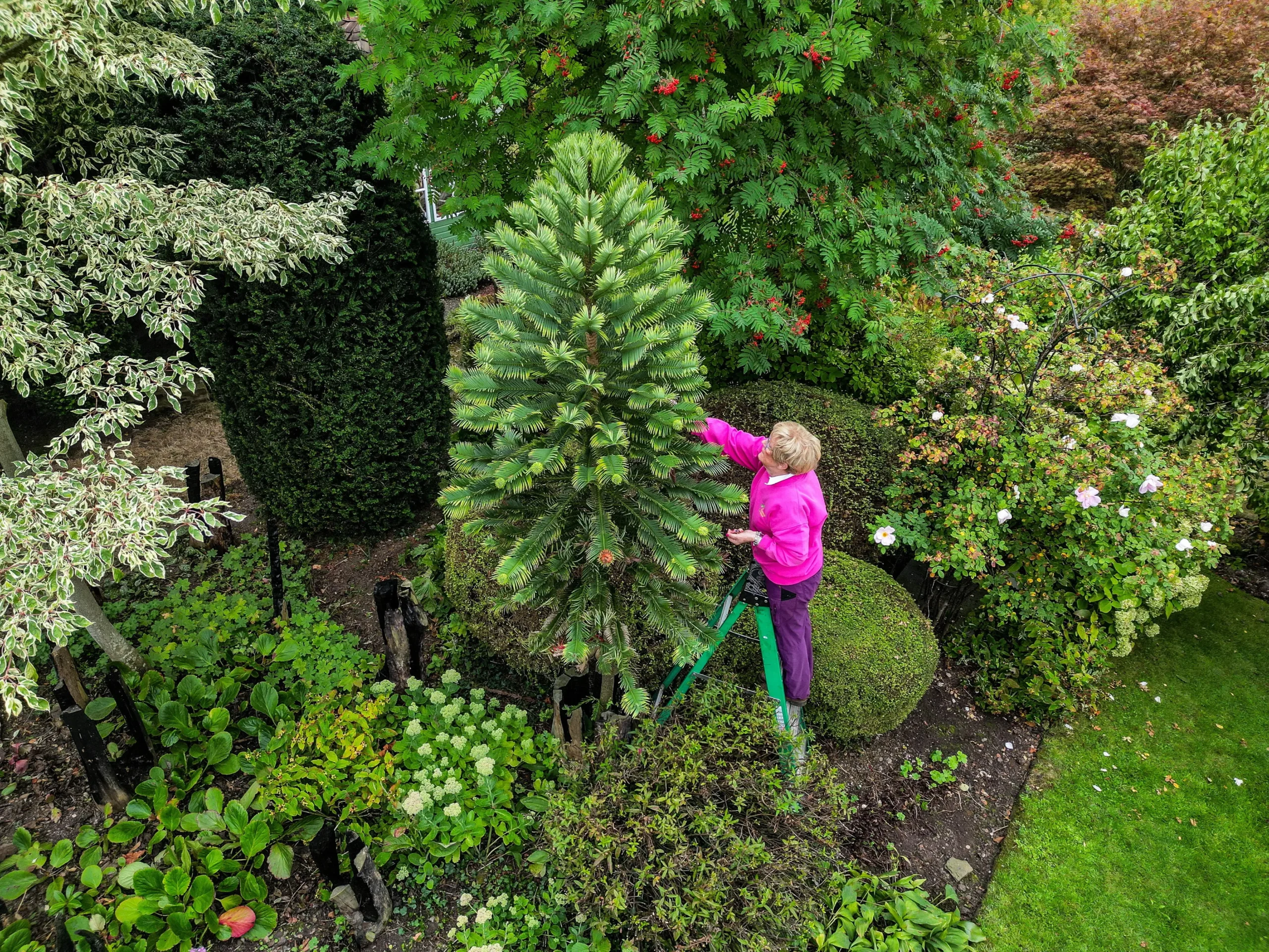
The fruiting of a Wollemi pine in a Worcestershire garden is not just a gardening success—it’s a significant breakthrough in the global effort to protect endangered species. For Pamela and Alistair Thompson, it marks the culmination of years of care and patience, and it offers hope for the survival of a tree that has witnessed the rise and fall of dinosaurs.
Their decision to share the seeds with the world, through charitable initiatives and public access, speaks to a larger vision of conservation that values collaboration over profit. As the Wollemi pine continues to thrive in gardens around the world, it serves as a symbol of resilience, hope, and the power of individuals to make a difference.