
Table of Contents
The Rise of Livestream Lingerie in China
In recent years, China’s online shopping landscape has seen a seismic shift, with livestream shopping growing at an exponential rate. Livestreamers showcase everything from beauty products to fashion, creating an interactive and engaging shopping experience. But one particular trend has sparked controversy: lingerie livestreaming. While these broadcasts are seen by many as innovative and highly lucrative, they’ve also drawn significant attention due to censorship concerns, the ethics of consumerism, and the increasing intersection of culture and technology.
The livestream lingerie trend has become a cultural phenomenon in China, with millions of viewers tuning in to watch hosts promote intimate apparel. As these streams grow in popularity, they have raised broader questions about the role of technology in consumer behavior and the complex relationship between censorship and digital commerce in a rapidly evolving society.
The Livestreaming Trend in China
Livestreaming has become a central part of China’s online economy, and it’s reshaping how people shop. A combination of live demonstrations, viewer interaction, and product purchasing has made it a staple for millennials and Gen Z shoppers. This new form of “social commerce” is driving massive sales, with influencers, entrepreneurs, and companies using platforms like Taobao Live, Douyin (Chinese TikTok), and Kuaishou to directly reach consumers in real-time.
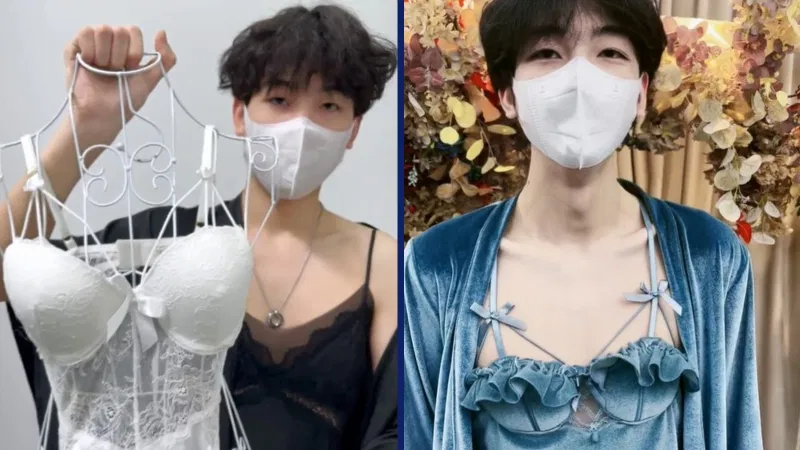
Among the most popular items featured on these livestreams are lingerie and intimate wear, which has become a multi-billion-dollar industry. Livestream hosts – often young women – model various types of lingerie, offering personal insights, styling tips, and answering audience questions. The charm of these broadcasts lies in their interactive nature: viewers can comment, ask questions, and purchase items immediately through embedded links.
However, while these broadcasts are a commercial success, they have led to a cultural debate. On the one hand, they are a testament to China’s rapidly evolving consumer culture, reflecting the rise of a digital-first economy. On the other hand, they raise questions about gender, consumerism, and the delicate balance between free speech and censorship in China’s tightly controlled media environment.
Censorship and Controversy

In China, online content is heavily monitored and censored by the government. Livestreaming, despite its popularity, is no exception. Content that touches on sensitive issues, including sexuality, is subject to strict guidelines. The government’s stringent policies have led to the phenomenon of “self-censorship” by livestream hosts, who must navigate a fine line between engaging content and staying within the bounds of what is deemed acceptable.
In the case of lingerie livestreams, the censorship becomes especially apparent. While these broadcasts often feature women in intimate wear, the platform rules impose limits on the types of products that can be shown and discussed. For example, overly sexualized content or explicit nudity is prohibited, and hosts are expected to adhere to “appropriate” behavior on camera. This raises a broader question about the limits of self-expression in China’s commercial and cultural spaces.
As a result, many livestream hosts are forced to adapt by using euphemisms or downplaying the sexual nature of lingerie in their presentations. This creates a dissonance between what is being sold (intimate apparel) and how it can be marketed (modestly and within the confines of Chinese censorship laws). The censorship debate thus becomes twofold: it highlights not just the restrictions on sexual content but also how China’s growing digital economy navigates these limitations.
Gender and Cultural Implications
The rise of livestreamed lingerie in China is also a reflection of shifting cultural attitudes, particularly regarding gender. Traditional Chinese society has long had a complicated relationship with sexuality and femininity, often placing restrictions on female expression and autonomy. However, the livestreaming trend signals a subtle cultural shift. Women are at the forefront of this new digital commerce frontier, taking control of their image, their bodies, and their professional lives.
The commercial success of these streams could signal a more liberated approach to women’s bodies and sexuality. For many, the act of publicly discussing and selling lingerie may seem like an empowering move. Women are not merely being marketed to – they are actively shaping the conversation, creating content, and cultivating their online personas. However, this liberation is complicated by the backdrop of censorship and the commercialization of these women’s bodies.
Furthermore, the rise of this industry raises important questions about the commodification of women’s bodies. While women are the stars of these livestreams, the focus on product sales means that the personal aspects of their identities can be overshadowed by the commercial value they bring. This dynamic reflects a global trend in consumer culture where even intimate apparel is marketed as part of a larger spectacle of consumerism.
The Role of Consumerism in Livestream Shopping

Livestream shopping in China thrives on the allure of instant gratification. With just a few clicks, viewers can purchase the lingerie they see on their screens, often with significant discounts or limited-time offers. This sense of urgency, combined with the interactive nature of livestreams, fosters a highly engaged and impulsive shopping experience. In fact, livestream shopping is considered a potent driver of consumer behavior, especially in younger generations who value convenience and social interaction.
Yet, this type of consumerism has its drawbacks. Some critics argue that the culture of “instant buy” and “flash sales” encourages mindless spending, driven more by the excitement of the moment than by genuine need. This behavior is particularly concerning when it comes to the sale of intimate products like lingerie, which have a personal and emotional component tied to body image and self-perception.
For many, the livestreams offer a unique combination of entertainment and shopping, making it easy to get caught up in the thrill of making a purchase. However, this can contribute to the broader issue of overconsumption, where the thrill of obtaining something new overshadows long-term satisfaction or thoughtful purchasing decisions.
The Impact on Traditional Retail
Livestream shopping is not only disrupting the online market – it’s also challenging traditional brick-and-mortar retail. As livestreams gain popularity, more and more consumers are opting for the ease and entertainment of watching and shopping online rather than visiting physical stores. This shift is particularly noticeable in sectors like fashion and beauty, where livestreams provide a more engaging and personalized shopping experience.
For lingerie brands, this means adapting to a new retail environment that combines digital media with retail sales. Retailers must now find innovative ways to incorporate livestreams into their marketing strategies, either by partnering with popular hosts or by creating their own livestream platforms. In doing so, they are able to tap into a younger, more tech-savvy demographic that values real-time engagement over traditional shopping experiences.
Privacy and Security Concerns

While livestreaming lingerie may seem like a harmless trend, there are privacy and security concerns that need to be addressed. The intimacy of the content often involves personal data, such as customers’ purchasing habits, their preferences for specific products, and in some cases, even their location. This data is valuable for marketers, but it also poses a potential risk if not handled carefully.
Livestream platforms in China are not immune to security breaches, and with millions of users engaging in real-time transactions, there is a growing risk of data theft and misuse. For consumers, this raises questions about how their personal information is being protected and whether they are truly in control of their online presence.
Conclusion: A Complex Cultural Landscape
The booming trend of lingerie livestreams in China presents a fascinating intersection of technology, culture, and commerce. While these streams offer a fresh take on how products are marketed and consumed, they also reveal the complexities of censorship, gender politics, and privacy concerns in today’s digital age. As the livestreaming industry continues to grow, it will be interesting to see how it evolves in response to both regulatory pressures and shifting cultural norms.
What is certain, however, is that this trend is reshaping not only how consumers engage with fashion but also how society grapples with the commercialization of personal expression and the ethics of digital marketing.