
Table of Contents
- A Glacial Crisis Unfolding
- The Scale of Glacier Disappearance
- Climate Change and Its Role in Glacier Melting
- The Environmental Impact of Glacier Loss
- The Impact on Local Communities
- The Threat to Biodiversity
- The Global Consequences of Glacier Retreat
- The Role of Global Action in Slowing Glacier Loss
- The Future of Glaciers: Can We Reverse the Damage?
- Conclusion: A Wake-Up Call for Climate Action
A Glacial Crisis Unfolding
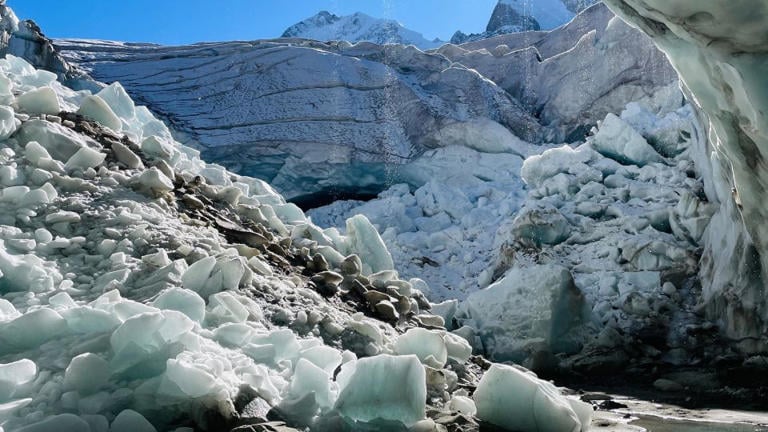
The world is witnessing a staggering rate of glacier loss, and according to a recent study, we are on the cusp of what scientists are calling the “peak glacier extinction.” Researchers predict that as many as 4,000 glaciers could disappear every year due to the accelerating effects of climate change. This dramatic loss of ice could have profound consequences for ecosystems, water resources, and communities worldwide.
Glaciers, which have been vital to many regions for centuries, are melting at an unprecedented rate. As glaciers shrink and vanish, their impact on global climate, sea levels, and freshwater availability is becoming increasingly dire. In this article, we explore the causes behind the accelerating disappearance of glaciers, the impacts on the planet, and what it means for future generations.
The Scale of Glacier Disappearance
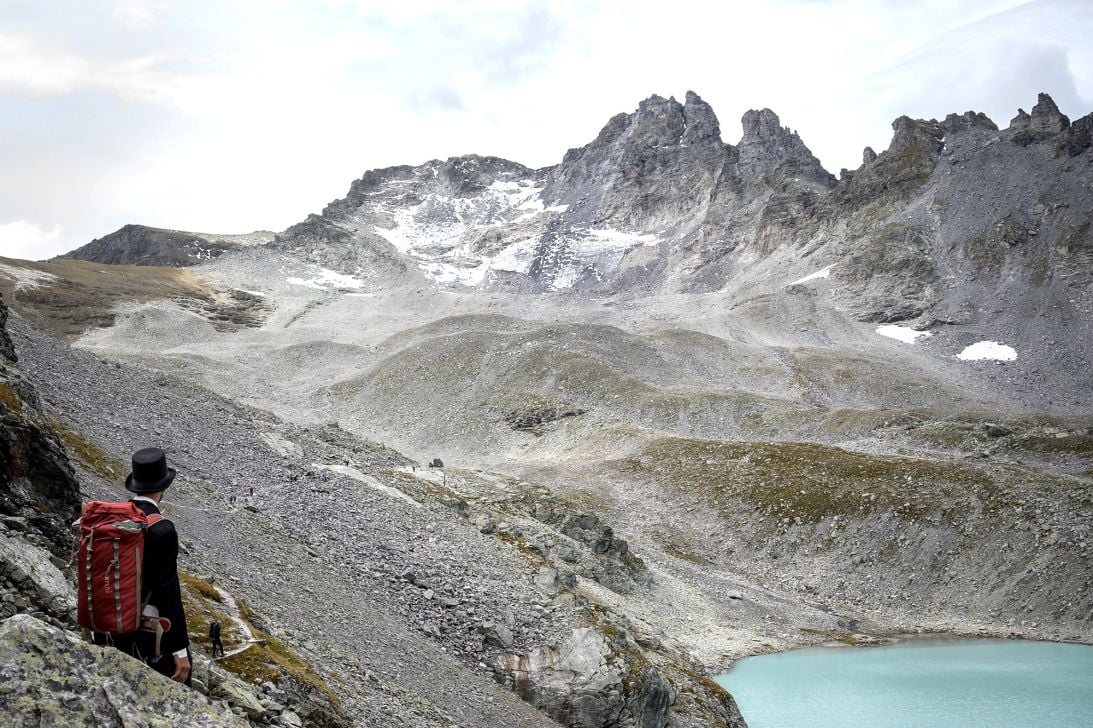
Recent research conducted by glaciologists has shed light on the extent of glacier loss. According to their findings, the rate of glacier retreat is accelerating, and up to 4,000 glaciers are expected to disappear annually. The total volume of ice lost from glaciers globally has already reached millions of cubic kilometers. This phenomenon is most pronounced in the polar regions and high mountain ranges, where glaciers are rapidly melting.
These statistics reveal a clear trend: glaciers are shrinking faster than ever before, contributing to rising sea levels and disrupting local ecosystems. While some glaciers may persist for a while, the overall trend is a steady and alarming decline. This unprecedented loss has triggered alarm among scientists and climate experts, who are warning that we are nearing a point of irreversible change in the planet’s climate systems.
Climate Change and Its Role in Glacier Melting
The driving force behind this rapid glacier retreat is climate change. Human-induced global warming, driven by the burning of fossil fuels and deforestation, has caused average global temperatures to rise. As the Earth warms, glaciers are losing more ice through melting, which is not replenished by new snowfall. This creates a feedback loop, where melting glaciers further contribute to warming by exposing more dark surfaces that absorb heat, accelerating the process.
At the same time, increased temperatures are causing glaciers to thin, destabilize, and fracture, speeding up their disappearance. In some regions, glaciers that were once massive are now reduced to mere remnants of their former size. This alarming trend is particularly noticeable in mountain ranges like the Alps, the Himalayas, and the Andes, where glaciers are retreating at an unprecedented pace.
The Environmental Impact of Glacier Loss
The loss of glaciers is not just an aesthetic tragedy; it poses significant environmental challenges. Glaciers are critical sources of freshwater for millions of people, particularly in regions where they feed rivers that supply water for agriculture, drinking, and industry. As glaciers melt, they contribute to rising sea levels, which threaten coastal communities and ecosystems. The loss of ice also affects the balance of ecosystems that depend on cold, glacier-fed streams and rivers.
Additionally, glaciers play an important role in regulating the Earth’s climate by reflecting sunlight, helping to cool the planet. As glaciers disappear, this reflective surface is replaced by darker land or water, which absorbs more heat and exacerbates global warming. This creates a vicious cycle that amplifies the effects of climate change.
The Impact on Local Communities
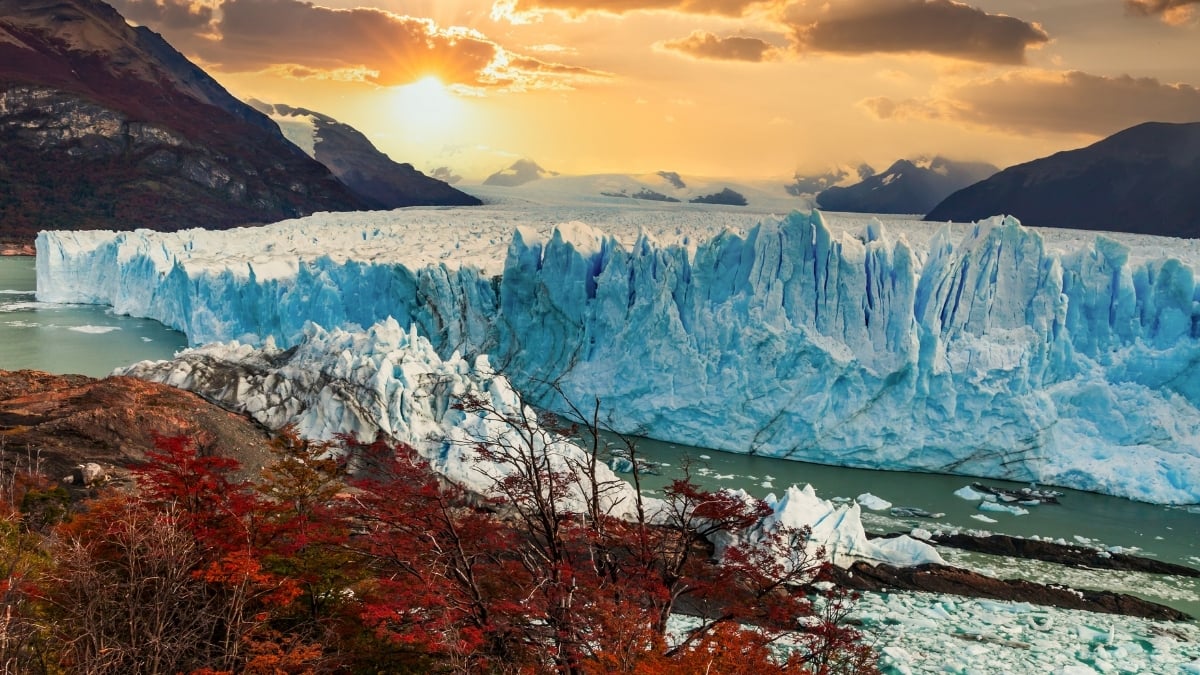
For communities living near glaciers, the effects of glacier loss are deeply felt. In many regions, especially in mountainous areas, glaciers are a critical source of freshwater, feeding rivers that are essential for drinking water, irrigation, and hydropower. The reduction of glaciers means that these communities may face water shortages in the future.
For example, in parts of South America, particularly in the Andes, glaciers have been crucial for providing water during the dry season. As these glaciers disappear, the risk of droughts and water scarcity increases. Similarly, in regions like the Himalayas and the Alps, millions of people rely on glacier-fed rivers, and their retreat could lead to catastrophic consequences for agriculture, industry, and daily life.
The Threat to Biodiversity
The loss of glaciers also has a profound impact on biodiversity. Many species of plants and animals are adapted to life in cold, glacier-fed environments. As glaciers shrink, these species are forced to move or face extinction. In addition, the melting of glaciers can lead to the formation of new landscapes that may be inhospitable to native species.
For example, species that depend on the cold, freshwater habitats provided by glaciers are already seeing declines. Glacial meltwater feeds many mountain streams that support unique ecosystems. As these streams dry up or become warmer, species that rely on them are facing increased stress.
The Global Consequences of Glacier Retreat

The retreat of glaciers has global implications, most notably through the impact on sea levels. As glaciers melt, the water flows into the ocean, contributing to rising sea levels. This is particularly concerning for low-lying coastal regions, where rising waters threaten infrastructure, habitats, and entire communities. In fact, scientists predict that sea levels could rise by several meters over the next century if the current rate of glacier melting continues.
Moreover, glaciers serve as important indicators of the health of the planet. Their rapid retreat is a clear signal that the Earth’s climate is changing at an accelerated rate. The melting of glaciers contributes to a cascade of other environmental changes, including shifts in weather patterns, more frequent and intense heatwaves, and disruptions in agricultural production.
The Role of Global Action in Slowing Glacier Loss
While the situation is dire, there is still hope. International climate action can slow the rate of glacier loss by reducing greenhouse gas emissions and mitigating the effects of global warming. The Paris Agreement, signed by nearly every country in the world, aims to limit global warming to well below 2°C, with efforts to limit it to 1.5°C. Achieving these targets would help slow the melting of glaciers and prevent the worst consequences of climate change.
Efforts to reduce carbon emissions, increase renewable energy usage, and promote sustainable land practices are essential to protect the planet’s glaciers. However, these actions must be implemented quickly and on a global scale to have the desired impact.
The Future of Glaciers: Can We Reverse the Damage?
While it may not be possible to completely reverse the damage already done to glaciers, efforts to slow their loss and protect remaining ice reserves can still make a difference. Scientists are exploring ways to preserve glaciers, such as through geoengineering techniques, though these methods are still in their infancy.
In the meantime, the best course of action is to take swift, collective steps to reduce global carbon emissions and invest in climate adaptation strategies for communities that depend on glaciers for water. It is crucial that global efforts continue to address climate change, as the world’s glaciers are an irreplaceable resource.
Conclusion: A Wake-Up Call for Climate Action
The rapid disappearance of glaciers serves as a stark reminder of the urgent need to address climate change. With up to 4,000 glaciers disappearing each year, the world is facing a future without many of the ice reserves that have sustained life for thousands of years. The consequences of this loss extend far beyond just the melting of ice—they affect water resources, ecosystems, and the stability of our planet’s climate.
By taking immediate action to reduce carbon emissions and adapt to the changing climate, we can slow the rate of glacier loss and protect the vital services these glaciers provide. As we move forward, it is essential that we recognize the interconnectedness of our actions and the planet’s future.