
Table of Contents
- Rubio’s History With China Has Been Deeply Confrontational
- The Strange Name Change That Sparked Global Curiosity
- Why China May Have Chosen A Diplomatic Workaround
- Rubio’s Trip Signals A New Phase In US China Relations
- Trump’s Relationship With Xi Jinping Adds Complexity
- Taiwan Remains One Of The Biggest Flashpoints
- Why Symbolism Matters So Much In Diplomacy
- Human Rights Tensions Still Linger
- The World Is Watching This Meeting Closely
- What Rubio’s Visit May Ultimately Represent
Rubio’s History With China Has Been Deeply Confrontational
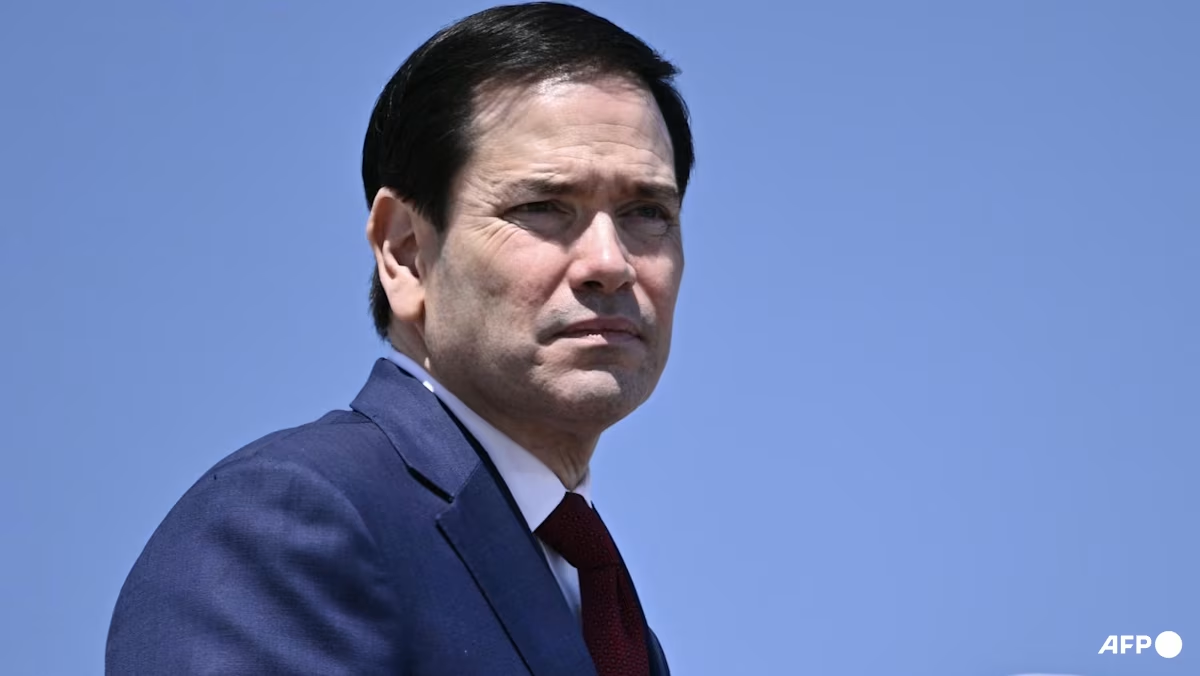
Long before becoming secretary of state, Marco Rubio built a reputation in Washington as one of the strongest congressional critics of China.
During his years in the US Senate, Rubio repeatedly condemned Beijing’s policies involving human rights, surveillance, religious freedom, and political repression. He became especially vocal regarding the treatment of Uyghur Muslims in Xinjiang, where China faced international accusations involving forced labor and mass detention policies.
Rubio also strongly supported Hong Kong democracy activists during Beijing’s crackdown on protests in the territory.
For years, he framed China not simply as an economic competitor but as a major ideological and geopolitical rival challenging democratic values globally.
That confrontational stance eventually triggered retaliation from Beijing.
China imposed sanctions on Rubio twice while he served as senator, using tactics more commonly associated with US sanctions policy than Chinese diplomacy. The sanctions reportedly included restrictions such as entry bans.
At the time, the move symbolized how tense relations between Washington and Beijing had become.
Few people imagined that only a few years later Rubio would board a diplomatic flight to China as America’s top diplomat.
The Strange Name Change That Sparked Global Curiosity
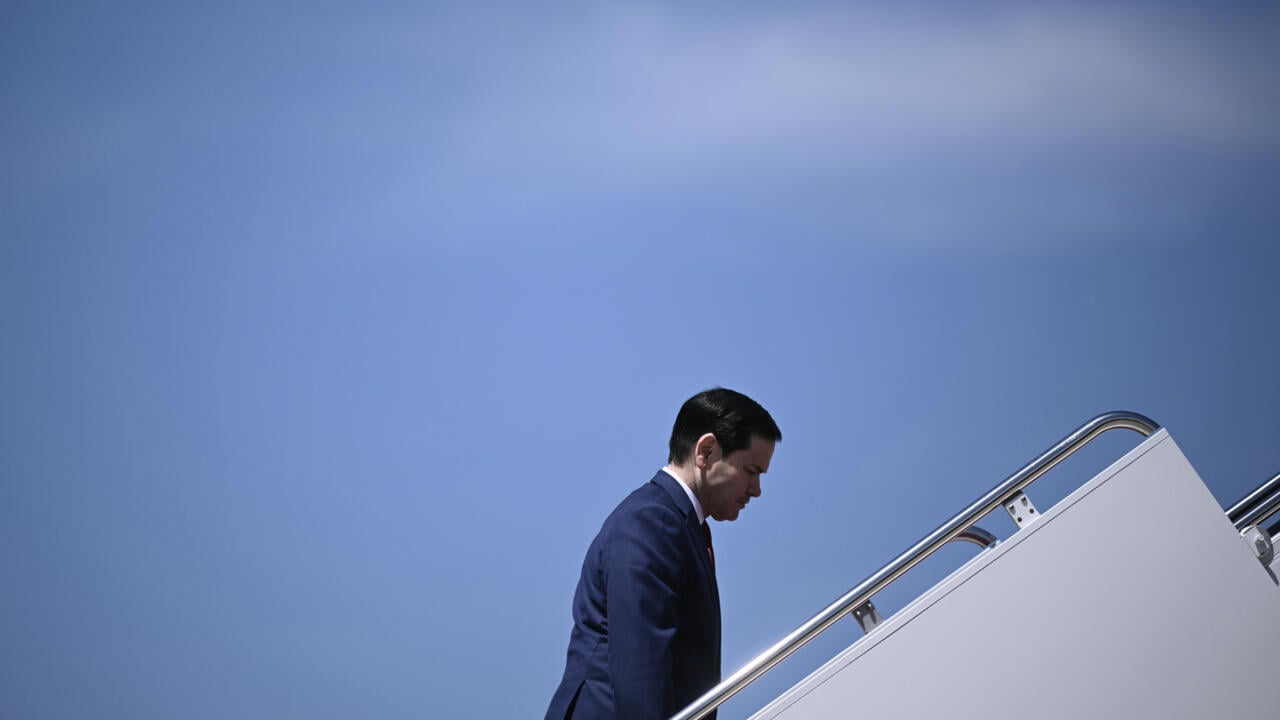
According to diplomats cited in reports, China appears to have quietly created a workaround after Trump appointed Rubio secretary of state.
Shortly before Rubio officially took office in January 2025, Chinese government agencies and state media reportedly began using a different Chinese character for the “Lu” sound in Rubio’s surname.
To outsiders unfamiliar with Chinese transliteration systems, the change may seem minor. But in practice, altering a Chinese rendering of a foreign name can effectively create a distinct written identity.
Diplomats familiar with the situation reportedly believe the modification allowed China to sidestep the awkward contradiction of hosting a sanctioned official without formally reversing the original punishment.
In essence, the sanctions technically remained attached to the older transliteration while Rubio traveled under the updated version.
The situation immediately became a source of fascination among diplomats, journalists, and political observers because it demonstrated how international politics often relies on symbolic flexibility rather than rigid logic.
China did not publicly announce that sanctions had been lifted. Instead, it appears to have simply adjusted the linguistic framework surrounding Rubio’s identity.
Why China May Have Chosen A Diplomatic Workaround
The apparent workaround reflects the complicated position China currently faces regarding the United States.
On one hand, Beijing has strong incentives to maintain stable communication with Washington, especially amid ongoing trade negotiations, military tensions, technology disputes, and global economic uncertainty.
On the other hand, publicly removing sanctions from a politician like Rubio could appear politically weak domestically, particularly given his long record of criticizing the Chinese government.
The solution may have been to quietly preserve both positions simultaneously.
By altering the Chinese transliteration of Rubio’s name, China could maintain the appearance that previous sanctions still existed while practically allowing diplomatic engagement to continue.
This kind of symbolic compromise is not unusual in international diplomacy.
Governments frequently seek ways to preserve political narratives at home while quietly adapting policies behind the scenes when strategic interests require flexibility.
The Rubio situation simply made that process unusually visible.
Rubio’s Trip Signals A New Phase In US China Relations
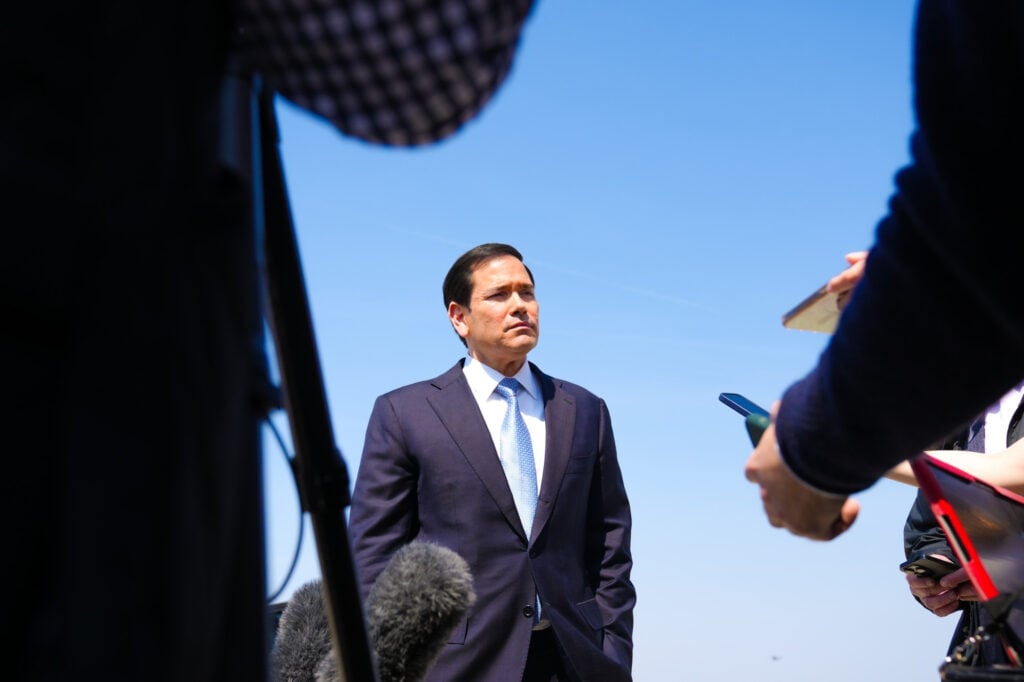
The Beijing visit itself represents a major diplomatic development.
Rubio is traveling alongside President Donald Trump during one of the most closely watched US China meetings in years. The trip comes amid ongoing global tensions involving trade, artificial intelligence, Taiwan, military competition, and conflicts affecting global supply chains and energy markets.
The relationship between Washington and Beijing remains deeply complicated.
Economically, the two nations remain heavily interconnected. Politically and strategically, however, they increasingly view each other as rivals competing for global influence.
Rubio’s presence on the trip is especially significant because of his reputation as a China hawk.
During his confirmation hearing for secretary of state, Rubio reportedly described China as an unprecedented adversary. His language reflected growing bipartisan concern in Washington regarding Beijing’s military expansion, technological ambitions, and geopolitical influence.
Yet since joining Trump’s administration, Rubio has also supported efforts to stabilize trade relations and maintain high level communication.
That shift highlights the difficult balance facing American officials.
Political rhetoric often emphasizes confrontation. Diplomatic reality often requires negotiation.
Trump’s Relationship With Xi Jinping Adds Complexity
One of the most intriguing aspects of the trip involves the contrast between Rubio’s historical stance toward China and Trump’s personal approach toward Chinese President Xi Jinping.
Trump has repeatedly described Xi as a friend and has often framed US China relations through the lens of negotiation and economic leverage rather than ideological confrontation alone.
Even during periods of tension, Trump has frequently emphasized the importance of maintaining communication with Beijing.
This creates an unusual dynamic inside the administration itself.
Rubio has historically represented the more ideological wing of American China policy focused heavily on human rights and democratic values. Trump, meanwhile, often approaches international relationships more transactionally, prioritizing trade deals, economic leverage, and strategic negotiations.
The Beijing visit may therefore reveal how these different approaches coexist inside the current administration.
Taiwan Remains One Of The Biggest Flashpoints
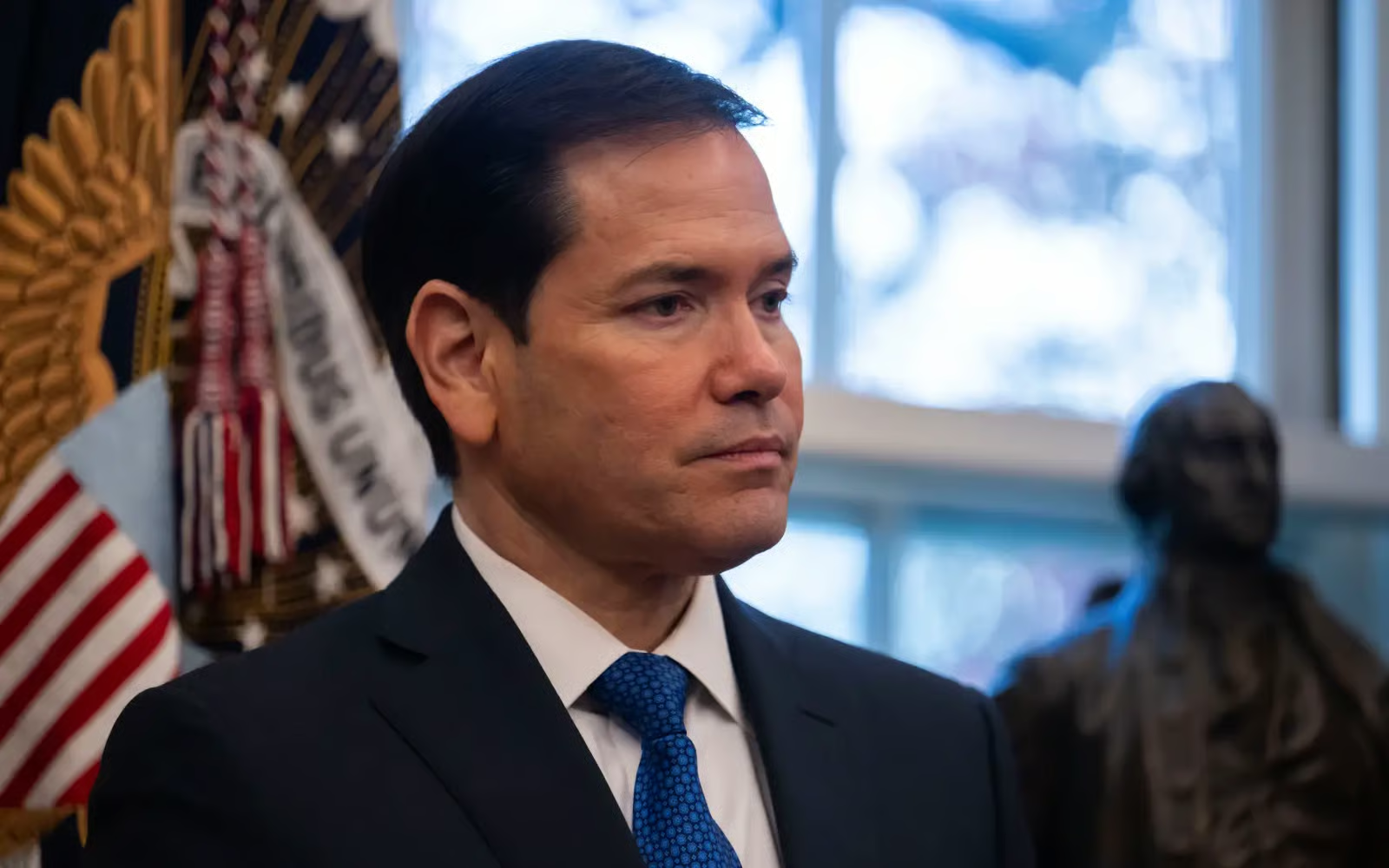
Although trade and diplomacy dominate headlines, Taiwan continues representing one of the most sensitive issues in US China relations.
China considers Taiwan part of its territory and has repeatedly vowed eventual reunification. Taiwan, however, operates as a self governing democracy with strong unofficial ties to the United States.
Rubio has long supported Taiwan strongly.
Last year, he reportedly reassured Taiwanese officials by stating the Trump administration would not negotiate away Taiwan’s future in exchange for trade concessions with China.
That position likely continues frustrating Beijing, which views outside support for Taiwan as interference in internal affairs.
The Taiwan issue remains especially dangerous because it combines military, political, economic, and ideological tensions simultaneously.
Any deterioration in relations surrounding Taiwan could have enormous global consequences, particularly given Taiwan’s central role in semiconductor manufacturing and global technology supply chains.
Why Symbolism Matters So Much In Diplomacy
The Rubio name transliteration story may seem small compared to larger geopolitical issues, but symbolism often matters enormously in international relations.
Governments pay close attention to language, titles, protocol, seating arrangements, translations, and ceremonial details because these elements communicate political meaning.
Changing the Chinese rendering of Rubio’s name allowed Beijing to navigate an awkward diplomatic situation without publicly admitting compromise.
The move also reflects how language itself can become a geopolitical tool.
Chinese transliterations are not merely phonetic. Different characters can carry different associations, meanings, and political implications. By adjusting Rubio’s name slightly, China effectively created enough ambiguity to proceed diplomatically while preserving political flexibility.
The situation demonstrates how modern diplomacy sometimes depends less on dramatic public announcements and more on carefully managed ambiguity.
Human Rights Tensions Still Linger
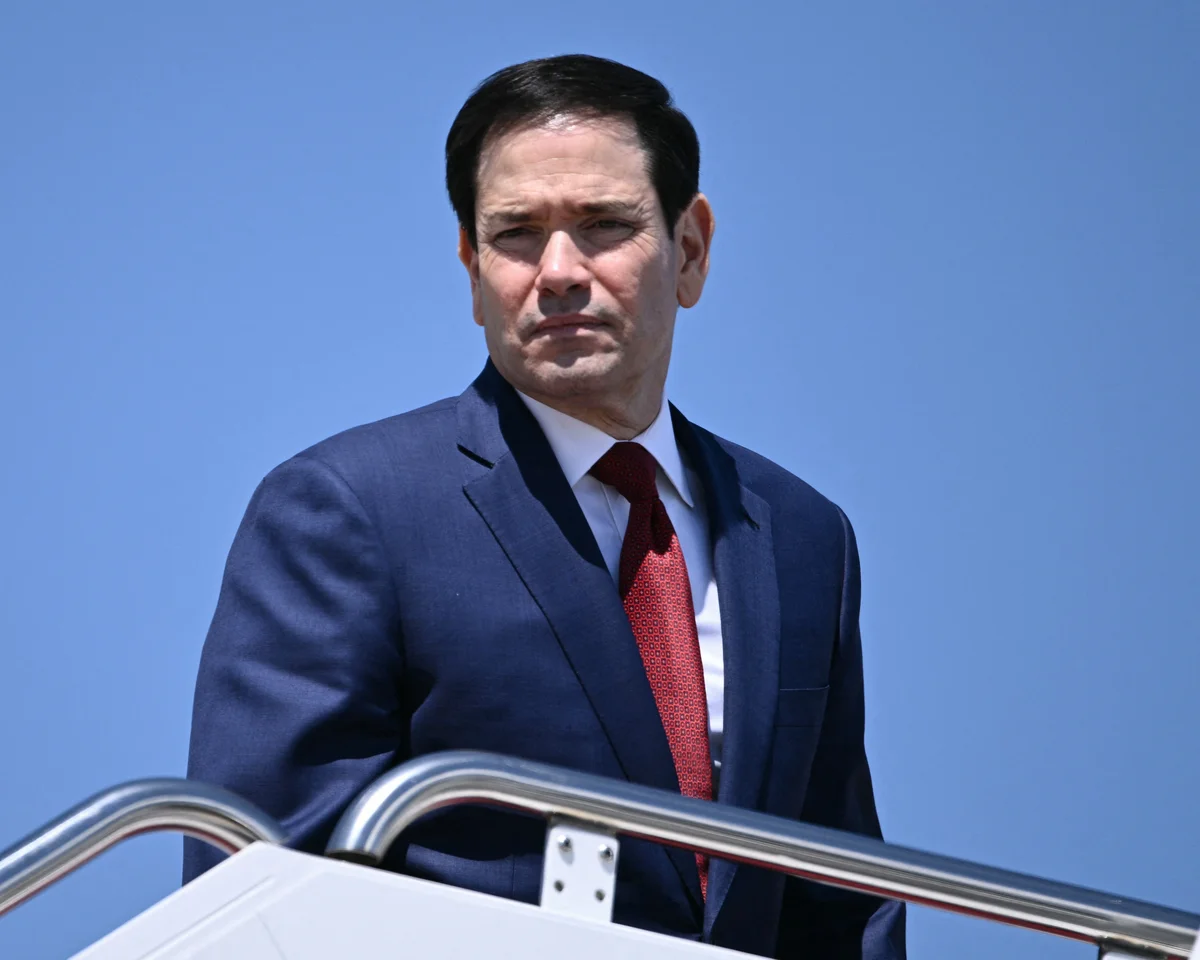
Despite the diplomatic workaround, underlying tensions between Rubio and Beijing remain unresolved.
Rubio’s criticism of China’s treatment of Uyghur Muslims remains one of the most contentious issues in bilateral relations. China strongly rejects accusations involving forced labor and human rights abuses in Xinjiang, calling them politically motivated attacks by Western countries.
Rubio also repeatedly criticized China’s crackdown in Hong Kong and broader restrictions on political freedoms.
These issues continue straining relations even as both governments pursue economic and diplomatic engagement.
The contradiction reflects a larger reality in modern geopolitics: countries often maintain deep economic ties with nations they strongly criticize politically.
That complexity defines much of the current US China relationship.
The World Is Watching This Meeting Closely
Rubio’s arrival in Beijing comes at a moment when the global balance of power feels increasingly uncertain.
Wars in multiple regions, economic instability, artificial intelligence competition, energy concerns, and shifting alliances have all intensified pressure on relations between the world’s two largest powers.
Even seemingly small diplomatic gestures now attract enormous international scrutiny.
The fact that a modified Chinese spelling could become central to a major diplomatic story reveals how tense and symbolic US China relations have become.
Every detail matters.
Every statement is analyzed.
Every meeting carries implications far beyond the room itself.
What Rubio’s Visit May Ultimately Represent
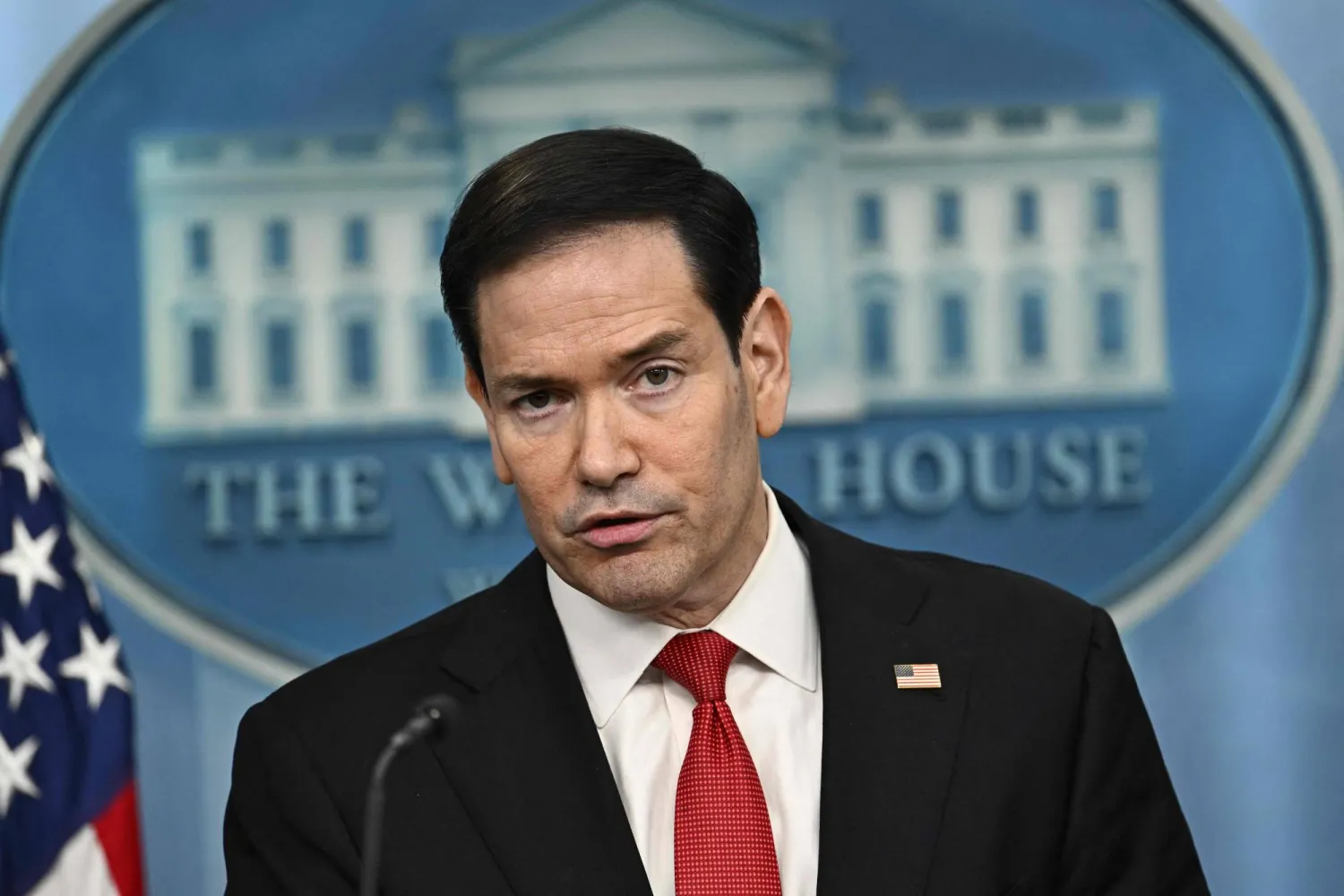
In many ways, Marco Rubio’s trip to Beijing symbolizes the strange reality of modern diplomacy.
A politician once sanctioned by China for criticizing its government is now traveling there as America’s top diplomat. A government that once punished Rubio now appears willing to adjust linguistic details in order to host him without formally retreating from previous positions.
The story reveals that geopolitics is rarely simple.
Nations compete fiercely while still negotiating constantly. Rivals criticize each other publicly while cooperating privately on issues where mutual interests overlap. Leaders maintain political narratives while quietly adapting to changing realities behind closed doors.
Rubio’s journey to Beijing may therefore represent something larger than one diplomatic trip.
It reflects how global powers increasingly operate in a world where confrontation and cooperation happen simultaneously.
The sanctions technically remain.
The meeting still happens.
And somewhere between those two realities lies the complicated future of US China relations.