
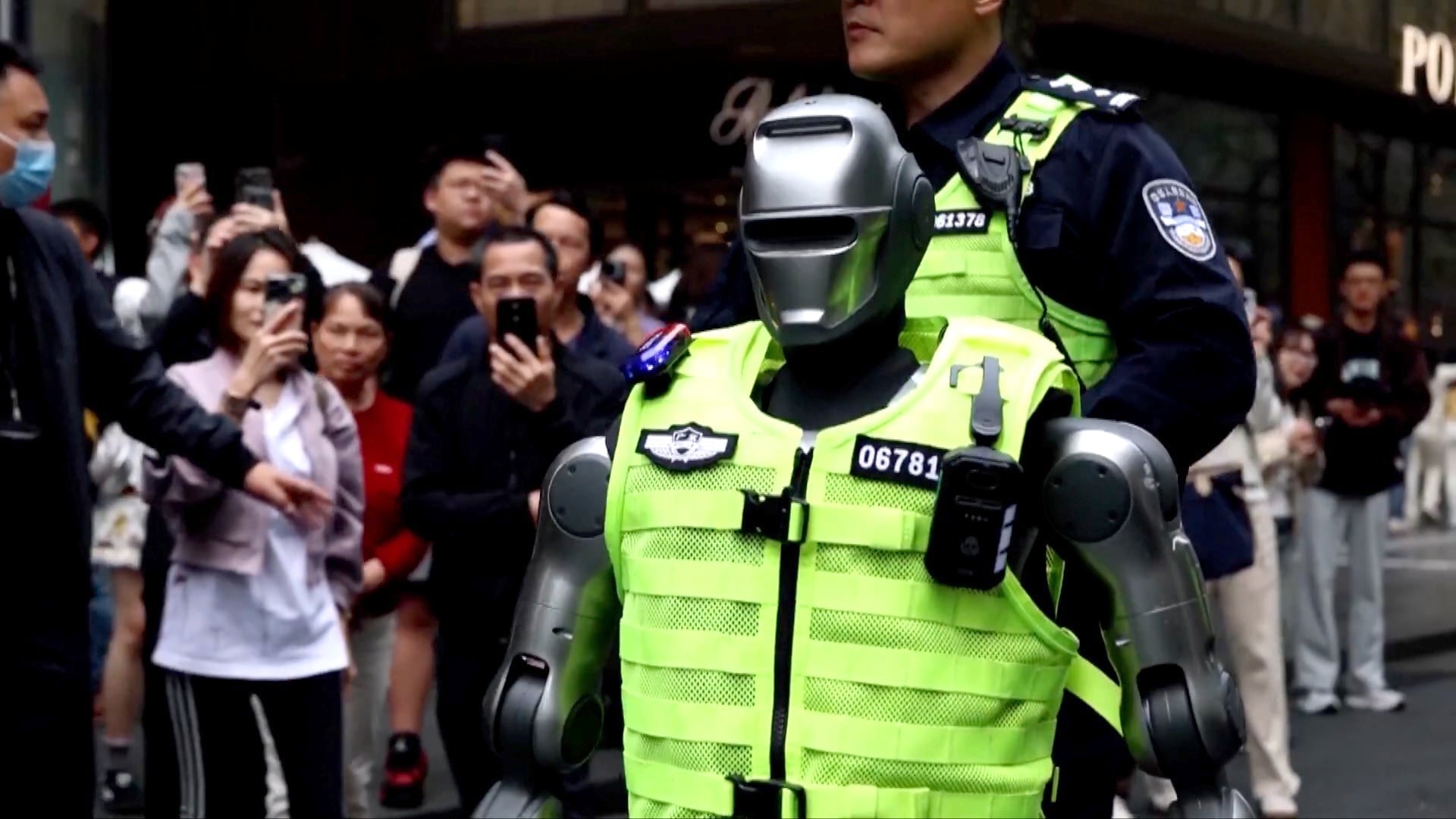
When news broke that China had rolled out humanoid robots as part of its urban security force, the world took notice. For many, this innovation wasn’t just another step in robotic development; it was a glimpse into a future where robots patrol streets, perform real-time surveillance, and assist in law enforcement—all while seamlessly interacting with humans in public spaces. This marks a significant leap toward what some are calling a new era of “automated urban security.”
China’s ambition to integrate robotic officers in its cities isn’t just about showcasing technological prowess—it’s about creating smarter, more efficient cities. As part of a broader effort to bring automation into everyday life, these robot cops are not limited to surveillance; they are designed to interact with citizens, give directions, and help maintain public order. The impact of these developments is not just limited to China but could redefine the way global cities approach law enforcement, urban safety, and public service.
Table of Contents
- The Rise of Humanoid Robots in Public Life: A Revolutionary Step
- How Humanoid Robots Fit into China’s Urban Security Model
- The Technology Behind the Robots: How They Work
- Why This Technology Matters: A Paradigm Shift in Urban Security
- The Potential Risks and Ethical Questions Around Robot Cops
- The Broader Implications for Cities Globally
- The Role of Humans in a Robot-Driven Future
- What Comes Next: The Future of Robots in Public Spaces
- Conclusion: Embracing Change While Addressing Challenges
The Rise of Humanoid Robots in Public Life: A Revolutionary Step
In early 2023, China made headlines with the launch of its robot cop initiative. Initially tested in smaller towns, the humanoid robots are now patrolling urban centers, effectively bridging the gap between cutting-edge robotics and real-world applications. These robots are designed to engage with people in everyday public spaces, and they are equipped with AI that allows them to interact meaningfully, answering questions, providing directions, and even analyzing crowd behaviors. This innovation is part of a broader initiative to integrate AI and robotics into public services, creating more efficient, automated systems for managing urban life.
The robots are humanoid in shape and can resemble a human police officer, which allows them to navigate complex environments while maintaining a sense of familiarity. This design choice reflects a growing trend to create robots that are not only functional but also relatable, bridging the gap between human and machine.
How Humanoid Robots Fit into China’s Urban Security Model

China’s urban landscape has undergone dramatic transformation in the last decade, with an increasing push to integrate technology at every level of society. The introduction of robot cops is not just about replacing human workers but about augmenting existing systems to make cities safer and more efficient. With rapidly growing urban populations, traditional methods of policing and public safety have often been insufficient. These robots could address some of the challenges posed by crowded public spaces, increased crime rates, and the growing complexity of urban living.
The robots are programmed with advanced AI systems that allow them to respond to various situations. They can detect anomalies in crowds, assist in traffic management, and even act as intermediaries between the police and the public. These robots represent a leap forward in the use of AI in public service, integrating human-like traits with complex problem-solving algorithms.
The Technology Behind the Robots: How They Work
The robots introduced by China come with a set of impressive technological features that enable them to perform their duties effectively. Built using advanced AI systems, they can analyze large amounts of data in real-time, allowing them to detect and respond to potential threats immediately. These robots are equipped with facial recognition technology, motion sensors, and real-time communication systems, allowing them to scan crowds, identify individuals, and even send alerts to human officers if necessary. They also feature cameras and microphones that enable them to interact with the public and relay real-time information to the authorities.
Despite their humanoid appearance, these robots are not entirely autonomous. They rely heavily on cloud-based AI systems to process data, receive commands, and even adapt to new situations. These systems allow them to function as an extension of the traditional police force, enhancing human capabilities rather than replacing them entirely.
Why This Technology Matters: A Paradigm Shift in Urban Security

At first glance, the idea of robot cops might seem futuristic—like something out of a sci-fi film. However, the implications of this technology go far beyond entertainment. The widespread deployment of humanoid robots in China’s cities is not just about futuristic gadgets or public demonstrations of innovation; it’s a significant shift in how societies think about public security.
What makes this development so important is not only the cutting-edge nature of the technology but its potential to change the way cities operate on a fundamental level. By deploying robots in urban centers, China is pushing the boundaries of what it means to live in a smart city, where machines and artificial intelligence play an active role in maintaining safety and order. This initiative could be the first step toward a future where robots help maintain not just law and order but quality of life in crowded, highly urbanized spaces.
The Potential Risks and Ethical Questions Around Robot Cops
As with any breakthrough technology, the introduction of humanoid robots into public service brings with it a host of ethical questions and potential risks. One of the primary concerns revolves around privacy. With their ability to use facial recognition and analyze public behavior, these robots have the potential to infringe upon personal privacy. How much data is too much? How will this data be protected and used? These are the kinds of questions that must be addressed to ensure that the technology does not overstep its bounds.
Additionally, the issue of accountability arises. What happens if a robot makes a mistake—say, wrongly identifying someone as a criminal or failing to respond to an emergency? These robots may be highly advanced, but they are not infallible. If something goes wrong, who will be held accountable? The role of human oversight remains crucial as robots begin to take on more prominent roles in public spaces.
The Broader Implications for Cities Globally

As China leads the charge in the deployment of humanoid robots for public service, other countries are watching closely. The implications of this technology extend far beyond China’s borders. As cities around the world continue to grow in size and complexity, there will be a growing need for innovative solutions to public safety. Humanoid robots offer one possible answer to the challenges of modern urban living, and it’s likely that other nations will begin to experiment with similar technology in the near future.
However, there are differences in how these technologies could be integrated based on cultural norms, regulatory environments, and political systems. While China’s approach might prioritize efficiency and control, other countries might take a more cautious approach, balancing the benefits of automation with privacy concerns and human rights issues.
The Role of Humans in a Robot-Driven Future
Despite the advanced capabilities of these robot cops, the role of human officers will not be eliminated. Instead, humanoid robots are being seen as partners to the human workforce, enhancing their abilities and allowing them to focus on more complex tasks. The human element in policing, law enforcement, and security is essential, and while robots can perform many tasks, they cannot replace the nuanced judgment and emotional intelligence that human officers bring to their work.
What Comes Next: The Future of Robots in Public Spaces
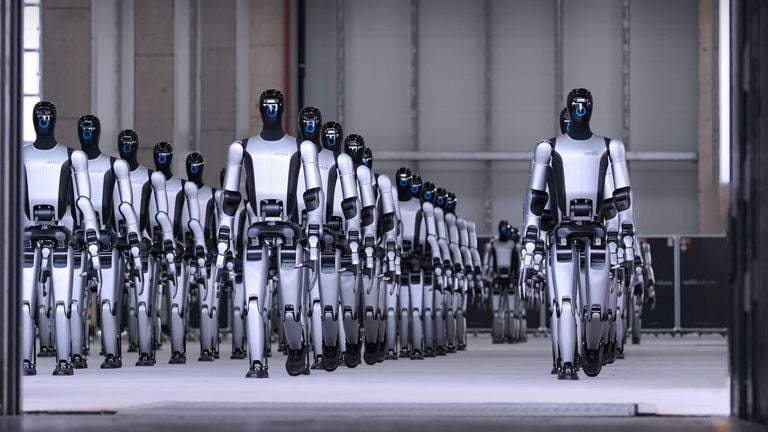
The deployment of humanoid robots in public spaces represents only the beginning of a broader trend toward automation in everyday life. As the technology continues to evolve, it’s possible that these robots will take on more tasks in the future, from traffic management to emergency response. The next step in the evolution of urban security will likely involve integrating robots with other aspects of smart city technology, such as self-driving cars and AI-powered infrastructure.
These innovations will continue to raise questions about how to balance technological advancements with the rights and freedoms of individuals. However, one thing is clear: the future of urban living is about to get a lot more automated, and robots will play an integral role in that transformation.
Conclusion: Embracing Change While Addressing Challenges
The rollout of robot cops in China’s cities represents an important step toward creating smarter, more efficient urban environments. However, as with any breakthrough technology, the challenges and ethical questions surrounding its use cannot be ignored. As humanoid robots become a more prominent part of our lives, it’s essential to continue to examine the balance between innovation and privacy, human rights, and accountability. As cities move into a more automated future, the role of robots will continue to expand, but it will be up to society to ensure that this new era benefits everyone equally.