
Table of Contents
- A Shocking Revelation About Bottled Water
- The Truth Behind Bottled Water
- Which Bottled Water Brands Use Tap Water?
- Why Do Bottled Water Brands Use Tap Water?
- The Impact on Consumers: Paying for Tap Water in a Bottle
- Environmental Concerns
- The Role of Regulation and Transparency in Bottled Water Industry
- What Can Consumers Do? Making Informed Choices
- Conclusion
A Shocking Revelation About Bottled Water
When news broke that nearly 64% of bottled water in America is just repurposed tap water, many consumers were left shocked and frustrated. Bottled water is often marketed as a pure, pristine product, sourced from springs or deep wells, promising clean hydration. However, research has revealed that much of the bottled water you buy from major brands is no more than treated tap water. What follows is an exploration of which popular bottled water brands use tap water, what this means for consumers, and how to make more informed choices when purchasing bottled water.
The Truth Behind Bottled Water
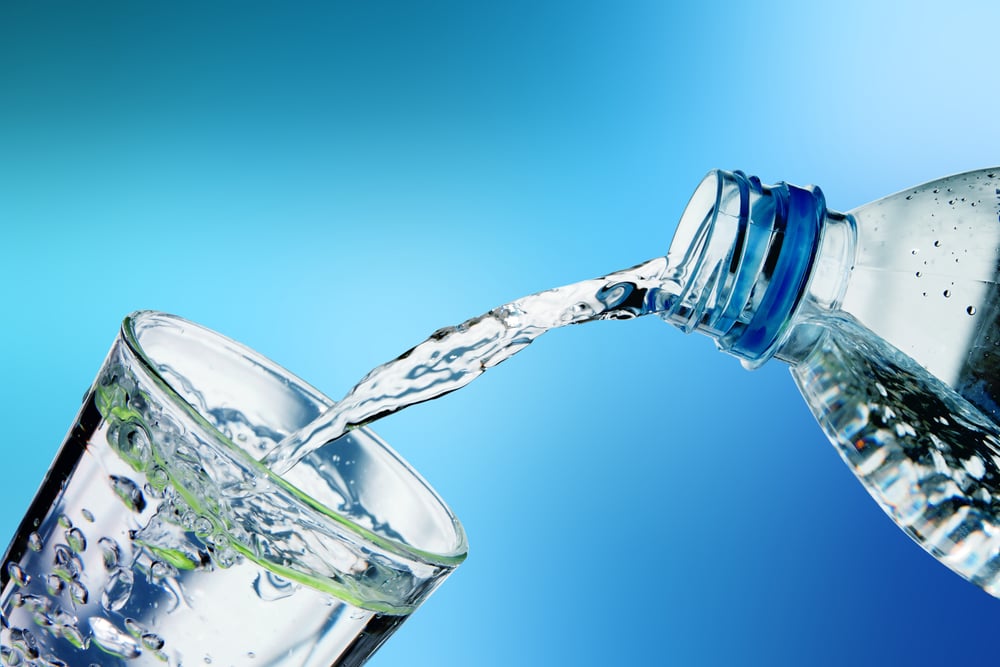
Bottled water has long been a staple in many households and is often seen as a healthier and cleaner alternative to tap water. However, many consumers may be unaware that a significant portion of the bottled water they purchase is no different than the water that comes out of their taps. The truth is that, in many cases, bottled water is simply municipal tap water that has been filtered or treated in some way.
While this may seem surprising, it is not illegal for bottled water brands to use tap water. In fact, many brands purchase tap water from municipal sources, purify it, and then package it for sale. The process of filtration and treatment typically removes contaminants and improves the taste, but it doesn’t change the fact that the original source of the water is the same as what you would get from your kitchen faucet.
What this means for consumers is that they are often paying a premium for a product that is essentially just tap water in a bottle, despite the marketing claims of “spring water” or “natural water.” This discovery has raised questions about the ethics of bottled water companies and the transparency of their practices.
Which Bottled Water Brands Use Tap Water?
Several popular bottled water brands have been found to use tap water as their source. Some brands openly admit to using municipal water, while others do so without clearly disclosing it to consumers. Here are some well-known bottled water brands that use tap water:
Dasani
Owned by Coca-Cola, Dasani is one of the most recognizable bottled water brands in the U.S. It sources its water from municipal supplies, specifically tap water, and then treats it through a process that includes reverse osmosis, filtration, and mineralization. Although Dasani markets itself as “purified water,” it does not always make it clear that the water comes from municipal sources.
Aquafina
Aquafina, a product of PepsiCo, is another major bottled water brand that uses tap water. The company sources its water from public water systems, which is then purified using a similar filtration process to Dasani. Like Dasani, Aquafina often omits information about the water’s source, leaving many consumers unaware that they are essentially paying for bottled tap water.
Nestlé Pure Life
Nestlé Pure Life is another bottled water brand that uses municipal tap water as its source. The water undergoes purification processes such as reverse osmosis and ozonation to improve taste and remove contaminants. While Nestlé Pure Life has marketed its water as “pure,” it is important for consumers to know that the water often comes from local public water supplies.
Smartwater
Smartwater, owned by Coca-Cola, is marketed as vapor-distilled water. While it is often touted for its purity and refreshing taste, the company sources its water from municipal supplies. The water undergoes vapor distillation to remove impurities and then is re-mineralized to enhance taste. Despite the marketing, the water’s origin is still tap water.
Propel
Propel, a flavored water brand owned by PepsiCo, also uses municipal water. While it is marketed as a healthy alternative to sugary drinks, the water used in Propel is often sourced from tap water and then filtered. Propel’s advertising focuses on its added electrolytes and flavors, but the base water is no different from what you might drink from your tap.
Why Do Bottled Water Brands Use Tap Water?

The use of tap water in bottled water products is primarily driven by cost and accessibility. Municipal water is readily available and inexpensive compared to sourcing water from natural springs or remote wells. By using tap water, companies can significantly reduce production costs, which contributes to higher profit margins.
Moreover, the process of filtration and purification allows companies to sell the water at a premium, despite its low cost of production. For many consumers, the perceived value of bottled water — the convenience, purity, and branding — outweighs the reality of its true source. This makes it an attractive business model for large corporations.
Bottled water companies also argue that their purification processes ensure the water is free from contaminants, making it a safe and convenient option. However, with increasing awareness about the use of tap water, consumers are now questioning whether they are truly receiving a superior product.
The Impact on Consumers: Paying for Tap Water in a Bottle
For many consumers, paying for bottled water that is essentially just tap water feels like a betrayal. Bottled water is often marketed as a healthier, cleaner alternative to tap water, yet many people are unknowingly purchasing a product that originates from the same municipal supply. This raises questions about the ethics of bottled water marketing and whether companies are misleading consumers by omitting key information about their products.
The premium price paid for bottled water, especially when it comes from tap water sources, has sparked debates about environmental sustainability and consumer rights. Not only is bottled water significantly more expensive than tap water, but the environmental impact of packaging and transporting bottled water contributes to plastic waste and carbon emissions.
Environmental Concerns
Aside from the ethical considerations, there is also the environmental impact of bottled water to consider. The production and disposal of plastic bottles have long been a concern for environmental advocates. In 2017, it was estimated that the U.S. used more than 50 billion plastic water bottles each year, most of which ended up in landfills or oceans.
The environmental impact of bottled water is exacerbated by the fact that much of it comes from tap water, which is already readily available from local sources. The resources required to bottle and transport water — especially when it is essentially the same as tap water — are significant and unnecessary. Consumers who choose bottled water often do not realize the environmental cost associated with their purchases.
Many advocates for the environment suggest switching to reusable water bottles and using tap water filters to avoid both the financial and environmental costs of bottled water.
The Role of Regulation and Transparency in Bottled Water Industry
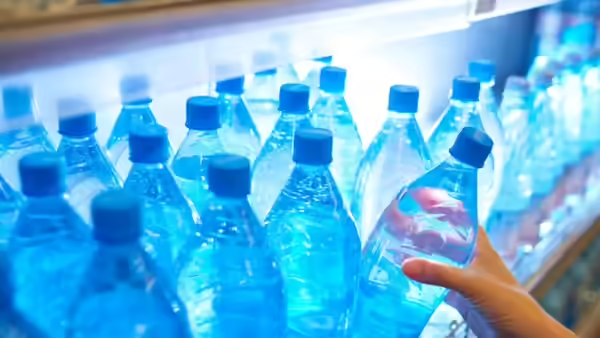
One of the biggest issues surrounding the use of tap water in bottled water products is the lack of transparency. While some companies, such as Aquafina and Dasani, disclose that their water comes from municipal sources, many others fail to provide clear information about the water’s origin. The Federal Drug Administration (FDA) regulates bottled water, but there is still a lack of consistency in how companies disclose the source of their water.
For consumers to make informed choices, there needs to be more transparency in the bottled water industry. This includes clear labeling about the source of the water and the purification process it undergoes. Companies that use municipal tap water should be required to disclose this information prominently on their labels, so consumers can make choices that align with their values and priorities.
What Can Consumers Do? Making Informed Choices
The growing awareness about the use of tap water in bottled water products has led many consumers to rethink their purchases. Here are a few steps consumers can take to make more informed choices:
- Check Labels: Always read the label to understand the source of the water. Many companies now disclose whether their water comes from a public water system or a natural spring.
- Use a Water Filter: For those concerned about the quality of their tap water, using a home water filtration system can be a cost-effective and environmentally friendly alternative to bottled water.
- Opt for Reusable Bottles: By investing in a high-quality reusable water bottle, consumers can reduce their reliance on bottled water altogether, cutting down on plastic waste and saving money in the long run.
- Support Sustainable Brands: Look for bottled water companies that use renewable energy, biodegradable packaging, or transparent labeling practices.
Conclusion
The revelation that nearly 64% of bottled water in the U.S. is just tap water has opened the door for more conversations about the true cost of bottled water. While the convenience of bottled water is undeniable, it is important for consumers to be aware of the environmental, financial, and ethical implications of their choices. As the industry faces increased scrutiny, more sustainable alternatives and transparent practices will likely become the standard, empowering consumers to make more informed decisions.
Ultimately, this issue underscores the need for greater transparency and responsibility in the bottled water industry. By making more conscious choices, consumers can help drive the change toward a more sustainable and ethical future.