
Table of Contents
Revolutionizing Medical Imaging with Nanoparticles
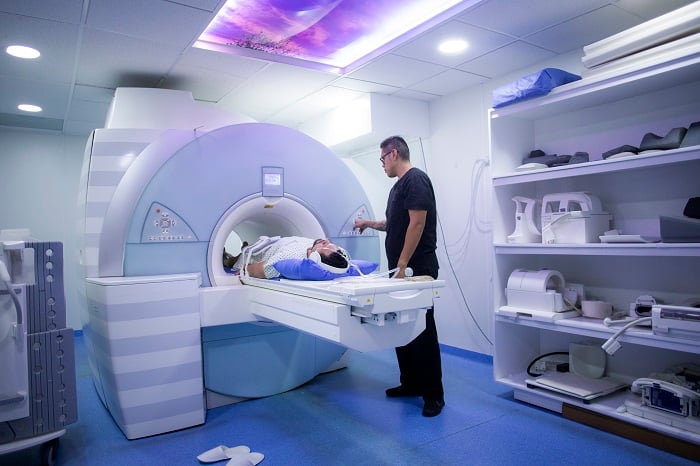
When news broke that researchers were exploring the safety of nanoparticles in MRI contrast agents, the medical and scientific communities paid close attention. MRI (Magnetic Resonance Imaging) is one of the most advanced imaging techniques used in hospitals around the world to diagnose a wide range of health conditions. Traditionally, MRI contrast agents are used to enhance the quality of images, helping doctors make more accurate diagnoses. However, the introduction of nanoparticles into these agents opens the door to new possibilities — and potential risks. What follows is an exploration of the latest research into the safety of nanoparticles in MRI contrast agents, why it matters, and what this breakthrough means for the future of medical imaging.
Understanding MRI Contrast Agents

MRI contrast agents are substances that are used to improve the clarity of MRI scans. These agents work by altering the magnetic properties of tissues, making them more visible during imaging. In the past, these agents were typically based on gadolinium, a rare-earth metal that has been used for over 30 years. Gadolinium-based contrast agents (GBCAs) are highly effective at enhancing MRI scans, but they also come with certain risks, particularly in patients with impaired kidney function, who may develop gadolinium toxicity.
To address some of the limitations and concerns surrounding traditional MRI contrast agents, researchers have turned their attention to nanoparticles. Nanoparticles are tiny particles, typically less than 100 nanometers in size, that can be engineered to carry specific properties. In the context of MRI, these nanoparticles can be used to create more effective contrast agents that are potentially safer and more efficient.
Nanoparticle-based contrast agents could improve image quality while minimizing risks, such as toxicity. However, as with any new technology, the safety and long-term effects of these nanoparticles must be carefully studied before widespread use.
The Role of Nanoparticles in MRI Contrast Agents
Nanoparticles are increasingly being explored for use in MRI contrast agents because of their unique properties, which make them highly effective at enhancing imaging. Unlike traditional agents, nanoparticles can be engineered with specific characteristics that improve their ability to target particular tissues or cells. This specificity could lead to more precise diagnoses, particularly in identifying cancerous tumors, cardiovascular diseases, and neurological conditions.
One of the key benefits of nanoparticles is their ability to provide enhanced imaging at lower concentrations. Traditional contrast agents often require higher doses to produce clear images, which increases the potential for side effects. Nanoparticles, however, can be designed to interact more efficiently with the body’s tissues, reducing the amount of contrast agent required for imaging and minimizing exposure to potentially harmful substances.
In addition to their efficiency, nanoparticles can be designed to have a longer circulation time in the body, allowing for more detailed and prolonged imaging. This characteristic is particularly important for imaging conditions such as cancer, where tumors may need to be monitored over extended periods.
Safety Concerns

While nanoparticles hold great promise for improving MRI contrast agents, they also come with significant safety concerns that need to be addressed. One of the primary concerns is the potential toxicity of nanoparticles. Unlike traditional contrast agents, which are typically excreted from the body after use, nanoparticles may accumulate in tissues over time. If not properly designed or eliminated, they could pose long-term risks to the body, including potential organ damage or an inflammatory response.
Research into the safety of nanoparticles in MRI contrast agents is ongoing, with scientists studying their behavior in the human body. In particular, researchers are looking at how nanoparticles interact with cells, tissues, and organs, and whether they could cause harmful side effects. Because nanoparticles are so small, they have the potential to penetrate the body’s defense mechanisms, entering cells and tissues where they may cause unintended effects.
To address these concerns, scientists are working to develop nanoparticles that are biocompatible — meaning they are safe to use in the body without causing adverse reactions. This involves designing nanoparticles that can be easily metabolized or excreted by the body, reducing the risk of accumulation.
The Benefits of Nanoparticles in MRI
Despite the potential risks, nanoparticles offer significant benefits that could revolutionize medical imaging. Their ability to provide enhanced image quality with lower doses is one of the most promising aspects of their use in MRI contrast agents. This could improve diagnostic accuracy, allowing doctors to detect diseases and conditions earlier, when they are more treatable.
For example, in cancer imaging, nanoparticles could improve the ability to identify small tumors that might be missed with traditional MRI contrast agents. They could also be used to monitor the effectiveness of cancer treatments over time, helping doctors assess how well a patient is responding to therapy.
Additionally, nanoparticles could help reduce the overall cost of MRI procedures. Because they are more efficient at enhancing images, fewer contrast agents would be needed, lowering the cost of each procedure. This could make MRI scans more accessible, particularly in regions or countries where healthcare resources are limited.
The Challenges
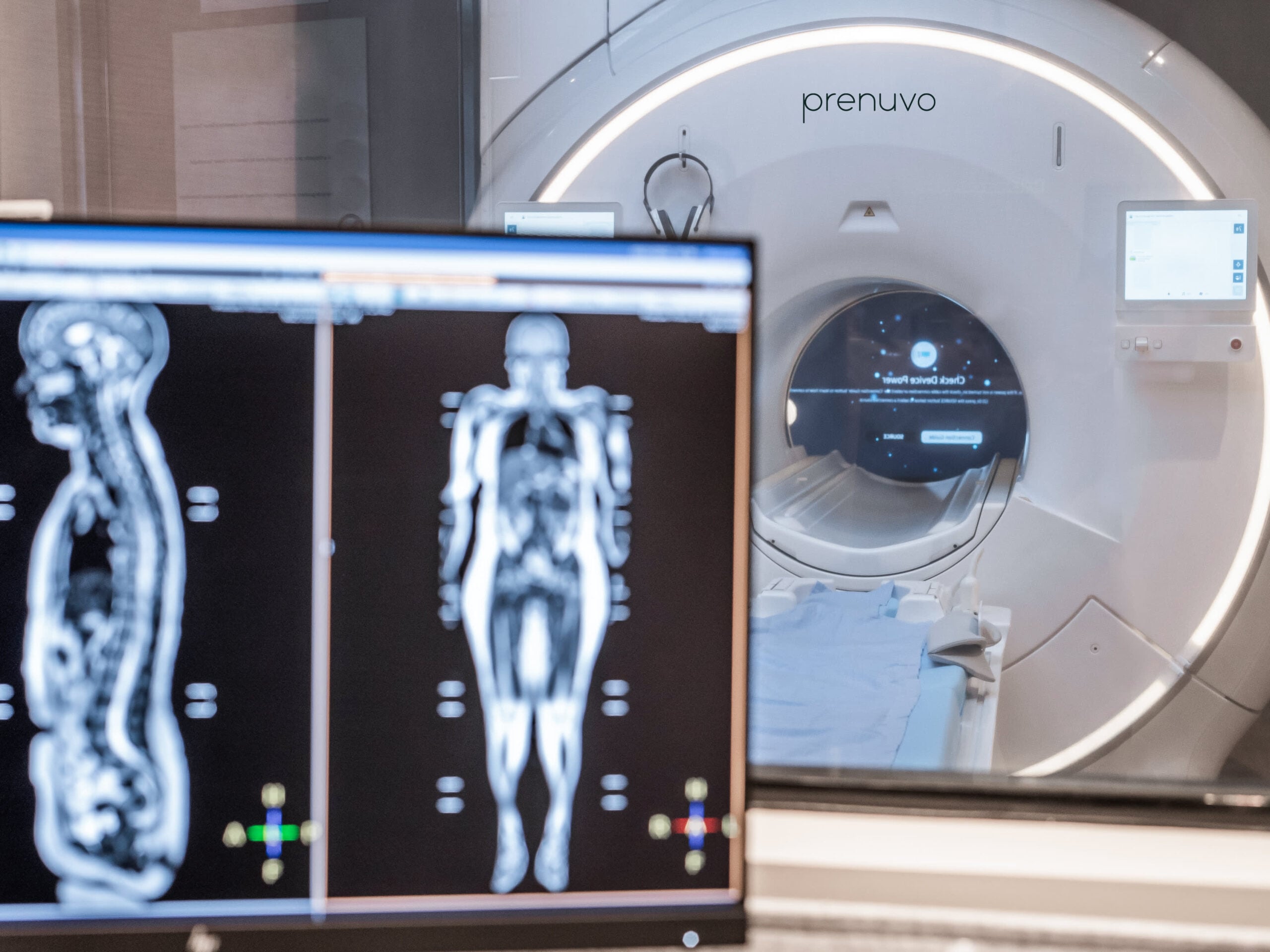
While the potential benefits of nanoparticles in MRI contrast agents are clear, there are several challenges that need to be overcome before they can be widely used. One of the biggest hurdles is ensuring that these nanoparticles are safe for long-term use. As mentioned earlier, the risk of toxicity is a concern, particularly if nanoparticles accumulate in the body.
In addition to safety concerns, there are technical challenges associated with manufacturing nanoparticles for medical use. The particles must be carefully engineered to achieve the desired properties, including size, shape, and surface charge. These factors can affect how the nanoparticles interact with the body, as well as how effectively they enhance MRI imaging.
Moreover, regulatory approval for new medical technologies can be a lengthy and complex process. Before nanoparticles can be used in clinical settings, they must undergo extensive testing to ensure they meet safety standards. This includes preclinical and clinical trials to assess their effectiveness, safety, and potential side effects.
Current Research
Currently, researchers are making significant progress in studying the safety and efficacy of nanoparticle-based MRI contrast agents. Several studies are underway to assess how nanoparticles behave in the body, how they are metabolized, and whether they can be safely eliminated after use. Researchers are also investigating the potential for combining nanoparticles with other medical technologies, such as targeted drug delivery, to enhance the effectiveness of treatments.
In addition to these studies, advancements in nanotechnology are expected to make nanoparticles more affordable and easier to produce. As the technology behind nanoparticles improves, it may become possible to design even more effective and safer MRI contrast agents.
As these developments unfold, it is likely that nanoparticles will play an increasingly important role in medical imaging, particularly in areas where traditional contrast agents are less effective.
Conclusion
The use of nanoparticles in MRI contrast agents holds great promise for revolutionizing medical imaging. With their ability to enhance image quality, reduce the amount of contrast agent needed, and provide more precise diagnostics, nanoparticles could make MRI scans more effective and accessible. However, safety remains a key concern, and continued research is necessary to ensure that these agents are safe for long-term use.
As scientists continue to refine nanoparticle technology and address safety challenges, we can expect to see more breakthroughs in medical imaging. The future of MRI contrast agents may very well lie in the potential of nanoparticles, offering a new era of precision, efficiency, and safety in healthcare.