

Table of Contents
- The Growing Threat of Aspergillus Fumigatus
- What is Aspergillus Fumigatus? Understanding the Fungus
- How Aspergillus Fumigatus Spreads Across the US
- Health Risks: The Dangers of Invasive Aspergillosis
- The Role of Hospitals and Healthcare Settings in the Spread of Aspergillus Fumigatus
- Preventing Aspergillus Fumigatus Infections
- The Future of Aspergillus Fumigatus Control
- Conclusion
The Growing Threat of Aspergillus Fumigatus
When news broke about the rapid spread of Aspergillus fumigatus in the United States, health experts were alarmed by the growing risk this deadly fungus poses to public health. The infection, which is caused by the Aspergillus species, is not new, but its increased presence, particularly in hospitals and other healthcare settings, has raised significant concerns. Aspergillus fumigatus can lead to severe infections, especially in individuals with compromised immune systems. What follows is an exploration of this deadly fungus, how it spreads, the health risks it poses, and what steps you can take to protect yourself and your loved ones.
What is Aspergillus Fumigatus? Understanding the Fungus

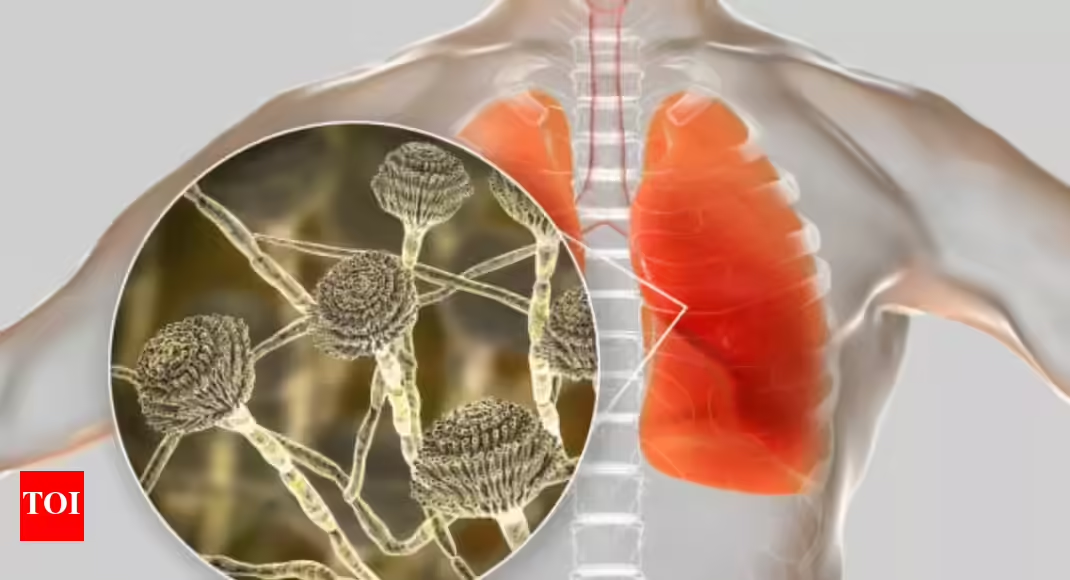
Aspergillus fumigatus is a species of mold that commonly exists in the environment, particularly in decaying organic material, soil, and compost. While most people are exposed to this fungus daily, healthy individuals rarely experience adverse effects. However, in individuals with weakened immune systems, such as those undergoing chemotherapy, organ transplant recipients, or those with lung diseases like cystic fibrosis, Aspergillus fumigatus can lead to severe, life-threatening infections.
This fungus is highly resilient and thrives in both indoor and outdoor environments. It releases microscopic spores, which can easily become airborne and be inhaled. The spores can travel great distances, making it difficult to avoid exposure, especially in environments where the fungus is abundant.
What makes Aspergillus fumigatus particularly dangerous is its ability to cause infections in vulnerable individuals, including invasive aspergillosis — a serious infection that can spread to the lungs, brain, and other organs.
How Aspergillus Fumigatus Spreads Across the US
In recent years, Aspergillus fumigatus has increasingly spread in various parts of the United States. While the fungus is commonly found in the environment, outbreaks of invasive infections have been linked to certain factors, including environmental conditions and healthcare settings.
One of the key factors contributing to the spread of Aspergillus fumigatus is climate change. Warmer temperatures, increased humidity, and changes in rainfall patterns create ideal conditions for the fungus to grow and release spores into the air. These spores can easily travel in the wind, spreading to homes, hospitals, and public spaces.
In healthcare settings, the fungus is particularly problematic. Hospitals, especially those with intensive care units, are often filled with vulnerable patients who are at high risk of developing severe infections. In these environments, Aspergillus fumigatus can thrive, particularly in areas with poor ventilation or when healthcare facilities are undergoing renovations that stir up fungal spores from the air.
The spread of Aspergillus fumigatus has also been linked to an increase in cases of invasive aspergillosis, particularly in patients who have compromised immune systems due to cancer treatments, organ transplants, or HIV/AIDS. These individuals are more susceptible to fungal infections, and when Aspergillus fumigatus enters the body, it can cause severe damage to the lungs, brain, and other organs, often leading to death if left untreated.
Health Risks: The Dangers of Invasive Aspergillosis

Invasive aspergillosis is the most serious health risk associated with Aspergillus fumigatus. It typically begins in the lungs but can spread to other organs, including the brain, kidneys, and heart. The infection is particularly dangerous for people with weakened immune systems, as their bodies are less able to fight off fungal invaders.
Symptoms of invasive aspergillosis can include fever, cough, chest pain, shortness of breath, and fatigue. In more severe cases, the infection can lead to organ failure, sepsis, and death. Prompt diagnosis and treatment are essential for individuals at high risk. The treatment typically involves antifungal medications, but these drugs can be difficult to administer and may not always be effective, especially if the infection is advanced.
In addition to invasive aspergillosis, Aspergillus fumigatus can also cause allergic reactions in people with asthma or other respiratory conditions. People who are exposed to high levels of Aspergillus spores, such as those working in construction or agriculture, may experience allergic reactions like wheezing, coughing, and nasal congestion.
The Role of Hospitals and Healthcare Settings in the Spread of Aspergillus Fumigatus
Hospitals and healthcare settings have become a focal point in the spread of Aspergillus fumigatus. With many immunocompromised patients seeking treatment in hospitals, the fungus has a higher chance of infecting vulnerable individuals. This is particularly concerning in intensive care units (ICUs), transplant wards, and oncology units, where patients’ immune systems are already compromised by the treatments they are undergoing.
In addition to the immune-compromised patients, hospital construction and renovation projects can stir up fungal spores that have settled in dust and debris, allowing them to spread into the air. This is particularly problematic when proper ventilation and air filtration systems are not in place. Studies have shown that hospitals that do not have strict infection control procedures are more likely to have higher rates of Aspergillus infections.
Preventing the spread of Aspergillus fumigatus in healthcare settings is a major challenge. Hospitals must implement rigorous cleaning procedures, air filtration systems, and proper protective measures to ensure that the fungus does not infect vulnerable patients.
Preventing Aspergillus Fumigatus Infections
While it is impossible to completely avoid exposure to Aspergillus fumigatus, there are several steps you can take to reduce the risk of infection, particularly if you are at higher risk due to a weakened immune system.
1. Protecting Vulnerable Patients
For individuals who are undergoing treatments that weaken their immune system, such as chemotherapy or organ transplants, it is important to take extra precautions. Hospitals and healthcare providers should ensure that their facilities are free of airborne spores by using HEPA filters and maintaining strict hygiene protocols. Patients should also avoid exposure to areas where fungal spores are likely to be present, such as construction zones or poorly ventilated rooms.
2. Reducing Exposure to Spores
If you live in an area with high levels of Aspergillus spores in the air, there are ways to minimize exposure. Keeping windows closed during periods of high spore activity, using air purifiers, and wearing protective masks when cleaning or working in areas with mold can help reduce the risk of inhaling spores.
3. Early Diagnosis and Treatment
For individuals who are at risk of invasive aspergillosis, early diagnosis and treatment are critical. Anyone experiencing symptoms such as persistent cough, fever, or chest pain should seek medical attention, especially if they have a compromised immune system. Antifungal medications, if caught early, can help prevent the spread of the infection.
The Future of Aspergillus Fumigatus Control
As the prevalence of Aspergillus fumigatus continues to grow, researchers are focusing on developing better diagnostic methods, antifungal treatments, and strategies to prevent the spread of the fungus. New research is exploring ways to enhance the immune response to fungal infections and identify more effective antifungal drugs that can target Aspergillus without harming healthy cells.
In addition, scientists are working on improving hospital ventilation systems and infection control practices to reduce the risk of nosocomial (hospital-acquired) fungal infections. With more awareness of the dangers posed by Aspergillus fumigatus, better preventive measures can be put in place to protect those most at risk.
Conclusion
The spread of Aspergillus fumigatus across the United States is a concerning development for public health, especially for those with weakened immune systems. While the fungus is common in the environment, its increasing presence in hospitals and the growing number of invasive aspergillosis cases underline the need for better control and prevention measures. Understanding the risks associated with Aspergillus fumigatus and taking proactive steps to reduce exposure are crucial in minimizing its impact.
As research into fungal infections continues, new treatments and preventive strategies will hopefully provide better protection for vulnerable populations. In the meantime, individuals, healthcare providers, and the public must remain vigilant in their efforts to control the spread of this dangerous pathogen.