

Table of Contents
A New Way to Give Puppies a Second Chance
When news broke that there was a chance to adopt puppies that were deemed “too friendly” to become police dogs, many people were intrigued by this heartwarming program. Police dogs are often known for their intense training, discipline, and specialized skills in detection, tracking, and protection. However, not every puppy is cut out for this high-stakes job. Some puppies, while highly intelligent and affectionate, may lack the toughness or focus needed for police work. What happens to these dogs? Fortunately, instead of being dismissed, these puppies are given a second chance for a loving home. What follows is an exploration of this unique adoption opportunity, what it means for the puppies, and how these friendly dogs can make wonderful pets for the right families.
The Selection Process

Becoming a police dog is no easy task. Police K9 units require dogs that possess specific traits, including intense drive, strong nerves, and the ability to focus in high-pressure situations. Most police dogs are trained from an early age to perform complex tasks, such as sniffing out drugs, explosives, or even searching for missing persons. These dogs undergo rigorous training, and their temperament is assessed carefully to determine their suitability for the job.
However, not every puppy makes the cut. Some dogs exhibit qualities that make them unsuitable for police work — qualities such as being overly friendly, too sociable, or not aggressive enough to perform the tasks required. While these traits may disqualify them from becoming working dogs, they make them excellent candidates for adoption. These dogs are often highly affectionate, well-behaved, and easy to train, making them ideal for families looking for a loving companion.
What Happens to Puppies That Are Too Friendly for Police Work?
Rather than being discarded, these puppies are placed in a program that gives them the chance to live a fulfilling life outside of law enforcement. The dogs that fail the police training process are typically reassigned to adoption programs where families can give them the love and care they deserve. These dogs are social, loyal, and eager to please, which are traits that make them great pets.
This program has been a game-changer for animal shelters and adoption agencies. Instead of relying on traditional shelters, which may not have the specific training to place these dogs in appropriate homes, these puppies are placed directly with organizations that specialize in matching them with the right families. It provides a new opportunity for these dogs to lead happy, fulfilling lives, while also offering prospective pet owners the chance to bring home a highly trained and well-socialized puppy.
The Benefits of Adopting a Puppy Too Friendly for Police Work

For families looking to adopt a puppy, there are many benefits to bringing one of these “too friendly” dogs into their home. Here are a few of the reasons why these dogs make great pets:
Affectionate and Social
These puppies are naturally friendly and love interacting with humans. While they may not have the intense focus needed for police work, their affectionate nature makes them great companions. They bond easily with families and enjoy being around people.
Well-Socialized
Because these puppies undergo some training and socialization during their time in the police dog program, they are accustomed to a variety of environments and experiences. They have been exposed to different sounds, smells, and situations, making them adaptable and confident in new settings.
Trainable
Though these puppies might not have the specialized skills needed for police work, they are still highly trainable. Many of these dogs learn quickly and can easily adapt to household routines, such as walking on a leash, playing fetch, or learning basic commands. Their eagerness to please and strong desire for affection make them fast learners.
Suitable for Active Families
While police dogs often require specific tasks and intense physical activity, these friendly puppies still need regular exercise and stimulation. They are great pets for active families or individuals who enjoy taking their dogs on long walks, hikes, or runs. These dogs love engaging with their owners and thrive in environments where they are actively involved in family activities.
Why This Program Matters

The program that places “too friendly” puppies into loving homes is not just beneficial for the dogs, but also for the families who adopt them. It provides these dogs with a chance to experience the love and care they were previously denied. Additionally, it allows potential dog owners to adopt highly trained puppies without the high cost or intense effort of training a dog from scratch.
Moreover, this program highlights the importance of second chances for animals. These puppies, despite not meeting the strict criteria for police work, are still full of potential and capable of offering love, loyalty, and protection in a family setting. It reinforces the idea that every dog, regardless of its past, deserves a chance at happiness.
For the families who adopt these puppies, it’s not just about saving an animal — it’s about giving a dog a fresh start and welcoming a new member into their home. The bond that forms between a pet and its owner is powerful, and for these dogs, their second chance brings a lifetime of joy and companionship.
The Process of Adopting a Puppy
Adopting one of these friendly puppies is straightforward. Many organizations and shelters have partnerships with police forces and K9 training centers, and they actively work to find homes for dogs that are not suited for police work. Here’s how you can get involved:
Contact Local Adoption Agencies
To adopt one of these puppies, start by reaching out to local shelters or animal adoption agencies. Many of these agencies have dedicated programs for placing police dogs that didn’t meet the criteria for work. They can provide you with information on how to apply for adoption and what to expect during the process.
Meet the Puppies
Most organizations allow potential adopters to meet the dogs before making a decision. This gives you a chance to interact with the puppies, learn about their personalities, and see if they are a good match for your family.
Complete an Application
Once you’ve found a puppy you’re interested in, you’ll typically need to fill out an adoption application. This application may include questions about your living situation, experience with dogs, and the type of home you can provide.
Prepare Your Home
Before bringing your new puppy home, make sure you have a safe and welcoming environment. Prepare your home with essentials such as a bed, food, toys, and training materials. If you’re new to dog ownership, many organizations offer resources to help guide you through the process.
The Importance of Supporting the Program
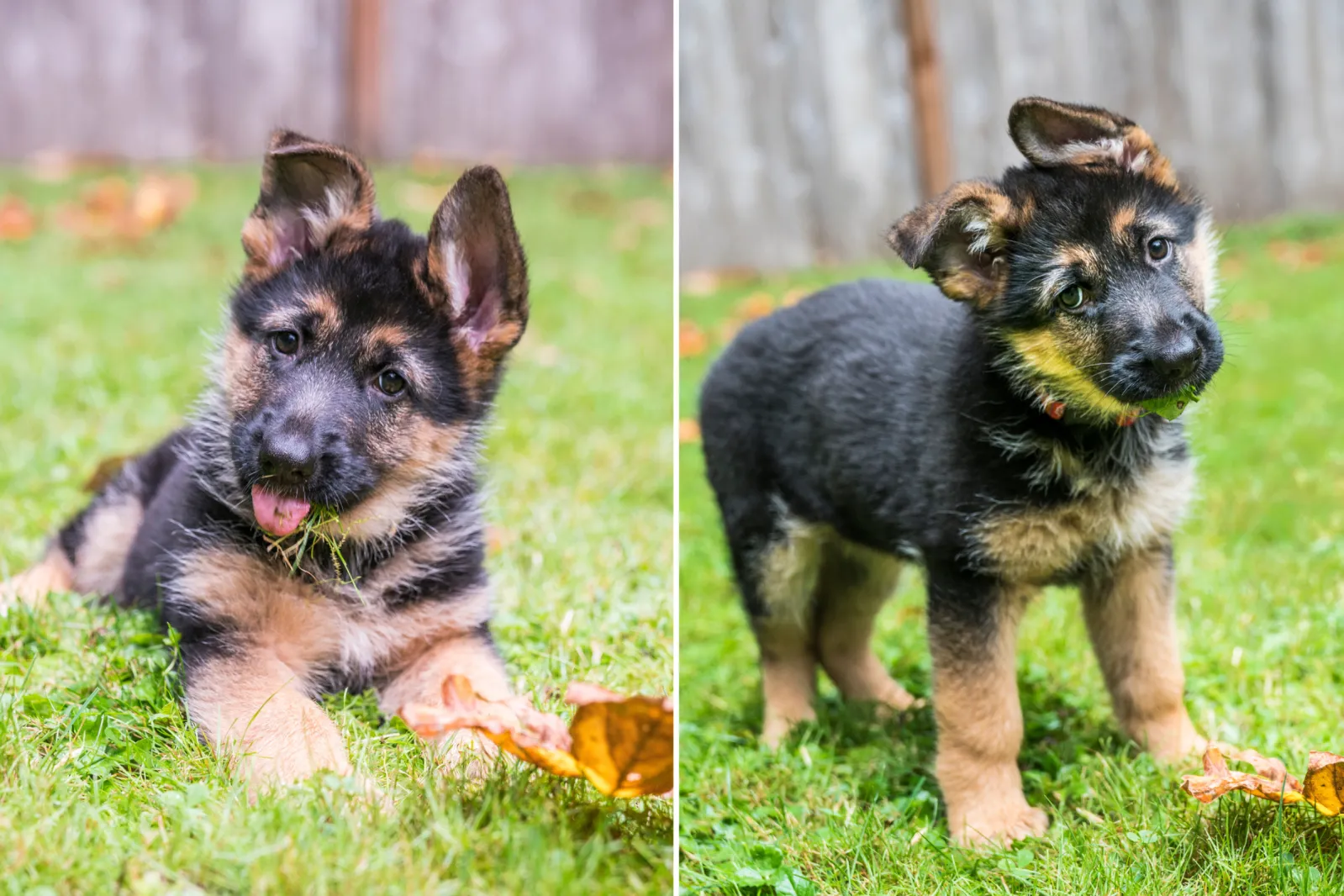
Programs that place “too friendly” puppies in homes are vital to reducing shelter overcrowding and ensuring that these animals don’t face unnecessary euthanasia. By adopting these dogs, individuals help provide a future for puppies that might otherwise have been overlooked. Supporting these programs — whether through adoption, donations, or volunteering — helps ensure that more dogs get the second chance they deserve.
Furthermore, by embracing these puppies as family pets, adopters become part of a larger movement to create awareness about the importance of rescuing animals and giving them loving homes.
Conclusion
Adopting a puppy that was too friendly for police work is not only a rewarding experience but a chance to give a deserving dog a second chance at life. These puppies may not have the qualities needed to become police dogs, but they possess the affection, intelligence, and loyalty that make them wonderful pets for families.
By participating in this adoption program, you can provide a loving home to a puppy who will undoubtedly become a cherished member of your family. In doing so, you’ll also be supporting a program that gives these dogs the opportunity to thrive in a world where they can truly be themselves — as loving companions, full of joy and affection.