
Table of Contents
The Impact of the Iran War on Supply Chains
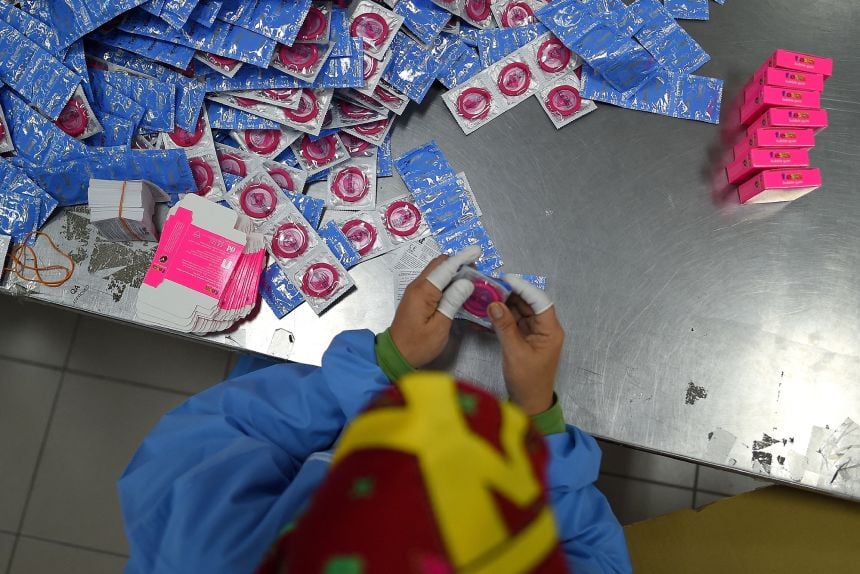
Since the start of the Iran war, global supply chains have faced significant strain, and Karex is no exception. The war, which has caused major disruptions in the Strait of Hormuz—a vital waterway through which a significant portion of the world’s oil is transported—has had a profound effect on the production of essential materials, including those used in condom manufacturing.
In an interview with Reuters, Karex CEO Goh Miah Kiat expressed concern over the rising costs of raw materials, including packaging, latex, and lubricant, which are critical to condom production. The company, which is based in Malaysia and produces a variety of sexual health products, including condoms and lubricants, has warned that price increases could be inevitable if the war continues to disrupt the flow of essential materials.
“The situation is definitely very fragile, prices are expensive,” Goh said. “We have no choice but to transfer the costs right now to the customers.” The company’s announcement has raised alarm among both consumers and health organizations, as condoms are a key product in global public health efforts.
Rising Costs and Supply Chain Delays

In addition to the rising costs of raw materials, Karex is also facing significant delays in shipping. The company has reported that a large number of condoms are currently sitting on vessels, unable to reach their destinations due to shipping disruptions. These delays are particularly concerning as they affect the availability of condoms, which are in high demand globally.
Karex’s warning comes amid a broader crisis in global trade, where disruptions caused by the Iran war and other factors have made the transportation of goods increasingly unreliable. In some regions, including Southeast Asia, factories have had difficulty sourcing the necessary materials to keep production lines running, further exacerbating the issue.
As a result, the company is now bracing for the possibility that its supply of condoms could be affected in the coming months, leading to shortages and, inevitably, higher prices. The situation is far from ideal for the company, which manufactures over 5 billion condoms annually and exports to over 130 countries worldwide.
The Consequences of Rising Condom Prices
If Karex proceeds with its planned price hike, consumers could face significantly higher costs for condoms in the near future. While the increase may seem modest—ranging from 20% to 30%—it has the potential to affect millions of people around the world. For many, the rising cost of condoms may present a barrier to accessing safe sexual health products, particularly in low-income communities and developing countries.
The price increase could also lead to disruptions in global public health programs that rely on affordable condoms for sexual education and disease prevention. Nonprofit organizations and government health initiatives often distribute condoms at low or no cost to vulnerable populations, including those in regions hardest hit by HIV and other sexually transmitted diseases. If condom prices increase substantially, these programs may struggle to maintain their current distribution efforts.
In addition to the direct impact on consumers, the price hike could also have long-term economic consequences. The sexual health industry is a multi-billion-dollar market, and significant changes in condom prices could ripple through various sectors, from manufacturing to distribution. Companies that rely on Karex’s products could also be forced to raise their own prices, further inflating the cost of sexual health products and potentially creating a domino effect across the broader healthcare industry.
Karex’s Response and Future Outlook

Despite the ongoing challenges, Karex has reassured its customers that it has enough stock to meet demand in the short term. However, the company has made it clear that its ability to continue producing condoms at current prices will depend on how long the supply chain disruptions continue.
“We’re seeing a lot more condoms actually sitting on vessels that have not arrived at their destination but are highly required,” Goh explained. The situation has forced the company to weigh its options carefully, as any prolonged disruption in the supply of raw materials could force them to raise prices further.
Karex’s response to the situation highlights the complex nature of global supply chains and the far-reaching impact that geopolitical events can have on industries not typically associated with conflict. As the war in Iran continues to affect global markets, Karex’s situation may serve as a cautionary tale of how even the most essential products are not immune to the ripple effects of political instability.
Global Protection Corp. Also Facing Rising Costs
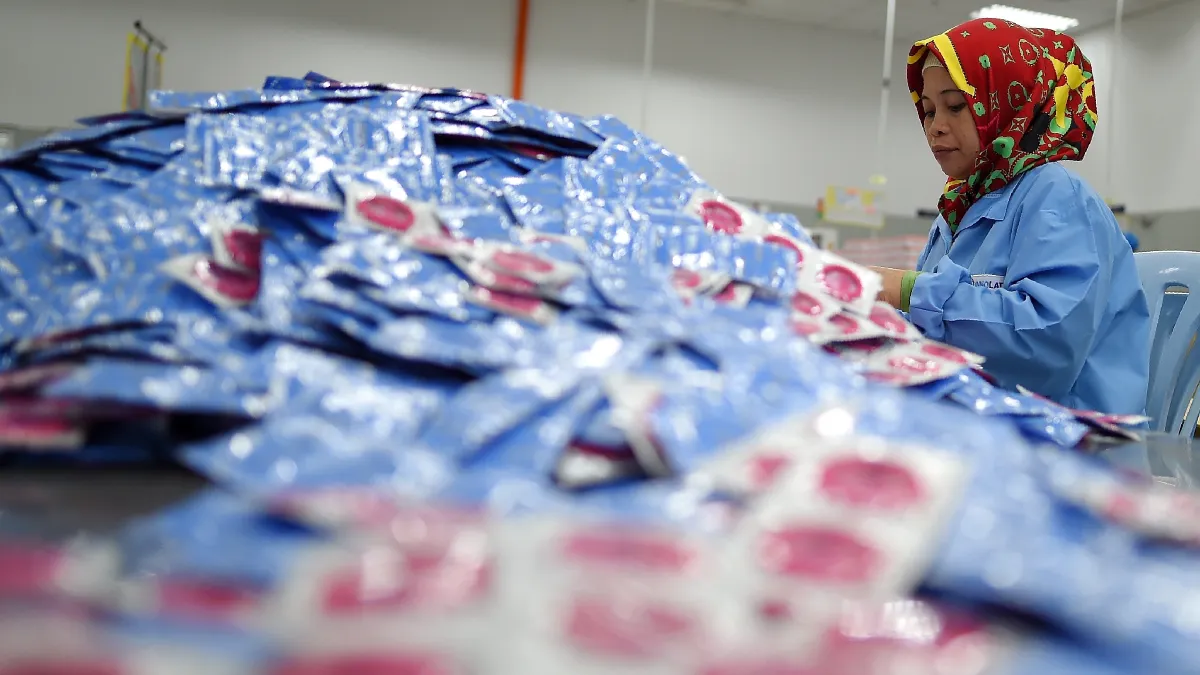
Karex is not the only company feeling the pressure from rising material costs. Global Protection Corp., a subsidiary of Karex based in Massachusetts, has also reported significant price increases due to the war in the Middle East. Global Protection, which manufactures and distributes sexual health products, including condoms, has seen costs rise by 20% to 30% on key ingredients and materials, such as latex, packaging, and condom lubricant.
Davin Wedel, CEO of Global Protection Corp., told CNN that while the company has not yet passed on the price increases to consumers, it may be forced to do so if the disruptions persist. “If the Strait of Hormuz remains closed, not only will our cost increases get worse, but we may end up with condom shortages due to lack of raw materials,” Wedel explained.
The ripple effects from the war in the Middle East are proving to be far-reaching, affecting not just the oil industry, but also the production of vital feedstocks used in everything from plastics to condoms. These disruptions are forcing companies to rethink their pricing strategies and adjust their supply chain operations in ways they never anticipated.
The Global Impact of the Iran War on Consumer Goods

The consequences of the Iran war on global supply chains go beyond the condom industry. While oil and gas have received the bulk of the attention, other critical materials, such as those used in packaging and manufacturing, are also in short supply. Naphtha, a petroleum byproduct essential for plastic production, and silicon oil and ammonia, key ingredients in condom manufacturing, are among the materials most affected by the ongoing conflict.
As Angie Gildea, KPMG’s global head of oil and gas, pointed out, “Feedstocks and petrochemicals are in short supply too.” Countries like Malaysia, which rely heavily on Middle Eastern raw materials, are now facing the challenge of securing alternative sources or raising prices to cover the increasing costs. This has left manufacturers scrambling to keep up with demand while also managing their expenses.
As a result, industries around the world are grappling with higher costs for raw materials, transportation, and production. This is likely to lead to higher prices for a wide range of consumer goods, from electronics to household products. The global economic landscape is shifting, and consumers will likely feel the effects for months or even years to come.
The Broader Economic Consequences of Rising Costs

Rising costs, particularly for essential products like condoms, will likely have broader economic consequences. As inflation continues to climb and supply chain disruptions persist, consumers will find themselves paying more for everyday goods. This could lead to a pullback in consumer spending, as people prioritize necessities over discretionary purchases.
The increased cost of condoms may also impact public health programs, particularly in countries where access to affordable sexual health products is already limited. Governments and nonprofits will have to adapt to these new realities, potentially scaling back distribution efforts or increasing prices for consumers. These changes could undermine decades of progress in sexual health education and disease prevention.
Conclusion: A Wake-Up Call for Global Supply Chains

The situation with Karex and other manufacturers is a stark reminder of how interconnected the global economy has become and how vulnerable it is to geopolitical events. The war in Iran, which initially seemed like a localized conflict, has now disrupted industries worldwide, from oil to healthcare products. The ripple effects of these disruptions are being felt across all sectors, and the economic consequences are only beginning to unfold.
As companies like Karex and Global Protection Corp. face rising costs and supply chain delays, consumers are left to grapple with the impact. The lesson here is clear: global supply chains are fragile, and even the most essential products can be affected by far-reaching events. Whether these disruptions are temporary or long-lasting remains to be seen, but one thing is certain: the world’s economy will never be the same.