
Table of Contents
- Missiles Depleted During Iran Operations
- Delays in Missile Production and Supply Chain Challenges
- Short-Term Risks: Enough Missiles for Ongoing Combat?
- The Price of War: Rising Costs for Military Operations
- The Growing Threat of a Missiles Shortage in the Pacific
- The War’s Impact on US Relations with Allies
- The Pentagon’s Response: What Needs to Be Done?
- The Long-Term Outlook: Rebuilding the Arsenal
- Preparing for the Future
Missiles Depleted During Iran Operations
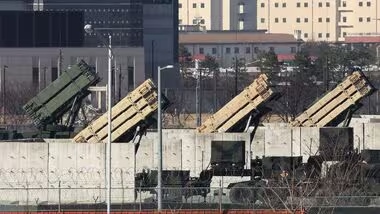
The US military has expended at least 45% of its Precision Strike Missiles during the last seven weeks of the war with Iran, according to an analysis by the Center for Strategic and International Studies (CSIS). The expenditure includes not only the high-precision missiles used in air and ground operations but also key defense systems, such as THAAD and Patriot missiles. Both of these are designed to intercept ballistic missiles, an essential tool in the US military’s defense against missile threats, particularly from adversarial states.
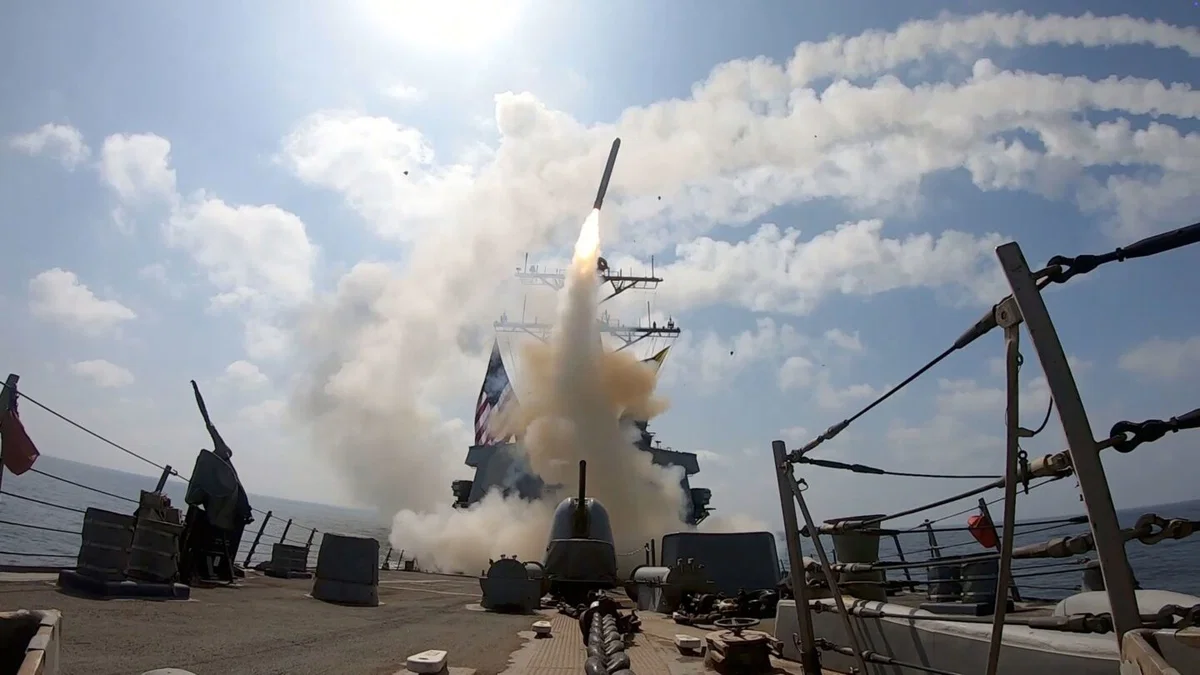
In addition, nearly 50% of the stockpile of Patriot air defense interceptor missiles has been used up, as well as 30% of the Tomahawk missile supply. The demand for these systems, driven by the ongoing conflict, has significantly outpaced the supply chain, and replenishing these vital assets could take years. This poses a serious risk to US military readiness and could create a vulnerability that adversaries may exploit.
Delays in Missile Production and Supply Chain Challenges
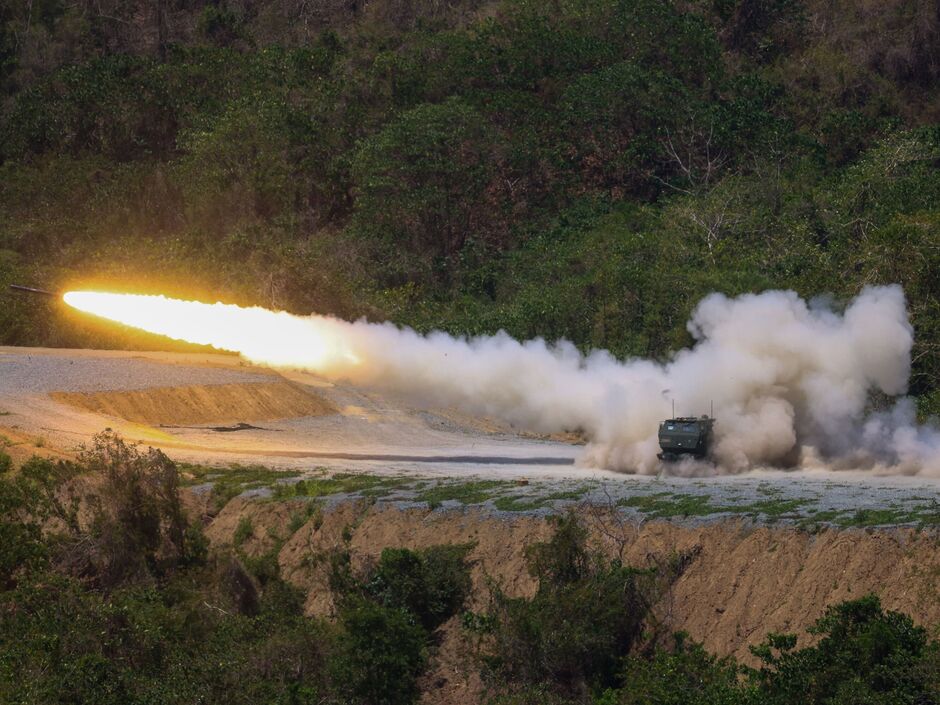
The situation has been exacerbated by a slowdown in missile production. Earlier this year, the Pentagon signed contracts to expand missile manufacturing capacity in response to the increasing demand. However, the production timeline for these new missiles is expected to stretch from three to five years, even with increased capacity. This delay presents a critical gap in US defenses, as the military would likely be unable to replenish stockpiles of key missile systems quickly enough to prepare for a major conflict.
Moreover, the war has disrupted global supply chains, affecting the procurement of essential materials required for missile production. These include raw materials such as metals, specialized plastics, and microelectronics, which are sourced from various countries, many of which are now facing their own economic challenges due to the ripple effects of the Iran conflict. As these supply chains tighten, the US is facing difficulties in meeting both the immediate demand for missile systems and the long-term goal of rebuilding depleted reserves.
Short-Term Risks: Enough Missiles for Ongoing Combat?
In the short term, the US military likely has enough missiles to maintain its operations in Iran, assuming the shaky ceasefire holds. However, experts are increasingly concerned about the sustainability of this supply if the conflict were to escalate. With a depleted missile inventory, the Pentagon would face challenges in engaging in sustained combat against adversaries who possess sophisticated missile technologies of their own.
Mark Cancian, a retired US Marine Corps Colonel and one of the CSIS report’s authors, warned that this situation has created a “window of increased vulnerability in the western Pacific,” where tensions with China continue to escalate. The US military could struggle to defend itself and its allies against a missile barrage from a near-peer adversary, particularly as more resources are diverted to ongoing operations in the Middle East.
The Price of War: Rising Costs for Military Operations
One of the more concerning aspects of the US military’s current situation is the strain that the war in Iran has placed on its finances. The Pentagon has requested additional funding to cover the costs of replacing depleted missile stockpiles, highlighting the financial burden that the conflict has imposed. Despite the claims of President Donald Trump that the US military is “preserving” its high-end munitions, the reality is that the stockpiles are being drained at an alarming rate.
Trump’s administration has signed contracts to ramp up missile production, but these efforts are expected to take years to bear fruit. The immediate funding requests suggest that the military is struggling to manage the demands of ongoing operations while simultaneously attempting to plan for future conflicts. The cost of replenishing critical stockpiles could exceed initial projections, potentially diverting funds from other areas of defense spending and leaving gaps in other vital sectors.
The Growing Threat of a Missiles Shortage in the Pacific
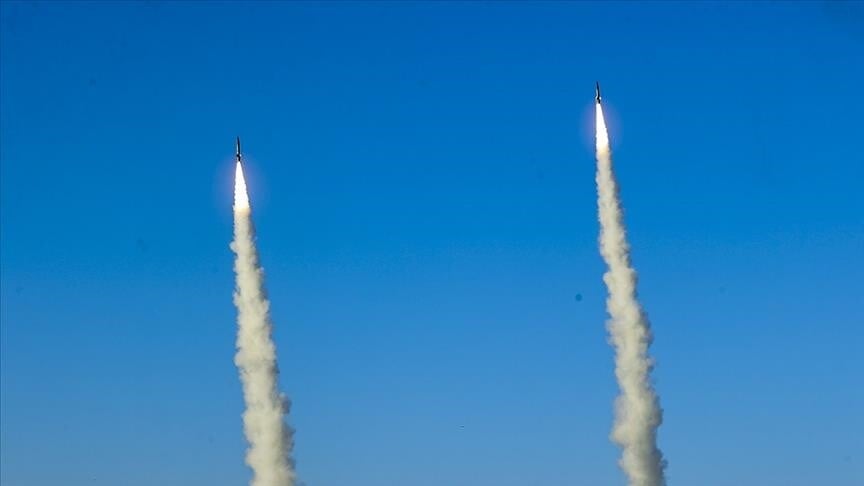
While the US has enough missiles to continue operations in the short term, experts warn that the situation could deteriorate rapidly if a new conflict arises in the near future. The most significant concern is the growing threat in the Pacific, where China continues to expand its military capabilities. With tensions rising in the region, the US military’s depleted stockpiles could leave the country vulnerable in a potential conflict with a peer-level adversary.
“The US needs to restock its missile inventory to maintain its technological edge,” said Mark Cancian. “Without a full stockpile, the US could struggle to maintain its current level of deterrence in the Pacific.” This growing vulnerability is particularly concerning as China continues to modernize its missile capabilities, potentially shifting the balance of power in the region and challenging US dominance.
The War’s Impact on US Relations with Allies
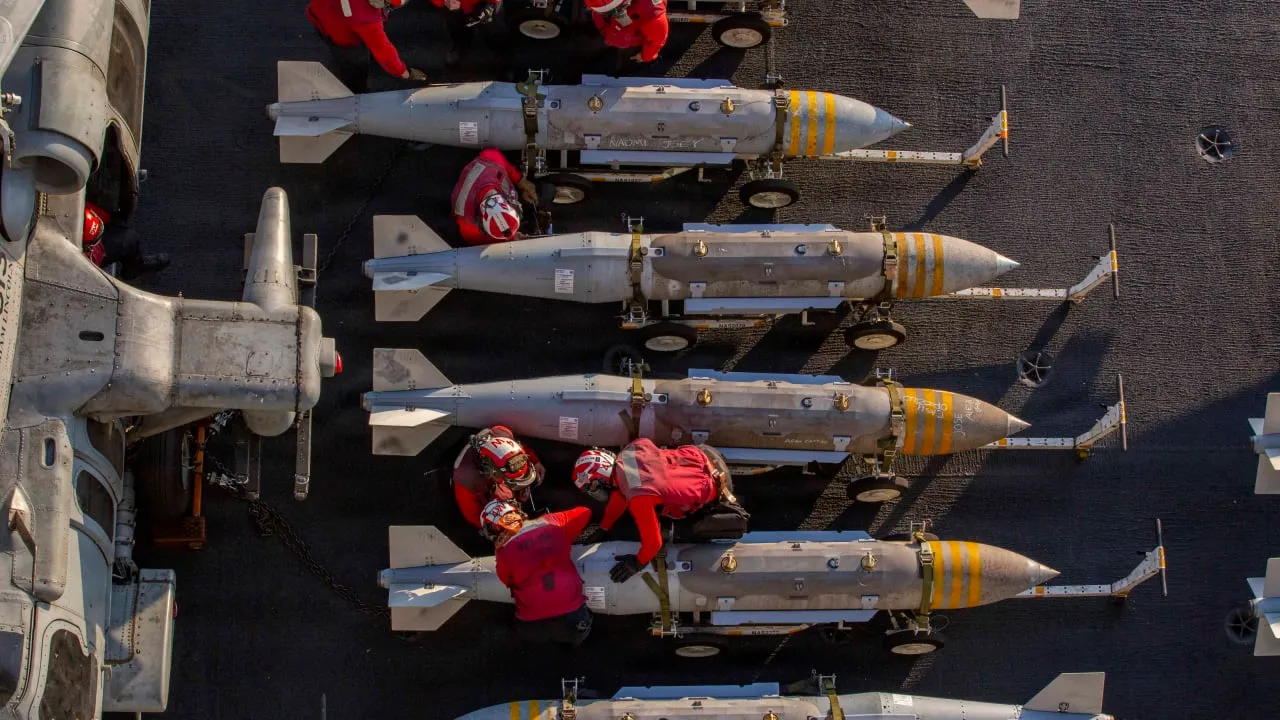
The depletion of US missile stockpiles also has implications for its relationships with allies. The US military has long relied on its missile defense systems to protect not only its own territory but also the interests of its allies, particularly in Europe and Asia. If the US is unable to quickly replace these systems, it could jeopardize its ability to provide the level of defense that many of its allies expect.
For example, Israel, which faces ongoing missile threats from regional adversaries, relies heavily on the US for its missile defense systems, including the Iron Dome and THAAD. Similarly, South Korea and Japan are heavily dependent on US defense systems to protect against potential missile attacks from North Korea and China. A shortage of missiles could strain these relationships and force the US to prioritize its resources in a way that leaves its allies vulnerable.
The Pentagon’s Response: What Needs to Be Done?
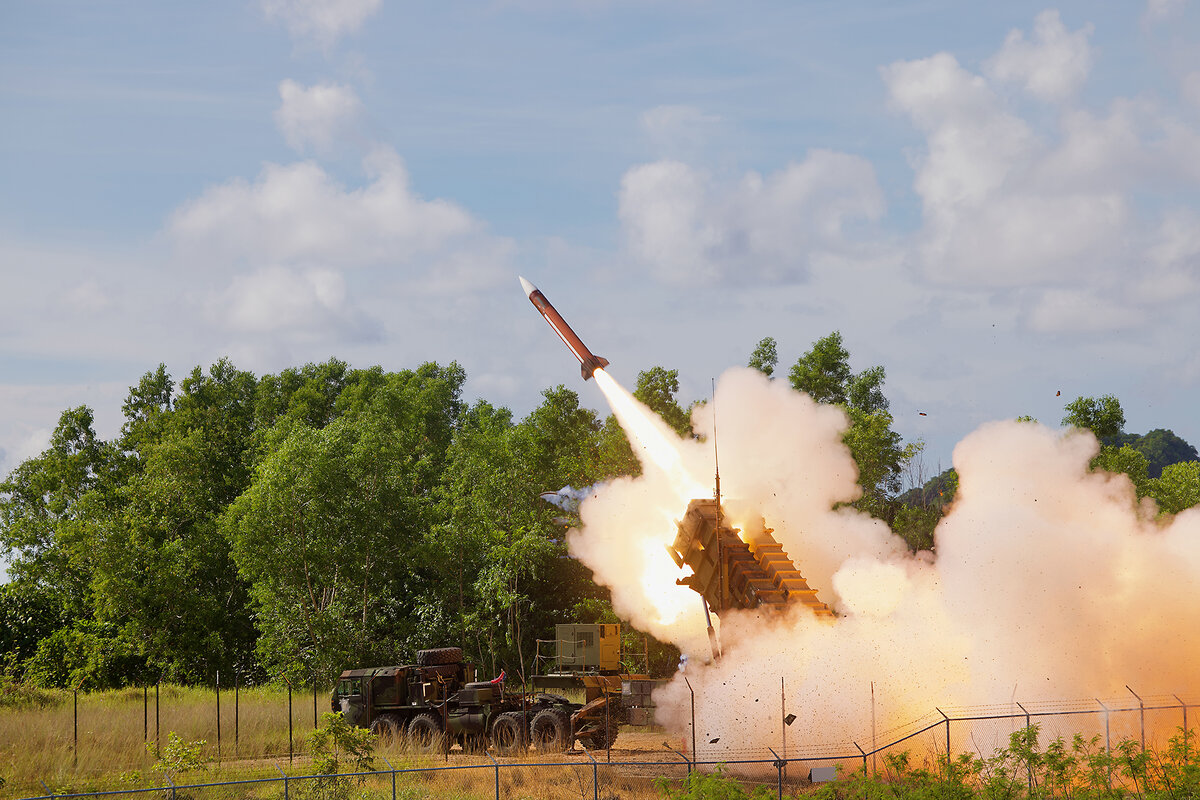
In response to the growing missile shortage, Pentagon officials have emphasized the importance of continued military readiness and have assured the public that the US has the necessary resources to defend its interests. However, experts argue that the current situation highlights a major flaw in the US defense strategy: an over-reliance on high-tech missile systems that can be quickly depleted in a sustained conflict.
To address this issue, experts recommend that the US invest in alternative missile technologies, such as hypersonic weapons, which are more difficult to intercept and may offer a strategic advantage in the event of a missile shortage. Additionally, increasing production capacity and diversifying supply chains for key materials would help ensure that the US military can maintain its readiness in the face of future conflicts.
The Long-Term Outlook: Rebuilding the Arsenal
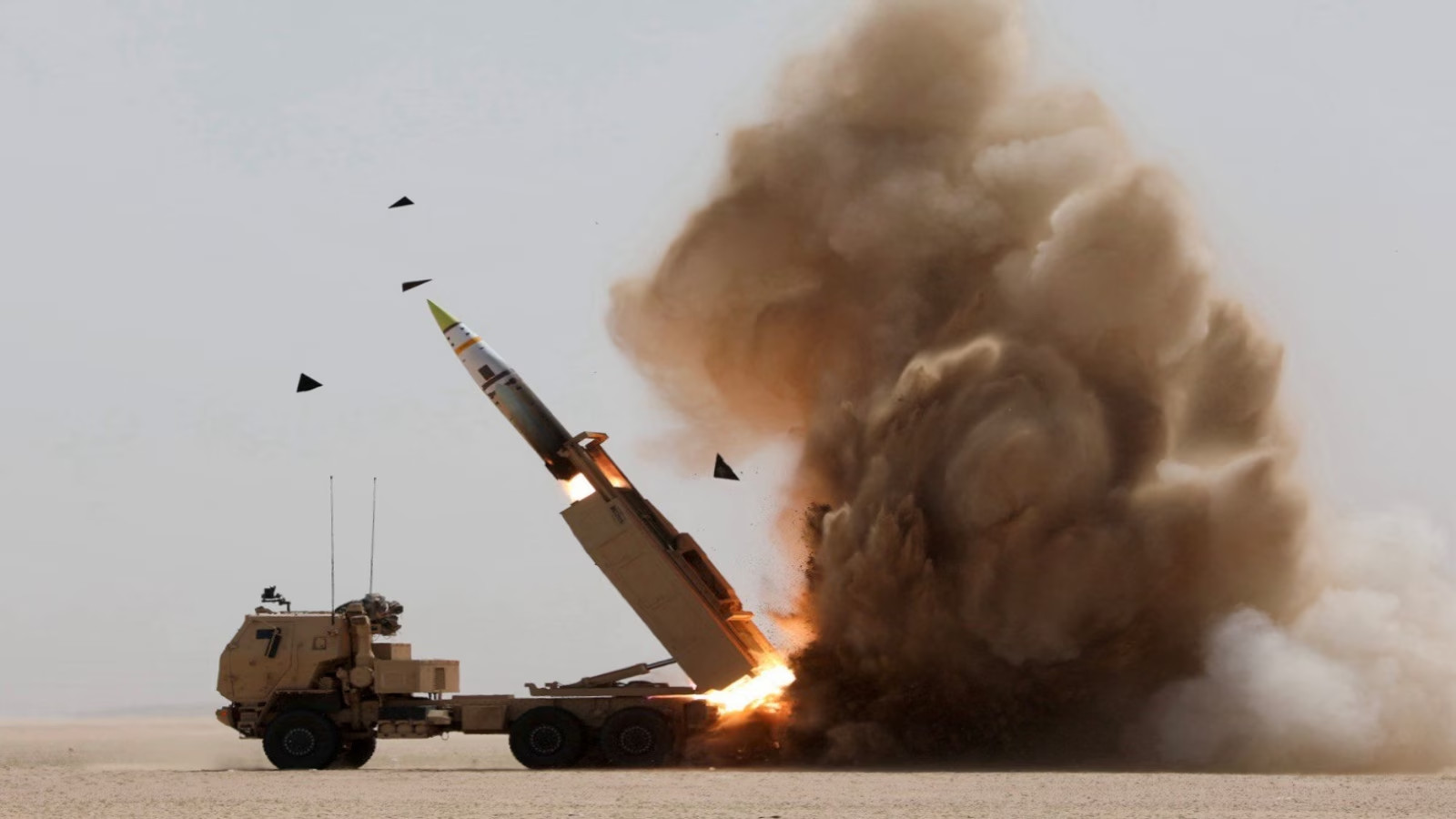
The timeline for replenishing the US military’s missile stockpiles is long, and experts warn that it could take years before the US reaches pre-war levels. Even with increased production capacity, the process of rebuilding stockpiles will take time, potentially leaving the US vulnerable to future conflicts. Additionally, the war in Iran has highlighted the need for the US to diversify its defense strategies and avoid becoming overly reliant on a single type of missile system.
In the long term, the US must focus on rebuilding its missile stockpiles while also exploring new technologies and strategies to maintain its military advantage. This may involve investing in new defense systems, strengthening alliances with other countries, and ensuring that the US military remains capable of deterring potential adversaries.
Preparing for the Future
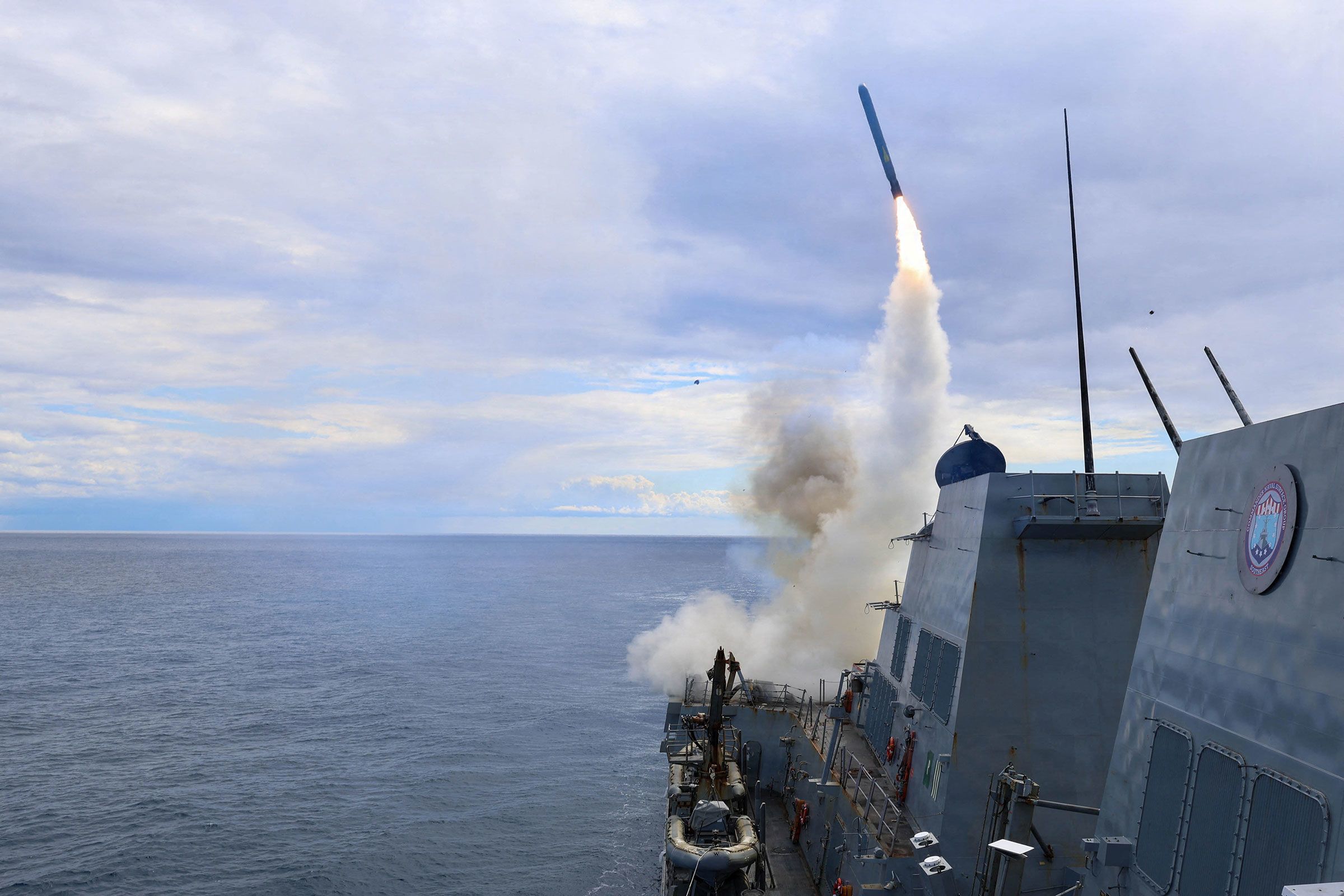
As the US grapples with the consequences of its missile depletion in the Iran conflict, it faces a critical juncture in its defense strategy. The current shortage of key missile systems is a reminder of the vulnerability that comes with relying on high-tech weaponry in a protracted conflict. While the Pentagon has taken steps to increase missile production, it will take years to fully replenish the stockpiles. In the meantime, the US must remain vigilant and prepare for the possibility of future conflicts that could test the limits of its military capabilities.
The US’s missile shortage serves as a wake-up call for both the military and policymakers, urging them to reassess the country’s defense strategy and prioritize the replenishment of critical resources. With tensions rising in key regions, the US must act swiftly to ensure that it remains prepared to defend its interests and those of its allies in the years to come.