

Table of Contents
- A Case That Left Doctors Speechless
- The Shocking Discovery
- How Could This Happen?
- The Body’s Strange Tolerance
- What Doctors Want You to Know
- Why This Story Went Viral
- The Real Risks of Poor Lens Hygiene
- The Psychology Behind Neglect
- Lessons for Everyday Users
- Could Technology Prevent This?
- The Takeaway: Eyes Are Priceless
A Case That Left Doctors Speechless
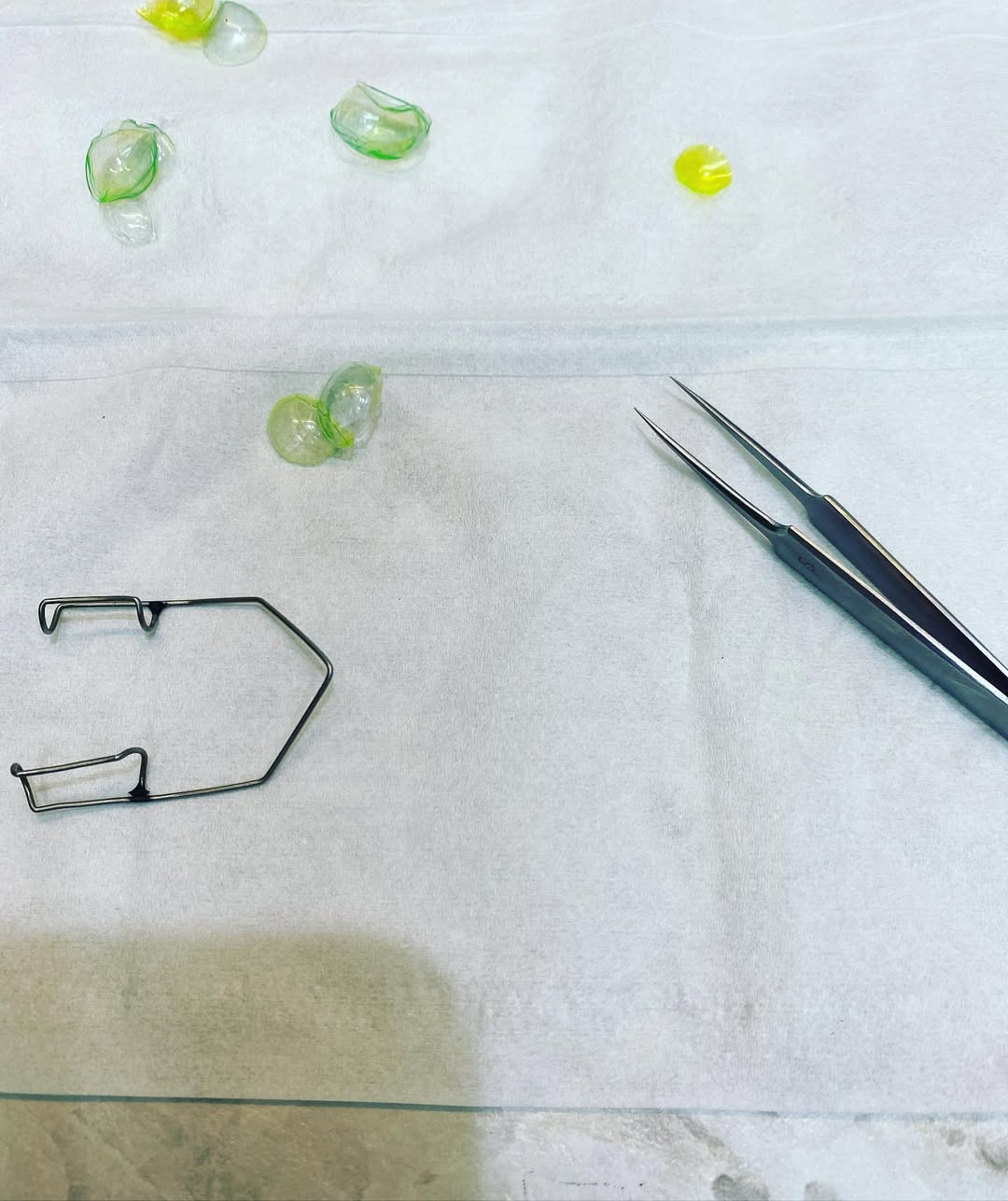
It sounds like something out of a medical thriller: a woman walks into her eye doctor’s office complaining of irritation—and the physician discovers 23 contact lenses stacked and stuck inside her eye.
The shocking case, captured in a now-viral video, has stunned millions online and reignited an important conversation about contact lens safety and proper hygiene.
How could someone not notice 23 lenses hidden in her eye? The answer, doctors say, is a mix of habit, neglect, and the body’s remarkable ability to adapt—sometimes to its own detriment.
The Shocking Discovery
In the viral clip shared by an optometrist on Instagram, the doctor is seen gently removing layer after layer of contact lenses from the patient’s eye. At first, the situation seems routine. But as the count continues—10, 15, then over 20—it becomes clear this is no ordinary case.
Each lens, thin and nearly transparent, had fused together under the eyelid. The patient, a woman in her late 60s, reportedly wore daily disposable lenses but failed to remove them consistently, allowing buildup over time.
If this happened to you, would you even realize something was wrong before it became an emergency?
How Could This Happen?
Experts explain that long-term contact lens wearers can develop reduced corneal sensitivity, meaning they feel less discomfort over time. Combine that with busy routines or forgetfulness, and the result can be a dangerous oversight.
Overlapping lenses can trap bacteria, restrict oxygen flow, and cause severe eye infections or corneal ulcers. In extreme cases, such neglect can even lead to vision loss.
This case wasn’t just a medical anomaly—it was a warning for millions of lens users worldwide who may not follow proper care guidelines.
The Body’s Strange Tolerance
What shocked doctors most was how the woman’s eye tolerated the buildup for so long. Normally, just one misplaced lens can cause pain, redness, or blurred vision. Yet this patient experienced only mild irritation—proof of how the human body can adjust even in harmful conditions.
Still, ophthalmologists warn that such “tolerance” can be dangerous. “Just because you don’t feel pain doesn’t mean your eyes are fine,” one specialist explained.
Would you push through mild discomfort, or take it as a signal to act before it’s too late?
What Doctors Want You to Know
Optometrists around the world are using this viral moment to remind people of safe contact lens practices. Their advice is simple but vital:
- Never sleep with contact lenses unless prescribed.
- Always remove lenses before showering or swimming.
- Wash hands thoroughly before touching your eyes.
- Replace cases and lenses regularly to avoid bacterial buildup.
- Schedule annual eye exams to check for early signs of damage.
Skipping these steps might save seconds now—but could cost you your vision later.
Why This Story Went Viral
The video of the removal quickly spread across social media, amassing millions of views and sparking conversations about medical negligence, hygiene, and even human endurance.
Viewers were simultaneously horrified and fascinated. Many admitted they had occasionally fallen asleep with contacts in or forgotten to remove them for a day or two. Seeing 23 lenses come out of a single eye made those bad habits suddenly feel terrifyingly real.
Would you rethink your routine after watching something like this unfold in real time?
The Real Risks of Poor Lens Hygiene
Eye specialists say cases like this aren’t as rare as people think. While 23 lenses is extreme, mild infections and corneal abrasions from improper use are alarmingly common.
According to the Centers for Disease Control and Prevention (CDC), more than 99% of contact lens wearers admit to at least one bad hygiene habit, such as sleeping in lenses or reusing old solution. These practices can cause:
- Keratitis (inflammation of the cornea)
- Bacterial infections
- Dry eyes and irritation
- Reduced oxygen supply to the cornea
Each of these conditions can escalate quickly, making professional intervention crucial.
So, is your convenience worth the risk of permanent eye damage?
The Psychology Behind Neglect
Doctors suggest that contact lens misuse often stems from complacency. Over time, daily routines dull our sense of caution. When nothing bad happens immediately, people assume the risk is low.
But this case shows how tiny daily mistakes can accumulate into massive consequences. The woman’s story is a mirror for modern life—busy schedules, shortcuts, and overlooked self-care.
If your eyes could talk, what would they say about the care they’ve received lately?
Lessons for Everyday Users
For millions of people, contact lenses are part of daily life. They improve vision, boost confidence, and offer freedom from glasses. But with that freedom comes responsibility.
Here’s what this case teaches every user:
- Pay attention to discomfort—even minor irritation can indicate something’s wrong.
- Take breaks from lenses to allow eyes to breathe.
- Store properly—dirty cases are breeding grounds for bacteria.
- Replace lenses as directed—never extend their use beyond recommendations.
Following these small habits can prevent infections and maintain clear, healthy vision for life.
Could Technology Prevent This?
As shocking as this case is, it also raises questions about future eye-care technology. Smart contact lenses, currently under development, could include sensors that monitor wear time and alert users when it’s time to remove or replace them.
Some researchers are also working on self-cleaning lens materials and AI-assisted reminders via smartphone apps. The goal is to make lens use safer, smarter, and less prone to human error.
Would you trust technology to protect your health—or do you think personal responsibility is still the key?
The Takeaway: Eyes Are Priceless
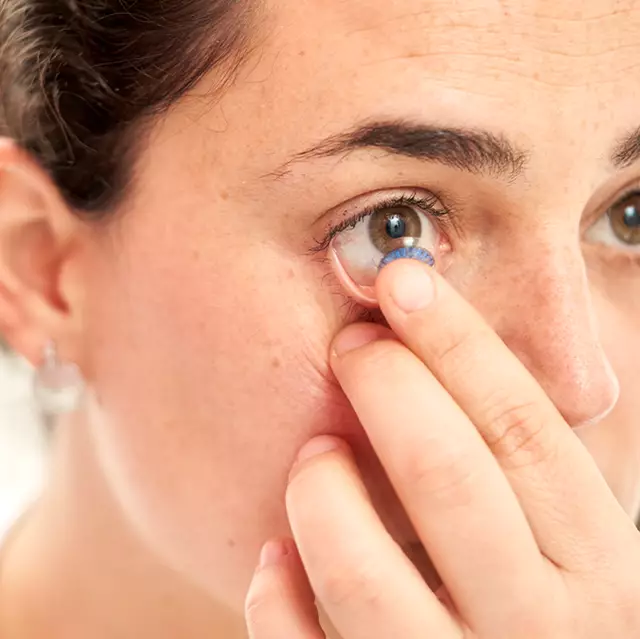
This viral case may have ended safely, but it serves as a powerful reminder: eyes are irreplaceable, and neglect can be costly.
Regular checkups, simple hygiene, and mindful care can prevent serious complications. As the viral video proves, what seems like a small oversight today can turn into a medical headline tomorrow.
Next time you’re tempted to skip removing your contacts, ask yourself—how many lenses would it take before you realized something was wrong?