
Table of Contents
- The Face That Shocked the Internet
- Twenty Months on the Frontline
- The Weight of War on the Human Body
- Behind the Eyes: Mental and Emotional Toll
- A Nation Defined by Resilience
- The Power of a Photograph
- What Science Says About Trauma and Strength
- Support Systems: From Frontline to Recovery
- The Face of Modern War
- Lessons for the Rest of the World
- A Look Toward Hope
The Face That Shocked the Internet
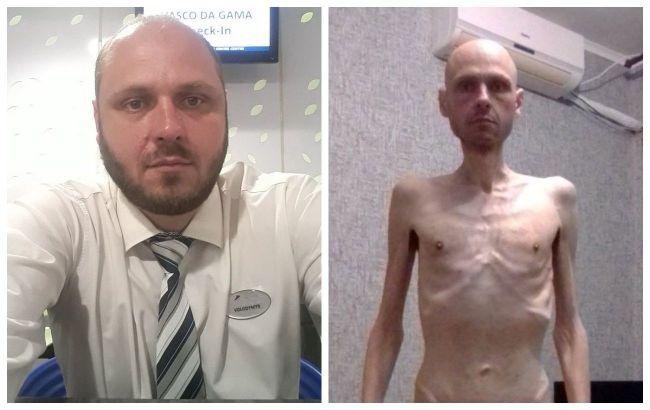
When a photo of a Ukrainian soldier surfaced online, people stopped scrolling. His face—sunken, weathered, eyes hollow yet fiercely alive—spoke louder than any battlefield report.
The image quickly went viral, symbolizing the relentless toll of 20 months of war. His name wasn’t shared for safety, but his transformation told the story of every soldier defending Ukraine’s freedom.
Can a single photograph capture the true cost of courage?
Twenty Months on the Frontline
The soldier in the photo has spent nearly two years in one of the most unforgiving environments on Earth: the eastern Ukrainian front. Day after day, through freezing winters and scorching summers, he’s faced constant shelling, sleepless nights, and the ever-present fear of the next strike.
War doesn’t just age a person—it transforms them. In 20 months, his once youthful face turned gaunt and lined, his expression hardened by survival. Yet behind the exhaustion, his eyes still carried something remarkable—determination.
What keeps someone fighting when every sunrise could be their last?
The Weight of War on the Human Body
Experts say long-term stress in combat zones can cause rapid physical aging. Soldiers exposed to constant danger often show signs of fatigue, dehydration, malnutrition, and chronic sleep loss.
Psychologists call this phenomenon accelerated biological aging. The body begins to wear down faster than the years that have passed. It’s not uncommon for a young soldier to look decades older after prolonged exposure to war.
But the wear isn’t just physical—it’s emotional. “You can see the war in their eyes,” one military doctor explained. “They carry memories that never leave them.”
Could the world bear to look closer if every soldier’s story was written on their face?
Behind the Eyes: Mental and Emotional Toll
Life on the frontlines isn’t only a test of endurance—it’s a battle for sanity. Soldiers live in a constant state of vigilance, where the sound of an explosion or the whine of a drone can mean life or death.
Many develop combat stress reactions—a form of psychological fatigue that blurs the line between survival instinct and trauma. Over time, these experiences can lead to post-traumatic stress disorder (PTSD), anxiety, and depression.
For Ukrainian soldiers, the fight is personal. They’re not deployed abroad; they’re defending their homes, families, and culture. That makes every battle both patriotic and deeply personal.
If your own city were under attack, would you find the strength to keep standing?
A Nation Defined by Resilience

The photo of the soldier went viral because it represents more than one man—it represents Ukraine’s collective resilience.
Since February 2022, Ukraine has endured unimaginable destruction, yet continues to stand strong. The soldier’s worn face mirrors the resilience of a nation that refuses to surrender.
In every wrinkle, in every scar, you can trace the story of thousands—farmers turned fighters, engineers turned medics, parents who send their children to safety while staying to defend their land.
What defines resilience: endurance or the refusal to give up, no matter the odds?
The Power of a Photograph
Images have power. They bypass politics and statistics, reaching people on a human level. The viral photo of this Ukrainian soldier did exactly that—it broke through war fatigue and reminded the world that behind every headline is a person.
Journalists who’ve seen frontlines say the hardest stories to tell aren’t about missiles or tanks—they’re about faces like his. The kind that say, without words, “I’ve seen too much, but I’m still here.”
If one image can reignite global empathy, could sharing more of these faces change the course of awareness—and even aid?
What Science Says About Trauma and Strength
Studies from the National Institute of Mental Health show that soldiers exposed to long-term conflict environments develop changes in brain chemistry that affect emotion, memory, and decision-making.
Yet not every change is negative. Some soldiers exhibit what psychologists call post-traumatic growth—finding purpose, empathy, and inner strength through hardship.
Ukrainian soldiers have repeatedly shown this. Many return from the frontlines not broken, but more determined to rebuild their country. Their resilience challenges our assumptions about human limits.
Can suffering forge strength, or does strength reveal itself through suffering?
Support Systems: From Frontline to Recovery
Ukraine has increased efforts to support soldiers physically and psychologically. Rehabilitation centers, therapy programs, and community support groups are helping veterans reintegrate into civilian life.
International aid also plays a crucial role. Donations fund prosthetics, mental health care, and housing for displaced soldiers. NGOs emphasize that recovery doesn’t end when a soldier leaves the battlefield—it begins there.
If rebuilding a nation starts with healing its defenders, how long will that journey take?
The Face of Modern War
Modern warfare isn’t fought solely with weapons. It’s fought with endurance, technology, and the will to survive. Drones hover overhead, artillery strikes from miles away, and yet, amid the chaos, soldiers still rely on timeless virtues—loyalty, courage, and hope.
The viral image reminds us that even in the age of smart weapons, the human cost remains immeasurable. The soldier’s transformation isn’t just a result of combat—it’s a symbol of what it means to bear the weight of history.
Would technology ever lessen the human cost of war—or only make it easier to forget?
Lessons for the Rest of the World
For those far from the frontlines, the soldier’s image offers a sobering reflection. Comfort can make us complacent. Peace can make us forget how fragile it is.
The story challenges every reader to appreciate the quiet safety of ordinary days—and to recognize the price others pay for it.
If one man’s weary face can remind us of the value of freedom, how might we honor it in our own lives?
A Look Toward Hope

Even amid exhaustion, there’s hope. Ukrainian soldiers continue to fight not out of hatred, but out of love—for their land, their people, their future.
When asked what keeps him going, one soldier replied simply: “My children.”
And that’s the power of resilience. Beneath the dirt and fatigue, beneath the hardened stare, lies a heart still beating for home.
Can hope survive 20 months of war? In Ukraine—it already has.