
Table of Contents
- What Is Crouzon Syndrome?
- Causes and Genetic Mechanism
- Common Symptoms of Crouzon Syndrome
- Diagnosing Crouzon Syndrome
- Treatment Options for Crouzon Syndrome
- Long-Term Outlook for Children with Crouzon Syndrome
- Emotional and Psychological Support for Families
- Preventing Crouzon Syndrome and Genetic Counseling
- Conclusion
What Is Crouzon Syndrome?
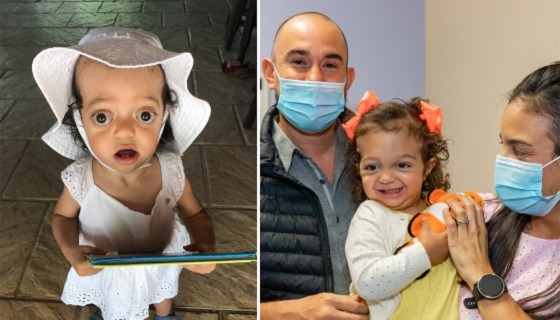
Crouzon syndrome is a congenital disorder that falls under a category of conditions known as craniofacial dysostosis. The hallmark of the syndrome is the early fusion of certain skull bones, a process called craniosynostosis, which results in an abnormal head shape and potential complications in brain development. The premature closure of these bones restricts normal skull growth, which can lead to developmental delays and neurological issues. Crouzon syndrome is typically diagnosed in infancy or early childhood and requires lifelong management.
The condition is inherited in an autosomal dominant manner, which means that a child has a 50% chance of inheriting the condition if one parent carries the gene for the disorder. However, in some cases, Crouzon syndrome can result from a spontaneous genetic mutation, without any family history of the condition.
Causes and Genetic Mechanism
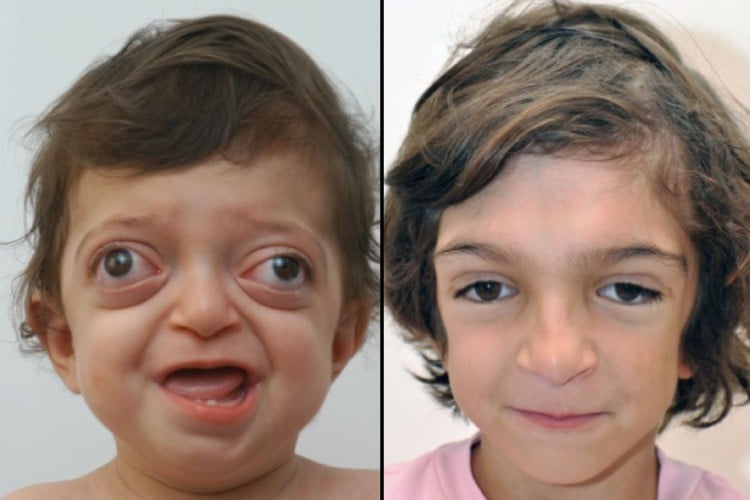
Crouzon syndrome is caused by mutations in the FGFR2 gene, which plays a critical role in the growth and development of bones and tissues. The mutation causes the premature fusion of specific skull bones, restricting normal brain and skull growth. This fusion can also affect the bones in the face, leading to prominent features such as a narrow skull, wide-set eyes, and an underdeveloped jaw.
The FGFR2 gene mutation is inherited in an autosomal dominant pattern, meaning that only one copy of the mutated gene is necessary to cause the syndrome. In most cases, the mutation is inherited from one parent who carries the gene, but it can also occur sporadically as a new mutation in an individual without a family history of the syndrome.
Common Symptoms of Crouzon Syndrome
The symptoms of Crouzon syndrome vary depending on the severity of the condition and the specific bones affected. However, some common signs and symptoms include:
- Abnormal head shape: The skull may appear misshapen or flattened due to the early fusion of skull bones.
- Wide-set eyes: The fusion of certain facial bones can cause the eyes to appear widely spaced.
- Bulging eyes: In some cases, the eyes may protrude due to changes in the orbit.
- Vision problems: Children with Crouzon syndrome are at an increased risk for vision issues such as strabismus (crossed eyes) and amblyopia (lazy eye).
- Hearing loss: The abnormal development of the skull can affect the bones of the middle ear, leading to hearing difficulties.
- Speech and developmental delays: Cognitive development may be delayed, and some children may experience speech issues.
Not all individuals with Crouzon syndrome will experience the same symptoms, and the severity of the condition can vary greatly between individuals.
Diagnosing Crouzon Syndrome
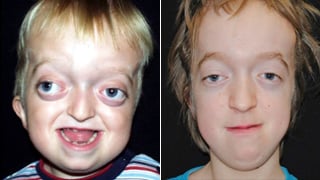
Crouzon syndrome is usually diagnosed through a combination of clinical evaluation and genetic testing. A doctor will conduct a physical examination, noting the characteristic facial features and head shape. Imaging tests such as X-rays or CT scans can be used to assess the extent of craniosynostosis and to help confirm the diagnosis.
Genetic testing is often performed to identify mutations in the FGFR2 gene, which confirms the diagnosis of Crouzon syndrome. In some cases, prenatal testing may be offered if there is a family history of the condition, providing an early indication of whether a baby might be affected.
Treatment Options for Crouzon Syndrome
While there is no cure for Crouzon syndrome, several treatments can help manage symptoms and improve quality of life. The treatment plan is typically individualized based on the specific needs of the patient and the severity of the condition. Common treatments include:
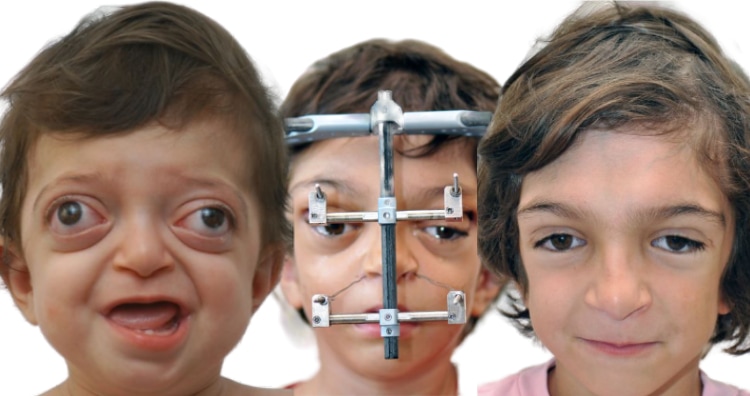
- Surgical interventions: Surgery is often required to correct craniosynostosis and ensure the skull and brain have adequate space to grow. This may involve surgery to separate fused skull bones and reshape the skull. Early intervention is crucial for preventing developmental delays.
- Vision correction: If vision problems are present, corrective lenses or surgery may be necessary to treat strabismus, amblyopia, or other eye conditions.
- Hearing aids: For children with hearing loss, hearing aids or other assistive devices may help improve auditory function.
- Speech and physical therapy: Therapy may be recommended to help with speech, motor skills, and cognitive development. Early intervention with speech and physical therapy can be very beneficial in improving communication and motor coordination.
- Ongoing monitoring: Regular follow-up visits with specialists, including neurosurgeons, ophthalmologists, and speech therapists, are essential for managing the long-term effects of Crouzon syndrome.
The goal of treatment is to improve the child’s functional abilities and quality of life, allowing them to lead a healthy and fulfilling life.
Long-Term Outlook for Children with Crouzon Syndrome
With early diagnosis and appropriate medical care, many children with Crouzon syndrome can lead relatively normal lives. The key to a positive outcome is early intervention, particularly with regard to surgical procedures to address skull and facial abnormalities. By correcting craniosynostosis early on, the risk of developmental delays and neurological complications can be minimized.
However, children with Crouzon syndrome may face ongoing challenges, such as the need for regular surgeries, vision and hearing issues, and cognitive delays. The severity of these challenges varies between individuals, and the prognosis depends on the specific genetic mutation and how early treatment begins.
With proper support, including therapy and regular medical care, most children with Crouzon syndrome can thrive in their daily lives and reach their full potential.
Emotional and Psychological Support for Families
Caring for a child with Crouzon syndrome can be emotionally and psychologically challenging for families. Parents may experience stress and uncertainty as they navigate the complex medical treatments and emotional hurdles associated with the condition. It is important for families to seek support from healthcare professionals, support groups, and counseling services to help cope with the emotional aspects of living with a child who has a genetic disorder.
Support groups, both in-person and online, can provide a network of families facing similar challenges, offering emotional support and advice. Connecting with others who understand the difficulties of managing Crouzon syndrome can be invaluable in fostering a sense of community and strength.
Preventing Crouzon Syndrome and Genetic Counseling
As Crouzon syndrome is a genetic disorder, there is no way to prevent it. However, genetic counseling can help families understand their risk of passing the condition on to their children. If one parent carries the mutated FGFR2 gene, there is a 50% chance that their child will inherit the condition.
Couples with a family history of Crouzon syndrome or craniofacial disorders may choose to undergo genetic counseling before becoming pregnant. Prenatal genetic testing can also provide early insight into whether a baby may be affected by the condition, allowing for early intervention and planning.
Conclusion
Crouzon syndrome is a complex genetic disorder that can have significant impacts on a child’s development and quality of life. While there is no cure for the condition, early diagnosis, timely surgical interventions, and ongoing therapies can help improve outcomes and help children lead healthy, fulfilling lives. As medical research advances, there is hope for even more effective treatments and therapies to enhance the lives of individuals affected by Crouzon syndrome. With the right support and care, children with Crouzon syndrome can achieve their fullest potential and grow up to lead successful lives.