
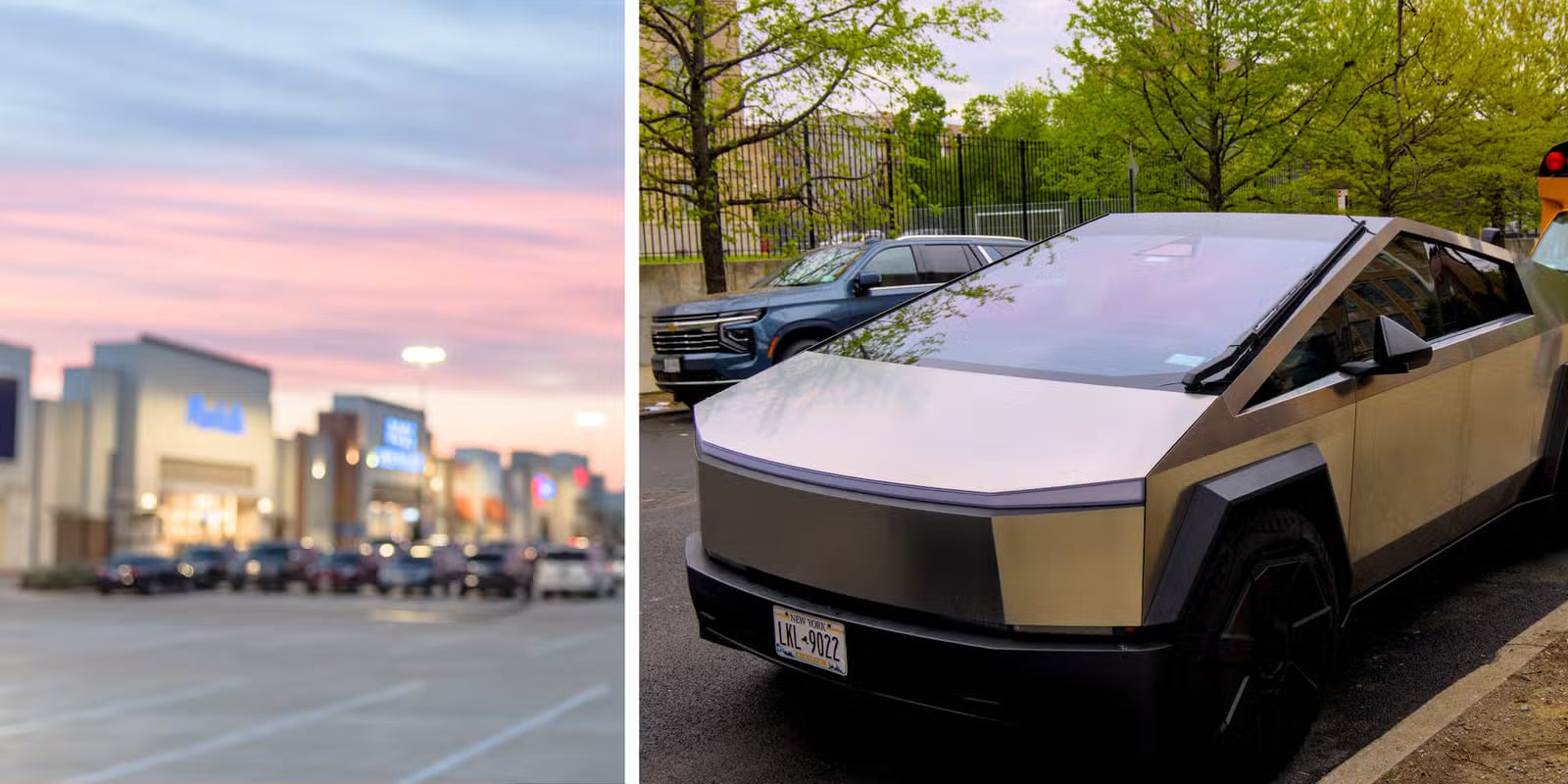
When news broke that Tesla’s highly anticipated Cybertruck is facing a surge of unsold inventory and zoning issues, it raised serious questions about the vehicle’s future in the market. The Cybertruck, which was initially lauded for its bold design and futuristic features, has now encountered two major hurdles: unsold units and regulatory challenges tied to its unconventional design.
This news comes as a shock to many who expected the Cybertruck to become an immediate success. However, the road to success for this electric truck appears to be more complicated than anticipated. The combination of an overstocked inventory and local zoning restrictions could impact Tesla’s ability to reach the mass market and capitalize on its much-hyped electric truck. What follows is an in-depth look at these challenges and what Tesla needs to do to overcome them and secure the Cybertruck’s place in the automotive market.
Table of Contents
- The Unsold Inventory Problem: Why Cybertruck Sales Are Slower Than Expected
- Zoning Backlash: Local Governments Push Back on Cybertruck’s Design
- The Impact of Zoning Challenges on Tesla’s Expansion
- What Tesla Can Do to Overcome the Hurdles
- What the Cybertruck Represents for Tesla’s Future
- Conclusion: Tesla’s Path Forward
The Unsold Inventory Problem: Why Cybertruck Sales Are Slower Than Expected
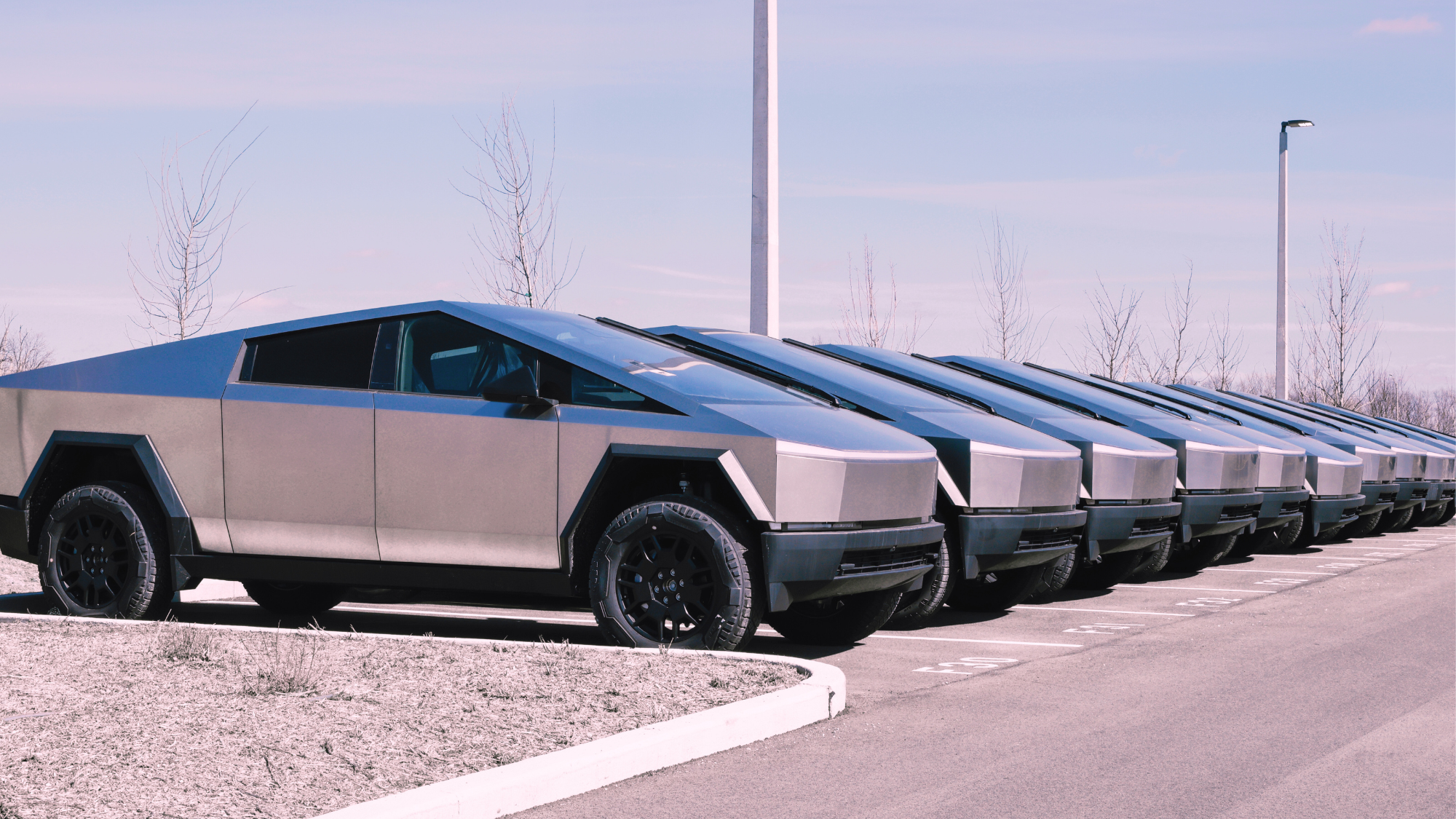
The Cybertruck was first unveiled by Elon Musk in late 2019, and since then, Tesla has received millions of pre-orders. With its striking, angular design and promises of powerful performance, many believed the Cybertruck would revolutionize the electric vehicle (EV) market. However, the reality has been less impressive. Despite the high volume of pre-orders, a large portion of the Cybertruck inventory remains unsold.
Several factors contribute to this slower-than-expected sales pace. First and foremost, the Cybertruck’s bold design, which is often described as divisive, may not appeal to traditional truck buyers who are more accustomed to conventional pickup truck styles. Its sharp edges, angular lines, and raw, industrial look have left some potential customers hesitant about its aesthetics. The design, which was initially lauded for its uniqueness, may now be a hindrance to mass-market adoption.
Another contributing factor is the ongoing global chip shortage, which has affected the production timelines of many automakers, including Tesla. While the company has shown resilience in overcoming supply chain disruptions in the past, the prolonged delays in Cybertruck production have led to frustration among customers who have already placed orders. This has also allowed competitors in the electric truck market, like the Ford F-150 Lightning, to gain a foothold while Tesla has struggled to meet demand.
Zoning Backlash: Local Governments Push Back on Cybertruck’s Design
While the unsold inventory problem is significant, Tesla’s Cybertruck is also facing a growing backlash from local zoning authorities. The vehicle’s distinctive design, which includes sharp angles and oversized dimensions, is clashing with local building and zoning regulations in certain areas, particularly for parking or driving in urban environments.
Many cities and municipalities have zoning codes that limit the size, shape, and even the material of vehicles allowed to operate within city limits. The Cybertruck’s unconventional design has raised concerns that it may not fit into these regulations, especially in dense, urban environments. These zoning conflicts have led to delays in the vehicle’s release in certain markets, as Tesla works to navigate the legal and regulatory landscape.
The zoning issue is especially important for Tesla, as the Cybertruck is marketed as a vehicle for both urban and rural use. In cities, where parking spaces are limited, and large vehicles are often restricted, the Cybertruck’s size could become a major deterrent for potential buyers. Additionally, some cities have begun to push for regulations that specifically target oversized or unconventional vehicles like the Cybertruck, further complicating Tesla’s efforts to launch the truck in urban areas.
The Impact of Zoning Challenges on Tesla’s Expansion

The zoning backlash surrounding the Cybertruck has broader implications for Tesla’s expansion strategy. As Tesla aims to grow its footprint in the electric vehicle market, its ability to introduce the Cybertruck in key urban markets is crucial. If local zoning laws continue to pose a challenge, Tesla may be forced to redesign the vehicle to meet these requirements, which could delay its release even further.
In the long term, this zoning issue could influence Tesla’s plans to expand its EV offerings into new regions. If the Cybertruck becomes an example of how local regulations can hinder the success of new automotive technologies, it may encourage other cities to adopt stricter policies for unconventional vehicles. This could ultimately slow down the adoption of electric vehicles and make it more difficult for automakers to introduce innovative designs.
For Tesla, addressing these zoning concerns is crucial to the Cybertruck’s success. To avoid future complications, the company may need to work closely with local authorities and regulators to find solutions that allow the Cybertruck to be used in urban areas without running afoul of zoning restrictions. This could include designing smaller, more flexible versions of the truck or lobbying for changes to zoning laws that accommodate larger electric vehicles.
What Tesla Can Do to Overcome the Hurdles
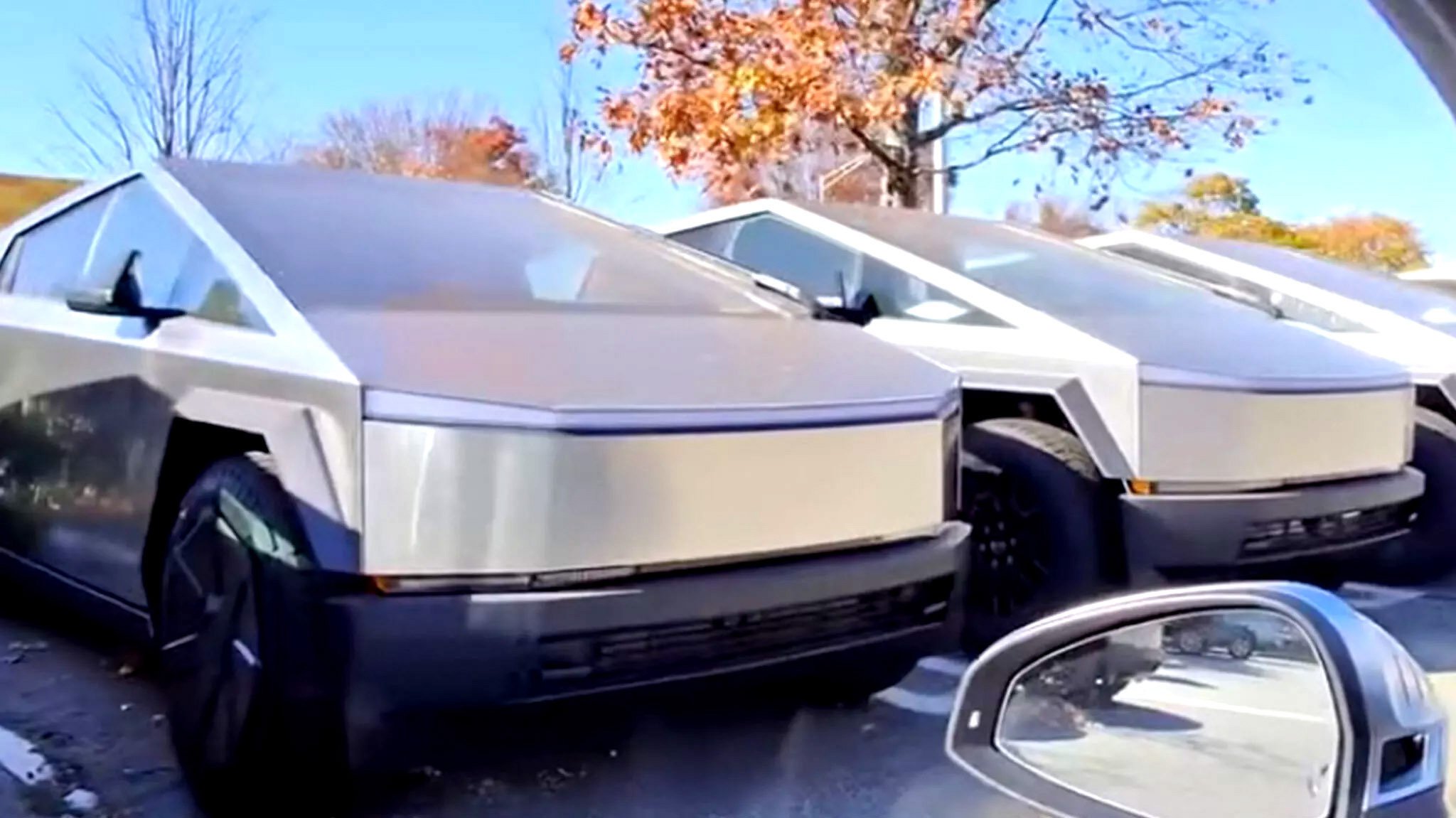
Despite the challenges facing the Cybertruck, there are several strategies Tesla can pursue to overcome these hurdles and improve its chances of success. First and foremost, Tesla needs to focus on addressing the unsold inventory issue by improving production timelines and ramping up manufacturing efficiency. The company has a strong track record of overcoming supply chain issues, and it must continue to push for innovations in production to meet demand.
In addition, Tesla should consider making subtle design adjustments to appeal to a wider audience. While the Cybertruck’s unique design is part of its appeal, it may be worthwhile to create a more streamlined version that appeals to more traditional truck buyers. By offering customization options or alternative designs, Tesla could attract a broader range of customers.
To tackle the zoning issue, Tesla should engage with local governments and urban planners to better understand the regulations that affect the Cybertruck’s use in urban areas. By working proactively with municipalities, Tesla can ensure that the Cybertruck meets the necessary requirements for parking, driving, and operating in cities. This could include designing more compact versions of the truck or developing technologies that allow it to conform to existing zoning regulations.
What the Cybertruck Represents for Tesla’s Future
The Cybertruck is more than just a product for Tesla — it represents the future of the company’s vision for electric vehicles. If successful, the Cybertruck will be a major leap forward in terms of Tesla’s dominance in the electric vehicle market. The truck is expected to have a broad appeal, combining the practicality of a pickup truck with the cutting-edge technology and performance that Tesla is known for.
Moreover, the Cybertruck could play a significant role in the global transition to electric vehicles. With its rugged design, impressive performance, and energy-efficient features, the Cybertruck is poised to disrupt the pickup truck market, traditionally dominated by gas-guzzling vehicles. If Tesla can overcome the production and zoning challenges, the Cybertruck could become a flagship vehicle that accelerates the adoption of electric vehicles across industries, from construction to agriculture.
However, the ongoing issues with inventory and zoning highlight the obstacles Tesla must overcome to achieve this vision. The company needs to address these challenges while maintaining the innovation and creativity that has made it a leader in the EV industry.
Conclusion: Tesla’s Path Forward
The Cybertruck’s unsold inventory and the zoning backlash it faces are not insurmountable challenges, but they do require strategic solutions. Tesla has always been a company that thrives on innovation and overcoming obstacles, and the Cybertruck is no exception. With its bold design, advanced technology, and commitment to sustainability, the Cybertruck has the potential to reshape the automotive industry.
For Tesla to realize the full potential of the Cybertruck, it must address the issues of unsold inventory by improving production processes and addressing the concerns of traditional truck buyers. Additionally, working with local governments to resolve zoning challenges will be essential for the truck’s success in urban areas.
The road ahead for the Cybertruck is not without challenges, but if Tesla can navigate these hurdles, the vehicle could become one of the most iconic electric trucks on the market, paving the way for the future of sustainable transportation.