

When news broke that the NHS in England would be offering a groundbreaking cancer immunotherapy jab to patients, it was hailed as a major advancement in the fight against cancer. Immunotherapy, a treatment that uses the body’s immune system to fight cancer, has already shown promising results in treating various types of cancer. However, the introduction of this new immunotherapy jab brings hope to millions of cancer patients, offering an innovative and potentially life-saving treatment option.
This new jab is poised to revolutionize the way cancer is treated, offering a powerful alternative to traditional treatments like chemotherapy and radiation. As this new therapy becomes more widely available, it has the potential to improve outcomes for many patients and transform cancer care in the UK. In this article, we explore how this immunotherapy works, what makes it so groundbreaking, and why its availability on the NHS marks a turning point in cancer treatment.
Table of Contents
What is Cancer Immunotherapy?
Cancer immunotherapy is an innovative treatment that harnesses the body’s immune system to target and destroy cancer cells. Unlike traditional treatments, such as chemotherapy or radiation, which directly target cancer cells, immunotherapy works by stimulating the immune system to recognize and attack cancer cells as though they were foreign invaders.
This treatment has been a major breakthrough in the fight against cancer because it offers a more targeted approach to treatment, with fewer side effects compared to traditional methods. Immunotherapy can work in different ways: some drugs boost the immune system’s ability to fight cancer, while others help prevent the cancer cells from evading detection by the immune system.
The new jab offered by the NHS is part of this rapidly advancing field and provides a new tool in the treatment of certain cancers, offering new hope for patients who may not have responded to other treatments.
The New Cancer Immunotherapy Jab: How It Works

The new immunotherapy jab introduced by the NHS in England uses a novel approach to enhance the body’s immune response against cancer cells. The jab works by targeting a specific pathway in the immune system, essentially helping the immune cells recognize and destroy cancer cells more efficiently.
One of the key components of this therapy is its ability to target checkpoint inhibitors. These inhibitors are molecules that normally help regulate the immune system and prevent it from attacking normal cells. However, many cancer cells have developed mechanisms to exploit these inhibitors, allowing them to evade detection by the immune system. The new jab works by blocking these checkpoint inhibitors, making it easier for the immune system to attack and destroy cancer cells.
While this therapy may not work for all types of cancer, early trials have shown that it can be highly effective in treating certain cancers, such as melanoma, lung cancer, and kidney cancer. In clinical studies, patients who received this treatment showed significant improvement, with some experiencing long-lasting remission.
Why This Jab Matters for Cancer Patients
The availability of this cancer immunotherapy jab on the NHS is a game-changer for patients in the UK. It provides an additional treatment option for those who may have exhausted other therapies or who are unable to tolerate the side effects of traditional cancer treatments.
One of the main benefits of immunotherapy is that it often has fewer side effects than chemotherapy and radiation. While these traditional treatments work by targeting all rapidly dividing cells, immunotherapy specifically targets cancer cells, which can reduce the damage to healthy cells and minimize unwanted side effects. This means that patients who receive immunotherapy may experience less nausea, hair loss, and fatigue, which are common side effects of chemotherapy and radiation.
Additionally, immunotherapy has the potential to provide long-lasting benefits. While traditional treatments may offer temporary relief, immunotherapy can sometimes lead to durable remissions, allowing patients to live cancer-free for extended periods of time. This is particularly encouraging for patients with advanced-stage cancer who may not have many treatment options left.
The NHS’s Role in Making Immunotherapy Accessible
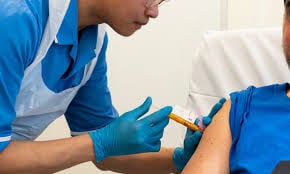
The decision to offer the cancer immunotherapy jab through the NHS is a major step towards making this breakthrough treatment more accessible to the general public. The NHS is one of the largest healthcare systems in the world, and by making immunotherapy available to patients in England, it is ensuring that more people have access to cutting-edge cancer treatments.
Previously, many patients had to travel abroad or pay out of pocket for access to immunotherapy. However, the NHS’s decision to offer this treatment as part of its healthcare system helps level the playing field, giving more people a chance at survival without the burden of financial stress.
This decision is also a reflection of the NHS’s commitment to providing the best possible care to its patients. As more effective treatments for cancer become available, the NHS is evolving to include the latest breakthroughs, offering patients the opportunity to benefit from the most advanced therapies on the market.
The Impact on Cancer Treatment in the UK
The introduction of this immunotherapy jab represents a significant shift in the way cancer is treated in the UK. For many years, the standard treatment for cancer has been surgery, chemotherapy, and radiation. While these treatments have been effective for many patients, they also come with serious side effects and limitations.
The advent of immunotherapy provides an alternative that could change the landscape of cancer care. By targeting the body’s own immune system, immunotherapy offers a more personalized and potentially less harmful approach to cancer treatment. It represents a move away from one-size-fits-all solutions and opens the door to more individualized treatments based on the unique characteristics of each patient’s cancer.
As more patients receive this treatment and clinical data continues to emerge, we may see further improvements in immunotherapy, leading to even more effective therapies for a wider range of cancers. This could lead to higher survival rates and a better quality of life for cancer patients.
The Future of Cancer Immunotherapy

The future of cancer treatment looks increasingly promising, thanks to advancements in immunotherapy. With the introduction of the new jab on the NHS, patients in England now have access to one of the most promising cancer treatments available today. But this is just the beginning. As research continues, scientists are working on developing even more advanced immunotherapies that could target a broader range of cancers with greater precision and fewer side effects.
In the future, we may see immunotherapy combined with other treatments, such as targeted therapies or gene therapy, to create even more powerful treatment regimens. The potential for these therapies to work in tandem with each other is vast, and the goal is to create treatment plans that are highly personalized and tailored to the individual needs of each patient.
Furthermore, as the NHS continues to adopt new treatments and make them accessible to patients, it will likely continue to play a key role in the global fight against cancer. By incorporating the latest advancements in medical technology, the NHS is setting a precedent for healthcare systems worldwide.
Conclusion: A New Era of Cancer Treatment
The availability of the cancer immunotherapy jab through the NHS is a major milestone in the fight against cancer. This breakthrough treatment provides new hope for patients who previously had limited options, offering a safer, more effective way to combat the disease. While challenges remain, such as expanding access and ensuring the long-term effectiveness of immunotherapy, this new treatment represents a major step forward in cancer care.
As immunotherapy continues to evolve, we can expect even more groundbreaking developments that will help save lives and improve the quality of life for cancer patients worldwide. The NHS’s commitment to offering this treatment ensures that more people will have access to the latest innovations in cancer care, setting the stage for a future where cancer is more treatable and, ultimately, preventable.