

Table of Contents
- It Started With a Sting — and Ended With a Warning
- A Species That Should Never Have Made It This Far
- How Did They Get Here? The Answer Is Both Simple and Terrifying
- The Silent Spread: New Colonies Found in Unexpected Places
- This Isn’t Just an Ecological Crisis — It’s a Financial One
- Why Scientists See This as a ‘Doom Loop’
- The Human Danger: These Ants Are Not Like Normal Ants
- Tourism and Travel: A New Concern for Europe’s Most Popular Destinations
- Climate Change: The Hidden Catalyst Behind the Ant Army
- Could This Become the Largest Invasive Crisis Europe Has Ever Faced?
- The Homeowner’s Nightmare: What Happens When They Reach Cities
- The One Question No One Wants to Ask: Can Europe Still Stop This?
- If You Lived in an Infected Area — What Would You Do?
- Europe’s Future Hinges on These Tiny Creatures
- Final Reflection: What Happens When Tiny Invaders Rewrite an Entire Continent?
It Started With a Sting — and Ended With a Warning
It began with a sting so sharp it felt like fire. A man in Sicily thought it was a mosquito bite, until the burning spread up his arm. By the time doctors confirmed what had attacked him, scientists were already panicking.
Europe had been invaded.
Not by an army.
Not by a virus.
But by Solenopsis invicta — the red imported fire ant, one of the world’s most destructive species.
These ants don’t just bite.
They swarm, overwhelm, and conquer.
And, as scientists quickly realized, they were no longer limited to isolated ports or accidental shipments. They were breeding, multiplying, and spreading — rapidly.
This wasn’t just a nuisance.
It was an uprising.
A Species That Should Never Have Made It This Far
Red fire ants are among the most feared invasive insects on the planet. Originating from South America, they’ve already overtaken the southern United States, parts of China, Australia, and Caribbean islands.
They burn crops.
They destroy ecosystems.
They damage electrical systems and homes.
They inflict painful stings — sometimes fatal.
For decades, experts warned Europe was at risk.
But no one expected the moment of invasion to arrive so suddenly.
Then the reports began.
Sicily.
Then Calabria.
Then Spain.
And like sparks catching dry grass, the fire ants multiplied.
How Did They Get Here? The Answer Is Both Simple and Terrifying
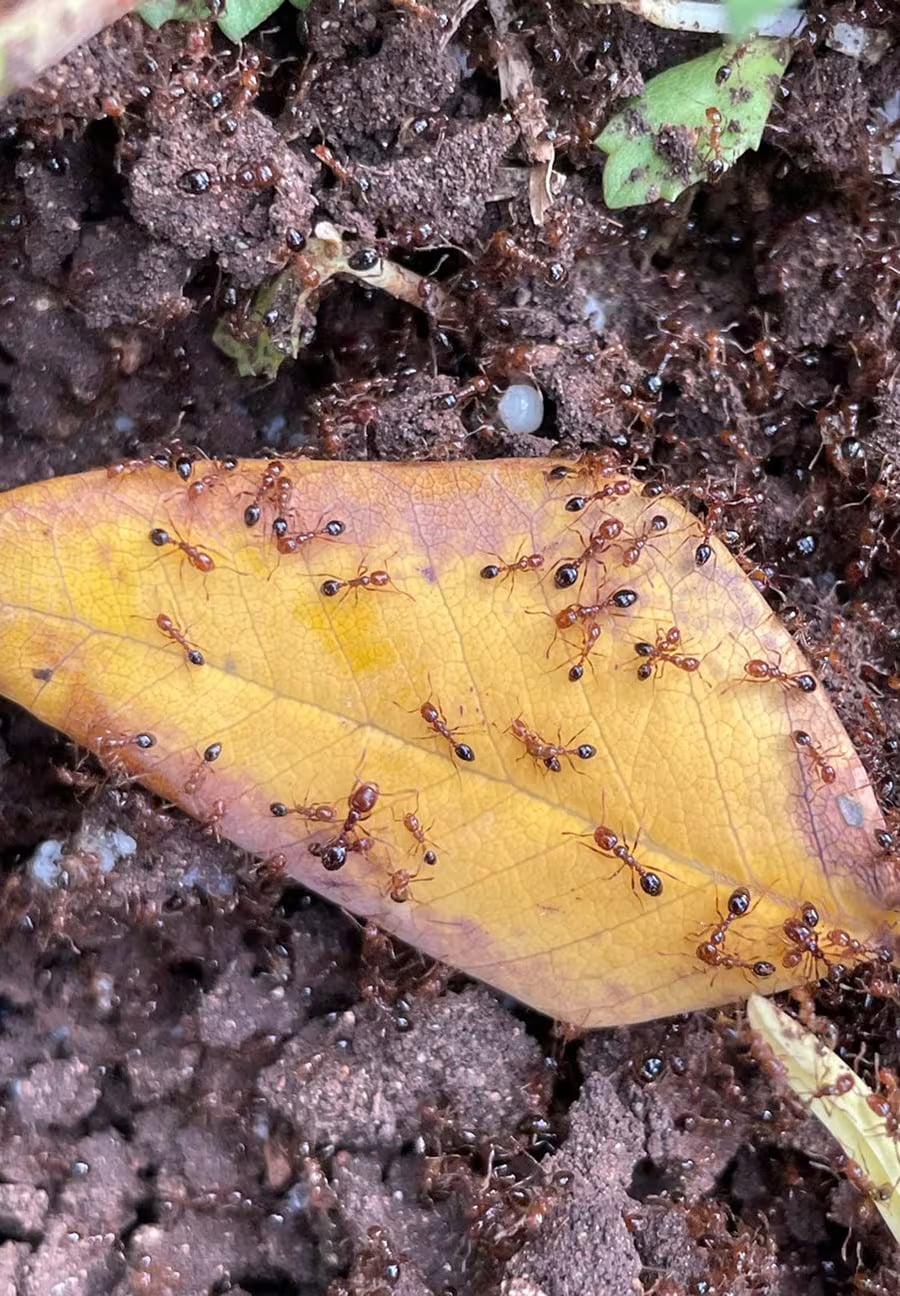
Scientists believe the ants arrived the same way many invasive species do:
- Cargo ships
- Imported plants
- Soil in shipping containers
- Global trade routes
- Climate-warmed ports
European climates — once too cold for these ants — have shifted.
Warmer temperatures created the perfect breeding ground.
What was impossible a generation ago is now inevitable.
Europe is becoming a home for species that once died instantly in the cold.
If climate change opened the door…
Fire ants marched right through it.
The Silent Spread: New Colonies Found in Unexpected Places
Fire ants don’t expand gradually.
They explode.
A single queen can create a colony of hundreds of thousands.
A colony can produce hundreds of new queens.
Queens can fly nearly a mile on their maiden mating flight.
Wind can carry them even farther.
And colonies don’t spread one by one.
They leapfrog.
They establish satellite colonies.
They hide in lawns, orchards, gardens, parking lots, ports, farms, and construction sites.
They flourish in places humans least expect.
Which leads to a disturbing realization:
Europe may be discovering only a fraction of the colonies already present.
This Isn’t Just an Ecological Crisis — It’s a Financial One
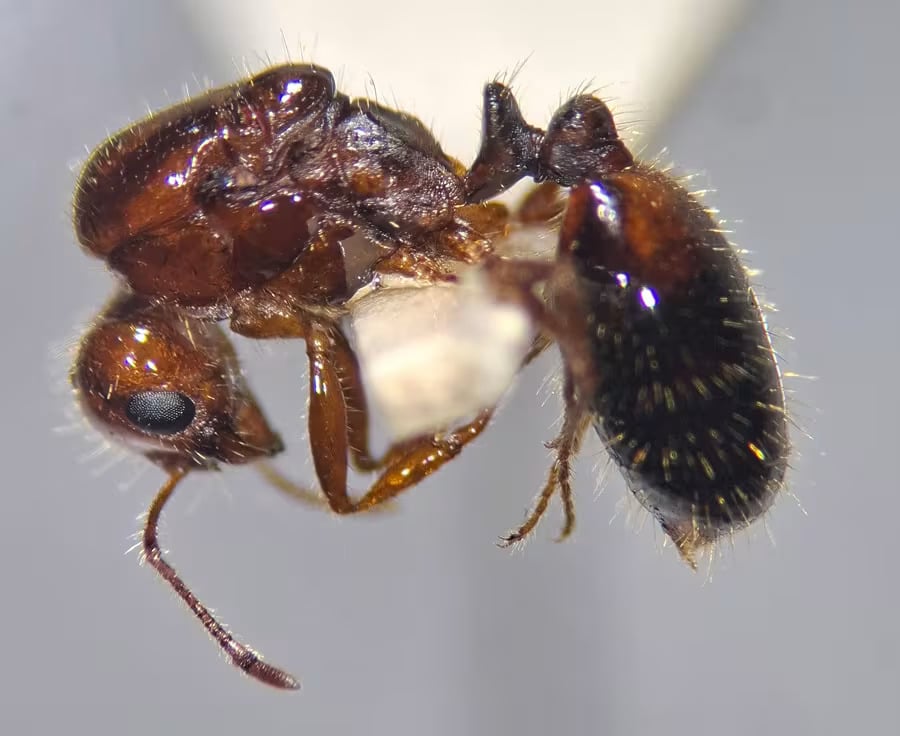
Red imported fire ants cause over $6 billion in damage every year in the United States alone.
Europe’s financial exposure is staggering:
• Agriculture at risk
Fire ants destroy:
- Citrus crops
- Vineyards
- Olive orchards
- Livestock pastures
- Food storage sites
They swarm farm equipment, damage machinery, and kill small animals.
• Home improvement & property damage
The ants chew through:
- Electrical insulation
- Air conditioning units
- Traffic lights
- Home wiring
- Solar panel components
A single colony can ruin a home’s electrical system — a repair that often costs thousands.
• Healthcare costs
Millions may be vulnerable to painful stings, allergic reactions, anaphylaxis, and infections.
• Transportation disruption
In the U.S., fire ants have shut down airports, damaged runways, and overwhelmed seaports.
Europe now faces the same threat.
Imagine road closures, stalled trains, compromised power grids — all caused by insects smaller than a grain of rice.
It sounds impossible.
It isn’t.
Why Scientists See This as a ‘Doom Loop’

Fire ants don’t just invade ecosystems.
They transform them.
Wherever they go, biodiversity collapses.
Native insects disappear.
Ground-nesting birds vanish.
Small reptiles die.
Local ant species go extinct.
And once fire ants dominate, they change soil structure — making it harder for native plants to grow.
This is why biologists say:
“A fire ant invasion doesn’t just change the environment — it replaces it.”
And that raises a terrifying question:
If Europe loses key insects, plants, and soil stability…
What happens to its forests, farms, and food supply?
The Human Danger: These Ants Are Not Like Normal Ants
Fire ants are aggressive, coordinated attackers.
They respond instantly to vibrations — footsteps, machinery, even lawnmowers.
When they sting, they don’t stop at one.
They swarm.
Each ant:
- attaches with its jaws
- pivots around the wound
- stings repeatedly
- injects venom that causes burning pustules
For vulnerable people — children, the elderly, those with allergies — a swarm attack can be fatal.
Fire ant stings have been linked to:
- severe allergic reactions
- secondary infections
- heart complications
- anaphylaxis
- death
Europe has never experienced anything quite like this.
Until now.
Tourism and Travel: A New Concern for Europe’s Most Popular Destinations
Tourists are rarely prepared for fire ants.
Beaches, picnic areas, walking trails, and parks in affected regions become hazardous.
Even airport landscaping can hide colonies.
If you stepped off a plane in Sicily today and walked across grass barefoot, you might be stepping directly onto an imported South American killer.
For Europe — which relies heavily on tourism — this is dangerous.
Travel disruptions.
Hospital visits.
Negative headlines.
Declines in visitor confidence.
And tourism experts fear the worst:
If fire ants reach Greece, Spain, or France at scale…
European travel patterns could change permanently.
Climate Change: The Hidden Catalyst Behind the Ant Army
This story is not just about ants.
It’s about heat.
Fire ants thrive in warm, humid climates.
Southern Europe now resembles parts of South America where the ants evolved.
Warmer summers.
Milder winters.
Longer breeding seasons.
Climate data shows the areas of Europe now suitable for fire ant colonies have tripled in recent decades.
Meaning:
- The invasion is not temporary
- It will grow
- It may be irreversible
Climate scientists warn that this is only the beginning of “invasive heat-loving species” thriving where they never should.
Fire ants are simply the first wave.
Could This Become the Largest Invasive Crisis Europe Has Ever Faced?
Experts already say yes.
Because fire ants combine everything that makes an invasion devastating:
- Rapid reproduction
- Aggressive behavior
- Environmental destruction
- Human safety risks
- Financial loss
- Adaptation to warming climates
- Ability to spread through trade routes
One scientist put it bluntly:
“This could become Europe’s most expensive and destructive invasive species event in history.”
And Europe is not prepared — not even close.
The Homeowner’s Nightmare: What Happens When They Reach Cities
In the U.S., fire ants are everywhere:
Parks.
Playgrounds.
Gardens.
Sidewalk edges.
Schoolyards.
Apartment complexes.
Electrical boxes.
Foundations.
Europe’s dense cities are ideal for fire ants.
Urban landscaping? Perfect.
Construction sites? Perfect.
Moist soil near pipes? Perfect.
Electrical systems? Their favorite.
And once they infest a neighborhood, getting rid of them becomes a long, costly battle.
Homeowners may face:
- Repeated extermination costs
- Damage to wiring
- Destroyed lawns
- Unsafe outdoor areas for children
- Medical expenses from stings
- Lower property values
Imagine buying your dream villa in Spain —
only to find fire ants built a supercolony beneath it.
The One Question No One Wants to Ask: Can Europe Still Stop This?
The official answer is: maybe.
But the real answer?
It depends on how fast Europe acts.
Scientists say Europe must:
- launch continent-wide monitoring
- introduce coordinated eradication programs
- restrict plant and soil imports
- create public awareness campaigns
- train pest control specialists
- invest in environmental restoration
- track climate-driven expansion zones
Time is running out.
The longer Europe waits, the more unstoppable the ants become.
If You Lived in an Infected Area — What Would You Do?
This is where the story becomes personal.
Imagine:
- Waking up to find your yard boiling with ants
- Your children getting stung
- Your pets limping from bites
- Your electrical system failing
- Your harvest ruined
- Your home value dropping
Would you move?
Would you wait for government action?
Would you invest in expensive pest control systems?
These are not hypothetical questions for millions living in Sicily and southern Spain.
It is their reality, today.
Europe’s Future Hinges on These Tiny Creatures
The fire ant invasion is more than a science story.
It’s a story about:
- Globalization
- Climate change
- Agriculture
- Public health
- Homeownership
- Travel
- Ecosystem collapse
- Government response
- Personal safety
When one species arrives at the wrong place at the wrong time, entire societies feel the consequences.
And Europe now stands at the beginning of a battle it never wanted — yet must fight.
Because if the fire ants spread northward, they could reshape everything:
- Where crops grow
- How homes are built
- Where tourists travel
- How cities manage pests
- How people use outdoor spaces
- How governments spend environmental budgets
This isn’t an insect problem.
It’s a future problem.
Final Reflection: What Happens When Tiny Invaders Rewrite an Entire Continent?
The arrival of the red imported fire ant in Europe is a moment historians may look back on as a turning point —
the moment when one of the world’s most powerful continents learned a brutal truth:
Climate change doesn’t just warm the planet.
It moves armies.
Ant armies.
These ants were already swarming southern Europe when scientists sounded the alarm.
Now the question is:
Will Europe act fast enough to stop them?
Or will future generations grow up in a continent where fire ant mounds, not wildflowers, dominate the landscape?
The invasion has begun.
The outcome depends on what Europe does next.