

Table of Contents
- Your Dog’s Heart Races for You—Literally
- The Experiment That Melted Hearts
- What This Means for Dog Lovers Everywhere
- Love That Speaks Their Language
- A Two-Way Connection
- Dogs as Emotional Mirrors
- The Science of Canine Love
- From Wolves to Family
- The Psychology of “I Love You”
- What Happens When You Don’t Show Affection
- Why This Study Matters More Than It Seems
- How to Strengthen Your Bond With Your Dog
- The Heartbeat of Love
Your Dog’s Heart Races for You—Literally
Every dog owner believes their pet loves them back. But now, science says the feeling is measurable—right down to their heartbeat.
A recent study found that when you tell your dog “I love you,” their heart rate spikes by 46%. That’s not metaphorical—it’s physiological.
Your words don’t just comfort them. They excite them. They move them. And they prove that love, even between species, has a heartbeat.
The Experiment That Melted Hearts
The study, conducted by Canine Cottages in the UK, used heart rate monitors to track dogs’ emotional responses during different interactions with their owners.
Each dog wore a special device that measured their resting heart rate, which averaged 67 beats per minute.
Then, when their owners said those three words—“I love you”—their heart rates skyrocketed to 98 beats per minute.
That’s a 46% increase.
And when owners cuddled their dogs? Their heart rates dropped to 52 beats per minute—a clear sign of calm, comfort, and safety.
In short: dogs get excited when they hear love, and they feel at peace when they’re held.
What This Means for Dog Lovers Everywhere
We always knew dogs were emotionally intelligent. But now, we know their bodies react in ways that mirror ours.
Think about it: when someone you love tells you they care, your pulse quickens. Your chest feels lighter. Your breathing changes.
Dogs feel that too.
The study confirms that dogs not only understand affection—they physically respond to it.
That wagging tail? It’s backed by biology.
Love That Speaks Their Language

Humans communicate love with words. Dogs do it through body language, eye contact, and touch.
When you tell your dog “I love you,” they might not grasp every syllable—but they understand the tone, the warmth, the energy behind it.
Dr. Stanley Coren, a canine psychologist and author of The Intelligence of Dogs, explains:
“Dogs are experts at reading human emotion. They don’t need words to know what you feel.”
That’s why your voice matters more than vocabulary.
So the next time you say it, don’t just whisper—say it like you mean it. Because your dog is listening, feeling, and loving you back.
A Two-Way Connection
The study didn’t just measure the dogs’ reactions—it also looked at their owners.
Turns out, human heart rates dropped by an average of 10% when cuddling their pets.
That means loving your dog doesn’t just make them feel better—it actually makes you healthier.
Research shows that petting a dog for even 10 minutes can:
- Lower blood pressure
- Reduce cortisol (stress hormone) levels
- Increase serotonin and oxytocin (happiness chemicals)
It’s the science of love—reciprocal, healing, and real.
Dogs as Emotional Mirrors
Here’s something even more fascinating: dogs often mirror their owners’ emotional states.
When you’re anxious, they become restless. When you’re calm, they settle beside you.
This emotional synchronization has been observed in multiple studies. A 2019 report from the University of Linköping in Sweden found that dogs’ long-term stress levels align closely with those of their owners.
In other words, your mental health affects theirs.
That’s why showing affection—verbally and physically—isn’t just kind. It’s vital.
You’re shaping their emotional world with every look, touch, and word.
The Science of Canine Love
Biologically, dogs experience love through the release of oxytocin, the same “bonding hormone” found in humans.
When a dog locks eyes with its owner or hears a soothing tone, oxytocin floods their brain.
It’s the same chemical mothers release when holding their babies—and it deepens attachment and trust.
So, yes, when you say “I love you,” you’re not anthropomorphizing your pet. You’re triggering real, measurable emotion.
Your dog feels love, not just instinctual loyalty.
From Wolves to Family
Thousands of years ago, wolves began living near human campsites. They shared warmth, food, and—eventually—trust.
Over generations, that trust evolved into something deeper: a cross-species emotional bond unique in nature.
Today, dogs have become so attuned to human emotion that they can detect sadness, illness, and even subtle shifts in mood.
So when your dog tilts its head after you speak, it’s not confusion—it’s empathy.
The connection you share is the result of millennia of evolution built on love, survival, and communication.
The Psychology of “I Love You”
Behavioral experts say dogs process tone and emotion first, words second.
That’s why your delivery is everything. When you say “I love you” with warmth, your dog recognizes the sincerity through your pitch and energy.
In contrast, harsh or loud tones—no matter the words—activate their amygdala, the brain’s fear center.
So, in simple terms: your dog doesn’t just hear what you say—they feel how you say it.
Every “good boy,” every “who’s a sweet girl,” every whispered “I love you” reinforces their sense of belonging.
What Happens When You Don’t Show Affection
Dogs who lack emotional interaction can develop anxiety, depression, and even behavioral issues.
According to the American Kennel Club, neglecting verbal or physical affection can lead to symptoms like:
- Excessive licking or chewing
- Loss of appetite
- Withdrawal or aggression
- Sleep disturbances
Love, in this sense, is medicine. It keeps their emotional world stable and their bodies healthy.
And the best part? It’s free, limitless, and available anytime you look into their eyes.
Why This Study Matters More Than It Seems
In a fast-paced, digital world, it’s easy to forget how much our pets depend on us—not just for food or walks, but for connection.
This research reminds us that the simplest acts—a smile, a cuddle, or three little words—carry profound impact.
It’s not about spoiling your dog. It’s about recognizing them as emotional beings capable of love, joy, and trust.
If love can raise a dog’s heart rate, imagine what consistency, patience, and care can do.
How to Strengthen Your Bond With Your Dog
Want to take your connection even deeper? Try these science-backed habits:
- Speak to them daily. Your tone builds familiarity and comfort.
- Maintain eye contact. It releases oxytocin for both of you.
- Touch them often. Gentle petting lowers stress and strengthens trust.
- Be present. Put down your phone during walks or playtime.
- Praise and reward. Positive reinforcement builds emotional resilience.
Because every moment you spend showing love teaches your dog that the world—and their human—is a safe, happy place.
The Heartbeat of Love
So the next time you come home and your dog greets you like you’ve been gone for years, remember—there’s science behind that joy.
Their heart literally races for you.
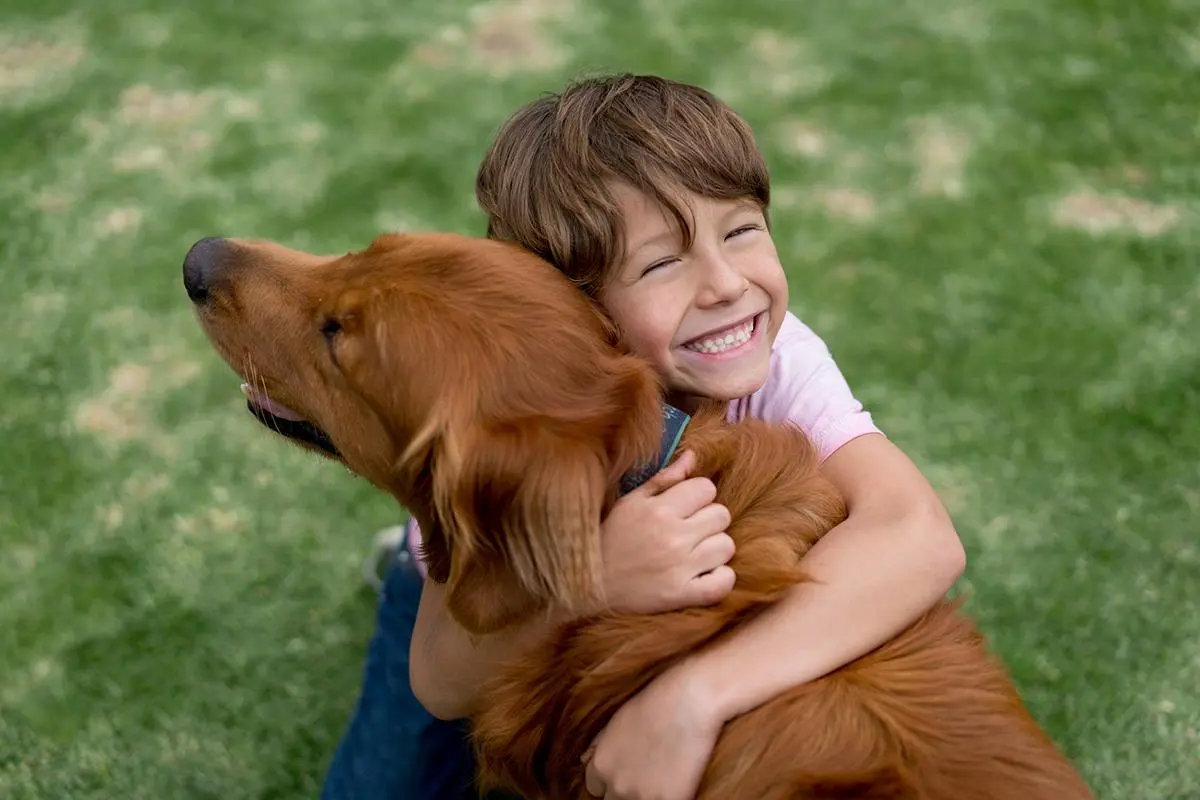
And when you kneel down, whisper “I love you,” and feel their body relax against yours, you’re not just comforting them.
You’re creating a heartbeat connection that even science can’t fully explain—one built on trust, emotion, and the kind of love that needs no translation.