
Table of Contents
- Unusual Absence Triggers Social Media Buzz
- Patterns and Observations
- Medical Visits and Health Speculation
- Official Statements and Health Reports
- Public Reactions and Speculative Theories
- Timing and Context Considerations
- Media and Political Implications
- Psychological and Social Considerations
- Next Appearances and Public Engagement
- Reflections on Speculation and Public Curiosity
Unusual Absence Triggers Social Media Buzz
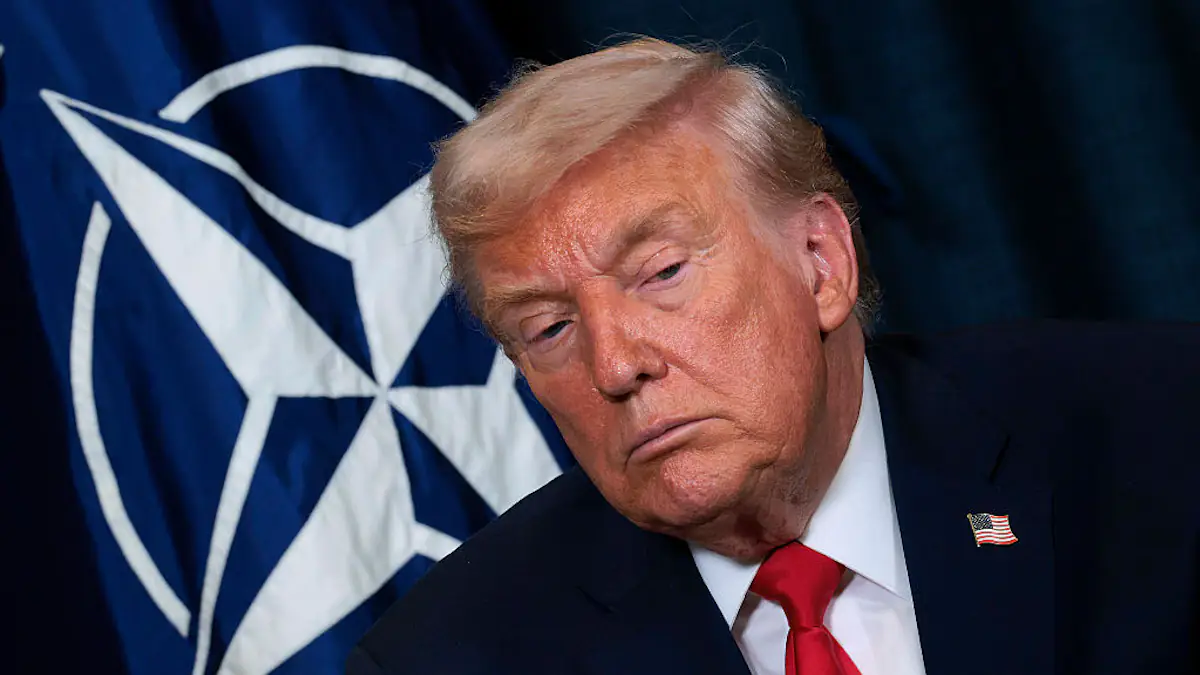
Trump has not been seen in person since attending a Cabinet meeting on May 27. Although a pre-recorded interview surfaced following that event, many social media users were quick to notice the lack of live appearances. This absence, particularly striking given Trump’s historically high visibility in both political and media arenas, prompted widespread discussion across platforms, including X, Facebook, and Instagram.
The hashtag #TrumpDead quickly began trending online, with users posting everything from humorous speculation to serious concerns about his health. While the term itself is provocative, it reflects the level of attention and curiosity surrounding the former president’s whereabouts. Many users noted that the timing coincided with the first day of the month, suggesting a recurring pattern in Trump’s public schedule.
Patterns and Observations
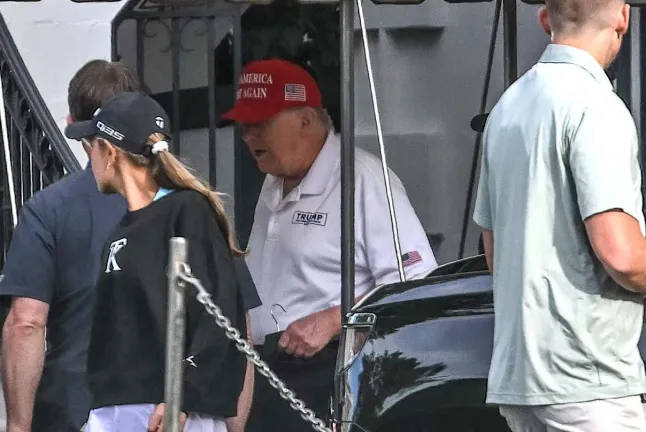
Observers and social media users highlighted that Trump’s absence occurs in a context where he typically maintains a nearly daily presence in the media. Journalist Aaron Rupar, for instance, pointed out that Trump had not appeared publicly for nearly a week, noting that this pattern had sparked speculation among political watchers. Some users claimed they had observed a recurring schedule where the president becomes less visible at the start of each month.
One user commented, “Call me old-fashioned, but I think it should be a bigger story that we haven’t seen the President on live TV in nearly a week. This happens at the beginning of every single month.” Others echoed the sentiment, noting that the absence, particularly for a leader so accustomed to public engagement, seemed unusual and worthy of attention.
Medical Visits and Health Speculation
Interest in Trump’s health intensified after reports emerged that he had spent several hours at Walter Reed National Military Medical Center the day before his May 27 Cabinet meeting. This visit marked his third trip to the medical facility within the past year and occurred shortly before Dr. Mehmet Oz’s announcement during a White House briefing, which discussed health-related topics.
The timing of the medical visit, combined with social media observations of visible bruising on Trump’s hands, fueled additional speculation. Online users suggested that the president’s physical appearance, particularly during past public events, hinted at ongoing medical procedures. One user wrote, “It’s the first of the month, time for his monthly treatments. Expect to see large bruises on his hands and open sores on other parts of his body in the next few days.”
Another social media commentator added, “They are lying to us about Donald Trump’s health.” Others took a more cautious approach, merely noting that a six-day gap between public appearances seemed unusual for a president of any age, especially one known for his highly visible public persona.
Official Statements and Health Reports
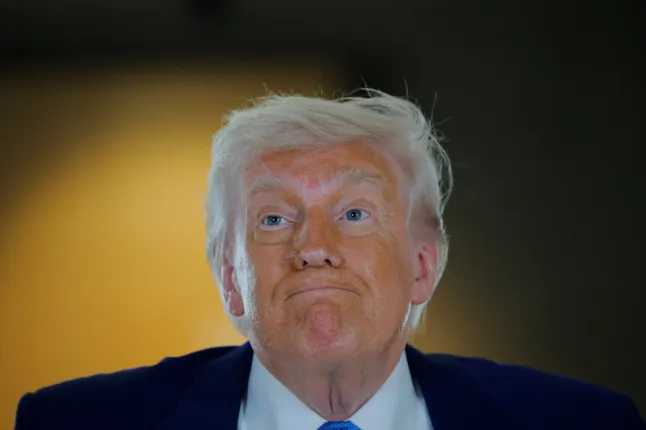
In response to speculation, the White House released details from what it described as Trump’s third official medical assessment since returning to office. The memorandum, authored by US Navy Captain Sean Barbabella, stated that the president “remains in excellent health” and continues to demonstrate “strong cardiac, pulmonary, neurological, and overall physical function.”
Trump himself previously addressed his health in public statements, noting that a six-month medical examination at Walter Reed had found that “everything checked out PERFECTLY.” Despite these reassurances, experts and political commentators remained skeptical, citing the extraordinary nature of the public’s concern. Texas vascular surgeon William Shutze told The Wall Street Journal that the report “seems to be a filtered narrative,” reflecting a pattern of highly curated information surrounding Trump’s health.
Public Reactions and Speculative Theories
The online reaction to Trump’s absence was both immediate and widespread. While some users reacted with humor, others treated the situation with genuine concern. Speculative theories ranged from routine medical treatments to more dramatic scenarios, including kidnapping or undisclosed health crises.
One social media post asked, “Is #TrumpDead? In prison? Kidnapped?” while another straightforwardly questioned, “Is #TrumpDead? Trump dead?” Such discussions highlight the blending of humor, political scrutiny, and genuine concern that characterize modern social media discourse. While no credible evidence supports any serious health concern, the discussions reflect the growing tendency of the public to closely monitor high-profile figures and speculate in real time.
Timing and Context Considerations
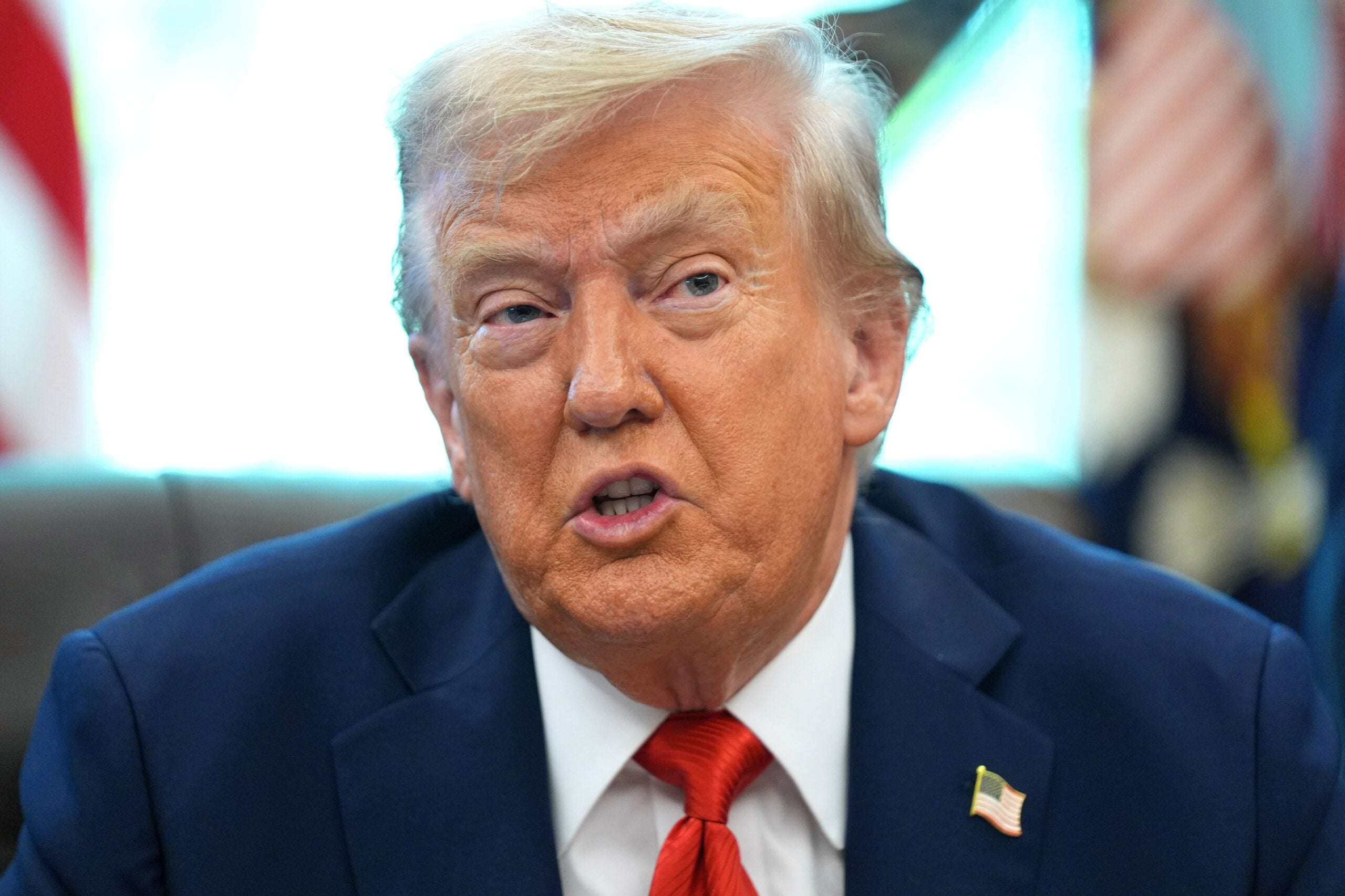
Trump’s absence has also been analyzed in the context of his upcoming 80th birthday. Observers noted that the timing of his disappearance, combined with the start-of-the-month scheduling pattern, could be part of a larger routine. Some commentators argued that any absence for a high-profile individual in his position would naturally attract attention, particularly given the intense scrutiny surrounding Trump’s health over the years.
Reports indicate that Trump’s public schedule often involves controlled media appearances, pre-recorded statements, and limited live engagement. This practice has raised questions among observers, with some suggesting that a less public presence does not necessarily indicate a medical issue but instead reflects strategic planning and media control.
Media and Political Implications
The trending #TrumpDead hashtag also highlights broader implications for media and political narratives. In a world where social media serves as both a news source and a platform for rumor, the rapid spread of speculation underscores the challenges faced by public figures in managing perception.
Journalists and analysts have noted that the hashtag serves as both a reflection of public curiosity and a signal of how quickly misinformation can gain traction. While the topic is sensational, it also reveals the intense focus on presidential health and transparency, particularly for a former president with a high-profile public image.
Psychological and Social Considerations
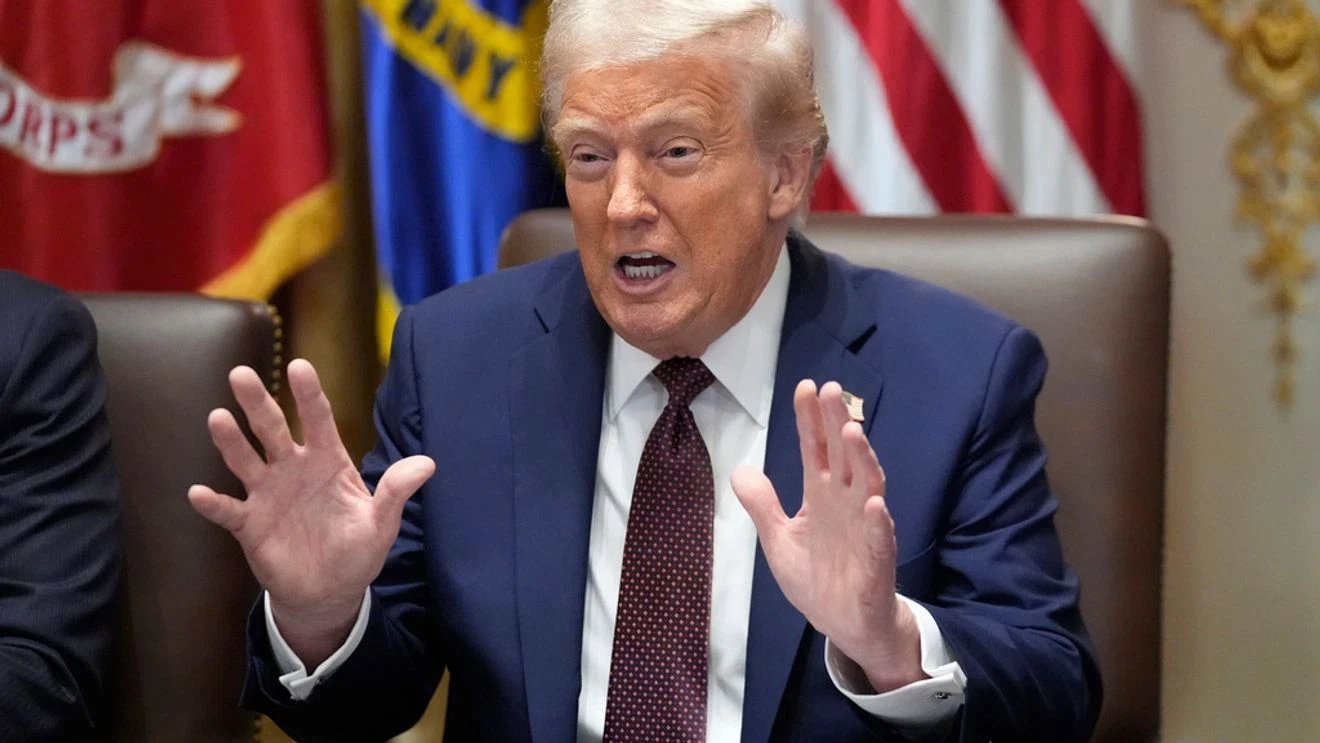
Beyond political implications, the public reaction to Trump’s absence offers insight into the psychological and social dimensions of celebrity and leadership. The blend of humor, fear, curiosity, and suspicion that characterizes online discussions indicates how closely the public monitors leaders’ personal health and routines.
The situation also demonstrates the influence of pattern recognition in public perception. Users who noticed timing correlations, such as first-of-the-month absences, felt empowered to speculate, further fueling viral discussions. Social media platforms amplify these observations, often creating feedback loops where speculation drives engagement, which in turn spreads awareness and concern.
Next Appearances and Public Engagement
As of now, no concrete evidence suggests that Trump is experiencing serious health problems. However, observers and the general public continue to monitor his next public appearance closely. Whether the absence will be attributed to routine medical visits, strategic scheduling, or another reason remains to be seen.
Political analysts emphasize that the situation serves as a reminder of the scrutiny faced by high-profile leaders in the digital age. Every absence, whether brief or extended, can become the subject of viral speculation, impacting public perception and media narratives alike.
Reflections on Speculation and Public Curiosity
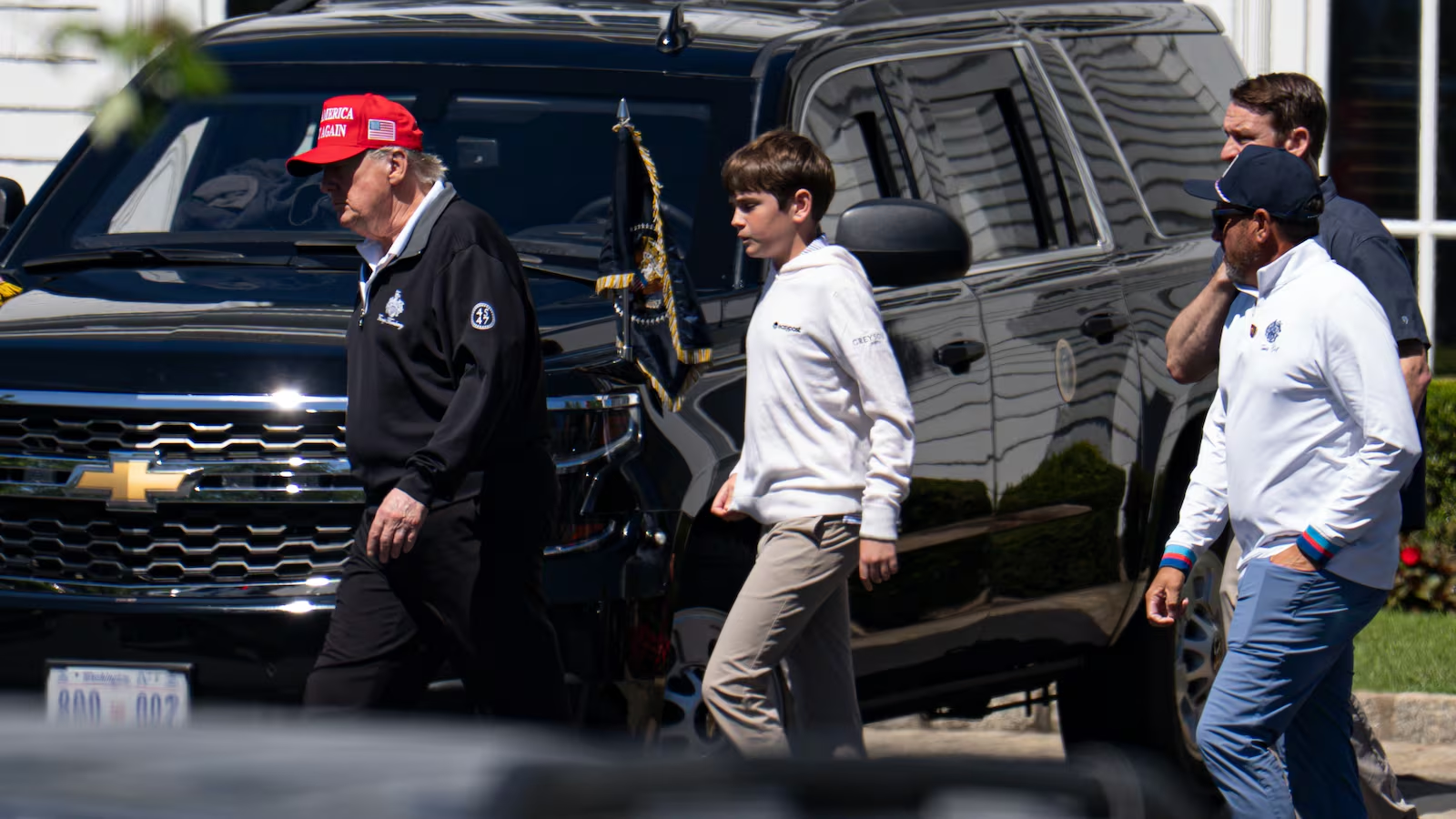
Donald Trump’s week-long absence has captivated social media, prompting the trending hashtag #TrumpDead and sparking debates about presidential health, transparency, and media narratives. While official reports affirm that Trump remains in excellent health, the online conversation reflects a broader trend in contemporary journalism and social media engagement, where speculation often spreads faster than verification.
The phenomenon underscores the challenges public figures face in controlling narratives about personal health while highlighting society’s fascination with transparency and accountability. Whether the absence signals routine medical procedures, strategic scheduling, or another explanation entirely, the situation illustrates the complex interplay between leadership, media, and public perception in the digital era.
For now, the public remains watchful, awaiting Trump’s next appearance and continuing to question, discuss, and speculate. In an age of instant information and viral hashtags, even a single week of absence can become a defining moment in public discourse, shaping narratives long before facts are fully established.