
Table of Contents
- When a Teenager Became the Last Line of Defense
- The Lead-Up: Suspicion and Preparation
- The Confrontation Unfolds
- Discovery at the Scene
- Profiles of the Intruders
- The Outcome: Justice and Legal Proceedings
- The Debate Over Firearms and Minors
- Community Reactions and Public Response
- Implications for Crime Prevention
- Lessons From a High-Stakes Encounter
- Safety, Education, and Policy
- Courage, Responsibility, and Reflection
When a Teenager Became the Last Line of Defense
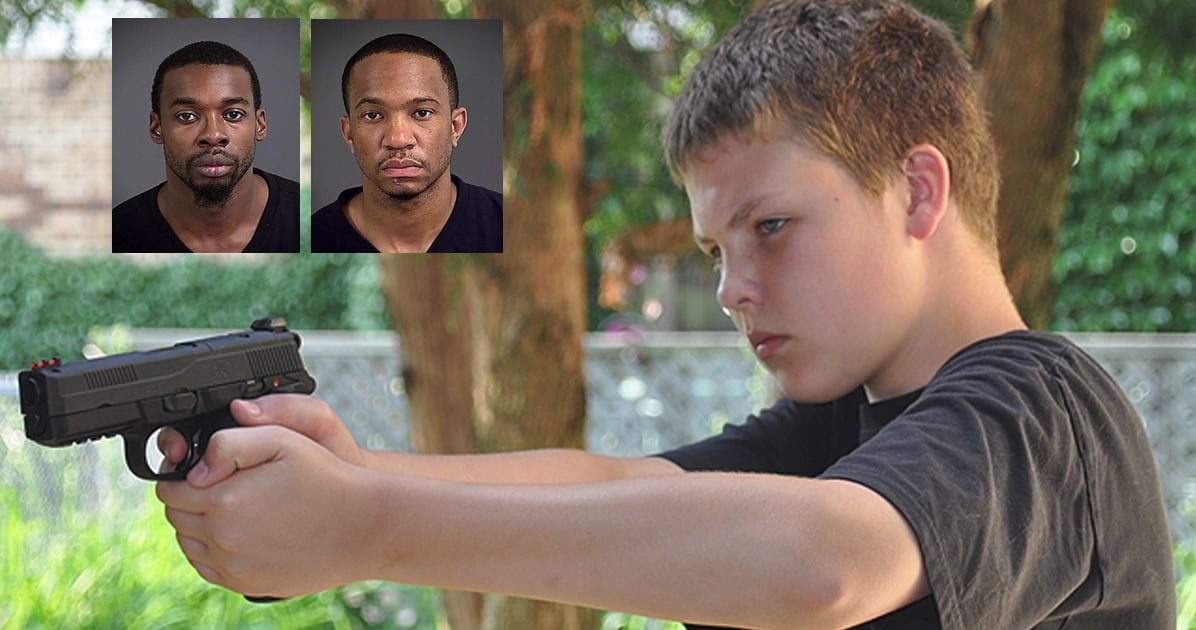
When news broke that a 13-year-old in Ladson, South Carolina, had successfully defended his home from two convicted felons, the world paused to take note. It wasn’t just a dramatic confrontation — it was a story that underscored the perils of violent crime, the role of firearms in self-defense, and the extraordinary courage of a young teen. This incident raises urgent questions about home security, the ethical use of firearms by minors, and the preparation required to protect oneself in unpredictable situations. What follows is an exploration of how a young boy turned into a defender, the sequence of events, and the wider implications for communities across America.
The Lead-Up: Suspicion and Preparation

It was a quiet Tuesday afternoon when the 13-year-old was alone at home. Around 1:30 p.m., he noticed a car parked unusually close to his house. Something about the vehicle raised his suspicions. Rather than ignoring the feeling, he remained alert, scanning the surroundings. Moments later, two men approached the back of the house with intent to break in.
In response, the teenager made a decision that would change the course of the day: he grabbed his mother’s handgun and prepared to defend himself and his home. The combination of caution, situational awareness, and readiness positioned him to confront the intruders with a level of seriousness rare for someone his age.
The Confrontation Unfolds
As the suspects attempted entry, the teen opened fire, striking fear into the would-be intruders. The felons returned fire before fleeing, only to be pursued by the young defender, who continued to discharge his firearm as they retreated in their vehicle.
The quick response and decisive actions prevented what could have been a far more tragic outcome. Authorities later confirmed that the teen remained unharmed throughout the ordeal. He immediately contacted his mother, who guided him to call the police, ensuring the situation was fully documented and controlled.
Discovery at the Scene
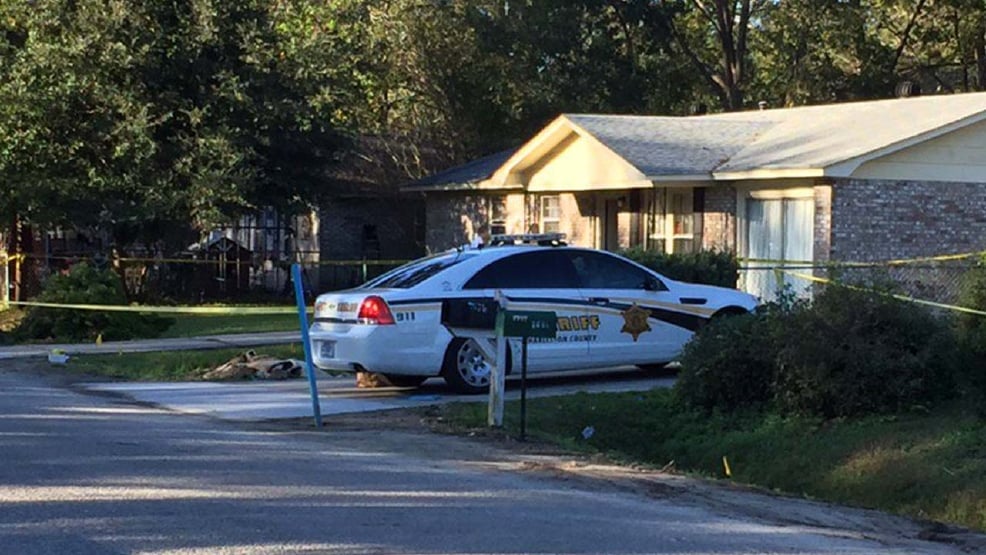
Police investigators scoured the area and recovered a Colt .45 pistol, which they believe belonged to the suspects. This firearm, along with the teenagers’ actions, highlighted the escalating risks of violent crime in certain areas.
The combination of the teen’s defensive preparation and law enforcement intervention prevented the scenario from escalating further, and it brought to light a critical discussion about access to firearms, even in households with minors, and how proper training can prevent catastrophic outcomes.
Profiles of the Intruders
One of the suspects, later identified as Lamar Anthwan Brown, was a 31-year-old with a long criminal record. Brown had six felony convictions, primarily related to drug offenses, as well as charges for unlawful carrying of a weapon, disorderly conduct, and trespassing.
The second suspect, 28-year-old Ira Bennett, also had an extensive criminal history. He had been previously convicted of assault with intent to kill, pointing a firearm, third-degree burglary, and multiple drug-related offenses, including possession and distribution of controlled substances.
The detailed criminal histories of both men revealed a pattern of repeated disregard for the law, which, when combined with their intent to commit burglary, posed a deadly threat to anyone inside the home.
The Outcome: Justice and Legal Proceedings
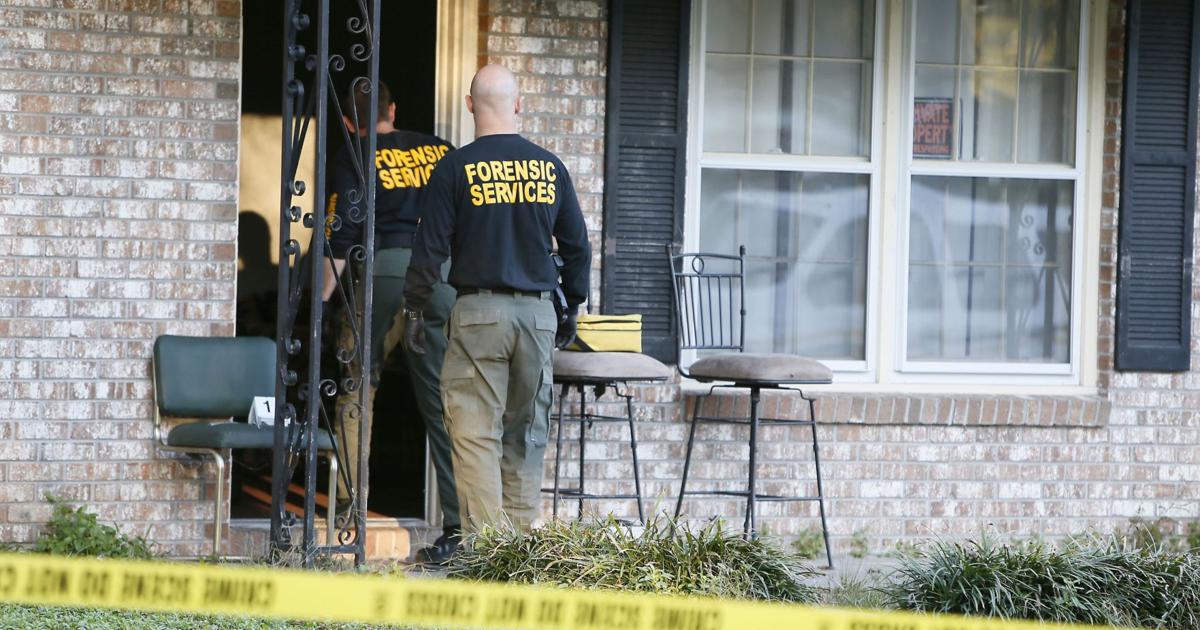
Brown, who was shot three times during the confrontation, was later dropped off outside a nearby emergency room and died shortly after arrival. Bennett, on the other hand, turned himself in to authorities and was charged with first-degree burglary and possession of a weapon during the commission of a violent crime.
Law enforcement officials noted that the teenager’s actions, while extreme, were necessary in the context of an imminent threat. The incident has since sparked discussions around the use of firearms in home defense, the rights of minors in such situations, and the balance between safety and legality.
The Debate Over Firearms and Minors
This case has reignited debates across the country. On one hand, the teenager’s preparedness and courage prevented further harm or even death. On the other hand, questions arise about the accessibility of firearms to minors, responsible ownership, and the potential consequences of a young person being involved in lethal encounters.
Experts suggest that this incident demonstrates both the value of self-defense education and the importance of strict protocols when minors have access to guns. Proper training, awareness, and parental guidance can be the difference between a controlled response and a tragedy.
Community Reactions and Public Response

The story immediately went viral, with local and national audiences weighing in on social media and news platforms. Many praised the teen’s bravery, emphasizing that in a world with increasing crime, preparation can save lives. Others debated the ethical implications of a 13-year-old using lethal force, questioning whether alternative interventions could have been viable.
Community leaders have since called for increased awareness about home safety, neighborhood watch programs, and the importance of responsible gun ownership, highlighting the incident as a case study for both prevention and preparedness.
Implications for Crime Prevention
Beyond individual actions, this event underscores broader societal concerns. Repeat offenders like Brown and Bennett highlight systemic issues within the criminal justice system and the challenges communities face in preventing recidivism.
Experts argue that combining community-based prevention programs with responsible firearm access and education could provide more comprehensive protection. The incident demonstrates that while legal frameworks are critical, proactive measures within homes and neighborhoods can save lives.
Lessons From a High-Stakes Encounter
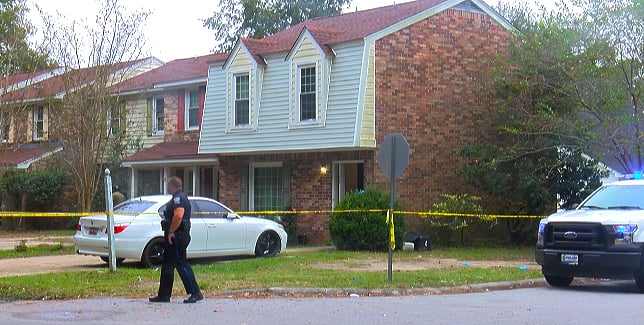
Several lessons emerge from this dramatic home invasion:
- Situational Awareness is Key: The teenager’s ability to recognize suspicious behavior allowed him to act in time.
- Preparedness Saves Lives: Access to a firearm, combined with knowledge and calm decision-making, prevented potential tragedy.
- Criminal Histories Predict Risk: Both suspects had extensive felony records, emphasizing the threat repeat offenders pose.
- Legal Implications Matter: Using lethal force, even in self-defense, triggers complex legal and ethical considerations.
- Community and Family Support: Immediate guidance from the teen’s mother ensured the situation was handled responsibly.
Safety, Education, and Policy
This story offers a cautionary tale for families, communities, and policymakers alike. It emphasizes the importance of:
- Home Security Measures: Lock systems, alarms, and surveillance can provide first-line deterrents.
- Self-Defense Training: Educating minors about personal safety and responsible firearm use in extreme cases is critical.
- Criminal Justice Awareness: Addressing systemic failures that allow high-risk individuals to remain active threats.
- Community Engagement: Neighborhood vigilance programs and communication networks can enhance safety.
The 13-year-old’s response demonstrates that preparedness, awareness, and training can make a critical difference, even in life-threatening scenarios.
Courage, Responsibility, and Reflection

The Ladson home invasion is more than a dramatic story of a young teenager confronting armed felons. It is a powerful reminder of the unpredictable dangers posed by violent crime, the potential role of firearms in self-defense, and the extraordinary responsibility that comes with protecting one’s home.
While some may debate the ethics of a 13-year-old using lethal force, the outcome prevented further harm and ensured justice was pursued. The incident highlights the complex intersection of safety, legality, ethics, and societal responsibility, offering lessons for families, communities, and lawmakers.
As communities grapple with rising crime rates, the story serves both as a warning and as a testament to courage, preparation, and the critical role of informed self-defense. The broader question remains: how can society equip its citizens to protect themselves while ensuring that such powers are exercised responsibly and safely?