
Table of Contents
- Trump’s “Most Favored Nation” Policy
- The Deal: What We Know So Far
- A Closer Look at the Financial Impact
- Democratic Opposition
- The Potential Benefits for American Consumers
- A Growing Concern?
- Medicaid Savings: A Mixed Blessing?
- What’s Next for Drug Pricing?
- Is This the Right Approach?
- A Bold Step Forward — But Will It Work?
Trump’s “Most Favored Nation” Policy
President Trump’s most favored nation (MFN) policy is designed to ensure that Americans pay no more for prescription drugs than citizens in other wealthy nations. The goal is to bring the cost of drugs in the U.S. more in line with what is paid in places like Canada, Germany, and the UK. This ambitious policy could result in savings of $529 billion, according to the White House’s analysis. But can these savings be verified, and what exactly does this mean for future drug pricing?
The Deal: What We Know So Far
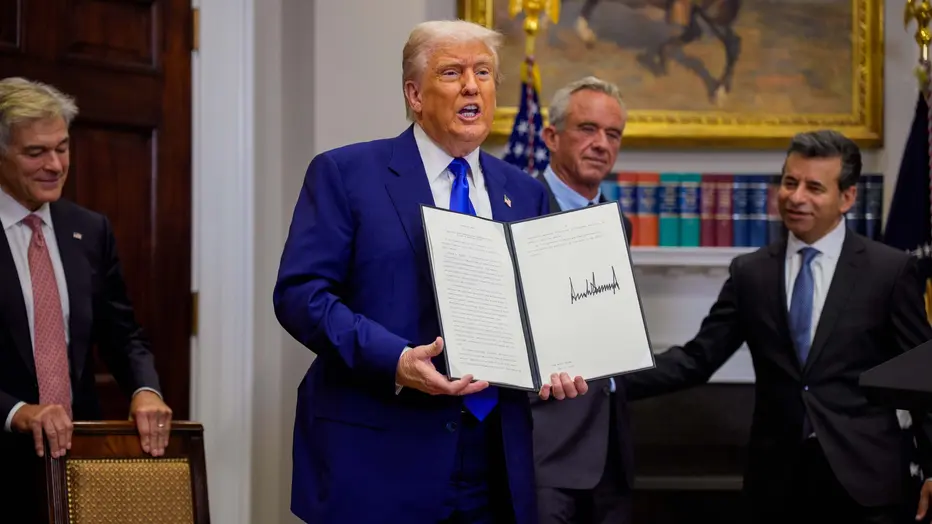
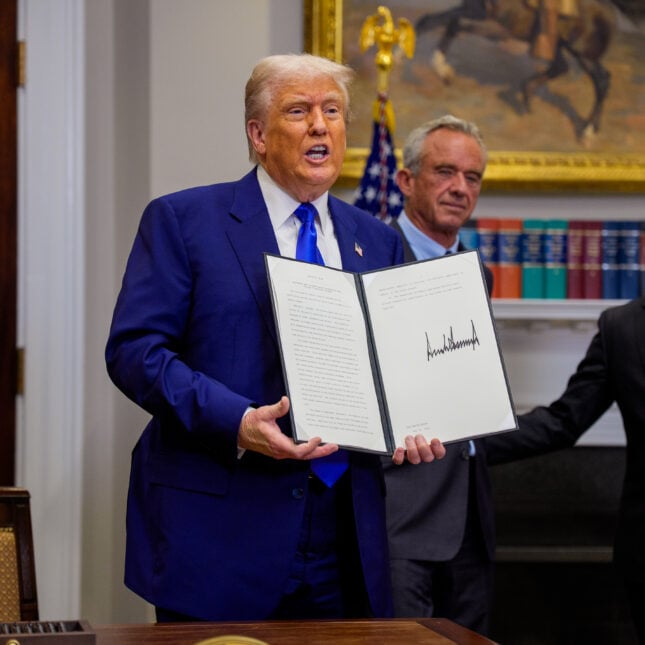
Trump’s administration reached agreements with 17 major pharmaceutical companies, although the full terms of these deals have not been made public. The idea behind the MFN policy is simple: drugmakers will no longer be allowed to charge Americans exorbitantly high prices for prescription drugs. Instead, prices will be reduced to levels consistent with other countries’ pricing. However, since many of the deal’s specifics remain hidden, the full extent of the impact is still up for debate.
A Closer Look at the Financial Impact
According to White House economists, the MFN policy could save the U.S. government a combined $64.3 billion in Medicaid spending over the next decade. The government will pay less for prescription drugs, and those savings could be passed on to taxpayers. But how realistic are these savings, and will pharmaceutical companies find ways to work around the policy? Critics argue that the MFN policy could face resistance from drugmakers, potentially limiting the effectiveness of the program.
Democratic Opposition
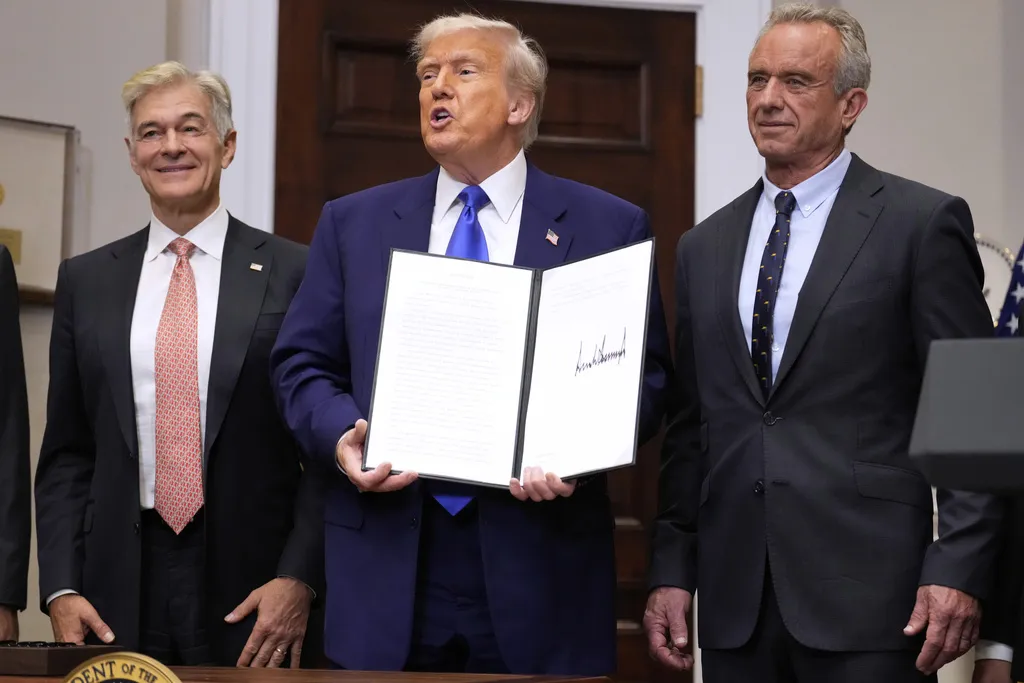
Not everyone is on board with Trump’s drug pricing plan. Democratic lawmakers have voiced concerns about the policy’s effectiveness and transparency. Senate Finance Committee Ranking Member Ron Wyden has called for the administration to release the full terms of the agreements with pharmaceutical companies. Critics argue that Trump’s estimates of the savings are inflated and that the policy may end up benefiting the pharmaceutical companies more than the public.
The Potential Benefits for American Consumers

Despite the political pushback, Trump has touted his drug pricing deals as a victory for American consumers. If the policy is successful, it could result in significant savings for individuals who rely on prescription medications. Lower drug prices could improve access to necessary medications and reduce the financial burden on families struggling with high medical costs. However, some question whether these savings will be passed on to consumers, or whether pharmaceutical companies will find ways to maintain their profit margins.
A Growing Concern?
One of the major criticisms of Trump’s drug pricing deals is that while consumers may see lower prices, pharmaceutical companies could continue to profit handsomely. An analysis from Senator Bernie Sanders’ office found that 15 of the companies involved in the drug pricing deal saw their combined profits increase by 66% over the past year. This has led some to question whether the policy is truly beneficial for the public or whether it’s simply a way to further enrich drug manufacturers.
Medicaid Savings: A Mixed Blessing?
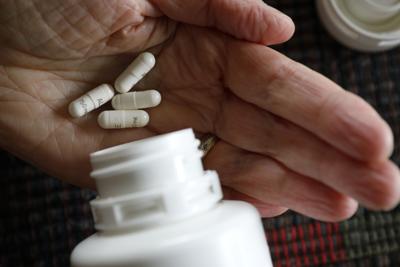
The MFN policy could result in significant savings for Medicaid, which provides healthcare to low-income individuals and families. But some argue that these savings could be offset by higher prices for drugs that are not included in the program. Moreover, the savings from Medicaid reductions might not be fully realized if the policy leads to other unintended consequences, such as increased costs for certain drugs or reduced access to newer medications.
What’s Next for Drug Pricing?
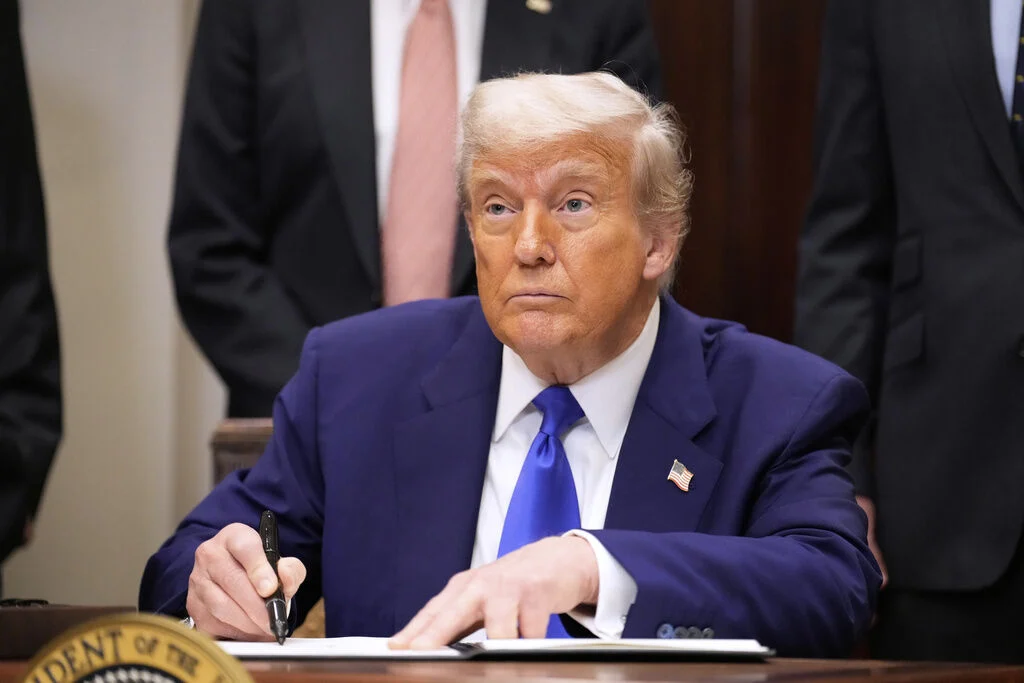
As the Trump administration pushes forward with its drug pricing deals, many are asking whether the savings will be realized or whether the policy will fall short of expectations. Pharmaceutical companies are likely to resist the policy, and it remains unclear how the industry will adapt. In the coming years, we could see either a dramatic shift in U.S. drug pricing or a return to the status quo.
Is This the Right Approach?
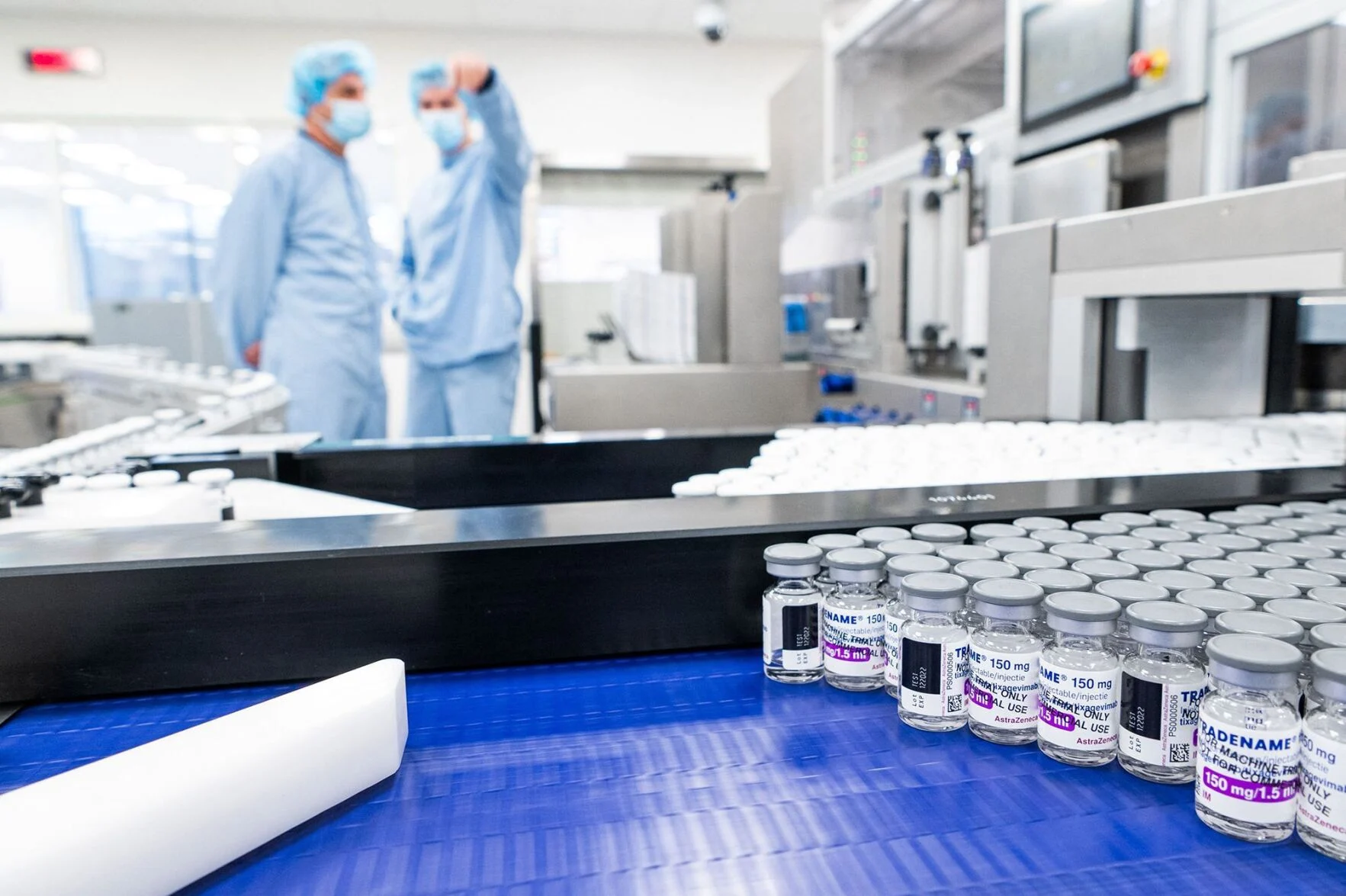
While the MFN policy aims to lower drug prices, it raises broader questions about the future of healthcare in the U.S. What happens if pharmaceutical companies adjust their pricing structures to avoid the impact of this policy? Will Americans see the benefits of these deals, or will the complexities of the pharmaceutical industry prevent real change? The answer may lie in the ongoing political debate over healthcare reform and the role of government in regulating drug prices.
A Bold Step Forward — But Will It Work?
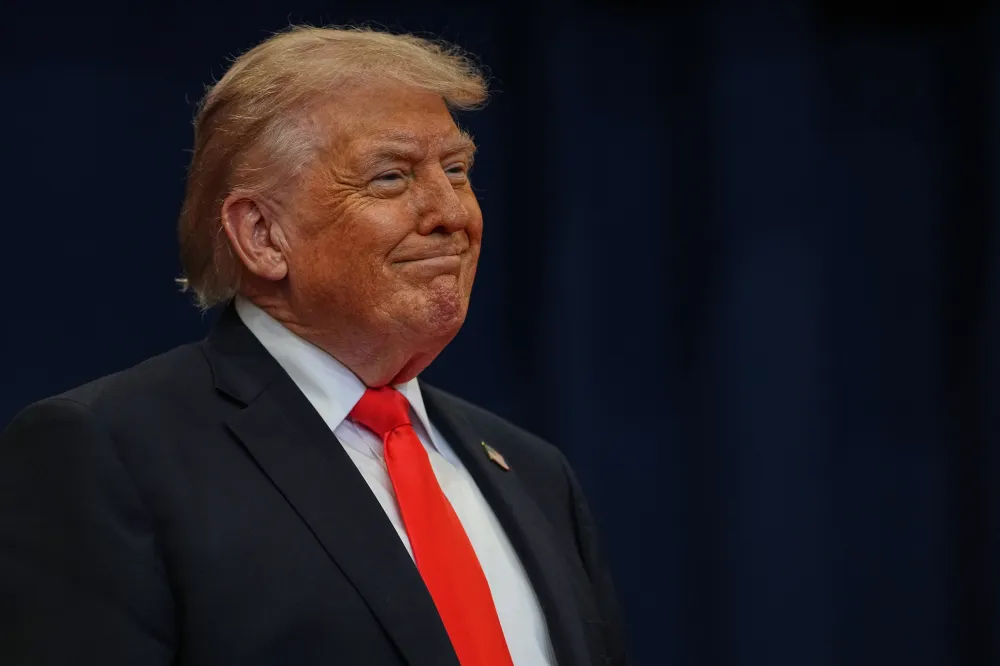
Trump’s drug pricing deals could potentially save billions and make prescription medications more affordable for Americans. However, the policy’s long-term effectiveness is still uncertain. While the administration touts the savings, critics argue that the policy may benefit pharmaceutical companies more than consumers. With ongoing resistance from Democrats and the pharmaceutical industry, it’s clear that the drug pricing issue will remain a hot topic in the coming years.