
Table of Contents
What Is Dwarf Bullfighting?
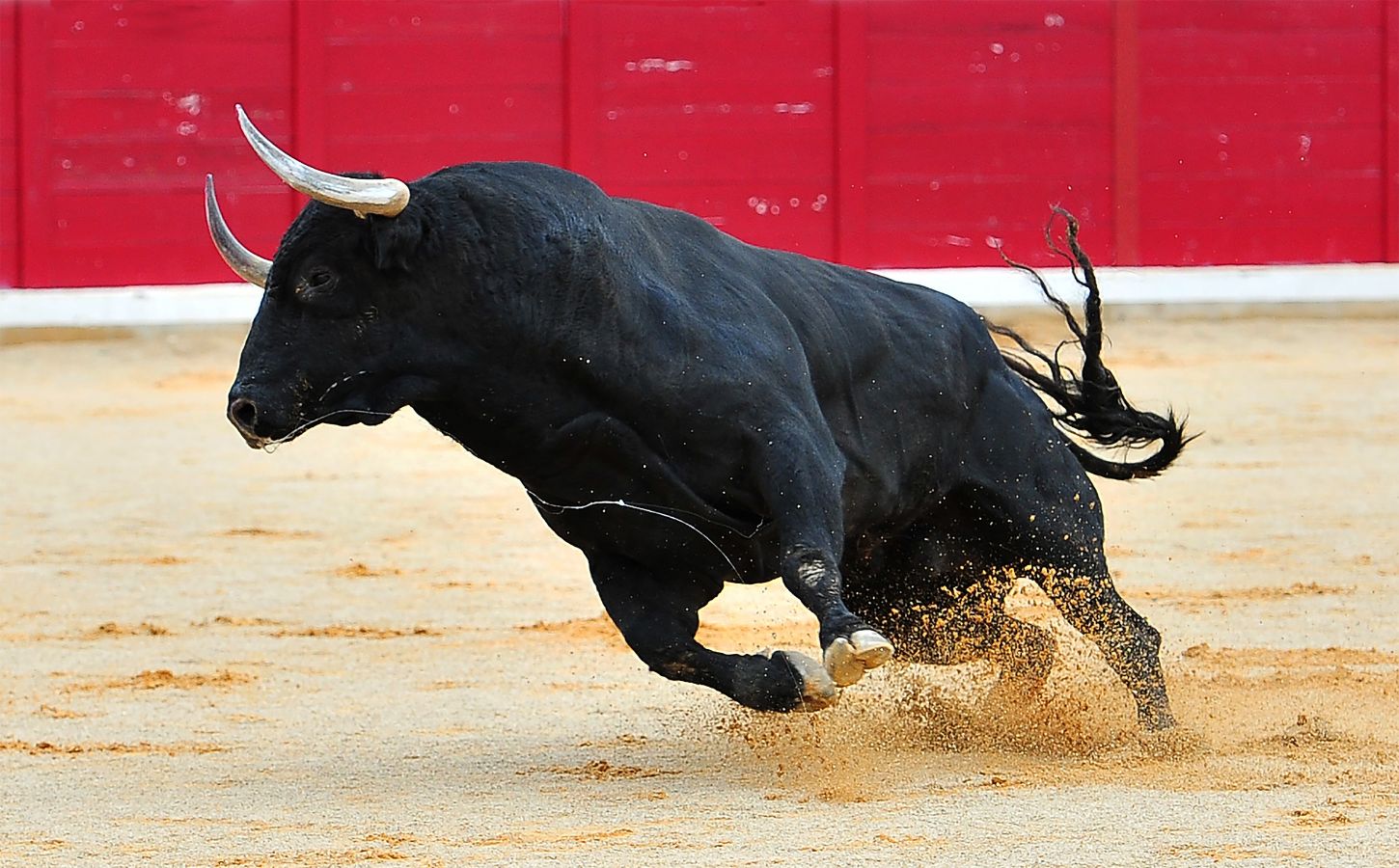
Dwarf bullfighting is a controversial and relatively niche tradition that began in Spain, where individuals of short stature, often known as “midgets” or “little people,” participated in bullfights against young bulls. The practice has drawn criticism due to the combination of human and animal suffering involved in the spectacle. While traditional bullfighting in Spain typically features trained matadors, dwarf bullfighting was seen by many as a cruel exploitation of both the animals and the participants. This form of entertainment often put the bulls in a vulnerable position, leading to potential injuries and distress.
Dwarf bullfighting was, at its peak, a popular attraction in some parts of Spain, offering a twisted, often grotesque form of “entertainment.” It remained a contentious practice due to the ethical concerns surrounding the treatment of both the bulls and the human participants, many of whom were subjected to dangerous conditions. The decision to ban this form of bullfighting is part of a broader movement against animal cruelty and the evolution of Spain’s stance on animal rights.
Why Spain Chose to End the Tradition
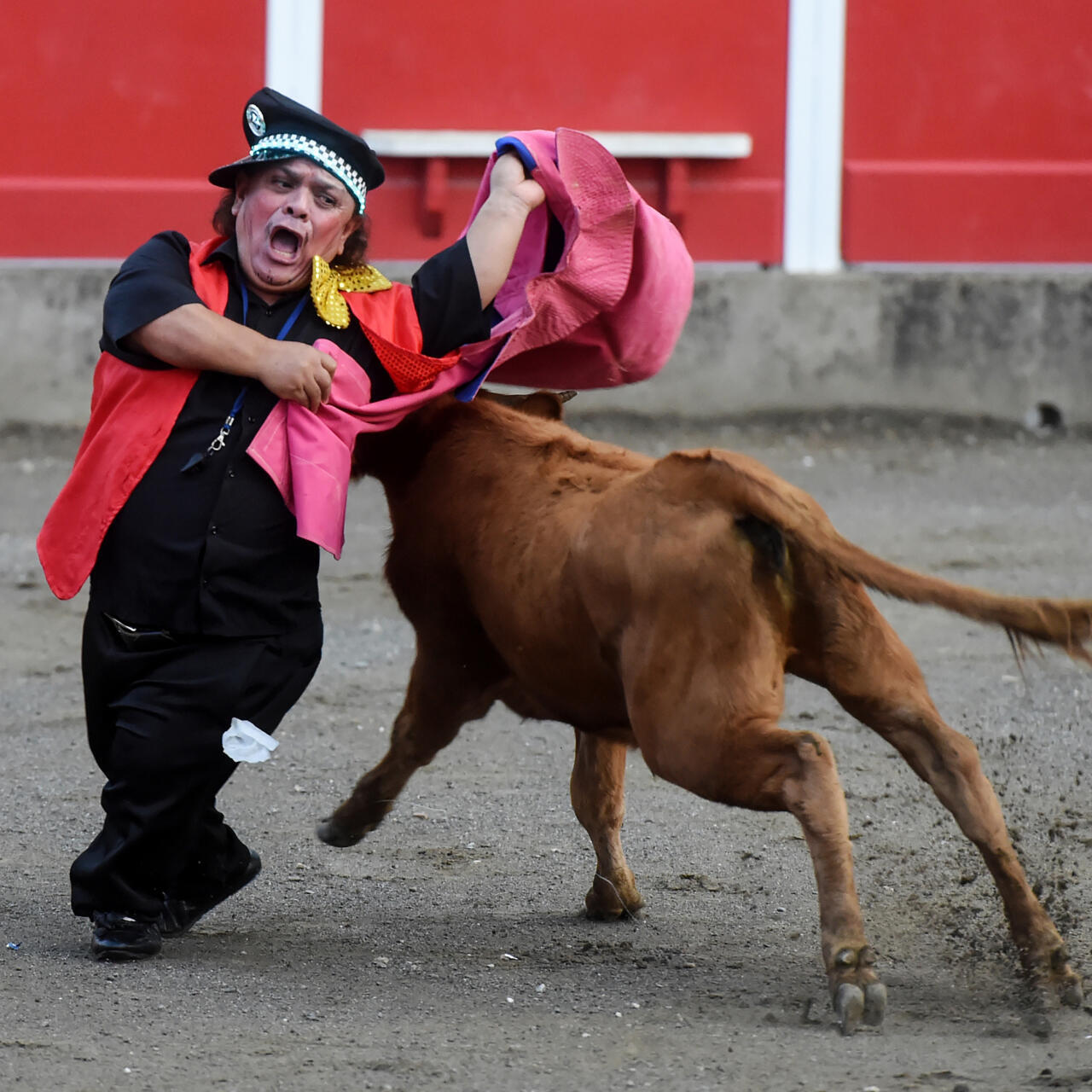
The decision to ban dwarf bullfighting was influenced by multiple factors, including the rise of animal rights movements and increased public concern for ethical treatment of animals. In recent years, there has been a growing shift in Spain toward reevaluating the role of bullfighting in the country’s culture. While traditional bullfighting has long been defended as an integral part of Spanish heritage, the practice of dwarf bullfighting has become increasingly difficult to justify in the face of animal cruelty allegations.
Animal rights groups in Spain, such as the Spanish Federation of Animal Rights, played a pivotal role in campaigning against dwarf bullfighting. These organizations argued that the spectacle was both inhumane and exploitative, as it forced animals into a situation where they were likely to experience pain, suffering, and fear for the amusement of the audience. Additionally, the involvement of people with dwarfism in the fights was seen by many as dehumanizing, with critics stating that it commodified individuals with disabilities for entertainment purposes.
The Impact of Animal Rights Movements in Spain
Animal rights movements have made significant strides in Spain in recent years, influencing both public opinion and legislation. Activists have been pushing for greater protection of animals from cruelty, and their efforts have been met with some success. In 2010, Catalonia became the first region in Spain to ban traditional bullfighting, a move that was followed by other regions expressing similar sentiments. This shift was emblematic of changing attitudes toward animal welfare, particularly as concerns about bullfighting and its cultural significance grew.
The ban on dwarf bullfighting is seen as part of this broader trend toward reform in Spain. It demonstrates that public opinion is increasingly turning against practices that involve animal cruelty for the sake of tradition or entertainment. In this context, the ban is viewed as a victory for animal welfare advocates and a sign that Spain is evolving in its approach to the treatment of animals within its cultural framework.
The Ethical Dilemma
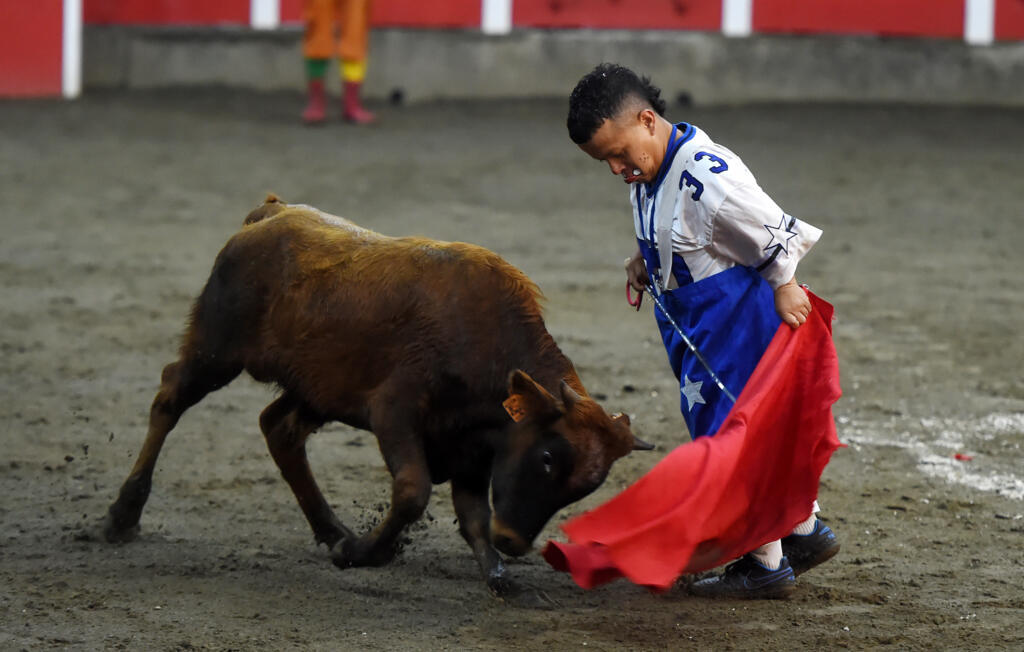
Spain’s decision to outlaw dwarf bullfighting has reignited debates about the balance between cultural traditions and animal rights. Bullfighting has long been regarded as a part of Spain’s cultural identity, with many seeing it as an important tradition that connects them to their historical roots. However, the ethical concerns surrounding the treatment of animals in bullfighting have prompted growing resistance to the practice.
Supporters of bullfighting argue that it is an essential part of Spain’s cultural heritage, with deep historical significance. They contend that the practice, when conducted under proper conditions, can be an art form that demonstrates bravery and skill. However, opponents of bullfighting argue that the continued harm and suffering inflicted upon the bulls outweigh any cultural value that may be associated with the practice. This ethical dilemma has led to a shift in public opinion, with many now advocating for the rights and dignity of animals over traditional entertainment.
The Future of Bullfighting in Spain
While the ban on dwarf bullfighting is a significant victory for animal rights, it does not mean the end of bullfighting in Spain altogether. Traditional bullfighting remains a deeply ingrained cultural tradition in many parts of the country, particularly in regions such as Andalusia and Madrid. However, the growing momentum against animal cruelty means that the future of bullfighting is increasingly uncertain.
There are signs that Spain is moving toward a more humane approach to its bullfighting tradition, with some advocating for reforms that prioritize the welfare of the bulls. Several Spanish cities have introduced regulations that limit the use of sharp implements during bullfights, and some have called for the complete abolition of the practice. As animal rights movements continue to gain ground, the pressure on Spain’s government to address the ethical concerns surrounding bullfighting will likely continue to grow.
International Reactions
Spain’s decision to ban dwarf bullfighting has received praise from animal rights activists worldwide, with many seeing it as a bold step forward in the fight against animal cruelty. The move has also drawn attention to the wider issue of animal rights in entertainment, particularly in countries where bullfighting is still practiced. Spain’s influence in this regard is significant, as it has long been seen as the epicenter of bullfighting culture.
This ban may set a precedent for other countries to reconsider their own stance on animal cruelty in the context of entertainment. While bullfighting remains a popular tradition in several nations, Spain’s actions demonstrate that cultural practices must evolve in response to changing ethical standards. The success of the ban could inspire similar reforms in other countries, particularly in Latin America, where bullfighting is still practiced.
The Economic Implications of the Ban
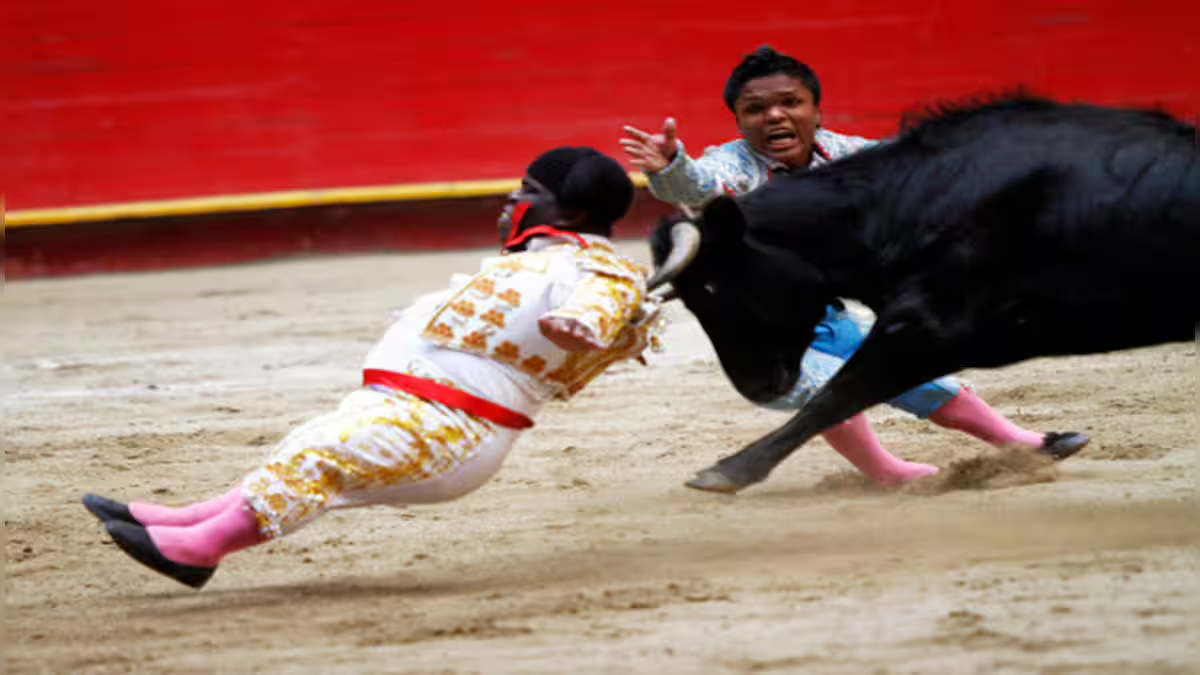
One of the main concerns for businesses involved in dwarf bullfighting and related industries is the economic impact of the ban. For many years, dwarf bullfights were a form of entertainment that attracted large crowds and generated revenue through ticket sales, sponsorships, and merchandising. With the ban in place, these businesses are likely to face a decline in income, particularly in regions where dwarf bullfighting was a popular attraction.
However, some industry experts argue that this decline in revenue could be offset by the increasing demand for more humane forms of entertainment. The rise of ethical tourism and animal welfare-focused events may provide new economic opportunities for Spain. Additionally, with the growing interest in sustainable and cruelty-free alternatives, Spain may find new avenues for cultural expression that align with modern values.
Conclusion
Spain’s decision to ban dwarf bullfighting is a clear victory for animal rights activists and reflects a growing trend toward more ethical and humane treatment of animals. While the ban does not mark the end of all forms of bullfighting in Spain, it represents a significant step forward in the country’s evolving attitude toward animal welfare. The decision also highlights the growing influence of animal rights movements, which continue to push for change in industries that rely on animal exploitation for entertainment purposes.
As Spain continues to grapple with the ethical implications of its cultural traditions, the hope is that this decision will inspire other countries to follow suit and reevaluate their own practices. In the years to come, it is likely that we will see more reforms in Spain and around the world, as society moves toward greater compassion and respect for animals.