
Table of Contents
What Does It Mean?
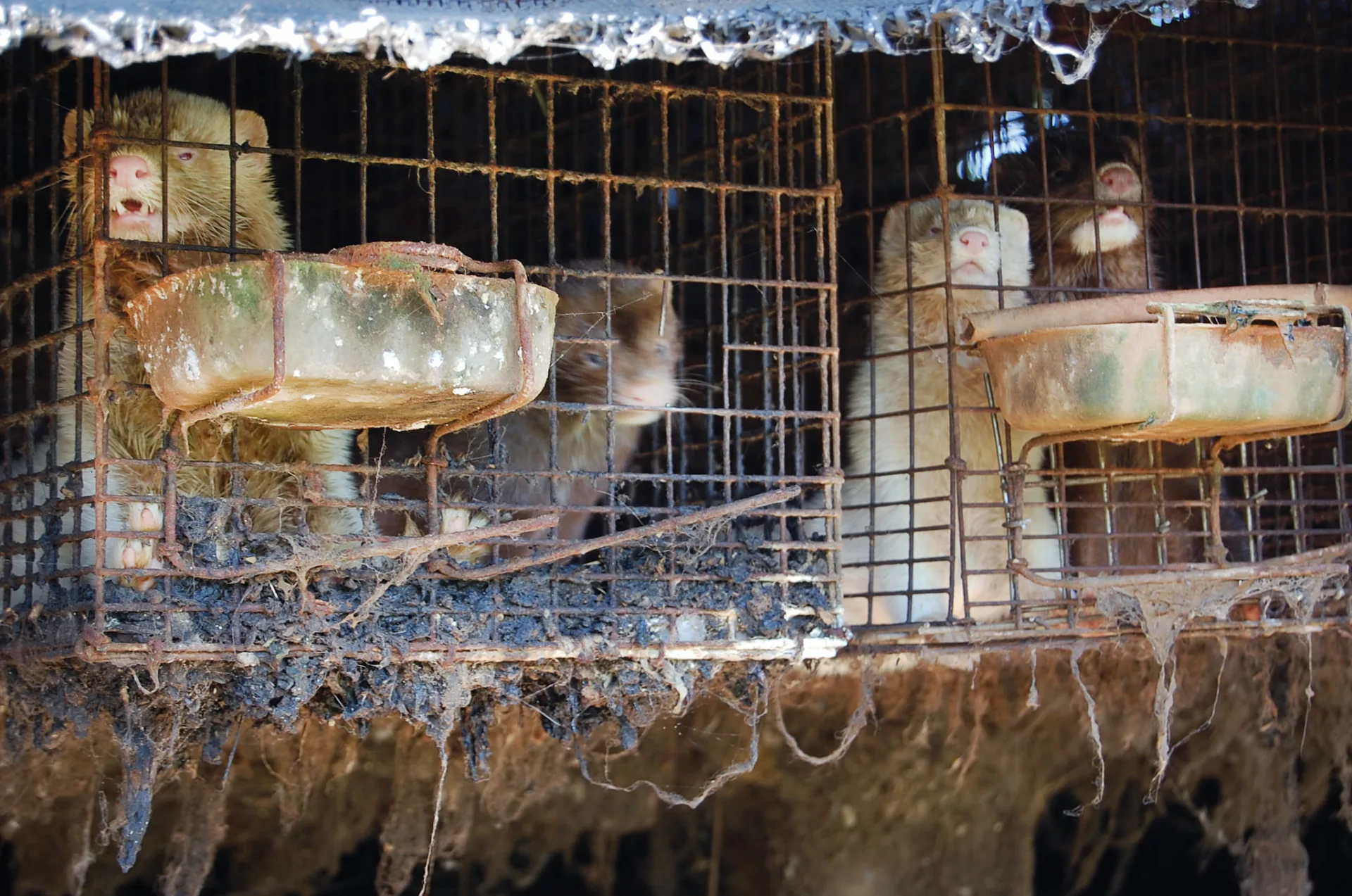
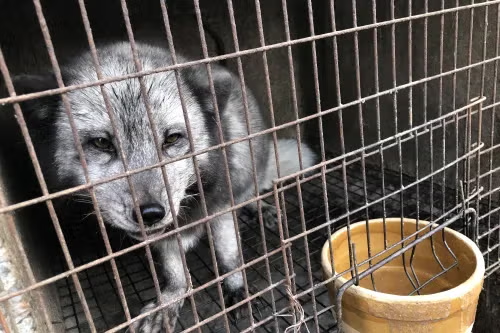
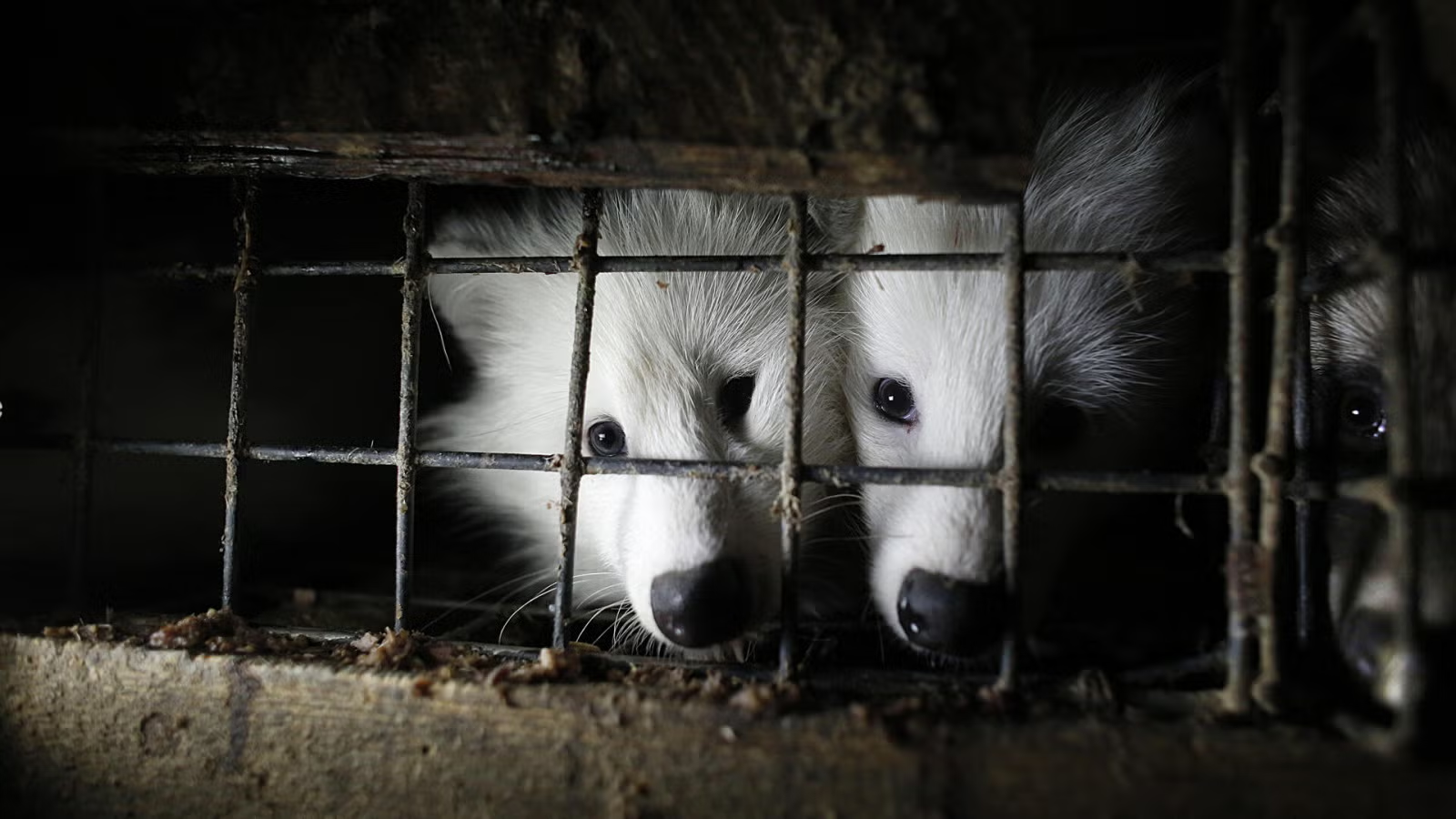
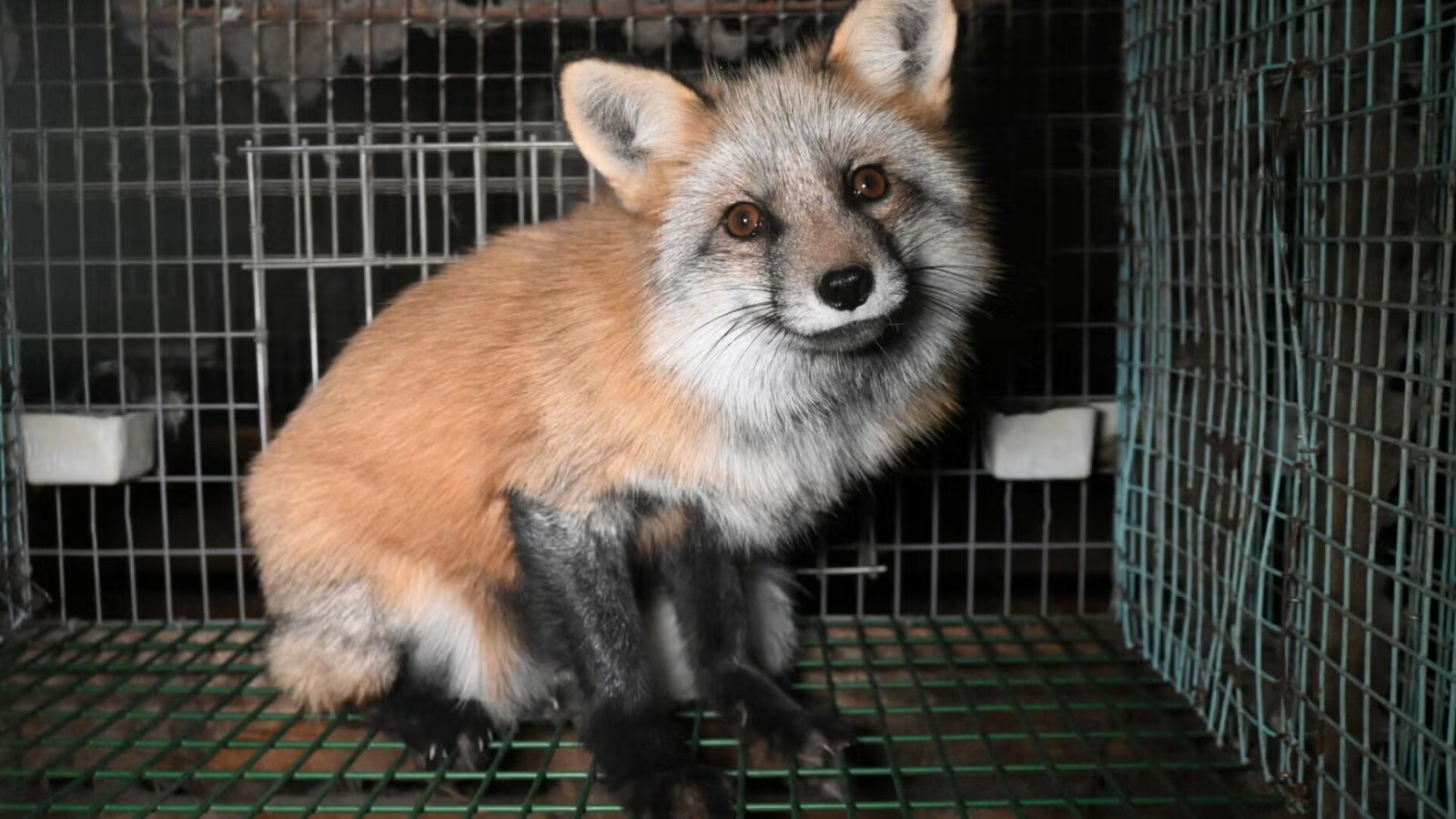
Japan’s decision to ban fur farming is a major shift in the country’s stance on animal welfare. Fur farming, which involves raising animals such as minks, foxes, and rabbits for their pelts, has long been a controversial practice due to the conditions in which the animals are kept. These animals are often confined to small cages, deprived of natural behaviors, and subjected to painful and often lethal methods of killing. Japan’s move to end fur farming signifies a commitment to improving animal welfare and aligning with international ethical standards.
The government’s decision will put an end to fur farming operations in the country, making it illegal for businesses to breed animals for fur. While this is a significant step for animal rights, it is also a move that aligns Japan with other countries that have made similar efforts to curb the fur industry. The ban will likely have wide-reaching effects on the fur trade in Asia and potentially influence other nations to adopt similar measures in the near future.
The Rise of Animal Welfare Movements in Japan
Japan’s decision to ban fur farming comes at a time when animal welfare concerns are becoming increasingly prominent in the country. Over the past few years, animal rights organizations have been vocal in calling for better treatment of animals and stricter regulations on industries that exploit them. Japan’s growing awareness of animal rights issues has led to a shift in public opinion, with many people now supporting initiatives that promote cruelty-free practices.
Animal rights groups in Japan, as well as international organizations such as the Fur Free Alliance, have played a crucial role in advocating for the end of fur farming. These organizations have used campaigns, public demonstrations, and legal challenges to raise awareness about the inhumane practices associated with fur farming. With the passage of this ban, Japan is signaling a shift in the country’s approach to animal welfare and sending a clear message to businesses and consumers alike that cruelty-free practices are the future.
The Global Context
Japan is not the first country to take action against fur farming, but its decision is still highly significant due to the country’s role in global fashion and its growing reputation for animal welfare reforms. Several countries, including the United Kingdom, Austria, and Norway, have already banned fur farming, and other nations have implemented strict regulations on the practice. In addition, many fashion designers and brands have pledged to go fur-free, reflecting the global shift away from the use of animal pelts in fashion.
This growing trend is part of a larger movement toward more sustainable and ethical fashion practices. Consumers are increasingly rejecting products that are linked to animal cruelty, and brands are responding by adopting cruelty-free materials such as faux fur and alternative textiles. Japan’s move to ban fur farming is a significant step in aligning the country with these global ethical standards and positioning it as a leader in the movement for more humane fashion practices.
Ethical and Environmental Implications of Fur Farming
The decision to end fur farming in Japan is not only about animal welfare; it also has important environmental implications. Fur farming is known to have a significant environmental impact, particularly due to the waste products generated by the industry. Fur farms require large amounts of resources, including food, water, and land, and the chemicals used to preserve pelts can be harmful to the environment. By ending fur farming, Japan is taking a step towards reducing its environmental footprint and promoting more sustainable agricultural practices.
In addition, the ethical concerns surrounding fur farming are widespread. The confinement and exploitation of animals for their pelts raise serious questions about the morality of using animals for fashion. With more and more consumers demanding cruelty-free alternatives, Japan’s decision is a direct response to the growing demand for ethical fashion that prioritizes both animal welfare and environmental sustainability.
The Economic Impact
While the fur farming ban will undoubtedly have a major economic impact on the fur industry, the shift toward cruelty-free fashion is also creating new opportunities for businesses. Many companies that have been involved in fur farming are now looking to diversify their product lines and transition to alternative materials. This transition may involve investing in synthetic fur, sustainable textiles, or other animal-free alternatives that align with consumer demand for ethical products.
The fur farming industry in Japan has long been a niche market, with relatively small-scale operations scattered across the country. While the economic consequences of the ban may be significant for these businesses, the growing demand for cruelty-free products presents new opportunities for the fashion industry to innovate and meet the changing preferences of consumers. Japan’s decision will likely encourage designers and manufacturers to focus on more sustainable and humane materials, furthering the global shift toward ethical fashion.
What This Means for Japanese Consumers
For Japanese consumers, the ban on fur farming means that they can make more informed choices when it comes to purchasing fashion products. With fur products being phased out, consumers will no longer have to worry about supporting an industry that relies on animal exploitation. The transparency brought by this ban will allow people to make ethical choices when shopping, knowing that the products they buy align with their values regarding animal welfare.
As demand for cruelty-free and sustainable fashion continues to rise, Japan’s decision to end fur farming could lead to a broader cultural shift towards more ethical consumption. This shift may inspire consumers to seek out brands and products that prioritize animal welfare and environmental sustainability, encouraging businesses to continue innovating and embracing cruelty-free alternatives.
The Future of Fur-Free Fashion in Japan and Beyond
Japan’s move to ban fur farming represents a significant step toward a more ethical future for fashion, not just in Japan, but globally. As more countries and brands adopt cruelty-free policies, the fur industry’s grip on the global fashion market is weakening. In the coming years, it is likely that more countries will follow Japan’s lead, eliminating fur farming entirely and promoting sustainable alternatives to animal-based fashion.
The future of fashion is increasingly focused on animal-free materials, sustainable practices, and ethical consumerism. Japan’s decision to end fur farming sets a powerful example for other nations and industries to follow. It highlights the growing importance of animal welfare in shaping the future of fashion and the increasing demand for cruelty-free options in the global marketplace.
Conclusion
Japan’s decision to ban fur farming marks a pivotal moment in the global movement for animal rights and ethical fashion. By taking this step, Japan has demonstrated its commitment to animal welfare and has paved the way for a more compassionate and sustainable future. The decision reflects changing societal values, where animal rights and environmental sustainability are becoming central to consumer decisions and business practices.
As the world moves toward more ethical fashion choices, Japan’s leadership in ending fur farming serves as an inspiration to other countries and industries. This ban is not just a win for animals, but also a victory for the growing movement toward cruelty-free fashion and a more sustainable world. With increasing support for animal welfare, the hope is that other nations will follow Japan’s lead, creating a global shift toward a kinder, more ethical future.