

Table of Contents
- What Is a Dysregulated Nervous System?
- The Two Sides of a Dysregulated Nervous System
- Persistent Anxiety or Emotional Shutdown
- Why Your Nervous System Is Out of Balance
- From Anxiety to Fatigue
- The Role of Chronic Stress and Inflammation
- Calming the Alarm
- Simple Daily Practices to Support Your Nervous System
- When to Talk to a Professional
- Restoring Balance for a Healthier Future
What Is a Dysregulated Nervous System?
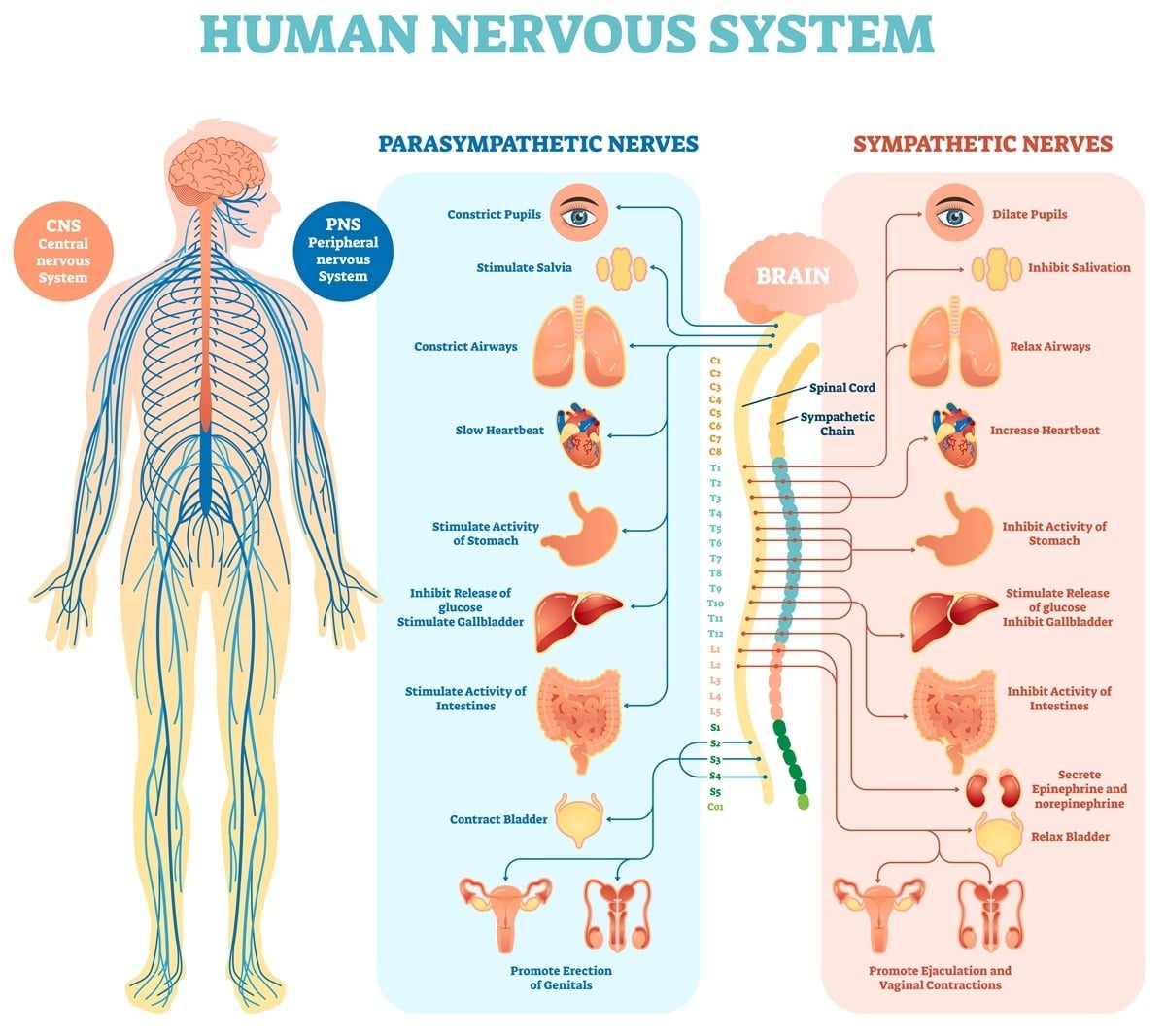
Imagine your nervous system as a complex security system. It has two primary modes: one to alert you to danger and get you ready to act—known as the “fight or flight” response—and another to calm you down when the danger is over, the “rest and digest” response. Ideally, these systems work in harmony. However, when you’re exposed to stress continuously—whether from work, relationships, or other external factors—your system can become “stuck” in one mode. Either it stays on, making you anxious and alert all the time, or it shuts off, leaving you feeling emotionally and physically drained.
This imbalance can cause a variety of symptoms that can affect your physical and emotional well-being. It’s not just in your head; your body is sending real signals that something needs to change.
The Two Sides of a Dysregulated Nervous System
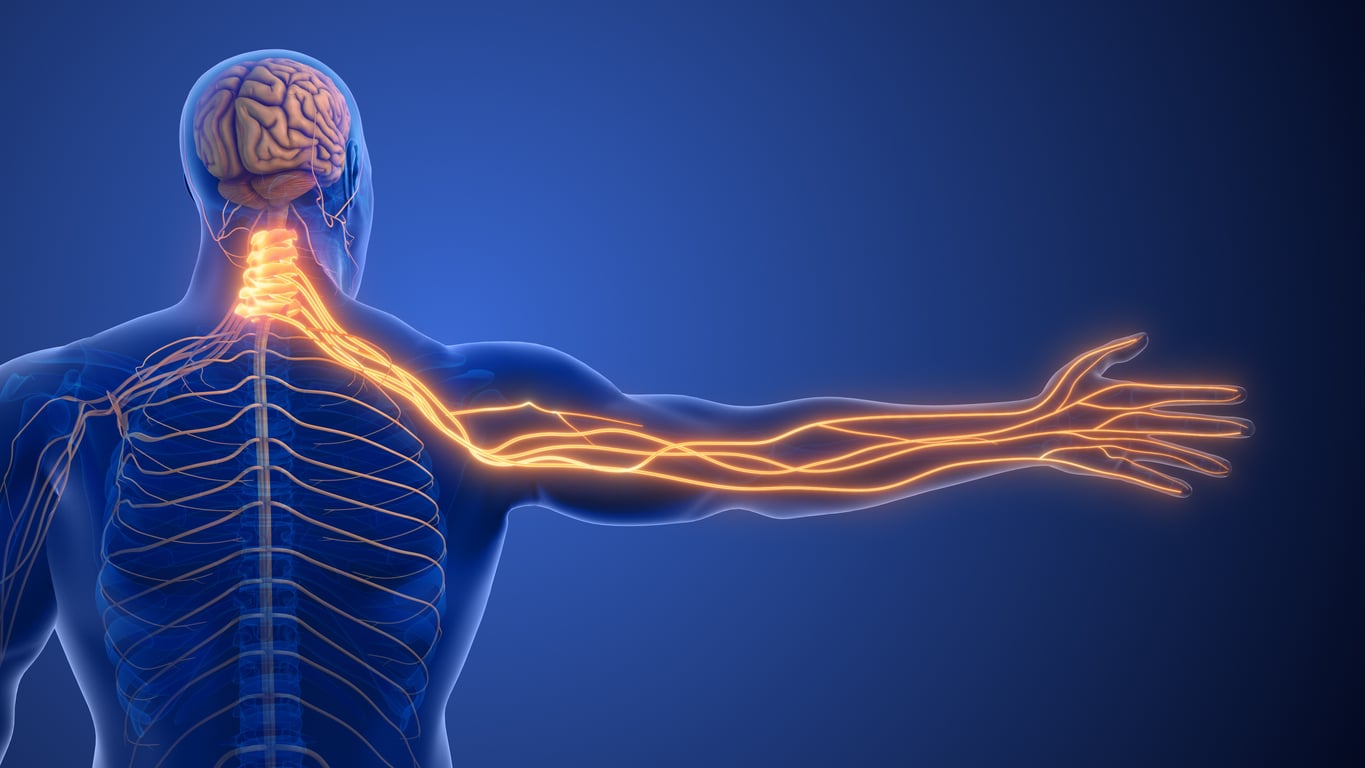
A dysregulated nervous system typically manifests in two distinct ways: hyper-arousal and hypo-arousal. Hyper-arousal happens when your body is stuck in ‘fight or flight’ mode. You might feel a constant sense of anxiety, irritability, or restlessness. You might also experience difficulty relaxing, even during what should be relaxing activities like sleeping.
On the flip side, hypo-arousal occurs when your body enters a complete shutdown. This can feel like chronic fatigue, emotional numbness, brain fog, and a sense of disconnection from the world around you. Both of these responses are your body’s way of coping with stress—yet neither is healthy in the long term.
Persistent Anxiety or Emotional Shutdown
Living with a dysregulated nervous system can often feel like you’re on an emotional rollercoaster. You might find yourself feeling constantly on edge, easily triggered by small things, or unable to relax. Alternatively, you might feel nothing at all, disconnected and exhausted. These feelings aren’t just in your head—they are physical responses caused by an overtaxed system.
Over time, this imbalance can lead to significant health challenges, such as digestive issues, sleep disturbances, and a general sense of burnout. The key to healing is recognizing the signals your body is sending and taking steps to recalibrate your system.
Why Your Nervous System Is Out of Balance
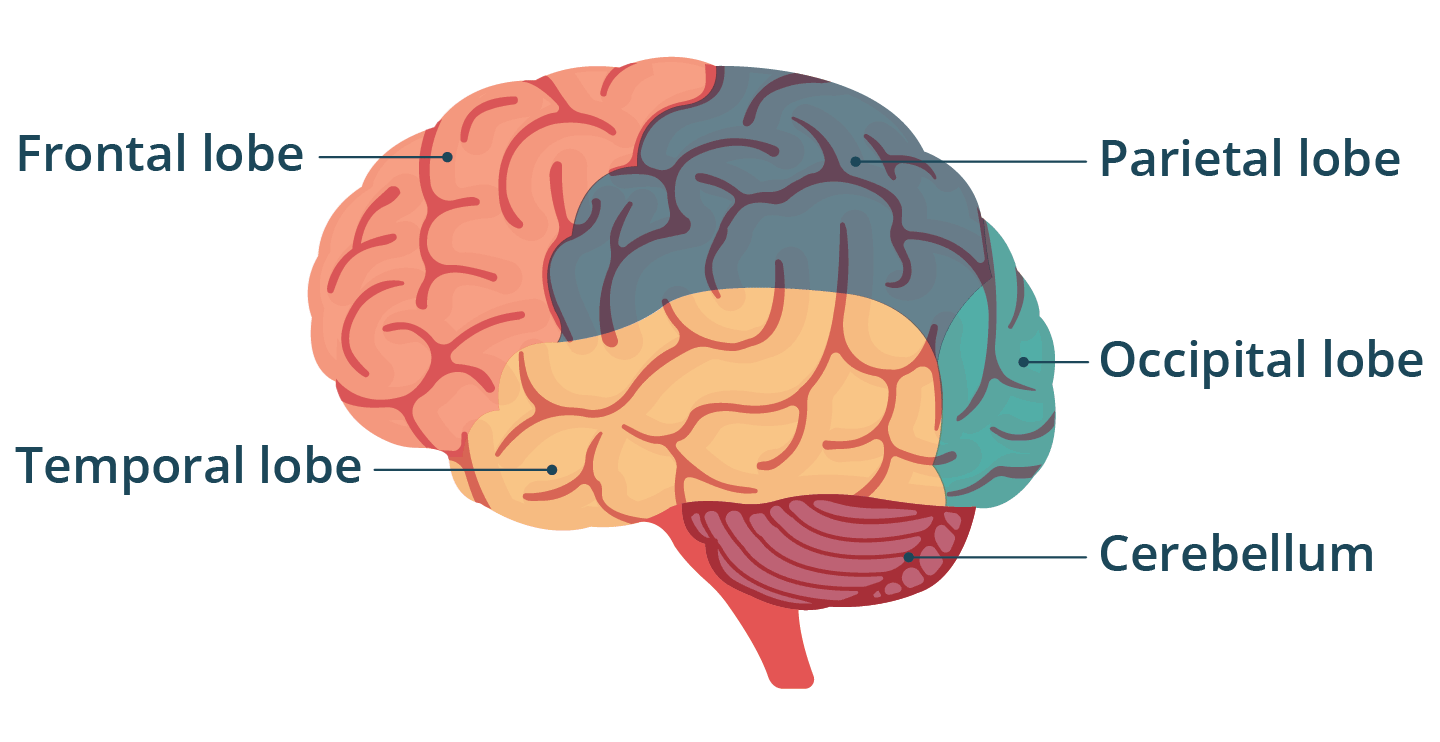
A dysregulated nervous system often doesn’t happen overnight. It is the cumulative result of ongoing stress that your body has had trouble managing. Stress is like water slowly filling up a bucket—the more stress you experience, the fuller it becomes. This “stress bucket” can overflow, leading to anxiety, fatigue, and other symptoms of dysregulation.
Common contributors to this imbalance include poor sleep, poor nutrition, lack of exercise, and unresolved emotional trauma. When these factors accumulate over time, they disrupt the body’s ability to maintain a healthy balance between the sympathetic and parasympathetic responses.
From Anxiety to Fatigue
When your system is stuck in hyper-arousal, you might experience:
- Persistent anxiety and worry
- Irritability or anger over small frustrations
- Difficulty relaxing, especially when trying to sleep
- A heightened sense of overwhelm from everyday tasks
Alternatively, when your system is in hypo-arousal, you might feel:
- Chronic fatigue that rest can’t seem to fix
- Numbness or emotional disconnection
- Trouble concentrating or thinking clearly
- A lack of motivation or apathy
These contrasting experiences reflect the two extremes of a dysregulated system. By recognizing your symptoms, you can begin to address the root cause.
The Role of Chronic Stress and Inflammation
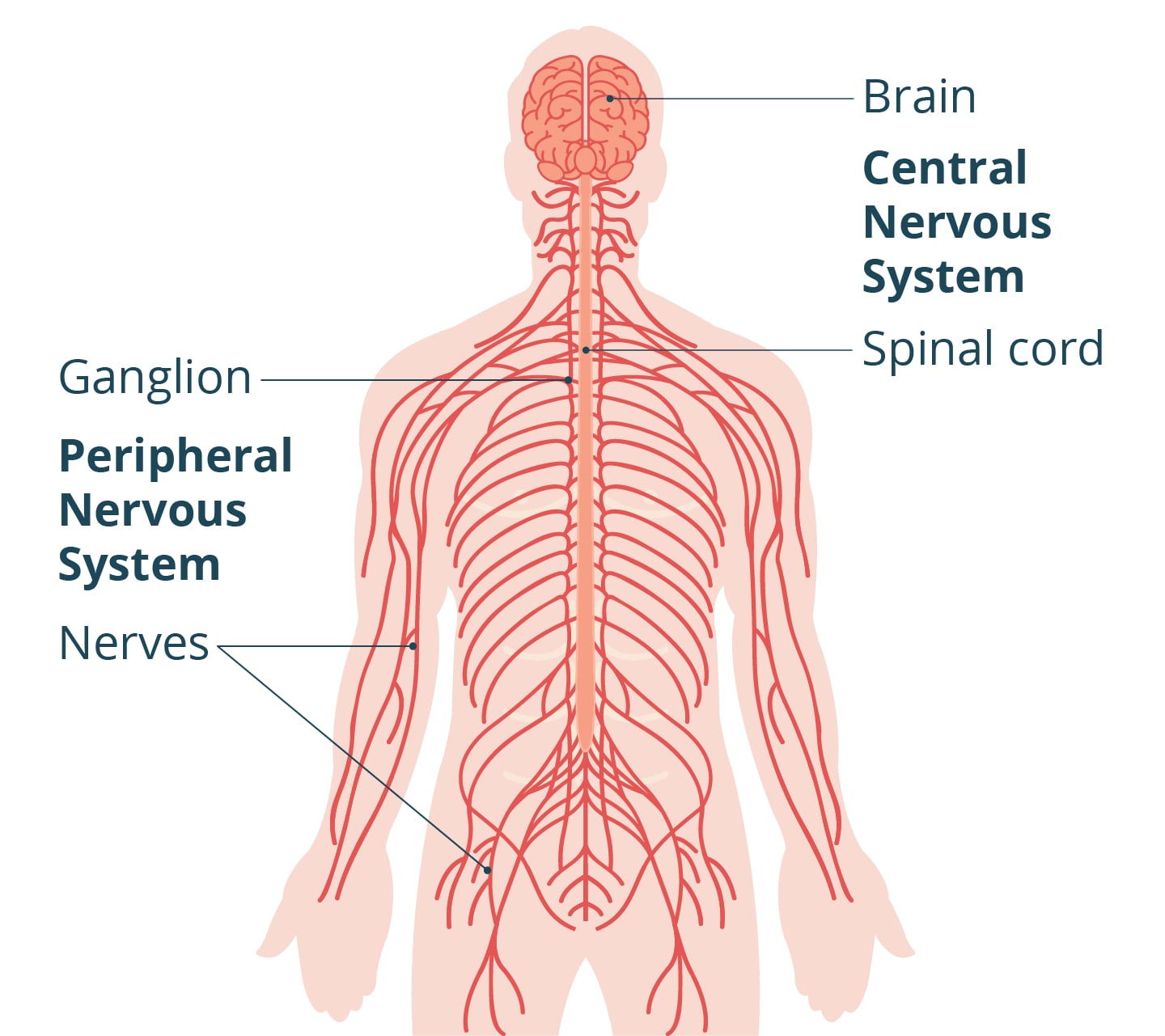
One of the main contributors to a dysregulated nervous system is chronic stress. Stress is not only an emotional experience; it has a profound impact on the body. It can lead to the release of stress hormones like cortisol, which, when present in excess, can impair the functioning of various body systems.
Chronic inflammation, often caused by stress, poor diet, and lack of exercise, is another significant contributor. Inflammation signals the body to stay on high alert, making it difficult for the nervous system to switch into a calm, relaxed state. Reducing inflammation through diet, exercise, and stress management is key to healing.
Calming the Alarm
Healing a dysregulated nervous system starts with understanding that it’s not about “fixing” your body but learning to retrain it. Just like you would train a muscle, your nervous system can be retrained to return to a balanced state. This process requires patience, consistency, and a commitment to self-care.
Chiropractic care is one of the most effective ways to help restore balance to the nervous system. Chiropractic adjustments work to remove physical stress and misalignments in the spine that may be causing interference in nerve communication. This allows the nervous system to communicate more effectively, which can help reduce the feeling of constant alarm and restore balance.
Simple Daily Practices to Support Your Nervous System
While professional care is essential, there are also many daily practices you can use to support your nervous system. These practices help create a sense of safety and calm, signaling to your body that it can relax and heal.
- Breathing exercises: One simple technique is the physiological sigh, where you take a deep breath, followed by a short sharp inhale, and then exhale slowly. This has an immediate calming effect.
- Grounding exercises: Use the 5-4-3-2-1 technique, where you name things you can see, hear, and feel to bring yourself back to the present moment.
- Mindful movement: Gentle stretches or somatic exercises help release physical tension stored in the body, especially in areas like the neck, shoulders, and jaw.
When to Talk to a Professional
If you’re struggling with symptoms of a dysregulated nervous system, it’s essential to seek help. This might include working with a chiropractor, therapist, or other health professionals who specialize in stress and nervous system regulation. A professional can help guide you through the process of retraining your nervous system and provide the necessary support.
Restoring Balance for a Healthier Future
A dysregulated nervous system can feel overwhelming, but it is possible to heal and restore balance. By recognizing the signs of dysregulation, understanding the role of chronic stress and inflammation, and implementing effective self-care strategies, you can retrain your nervous system to function optimally. With time and consistent practice, you can achieve a state of calm and resilience, improving your overall quality of life. Start small, be patient, and trust the process. Healing is possible, and the journey begins with understanding the power of your nervous system.