

Table of Contents
Bee Behavior in Urban Environments
Bees are essential to the ecosystem, playing a critical role in pollination, which supports plant reproduction and food production. However, urban environments are not typically the first places people expect to encounter large swarms of bees. Despite this, the occurrence in Netivot is not an isolated incident. Over the last decade, urban beekeeping has gained popularity, and cities worldwide have seen increasing interactions between bees and human populations.
These interactions raise important questions: Why are bees more frequently found in urban areas? Are they adapting to city life, and what does this mean for the species and the environment? Urbanization has led to changes in how animals, including bees, behave. As cities expand, the availability of food sources like flowers, plants, and trees also increases, attracting more pollinators. Additionally, many cities have created spaces specifically designed to support wildlife, including bee habitats and gardens.
However, as scientists in Netivot discovered, this shift is not always beneficial. In urban areas, the abundance of resources and the artificial structures can create challenges for bees. The swarm in Netivot, scientists believe, was triggered by a combination of environmental factors that led the bees to congregate in an area where they typically would not.
Triggering Factors: The Mystery Unveiled
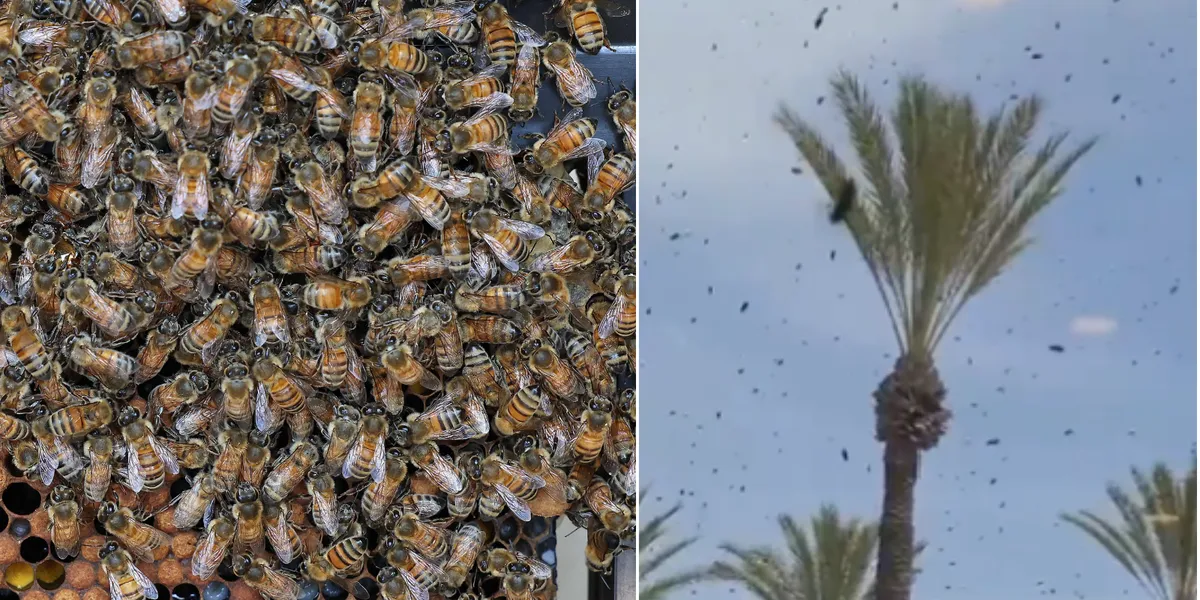
Initial reports from experts pointed to a series of coinciding factors that likely led to the large-scale bee swarm. According to Dr. Miriam Levin, a leading entomologist at the University of Tel Aviv, the swarm was caused by a combination of warm weather, a nearby flowering field, and the recent disturbance of a local beehive. These elements created an ideal situation for the bees, leading to a mass migration in search of a new habitat.
The warm weather of early spring in Israel created an abundance of blooming flowers, making it an attractive period for pollinators. However, researchers believe the bees’ behavior was also influenced by a disturbance in their hive — potentially caused by human activity or another environmental stressor. As bees are highly sensitive to changes in their environment, such as disruptions to their hive or the presence of unfamiliar substances, this could have been the catalyst for the swarm’s unusual behavior.
Additionally, the presence of artificial structures like buildings, power lines, and streets in urban areas can disrupt natural bee flight paths, which may have further confused the swarm. Scientists are particularly interested in understanding how these external factors contribute to bee behavior, especially in cities where natural habitats are scarce.
Urbanization and Bee Adaptation
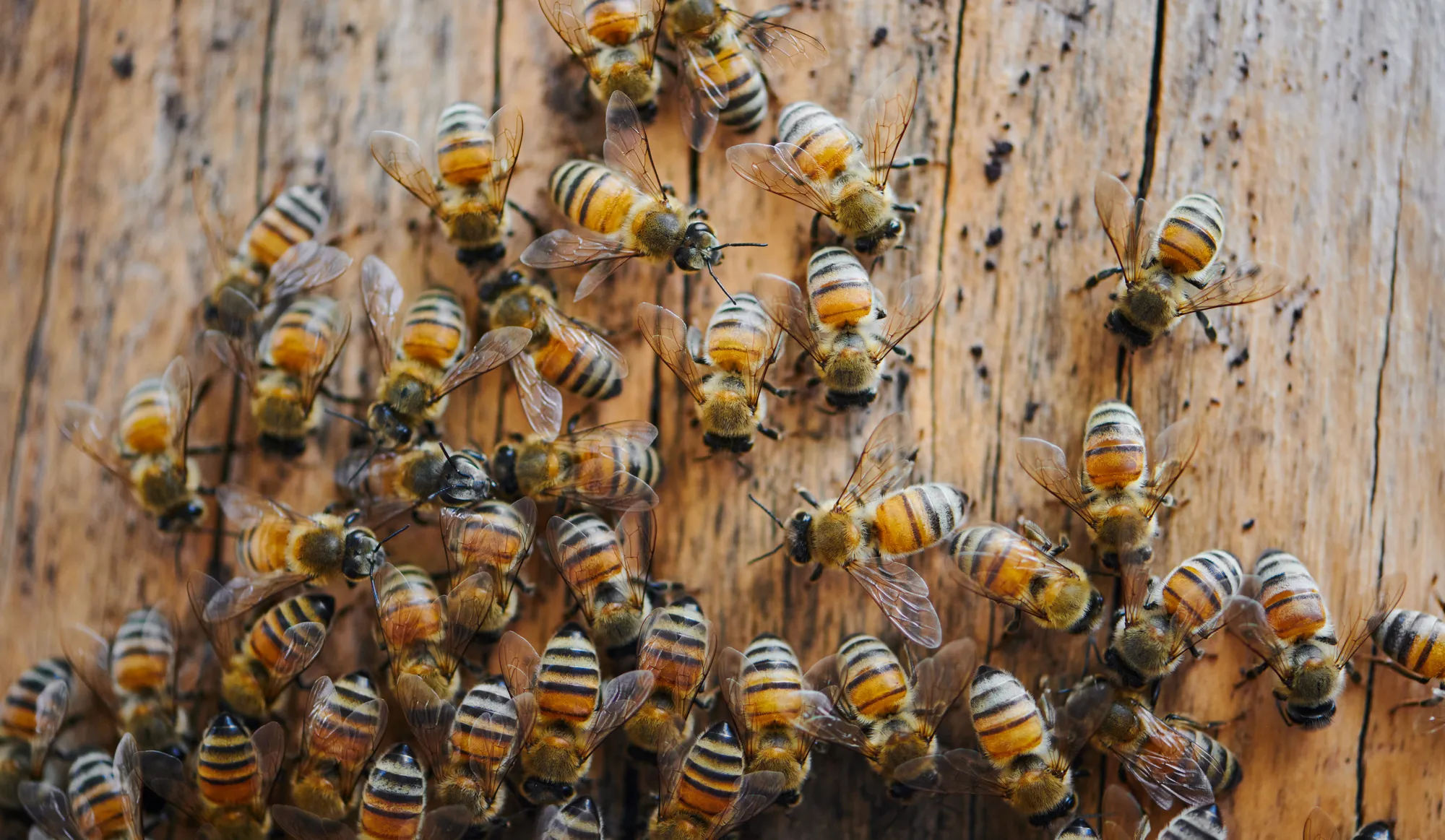
The rise of urban bee populations is part of a broader trend of animals adapting to human-dominated environments. While some species have found ways to thrive in cities, others, like bees, are still learning to navigate these complex environments. The phenomenon in Netivot highlights the delicate balance bees must strike between finding resources like food and shelter while avoiding disturbances in their urban surroundings.
Researchers are particularly concerned about the ecological implications of these new bee behaviors. In cities, bees face the challenge of navigating not only human-made structures but also pollution and limited access to natural habitats. While urban gardens and beekeeping initiatives provide some relief, experts argue that the natural balance between bees and their environment is still under threat, particularly in areas where large swarms can cause unintended consequences.
Moreover, these behaviors may also indicate a change in the way urban environments are impacting species’ migrations and settlements. As cities expand, more species will likely adapt to these new habitats — but how these adaptations unfold is still largely unknown. For bees, whose role in pollination is integral to the survival of many plant species, these shifts are especially concerning.
The Impact of Climate Change
Scientists also point to climate change as a contributing factor to the growing presence of bees in urban environments. Rising temperatures, unpredictable weather patterns, and changing seasons have altered the behavior of many species, including bees. Warmer temperatures, for instance, can lead to earlier blooms and longer growing seasons, providing more opportunities for pollinators to thrive.
However, climate change also poses significant risks to the delicate ecosystems that bees rely on. For example, droughts and extreme weather events can lead to the loss of flowering plants and other natural food sources. Additionally, rising temperatures can disrupt the timing of flowering cycles, causing a mismatch between the availability of food and the bees’ reproductive cycles. This can further exacerbate the pressures bees face in urban environments, where natural habitats are already limited.
What Does This Mean for Urban Planning?
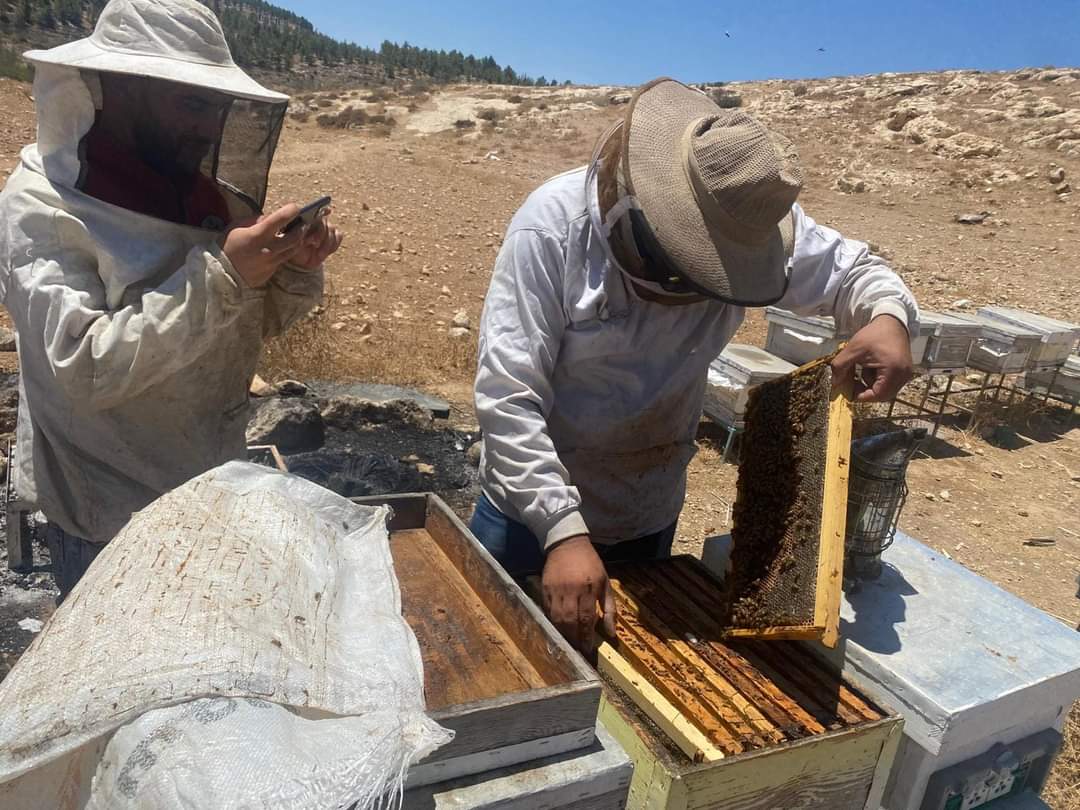
The unusual bee swarm in Netivot also raises questions about how cities are planned and what role wildlife conservation plays in urban development. As cities continue to expand, there is a growing need for integrated planning that takes into account the health and well-being of local ecosystems. For bees, this means providing spaces for them to live, feed, and reproduce while minimizing the impact of human activities on their habitats.
Urban planners and architects are increasingly considering the role of biodiversity in city development. Green roofs, urban gardens, and the planting of native flowers are just a few of the strategies being employed to support bee populations and other wildlife in cities. This kind of thinking is essential if we are to build cities that are not only livable for humans but also supportive of the natural world.
The Role of Local Communities
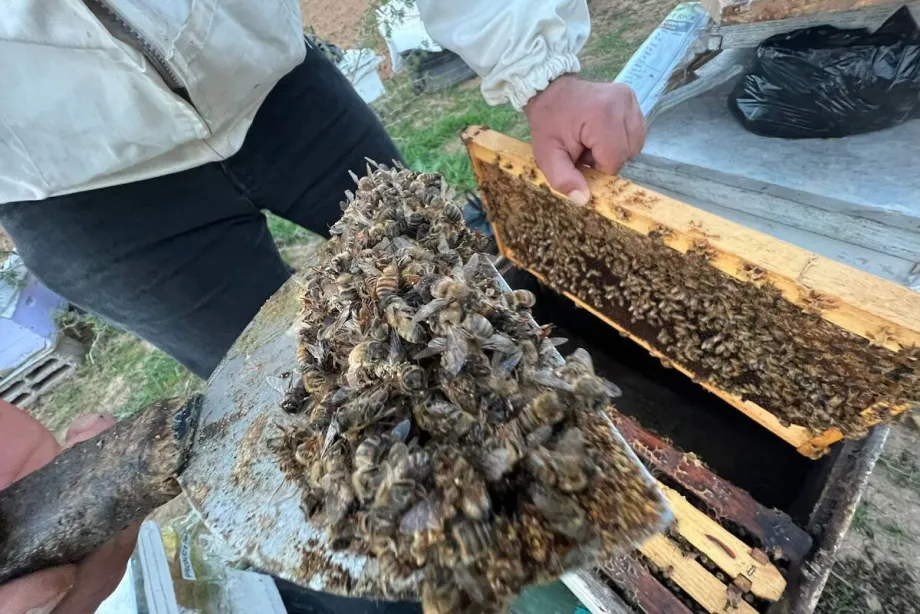
Local communities also have a critical role to play in supporting bee populations. In Netivot, residents were initially concerned about the swarm, but as the situation unfolded, they began to appreciate the importance of bees in maintaining a healthy environment. Public awareness campaigns about the benefits of bees and how to coexist with them can help foster more harmonious relationships between humans and wildlife.
Beekeeping initiatives and educational programs can also teach people how to attract and support bees in their own backyards. This type of grassroots involvement can have a significant impact on improving local ecosystems and ensuring that pollinators have the resources they need to thrive in urban environments.
Implications for the Future of Urban Ecosystems
The massive bee swarm in Netivot is more than just an unusual urban event; it is a reminder of the complex relationship between humans and the natural world. As cities continue to grow and expand, the challenges facing wildlife like bees will only increase. The swarm serves as a valuable opportunity for scientists to study how bees adapt to urban life and what needs to be done to support their populations in the future.
The findings from this investigation into the Netivot swarm will likely shape the way we think about urban ecosystems and the role of pollinators in sustaining them. By improving our understanding of how bees interact with urban environments, we can develop better strategies for preserving biodiversity and ensuring that cities remain vibrant, sustainable habitats for all species.