
Table of Contents
- A simple delivery that became a national story
- Why Richard and Brenda were still working
- The fundraiser that stunned even the couple
- Why the story touched so many people
- The harsh truth behind retirement insecurity
- Brittany Smith’s role in changing their lives
- A viral moment with a bigger social meaning
- What makes this story memorable
- More than a fundraiser, a mirror of modern life
A simple delivery that became a national story
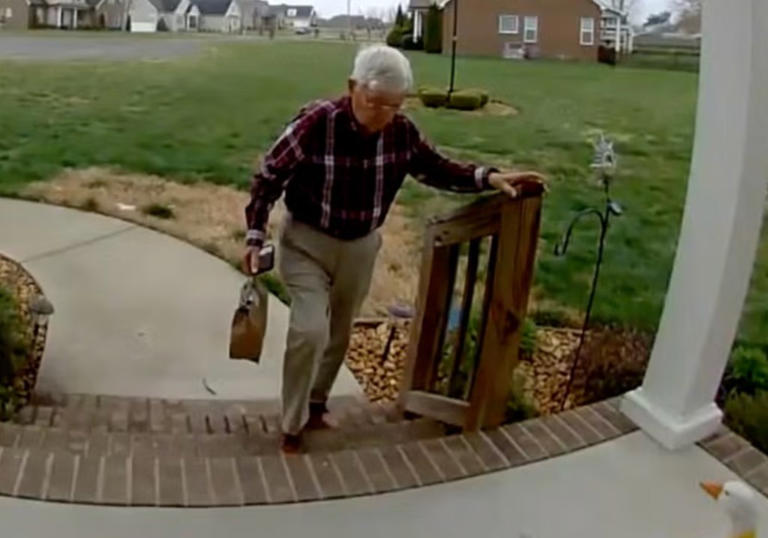
There was nothing flashy about the moment that set this story in motion. According to People, Brittany Smith captured Richard Pulley on her door camera as he slowly made his way up her steps on March 10, using the handrail and moving carefully before placing her order at the door. It was a small scene, almost painfully ordinary, but that was exactly what made it powerful. In an era when gig work is often discussed in statistics and app features, this was a real person, an elderly man still working deliveries because he had to. Smith was deeply moved by what she saw and took to social media with a plea to help find him. She described him as “precious” and wanted to understand why he was still doing this job at his age.
That question hit a nerve because so many people recognized what they were seeing. Richard was not being framed as a superhero of hustle culture or a cheerful retiree staying active. He represented something harder to look at. He was a reminder that for many older Americans, retirement is not always final, secure, or restful. Sometimes it ends quietly, pushed aside by job loss, medical expenses, or rising living costs. That is what gave the video emotional force. It was not just about one elderly delivery driver. It was about the uncomfortable reality that old age does not always bring safety.
Within a short time, the story moved beyond Smith’s personal concern and into the national spotlight. The fundraiser she started gained traction at remarkable speed, and what might have remained a touching local anecdote became a viral act of collective generosity.
Why Richard and Brenda were still working
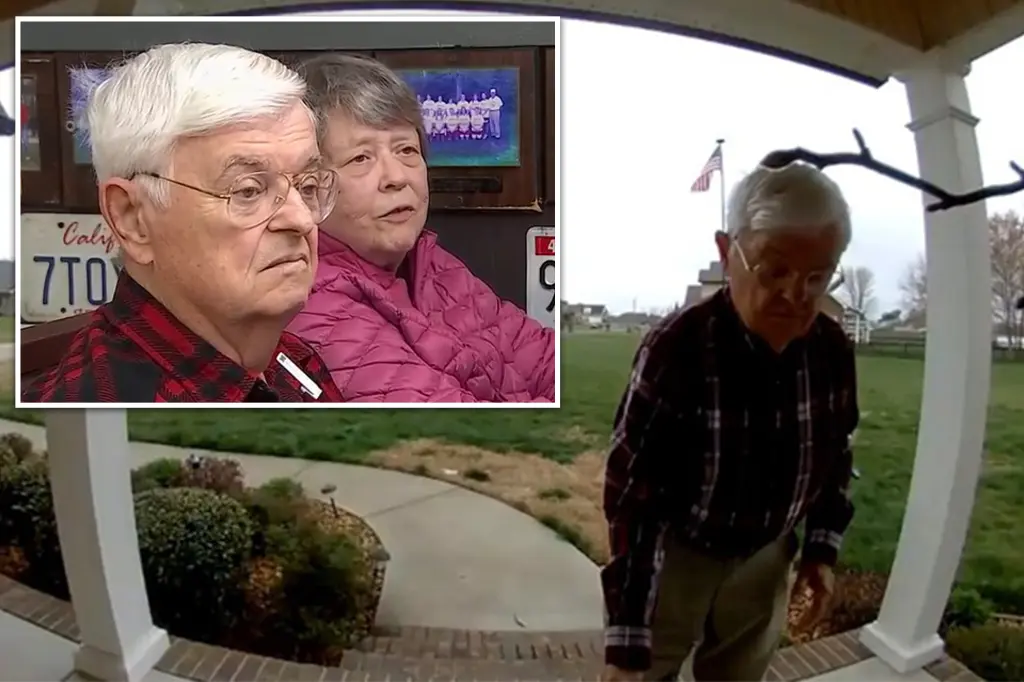
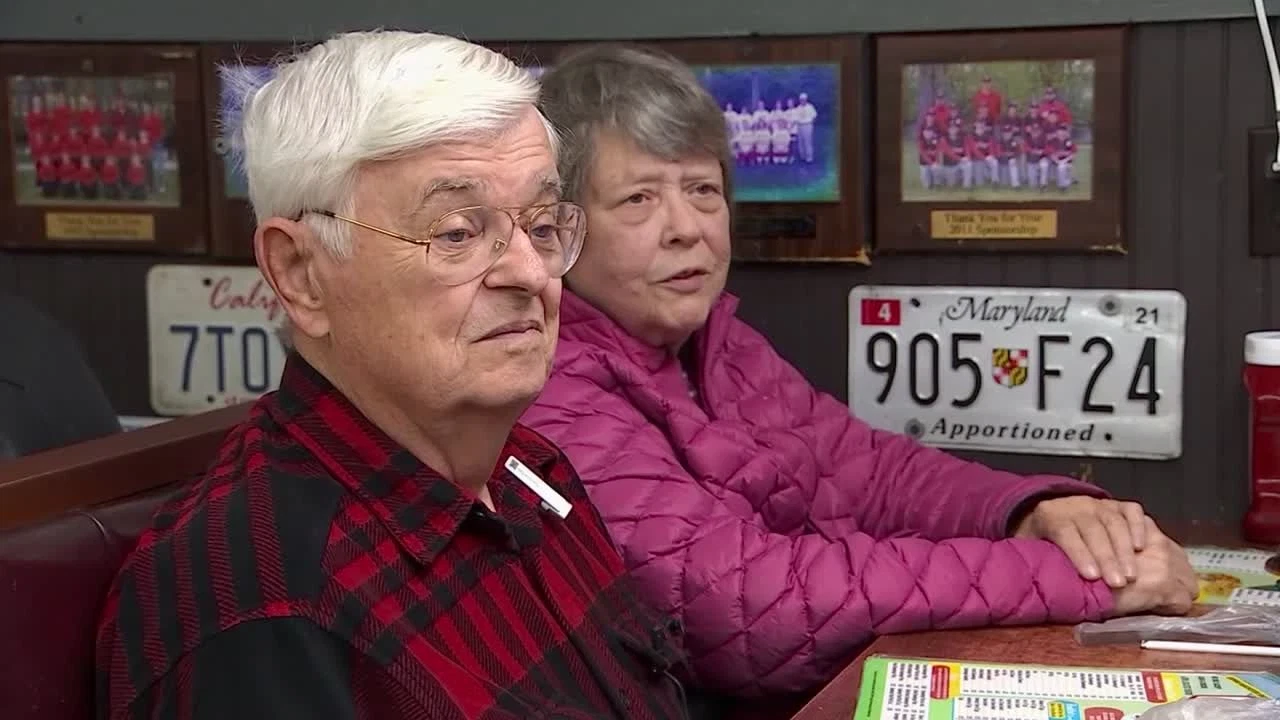
The details of the couple’s situation made the story even more moving. People reported that Richard had previously been retired, but he went back to work after Brenda lost her job. For more than a year, the two had been working together doing deliveries. Brenda drove the car, while Richard handled the drop offs. She later explained that when people are past their mid 70s, there are not exactly lines of employers waiting to hire them. That one remark captured the brutal practicality behind their decision. They were not in this position because it was fun or flexible. They were in it because their options had narrowed.
Brenda also said the couple had been struggling with living expenses and thousands of dollars in annual medical costs. That detail helps explain why the story resonated so strongly. It was not only about age. It was about the intersection of age and vulnerability. Job loss is hard enough in middle age. In the late 70s, it can feel devastating. The same economy that celebrates flexibility and side income can become merciless when older adults are forced into work few imagine them doing.
There was also something deeply affecting about the couple’s teamwork. Brenda drove. Richard delivered. Together, they created a survival routine. It was practical, modest, and quietly heartbreaking. In another context, people might have described it as sweet. Here, it carried a different emotional weight. It spoke of resilience, yes, but also of necessity.
The fundraiser that stunned even the couple
Once Brittany Smith found Richard and Brenda, the fundraiser took on a life of its own. People reported that within just two days, donations had crossed the $500,000 mark. By March 13, the total had reached more than $532,000. For a couple who had been trying to stay afloat through deliveries and rising costs, the speed and scale of that response must have felt almost unreal. Richard said the money was taking a lot of pressure off them and “making life livable once again.” Brenda admitted it was hard to believe that so many people who did not even know them would be willing to help.
That kind of language matters. It shows that the fundraiser was not just a pleasant surprise or a temporary comfort. It changed the emotional temperature of their lives. Pressure was reduced. Life became livable again. Those are not casual phrases. They suggest the couple had been carrying an invisible burden that many people never saw until a single delivery exposed it.
The internet often moves on quickly, treating every emotional moment as disposable content. But this case felt different because the donations translated instantly into something concrete. They were not symbolic likes or supportive comments. They represented a direct intervention in the lives of two people who needed relief right now.
Why the story touched so many people
There are countless human interest stories online every day, yet only a few cut through the noise in a way that feels universal. This one did because it brought together several themes that many people find impossible to ignore. There was old age, dignity, economic stress, partnership, and the sight of someone working beyond the age when society tells us rest should finally arrive. It also offered something increasingly rare in public life: a problem that strangers could actually help solve.
In many viral stories, the audience is left with outrage or sadness but little power. Here, viewers could do something immediate. They could donate, share, and participate in a positive outcome. That created momentum. Once people saw the fundraiser growing, the story became not just about a struggling couple but about a crowd trying to restore fairness to a life that seemed to have run short on it.
Another reason the story resonated is that it challenged a popular narrative about gig work. Delivery platforms are often promoted as convenient solutions for people looking for freedom and flexibility. Sometimes that is true. But Richard and Brenda’s case showed another side. For some workers, these platforms are not side hustles. They are emergency lifelines. And when the public saw an elderly couple relying on this system to survive, the platform economy suddenly looked very different.
The harsh truth behind retirement insecurity
At the center of this viral moment is a deeper national issue. Retirement is often imagined as a reward earned after decades of labor, but for many people it is fragile. One lost job, one medical problem, or one rise in household expenses can destabilize everything. Richard and Brenda’s experience reflects that wider insecurity. They had already reached the stage of life when work is supposed to ease, yet they found themselves delivering food to strangers just to make ends meet.
Stories like this strike such a strong emotional chord because they expose the gap between cultural expectation and lived reality. People want to believe that those who work hard will eventually reach a secure old age. When they see evidence that this promise does not always hold, it creates discomfort and compassion at the same time.
The medical cost detail is especially important. Brenda said they had thousands of dollars in medical expenses each year. That is the kind of financial pressure that can quietly undo retirement plans, even for people who thought they had done everything right. It is easy to talk about retirement as a personal responsibility. It is much harder to ignore how fast health expenses and job disruption can erase whatever stability people once had.
Brittany Smith’s role in changing their lives
Every viral story has a turning point, and in this one that turning point was Brittany Smith’s decision to act. She did not merely feel sorry for Richard. She posted, asked questions, tried to find him, and created a GoFundMe campaign that turned sympathy into real financial help. People reported that she later met Richard and Brenda in person, along with her daughter, after the fundraiser took off. She told local media, “I love this man,” a simple quote that captured how personal her response had become.
What makes her role notable is that she functioned as a bridge between private hardship and public action. Before her video, Richard and Brenda were working quietly, largely unseen. After her post, they became the focus of a nationwide outpouring of care. In that sense, Smith did more than document a touching moment. She altered the couple’s future.
This is one reason the story felt so satisfying to many readers. It did not rely on institutions moving quickly or corporations stepping in with polished statements. It began with one person paying attention. The internet often receives criticism for magnifying cruelty, misinformation, and shallow performance. Here, it magnified attention in a way that led to material relief. That is part of why the story spread so widely. People wanted to believe that compassion could still scale.
It would be easy to frame this as a feel good story and leave it there. But doing that would miss the larger meaning. Richard and Brenda’s sudden rescue through public generosity is heartwarming, but it also raises difficult questions. How many other older couples are in similar situations without a viral video to bring them help? How many people continue working into their late 70s and beyond because job loss, medical bills, or inflation have made retirement impossible?
The public response to Richard and Brenda shows that many people feel deeply uncomfortable with the idea of elderly Americans doing physically taxing app based work out of necessity. The generosity was real, but so was the silent protest behind it. Donations were not just gifts. They were also a collective statement that this couple should not have had to keep working like this.
That is part of what made the story feel bigger than a fundraiser. It became a kind of moral referendum. People were not only helping Richard and Brenda. They were reacting against a social reality that left them in this position in the first place.
What makes this story memorable

Some viral stories vanish as quickly as they appear, but this one is likely to remain memorable because it contains a complete emotional arc. It begins with hardship, moves through discovery, and ends in relief. It has recognizable characters, visible stakes, and an outcome that feels genuinely transformative. Richard and Brenda are not abstract symbols. They are a married couple doing their best under pressure. Brittany Smith is not a distant observer. She is the person who saw, cared, and acted.
There is also something unforgettable about the image at the center of it all. An elderly man, carefully climbing steps with the help of a handrail, carrying out a delivery he should not have needed to make. That image says more than a policy report ever could. It condenses age, effort, vulnerability, and perseverance into one ordinary scene.
And then comes the reversal. Instead of fading into the endless stream of content, that scene sparked a wave of generosity strong enough to change lives. That kind of turn is rare. It reminds people why they still pay attention in the first place.
More than a fundraiser, a mirror of modern life
In the end, the story of Richard and Brenda Pulley is not only about money raised. It is about what their experience reveals. It reveals how close financial insecurity can sit beside old age. It reveals how invisible hardship can remain until one person notices. And it reveals that while the internet is often blamed for making people colder, it can still occasionally expose how hungry people are for chances to do something kind.
Richard said the fundraiser made life livable once again. That may be the most important line in the whole story. It tells us the donations did more than provide comfort. They restored breathing room, dignity, and the possibility of rest. For a couple who had already reached an age when life should have slowed down, that is no small thing.
The deeper question is what happens after the applause fades. Viral generosity can save individuals, and that should never be dismissed. But stories like this also challenge society to look more carefully at the conditions that make such rescues necessary. Richard and Brenda were fortunate enough to be seen. Many others are still climbing steps, still driving deliveries, still trying to hold life together in the years that were supposed to be easier. That is why this story matters. It is uplifting, yes, but it is also a mirror. And what it reflects is both beautiful and unsettling.