
Table of Contents
- The disappearance that never stopped haunting Europe
- Why investigators returned in 2025
- The suspect at the center of the modern investigation
- The painful shadow of the early investigation
- The searches that came before this one
- Why the case still grips the public imagination
- What “too late” really means in a case like this
- The wider meaning of the 2025 search
The disappearance that never stopped haunting Europe
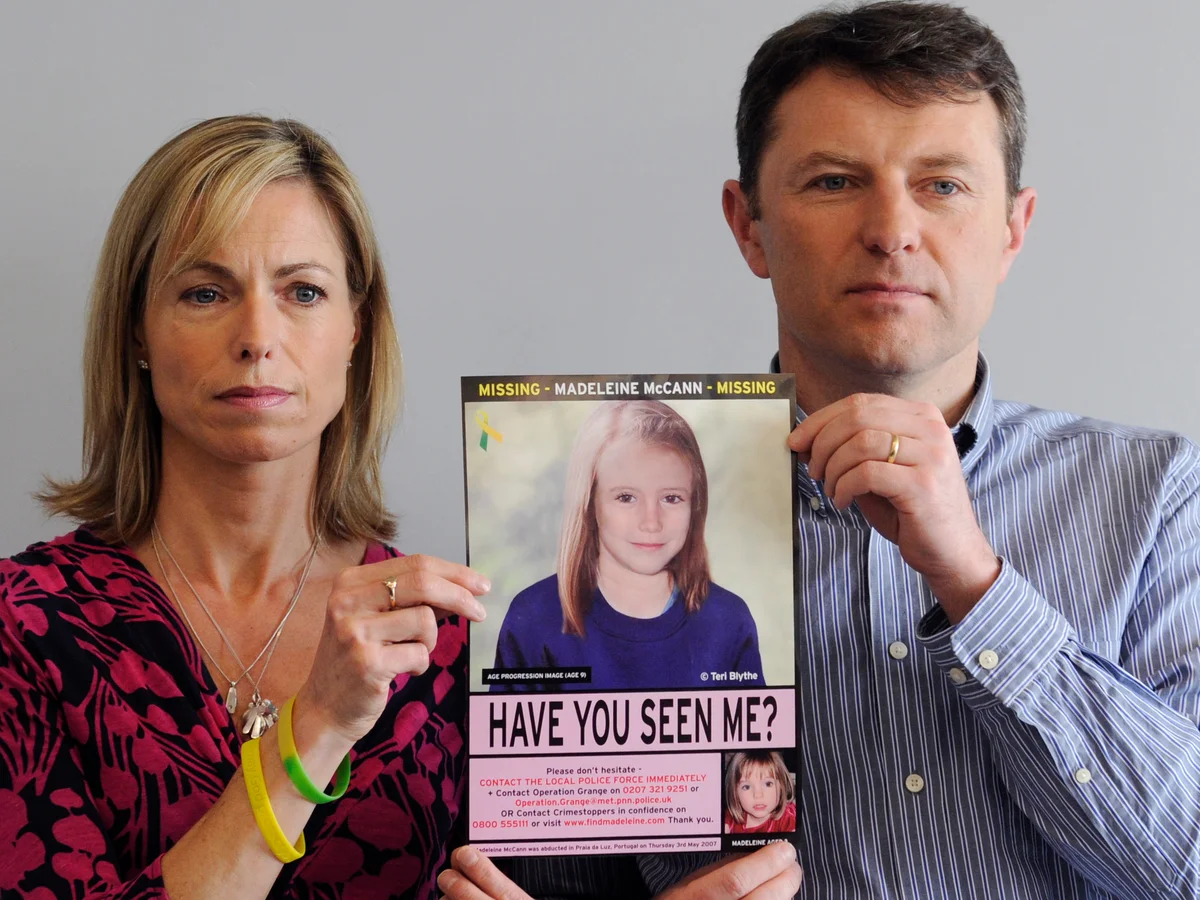
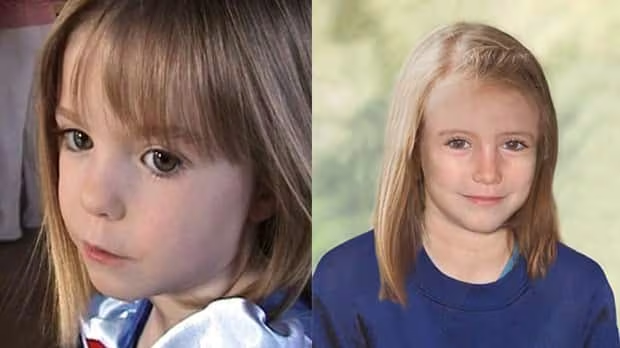
Madeleine McCann was three years old when she vanished during a family holiday in Praia da Luz, Portugal. Reuters’ case timeline says she disappeared from the apartment where her family was staying while her parents dined nearby with friends. From the beginning, the case drew huge international attention, both because of the child herself and because of the troubling circumstances of the disappearance. What happened in that apartment and in the hours immediately after became the foundation of one of the longest running and most heavily scrutinized missing child investigations in Europe.
The emotional power of the case has never really faded. Madeleine’s photograph, her age, and the apparent vulnerability of the moment all combined to create a story that people across countries continued to follow long after other news cycles moved on. Over time, the case became not just a police matter but a symbol of unresolved grief, public suspicion, media obsession, and institutional failure. Every new development has therefore carried unusual weight, because each one raises the possibility that the mystery could finally be solved or, just as painfully, that it could remain permanently unresolved.
That is why the 2025 search immediately reignited intense global interest. It was not simply another procedural step. It was a return to the physical setting of the disappearance itself, a return that suggested investigators still believed there might be something left to find in the landscape after all these years.
Why investigators returned in 2025
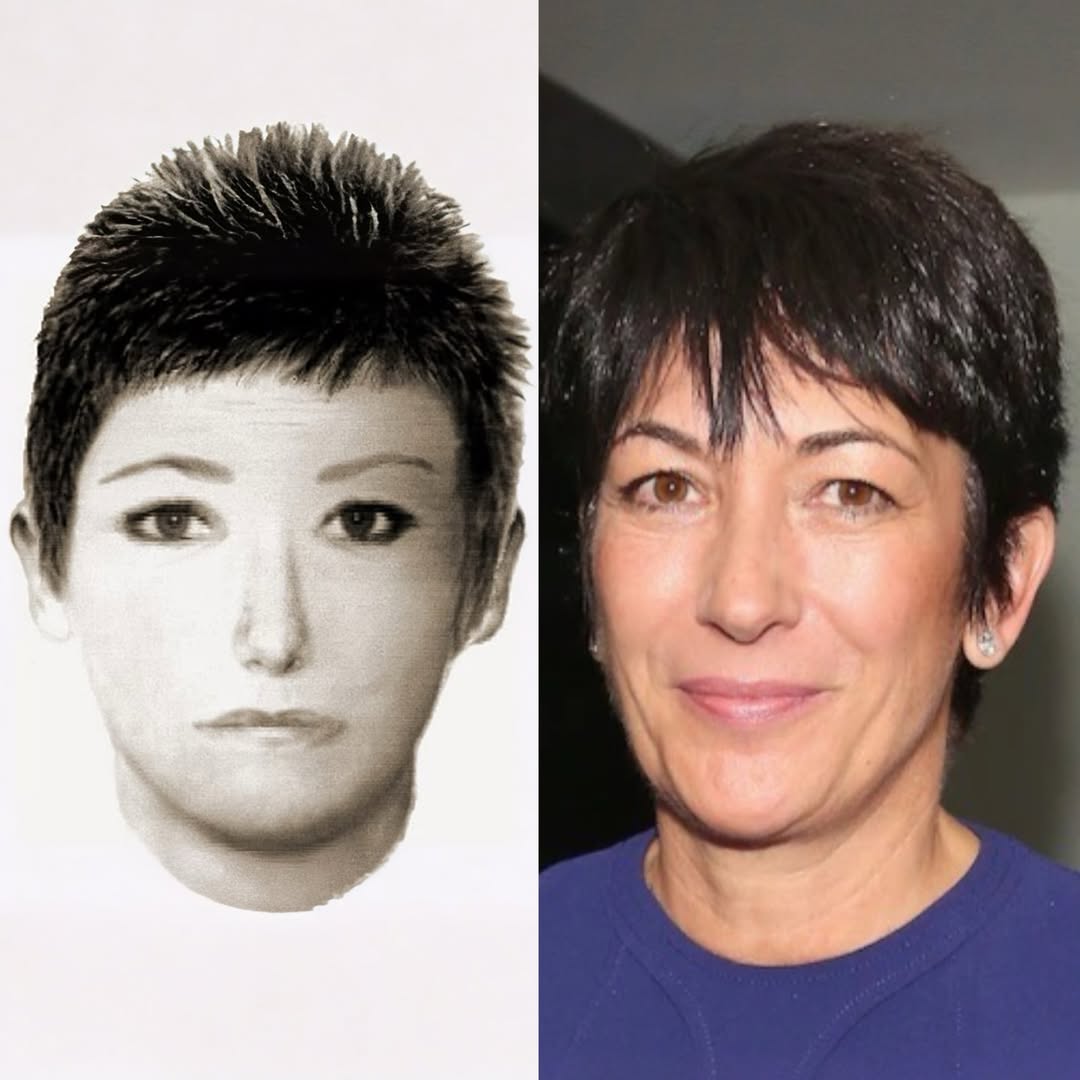
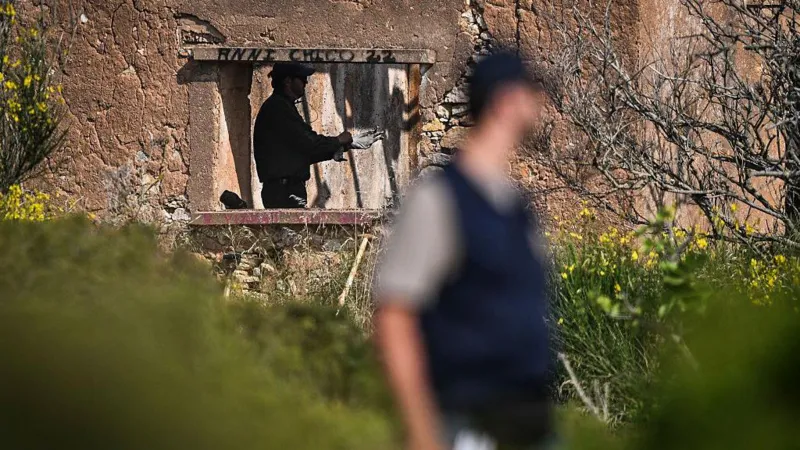
Portuguese police said the new searches were conducted at the request of German authorities and would run from June 2 to June 6, 2025. Reuters reported that the operation was tied to the Braunschweig prosecutor’s office, which in 2022 formally identified German national Christian Brueckner as an official suspect in Madeleine’s disappearance. The search area reportedly lay between Praia da Luz and one of the houses where Brueckner had lived when Madeleine vanished. That detail gave the operation a sharper focus than some earlier search efforts, which had ranged across other parts of the Algarve over the years.
The scale of the search was notable. Reuters described it as possibly the most extensive operation since the original investigation was closed in 2008, with officers using ground penetrating radar across several hectares. Maritime police also took part, reflecting the difficult terrain and the possibility that areas near the coast, reservoirs, or wells might need specialist handling. These were not casual checks. They were structured, multinational forensic efforts directed at a particular zone that investigators apparently still considered relevant.
And yet, the searches also carried an unmistakable undertone of urgency. In January 2025, the German prosecutor handling the case said there was currently no prospect of charges being brought against Brueckner. Reuters also noted that Brueckner’s prison sentence in Germany was due to end in September 2025 unless prosecutors found enough evidence to charge him in relation to Madeleine’s disappearance. That timing gave the 2025 search added importance. It suggested investigators were not just revisiting the past out of routine persistence. They were searching within a narrowing window.
The suspect at the center of the modern investigation
Christian Brueckner has hovered over the case for years, but the public picture remains incomplete and deeply contested. German authorities said in 2020 that Madeleine was presumed dead and that Brueckner was likely responsible. He has consistently denied involvement and has not been charged with any crime related to her disappearance. Reuters has described him as a convicted child abuser and drug dealer who was imprisoned in Germany for raping a 72 year old American woman in the same Algarve region where Madeleine vanished.
That background is one reason the case took such a dramatic turn after 2020. Before then, the Madeleine McCann investigation had already consumed vast public attention, but the German intervention changed the nature of the discussion. It introduced a named suspect and, even more significantly, a prosecutorial theory that Madeleine was dead. British police had long treated the matter as a missing person case. German prosecutors pushed it toward the language of homicide, even though the public evidence remained limited and charges never followed.
This gap between suspicion and charge has shaped much of the frustration around the modern phase of the case. On one hand, investigators clearly considered Brueckner important enough to justify years of interest, renewed searches, and continued coordination across countries. On the other, Reuters reported in January 2025 that prosecutors saw no current prospect of charges. That contradiction has left the public with an uncomfortable reality. A suspect can dominate the story without the legal threshold ever being reached.
The painful shadow of the early investigation
Part of what makes every renewed search so emotionally charged is the widespread sense that the earliest phase of the investigation may have lost crucial opportunities. Reuters’ 2023 summary of the case noted the family’s concern over what they described as a slow initial police response and a failure to secure the crime scene properly. In missing child cases, the first hours are often the most important. Delays, contamination, and lack of immediate structure can shape everything that follows.
That history matters because the 2025 search did not take place in a vacuum. It took place against nearly two decades of criticism, uncertainty, and second guessing. The question many people continue to ask is not only whether evidence still exists, but whether evidence that once existed was missed, mishandled, or rendered useless long ago. That is what gives the phrase “18 years too late” such emotional force. It reflects not just the passage of time, but a collective fear that the decisive moment may have come and gone in 2007.
The tension was never only forensic. It was also institutional. Over the years, the case has been shaped by different police forces, different countries, changing leads, and shifting public narratives. Portuguese authorities, British investigators, and later German prosecutors all became part of a long and sometimes uneasy investigative chain. When cases move across borders and across years, continuity is hard to maintain. Leads are reinterpreted. Prior decisions are reexamined. Confidence can erode even when effort remains high.
The searches that came before this one
The 2025 operation was not the first attempt to recover meaningful evidence from the Algarve terrain. Reuters noted that focused searches had also taken place in 2014, 2020, and 2023, targeting scrubland, wells, and reservoirs. None of those efforts were confirmed to have produced significant evidence. That record does not make new searches pointless, but it does show how difficult this case has become. Investigators are working in a setting where time, weather, human activity, and landscape change may all have erased or obscured what once could have been found more easily.
When police wrapped up the June 2025 search, Reuters said there were no immediate public announcements about what had been found. The searched area had included derelict houses, wells, and reservoirs covering dozens of hectares. That silence is typical in active investigations, but in a case this famous, silence is rarely neutral. It invites speculation. Some see it as a sign that investigators may still be examining materials behind the scenes. Others take it as another indication that the search may have failed to uncover the breakthrough so many hoped for.
This is the cruel rhythm of the Madeleine McCann case. A new operation creates hope. The absence of visible resolution creates fresh disappointment. Yet the very fact that police keep returning to the field suggests they do not consider the matter closed, even if the evidentiary path remains narrow and uncertain.
Why the case still grips the public imagination
Many unresolved crimes fade with time. This one never truly did. Part of that is because the case involved a young child and a setting people instinctively associate with safety: a family holiday in a popular European resort. Part of it is because the case unfolded in the full glare of modern media, with every development amplified across television, newspapers, documentaries, and now social platforms. But another reason is simpler and more human. People struggle to let go of stories where a child vanishes without explanation.
The continuing public interest has consequences. It has kept political and investigative pressure alive. It has ensured that police budgets, international coordination, and prosecutorial attention remained available long after many other cases might have been abandoned. But it has also turned the case into something larger than an investigation. It has become a public wound, one repeatedly reopened by each new search, lead, suspect statement, or failed breakthrough.
That dynamic can help and harm at the same time. Public attention keeps memory alive. It also creates an environment where every move is overinterpreted, every silence becomes meaningful, and every theory acquires emotional momentum before it earns legal or factual certainty.
What “too late” really means in a case like this
Saying a search is “too late” does not necessarily mean it is pointless. Cold cases are solved years, even decades, after the original crime. Advances in forensic science, better data analysis, and improved cross border cooperation can all revive investigations once thought hopeless. In that sense, there is logic behind continuing to search if police believe a site remains relevant.
But the phrase “too late” carries a deeper meaning here. It points to the burden of time itself. Memories fade. Witnesses die or become unreliable. Landscapes change. Buildings collapse. Wells fill. Tracks disappear. The legal system also changes under the pressure of time, because the urgency to charge a suspect can collide with the reality that evidence weakens as years pass. In the Madeleine McCann case, that problem became particularly visible because German prosecutors publicly tied their search efforts to a suspect while also acknowledging, at least as of January 2025, that there was no current prospect of charges.
So when observers ask whether this is 18 years too late, they are really asking whether justice has a practical expiration date. Can law enforcement still reconstruct truth from a scene revisited countless times? Can a suspect be meaningfully challenged without the kind of direct evidence that tends to vanish earliest? And can a family ever receive closure if the case remains permanently suspended between suspicion and proof?
The wider meaning of the 2025 search
Even if the latest operation does not produce a public breakthrough, it still says something important about the case and about modern investigations more broadly. It shows that multinational cooperation has become central to major cold cases. It shows that investigators are willing to keep pursuing difficult leads in rough terrain years after public confidence has eroded. And it shows how unresolved cases involving children continue to command extraordinary moral force in democratic societies.
At the same time, the renewed search is also a reminder of how expensive failure can be in the earliest stage of an investigation. Every later operation exists partly because the first hours and days after Madeleine disappeared did not deliver certainty. Whether because of procedural weakness, lost forensic opportunities, or the sheer complexity of the case, the result has been a search stretched across generations of investigators.
In the end, the latest return to the Algarve is not just about whether police find physical evidence in a ruined building, a patch of scrubland, or a disused well. It is about whether a case that has shaped public consciousness for 18 years can still move from shadow to fact. That is why the search matters, even now. It is a final effort against time itself, an attempt to prove that although the years have taken much, they have not taken everything.