
Table of Contents
A Key District with Political Resonance
The district Gregory won has long been a politically sensitive area due to the presence of Trump’s Mar-a-Lago estate. Mar-a-Lago has become a symbol of Trump’s influence in Florida, making the special election in District 87 even more consequential. Winning this district is a significant gain for Democrats in Florida, where the party often struggles to compete in state elections.
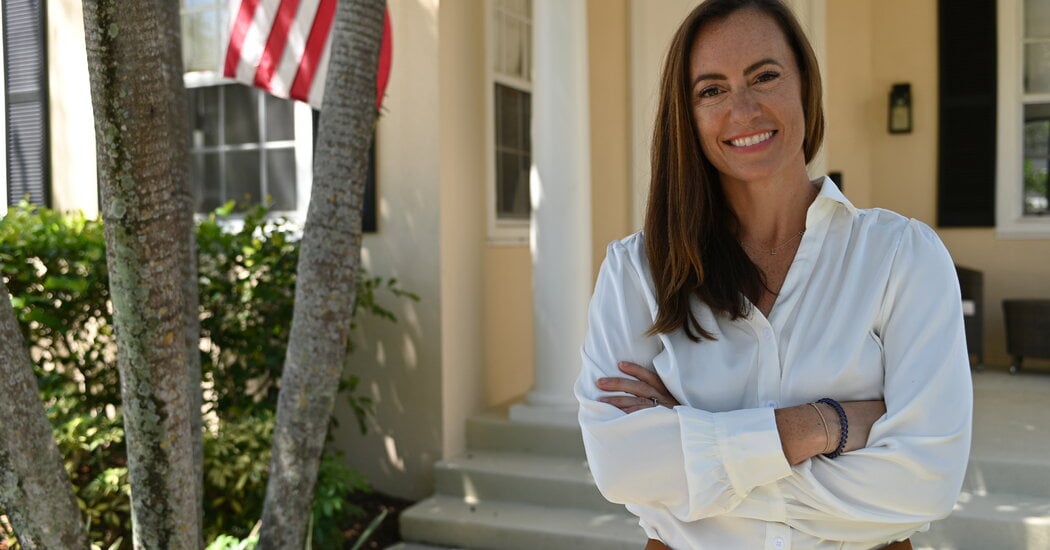
Although Trump’s presence loomed large in the district, Gregory did not focus her campaign on attacking Trump directly. Instead, she emphasized issues that resonated with the community, particularly the rising cost of living and the affordability crisis that many Floridians are grappling with. “Everyone is feeling that affordability crisis,” Gregory said, highlighting the struggles that many families face with high gas prices and increasing costs of essential goods.
While Trump’s endorsement was a major factor for Maples, Gregory remained focused on local issues and the needs of the district. She made it clear that her priorities were with the residents of District 87, not with national politics or Trump’s influence. “I will put them all with equal weight,” she said, referring to the 180,000 residents of the district, whom she promised to represent with integrity and dedication.
The Influence of Trump’s Endorsement

Although Trump was not directly involved in Gregory’s campaign, his endorsement of Jon Maples played a significant role in the race. Trump’s influence in Florida is undeniable, and his endorsement of Maples gave the Republican candidate an edge in a state that has long been a Republican stronghold. Trump’s endorsement was touted as a major boost for Maples, but ultimately, it did not prevent Gregory from securing a victory.
For some voters in the district, Trump’s endorsement made little difference. “I do what Trump does,” said one Republican voter, who expressed strong support for Maples and Trump’s influence on the election. However, some voters were surprised to learn that Trump himself voted by mail in the election, despite his vocal opposition to mail-in voting. The irony of this contradiction did not escape the notice of some voters, raising questions about the consistency of Trump’s political stances on voting.
This incident highlighted the complexity of voter sentiment in Florida, where Trump’s influence is still strong but increasingly contested by voters who are looking for pragmatic solutions to local issues like affordability and healthcare. The focus on affordability proved to be a winning issue for Gregory, as voters in District 87 prioritized practical, everyday concerns over partisan politics.
A Closer Look at Gregory’s Campaign Strategy
Gregory’s campaign strategy was grounded in addressing the specific needs of Florida families, particularly those struggling with the high costs of living. Her emphasis on issues like healthcare, affordable housing, and tax relief resonated with many voters who felt that their needs were being overlooked by the political establishment. By centering her campaign on issues that directly affected voters’ daily lives, Gregory was able to connect with constituents in a meaningful way.
Unlike many candidates who focus solely on national issues, Gregory kept her campaign firmly grounded in local concerns. She spoke about her own experiences as a business owner and military spouse, and how those experiences had shaped her understanding of the challenges facing families in Florida. This relatable approach allowed her to build trust with voters and present herself as a candidate who genuinely cared about their needs.
Gregory also made it clear that her goal was not just to win the election, but to bring real change to the district. She promised to fight for policies that would improve the lives of working families and ensure that District 87 had the representation it deserved. This commitment to serving her community rather than pursuing personal political gain was a key factor in her success.
Republican Responses to the Loss
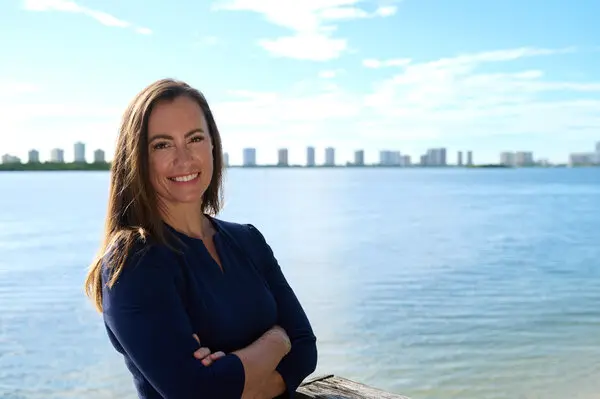
While Gregory’s victory was a triumph for Democrats, it also marked a setback for Republicans in the state. The loss of a district that Trump had previously won by a significant margin is a blow to the Republican Party, which has long held dominance in Florida. However, some Republican leaders were quick to downplay the significance of the defeat, attributing it to low turnout and the unique dynamics of a special election.
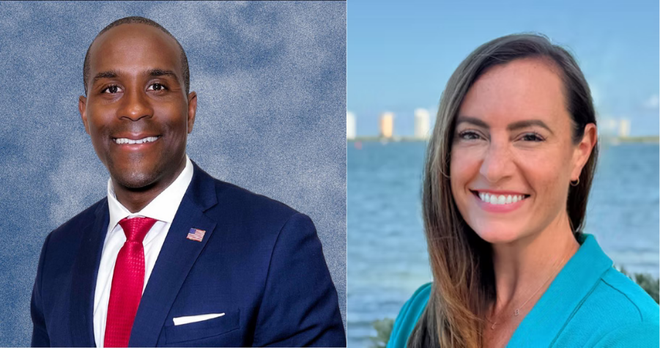
Republican strategist John Maples, who was endorsed by Trump, acknowledged that his campaign had faced significant challenges, particularly with the changing political landscape in Florida. Maples insisted that the outcome of the election did not reflect a shift in the state’s political alignment, but rather the specifics of the race itself.
Despite these reassurances, the result of the election cannot be ignored. The loss in District 87 is a sign that even in traditionally conservative areas, Democrats are finding new ways to connect with voters and address issues that matter most to local communities. The growing success of Democratic candidates in special elections across the country suggests that there may be a broader shift in the political landscape, one that could have lasting effects on future state and national elections.
Democrats on the Rise: Special Election Wins Across the Country
Gregory’s victory is just one example of a broader trend in recent special elections where Democrats have been gaining ground in traditionally red states. In the past year, Democrats have flipped more than 20 state legislative seats in special or regularly scheduled elections, signaling a potential shift in the political balance of power. This string of wins for Democrats is a testament to the growing enthusiasm and voter engagement within the party, particularly on issues like affordability, healthcare, and climate change.
The Democratic Party’s ability to win elections in districts that have long been conservative strongholds suggests that voters are increasingly willing to reject partisan politics in favor of candidates who prioritize the issues that affect their daily lives. As the party continues to gain ground in key states, it may signal a larger political realignment that could reshape the future of American politics.
A Look Ahead: The Future of Florida Politics
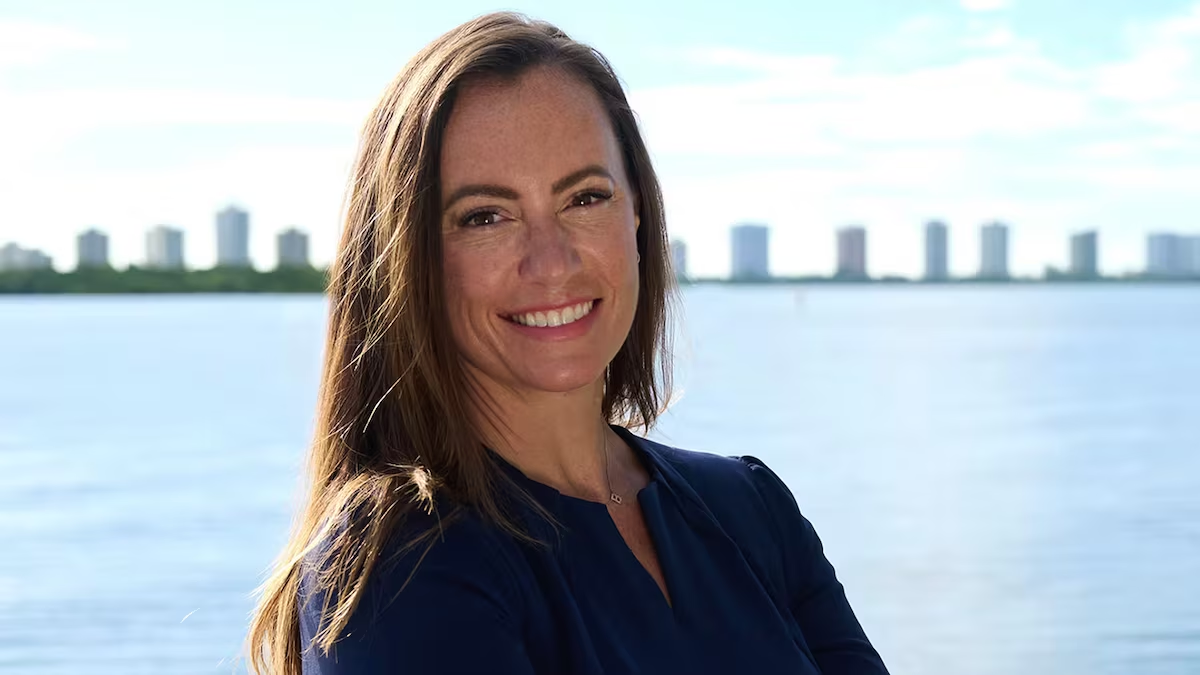
While Gregory’s victory is a significant achievement for Democrats, it is only the beginning of a larger battle for political control in Florida. As the state becomes an increasingly important battleground in national elections, both parties will continue to focus their efforts on winning over voters in swing districts like District 87. The success of Democrats in recent elections suggests that there is a growing shift in voter sentiment, particularly among suburban and working-class voters.
As the 2024 presidential election approaches, Florida will remain a key state to watch, with both parties vying for influence in the state’s rapidly changing political landscape. Gregory’s victory may be seen as a harbinger of things to come, as voters in Florida and across the country continue to demand more effective leadership that addresses their concerns about affordability, healthcare, and economic security.
A Win for Florida Families
Emily Gregory’s special election victory in District 87 is not just a win for Democrats but a win for Florida families. Her focus on affordability, healthcare, and practical solutions to everyday issues resonated with voters who are tired of partisan gridlock and are seeking leaders who will put their needs first. As Gregory prepares to take office, her victory sends a clear message that voters are ready for change—and that their voices are being heard in a new era of Florida politics.
Her win is a reminder that in politics, local issues matter, and that connecting with voters on a personal level can lead to significant electoral success. As the political landscape in Florida continues to evolve, Gregory’s victory will undoubtedly inspire other Democrats and candidates across the country to focus on issues that matter most to their communities. In the coming years, it will be interesting to see how this shift in voter sentiment impacts not just Florida, but the nation as a whole.