
Table of Contents
The Trial and the Allegations
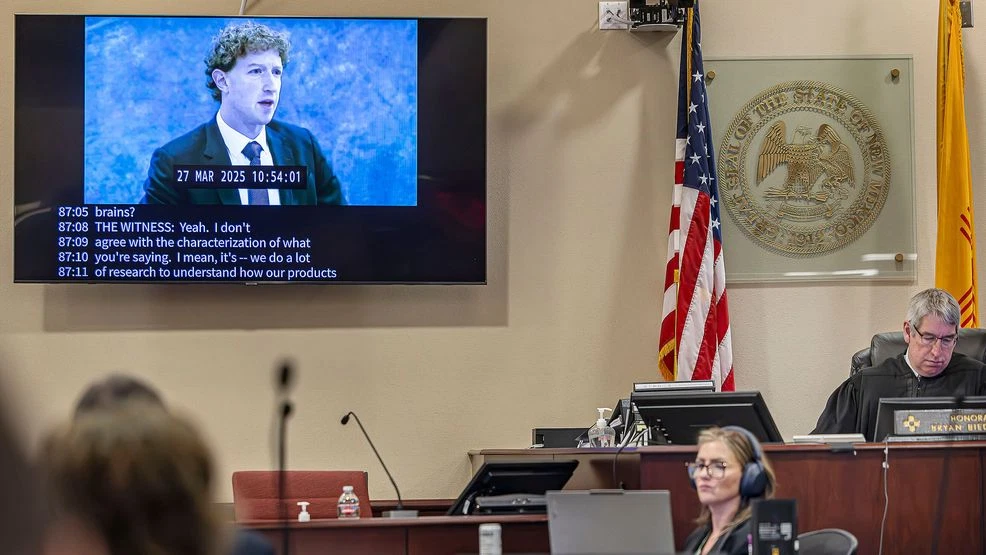
The case was brought against Meta by the New Mexico Attorney General’s Office, which argued that the company had willfully violated the state’s consumer protection laws. The jury found that Meta had misled its users about the safety of its platforms for children, despite evidence suggesting that the company knew about the harmful content circulating on its sites. The jury also agreed that Meta had engaged in “unconscionable” trade practices by exploiting the vulnerabilities of children and taking advantage of their inexperience.
Over the course of the trial, the court examined internal Meta communications, reports on child safety, and testimony from experts who argued that the company had failed to adequately address the risks of online predation and addiction among young users. The prosecution highlighted how Meta’s algorithms and business practices made it difficult to shield children from harmful content, and how the company’s actions ultimately put profits ahead of user safety.
How Meta Responded to the Ruling
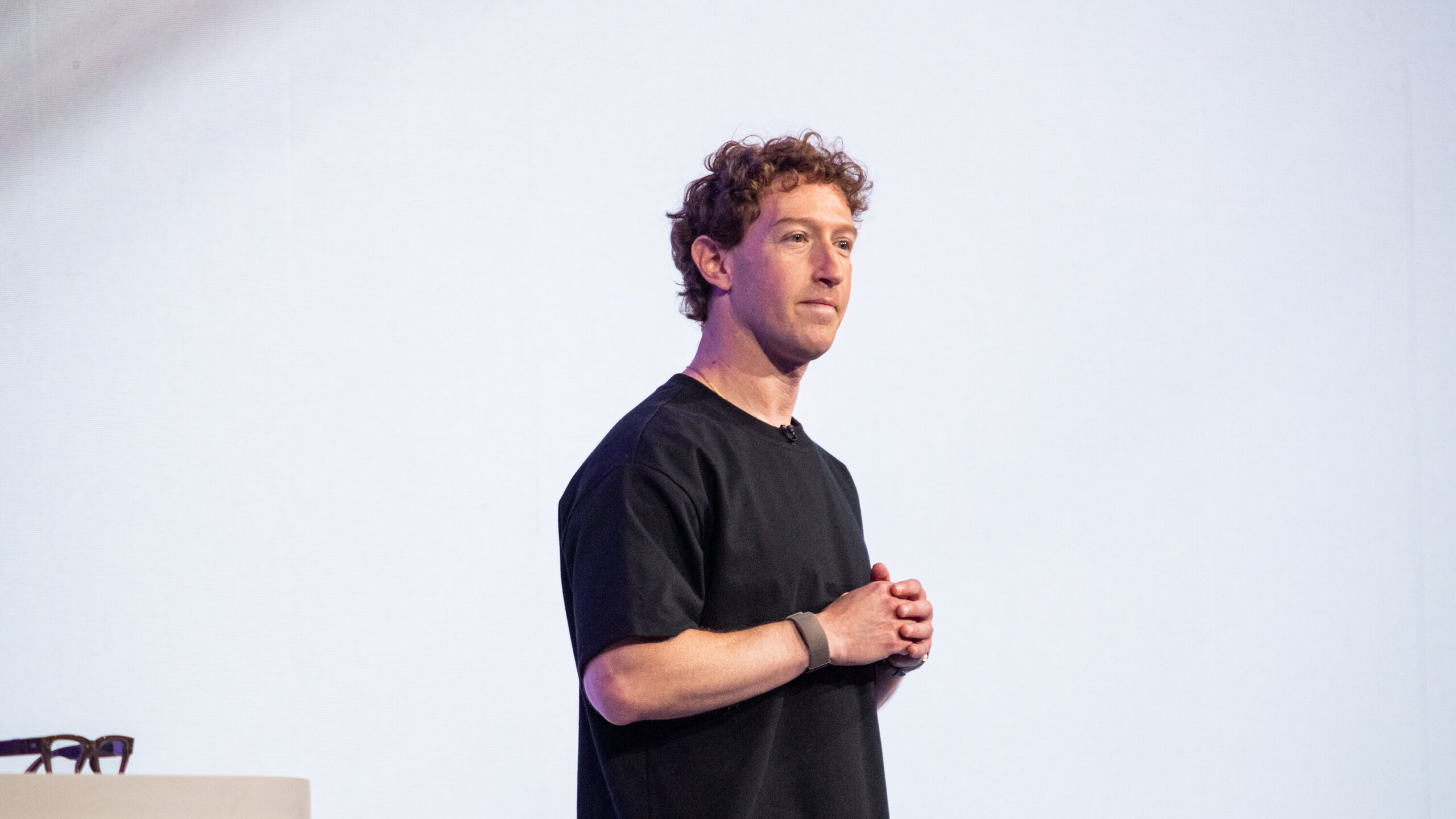
Following the verdict, Meta issued a statement expressing its disagreement with the decision, vowing to appeal. “We work hard to keep people safe on our platforms and are clear about the challenges of identifying and removing bad actors or harmful content,” said a spokesperson. “We will continue to defend ourselves vigorously, and we remain confident in our record of protecting teens online.”
Meta’s defense during the trial centered around the company’s efforts to monitor and remove harmful content and its acknowledgment that some material inevitably slips through the cracks. Meta lawyers argued that the company had taken reasonable steps to address risks, including safety features and content removal protocols. They also emphasized that social media addiction, while concerning, is not an issue that the company is solely responsible for.
Despite Meta’s defense, the jury was unconvinced. The scale of the violations, including thousands of individual cases, led the jury to impose the $375 million penalty, though it was lower than the amount the prosecution had originally sought. The penalty, while substantial, is still a fraction of Meta’s $1.5 trillion valuation, suggesting that the ruling may not have the financial impact that some had hoped for.
The Significance of the Verdict
The ruling against Meta marks a significant moment in the ongoing debate about the responsibility of tech companies to protect their users, particularly children. While the $375 million penalty is notable, the decision also sends a broader message about the increasing willingness of governments and courts to hold companies accountable for the harmful effects of their platforms.
For years, tech companies like Meta have been shielded by Section 230 of the Communications Decency Act, a provision that gives them immunity from liability for user-generated content. However, the New Mexico case and others like it are challenging this legal framework, with many arguing that tech companies should be held responsible for the content that spreads on their platforms, especially when it comes to vulnerable populations like children.
The ruling is also part of a broader trend in which state attorneys general and consumer protection agencies are taking a more active role in regulating tech companies. More than 40 states have filed lawsuits against Meta, accusing the company of contributing to the mental health crisis among young people by designing addictive features for platforms like Instagram and Facebook. These legal actions are part of an ongoing effort to hold companies accountable for the unintended consequences of their business models.
What the Future Holds for Meta
While Meta has indicated that it will appeal the ruling, the case is far from over. A second phase of the trial is scheduled for May, where a judge will determine whether Meta’s platforms create a public nuisance and whether the company should be required to fund public programs to address the harms caused by its platforms. This second phase could have far-reaching implications for Meta, as it could force the company to take additional measures to mitigate the harm caused by its platforms or face further financial penalties.
In addition to the legal ramifications, the New Mexico case is likely to prompt more scrutiny of other social media companies and their practices. Platforms like YouTube and TikTok, which have also faced criticism for their handling of child safety, may find themselves under increased pressure to change their policies and practices to avoid similar legal challenges. As public concern over the impact of social media on children grows, lawmakers and regulators are likely to continue pushing for stricter rules and greater accountability from tech giants.
The Broader Debate Over Social Media and Child Safety

The New Mexico verdict highlights the growing public concern about the effects of social media on children. With studies linking social media use to rising rates of anxiety, depression, and suicide among young people, the pressure on tech companies to act responsibly has never been greater. The case also underscores the role that algorithms play in shaping the content children see, and the potential for these algorithms to amplify harmful material.
The issue of social media addiction is particularly concerning, as many experts argue that platforms like Instagram and Facebook are deliberately designed to keep users engaged for as long as possible. While Meta has acknowledged the existence of “problematic use,” it has yet to fully accept responsibility for the addictive nature of its platforms. This reluctance to address the root causes of addiction has made the company a target for regulators and consumer protection advocates who argue that social media companies must do more to protect children and promote healthy online habits.
The Importance of Child Safety on Social Media

The New Mexico case is a reminder of the importance of ensuring that children have a safe and healthy experience on social media platforms. As more young people engage with online content, the risk of exposure to harmful material increases. From cyberbullying to sexual exploitation, the dangers are real and can have lasting consequences for children’s mental health and well-being.
Parents, educators, and mental health professionals have long called for stricter regulations on social media platforms to protect children. While Meta and other companies have made efforts to implement safety features, such as content moderation tools and parental controls, the effectiveness of these measures remains a point of contention. As the debate over child safety on social media continues, the outcome of the New Mexico case could have a significant impact on how tech companies are regulated in the future.
A Landmark Verdict with Long-Lasting Consequences
The verdict in New Mexico represents a critical step forward in the fight to hold tech companies accountable for their role in the mental health crisis among young people. While Meta’s $375 million penalty is substantial, it is only the beginning of a larger conversation about the responsibilities of social media platforms and their impact on children. As the legal battles continue, the hope is that this case will serve as a precedent for future actions against tech companies that fail to protect their youngest users from harm.
This case also serves as a reminder of the growing power of state attorneys general and consumer protection agencies in regulating big tech. With more lawsuits on the horizon, social media companies will be forced to confront the consequences of their business models and take greater responsibility for the content they host. As the legal landscape shifts, the goal remains clear: to create a safer, more responsible online environment for all users, particularly vulnerable children.