
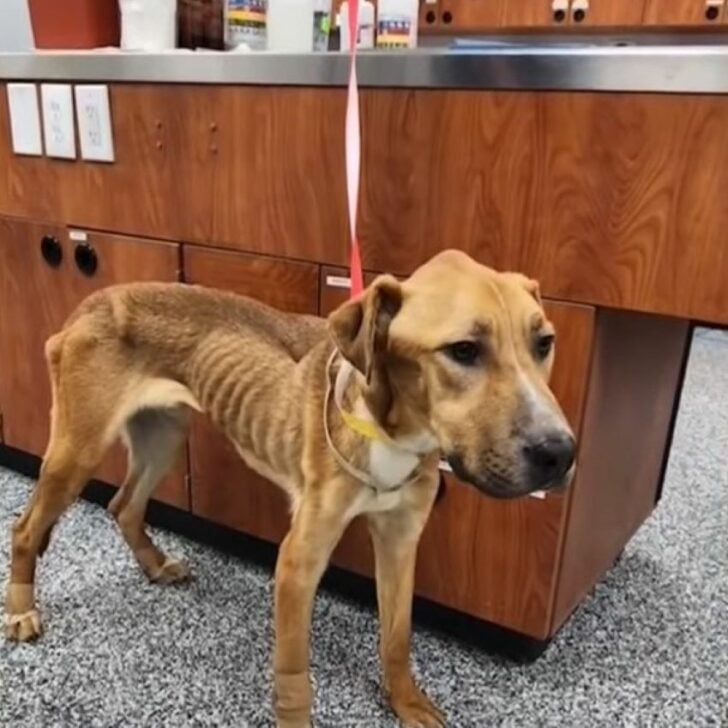
A team walks through the door of what appears to be a legitimate animal shelter. But what they find inside—23 dogs suffering in darkness, neglect and fear written in every corner—turns the entire concept of rescue upside down. This was no haven. It was a façade.
Why did those dogs end up here? Why did no one speak up sooner? And most importantly: What happens when a place meant to protect animals becomes the source of their suffering?
Scroll with me through a story that spans cruelty, discovery, and finally—hope through action.
Table of Contents
- The Discovery: Cruelty Behind Closed Doors
- What Went Wrong: Fake Shelter, Real Suffering
- The Rescue Operation: From Abuse to Action
- Healing Beyond the Shelter: The Emotional Toll on Dogs
- The Financial & Resource Challenge of True Rescue
- Why This Matters for Responsible Pet Ownership
- Home Security for Pets: Protecting Those in Your Care
- The Role of Community Awareness and Advocacy
- Final Thoughts: From Darkness to Hope
The Discovery: Cruelty Behind Closed Doors
When the investigation team first entered the premises, they found dogs chained or caged in dust-filled rooms. No light. No proper exercise areas. No real human interaction. Conditions so far below accepted standards it’s shocking.
Sadly, violations like this aren’t rare. According to watchdog reports, some facilities exploit the “shelter” label while failing to uphold essential animal welfare guidelines.
When animals are kept in darkness or deprived of proper care, their physical and emotional wellbeing takes a massive hit.
Would you expect a place labeled “shelter” to operate like this? If you walked past it every day, would you have noticed?
What Went Wrong: Fake Shelter, Real Suffering
Here’s what made this operation so disturbing:
- The facility claimed to be a legitimate rescue/haven.
- No proper lighting or ventilation—animals were kept in near-darkness for extended periods.
- Minimal food, minimal veterinary care, and no exercise or enrichment for the dogs.
These are direct violations of welfare standards that apply in many regions. For example, guidelines require adequate lighting, space to move, and separation of sleeping and activity areas.
Instead of helping animals, this pseudo-shelter had become a nightmare for them.
Imagine walking in and seeing dozens of dogs pacing, desperately trying to find any shred of sunlight or comfort. Would you look away or step in?
The Rescue Operation: From Abuse to Action
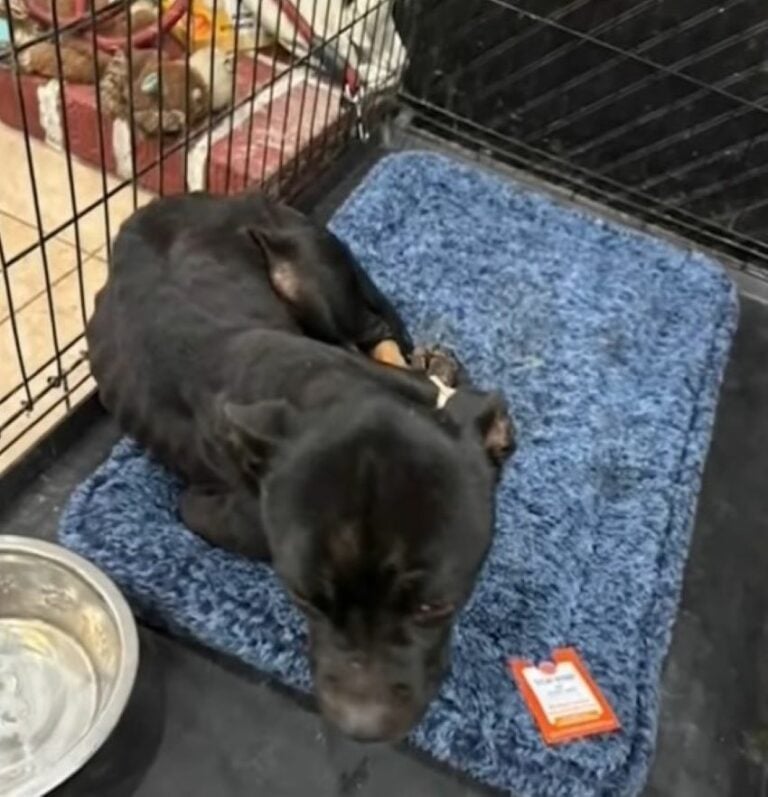
Once evidence of the horrors was documented, a rescue mission was mounted. Local animal welfare groups, volunteers, and authorities converged to remove the 23 dogs—each one needing urgent medical attention and psychological healing.
This was no quick job. Rehabilitating dogs from neglect takes time, resources, and emotional investment.
But the operation worked because of one thing: resolve. The team refused to treat it like just another bad case—they treated it like a turning point.
What would you do when you see such suffering? Would you record it, report it, or ignore it and hope someone else helps?
Healing Beyond the Shelter: The Emotional Toll on Dogs
Physical rescue is only the beginning. Each of these 23 dogs faced emotional scars—fear, distrust of humans, and often a state of confusion. A dog that has lived in darkness isn’t just neglected—it’s traumatized.
Repairing that trauma requires:
- Gentle interaction and rebuilding trust.
- Safe, enriched environments where the dog can re-learn what a home means.
- Patience.
Science shows that animals in deprived housing, especially shelters, require more than food and shelter—they need enrichment and socialization to thrive.
If you adopted one of these dogs, would you commit to the long haul of emotional recovery? Because recovery isn’t fast—it’s steady.
The Financial & Resource Challenge of True Rescue
It’s easy to say “rescue” and move on. But what about the costs—medical, housing, training, long-term care? Real animal rescue demands serious investment.
- Vet bills for neglected dogs soar.
- Proper housing, enrichment tools, and staffing add up.
- Adoption screening and follow-ups also require resources.
When you compare this to, say, a home improvement budget, it’s clear: investing in animal rescue is a real financial decision—just like you might invest in a remodel or a smart home upgrade.
If you were budgeting your next home improvement, would you consider allocating part of it to a local shelter? Could part of your “home and improvement” mindset extend to shelter animals too?
Why This Matters for Responsible Pet Ownership
This story doesn’t just highlight a bad shelter—it shines a harsh light on pet ownership, shelter reliability, and community awareness.
- Check any shelter or rescue you adopt from. Ask for documentation. Inspect conditions.
- If you adopt, commit to the long term. Animals need care beyond the first month.
- Community vigilance matters. Without people willing to ask questions, cruelty hides in plain sight.
If you were looking to adopt, what questions would you ask? Could you tell if a facility was really legit—or hiding something?
Home Security for Pets: Protecting Those in Your Care
A parallel emerges: just as animals need safe shelters, your home needs to be safe for them. Pet-proofing isn’t just about fences—it’s about being aware, vigilant, and ready for risks.
- Secure fencing can prevent escapes to dangerous places.
- Monitoring systems (cameras, sensors) can alert you when something is wrong.
- Proper lighting and environment matter—not only for people, but pets too.
Just like dogs in darkness suffer, pets in understimulated or unsafe environments at home can face emotional and physical issues. Care at home is a responsibility we often overlook.
Would you audit your home for pet safety today? What risks might your pet face that you haven’t noticed yet?
The Role of Community Awareness and Advocacy
What really changed for the 23 dogs was people who cared enough to act. Advocacy matters—social media exposure, shelter inspections, legal intervention—all were part of the solution.
You don’t need to be a professional rescuer to make an impact. A photo, a tip, a question—actions like those can prompt investigations and save lives.
If you walked by a suspicious shelter tomorrow, would you speak up? If you saw a pet at risk, would you act or hope someone else will?
Final Thoughts: From Darkness to Hope

This is a story of betrayal—but also a story of redemption. The 23 dogs rescued from that fake shelter remind us of the worst—and the best—of human nature. They remind us that when we combine compassion, investment, and action, we can transform lives.
As we wrap up, ask yourself:
- Am I doing enough for the animals I share space with?
- Could I support shelters to be more than a holding cell?
- Will I be vigilant when I adopt—and ensure I’m not unknowingly supporting a fake operation?
In our next article, we’ll explore “How to Vet an Animal Shelter Before You Adopt”—covering red flags, financial transparency, and care standards. Stay tuned.