

Table of Contents
- The Hook: A Gun Fired in a First-Grade Classroom — And What Happened Next Could Reshape School Safety in America
- The Day Everything Changed: A Six-Year-Old Child Pulled the Trigger
- The Lawsuit: A Fight Not Just for Justice, But for Accountability
- The School District Settles — And the Teacher Wins $10 Million
- The Trauma: A Teacher’s Battle to Rebuild Her Life After the Attack
- The Larger Crisis: America’s Schools Are Not Equipped to Handle Modern Threats
- What Schools Must Do Now: The Safety Reforms Everyone Is Demanding
- Public Reaction: A Nation Shocked, Divided, and Searching for Answers
- The Controversy: Can a 6-Year-Old Be Held Responsible?
- Legal Experts Say This Case Will Change Future Lawsuits
- A Story of Survival — And the Beginning of Change
- Final Reflection: What Would You Do to Protect the People Who Teach Your Children?
The Hook: A Gun Fired in a First-Grade Classroom — And What Happened Next Could Reshape School Safety in America
No teacher ever imagines this will happen.
You walk into a classroom expecting noise, questions, laughter, and crayons scattered everywhere.
You expect chaos — the kind that only 6-year-olds can create — but not violence.
Not a gun.
Not a bullet.
Not a life-changing injury.
But for one Virginia teacher, a moment that should have been ordinary turned into a nightmare that would change her life forever — and force the nation to confront uncomfortable truths about school safety, accountability, and the invisible cracks in the public education system.
Her story didn’t end in tragedy.
It ended in justice.
And her $10 million victory in court is one of the most significant rulings in school liability history.
But the questions it raises — about negligence, prevention, and the safety of America’s youngest students — are even bigger than the verdict.
The Day Everything Changed: A Six-Year-Old Child Pulled the Trigger
It was supposed to be a normal school day.
The lesson plans were ready.
The students were settling in.
The air buzzed with the usual chatter of young children eager to start the morning.
Then, without warning, a first-grader pulled out a handgun.
Before anyone could fully understand what was happening, the gun fired.
The teacher was shot at close range.
She collapsed in front of her students — children so young they barely understood what had happened, only that their teacher, the person they trusted most in that room, was suddenly bleeding and gasping for breath.
Chaos erupted.
Teachers rushed in.
Emergency crews arrived.
Parents received texts they hoped they would never see.
And the question that echoed across the country was the same:
How does a 6-year-old get a gun into a school?
The answer would reveal layers of negligence — and lead to a lawsuit that would change everything.
The Lawsuit: A Fight Not Just for Justice, But for Accountability

After surviving the shooting and undergoing multiple surgeries, the teacher filed a lawsuit that shook the education community.
She alleged that school officials ignored multiple warnings:
- Staff had reported the student behaving aggressively earlier in the week.
- Administrators were told the child might have a weapon.
- Teachers raised concerns about safety that went unanswered.
- A search was requested — but not conducted thoroughly.
- The school failed to take protective actions despite clear warning signs.
These weren’t isolated missteps.
They represented a pattern of systemic negligence.
The lawsuit was not just about compensation.
It was about exposing the truth:
This tragedy was preventable.
The School District Settles — And the Teacher Wins $10 Million
After months of legal battles, the case came to a dramatic conclusion.
Rather than face trial and public scrutiny, the school district agreed to a $10 million settlement — an amount that reflects the severity of the incident and the institutional failure behind it.
It is one of the largest settlements related to school shootings involving minors in U.S. history.
The payout acknowledges:
- lifelong medical expenses
- emotional trauma
- loss of earning capacity
- permanent physical damage
- psychological distress
- violation of safety obligations by the school
But the money, while life-changing, is not the end of the story.
It is the beginning of a national conversation.
How Did This Happen? The Systemic Failures Behind the Shooting
The settlement doesn’t just represent justice for one person — it exposes dangerous weaknesses in school systems nationwide.
Investigations revealed:
- Staff repeatedly warned administrators about the child’s alarming behavior
- The school had a culture of downplaying threats
- Safety protocols were inconsistently enforced
- Security infrastructure was outdated
- The school lacked enough counselors and behavioral support
- Teachers felt pressured to avoid escalating disciplinary actions
- Communication between staff and administration was frayed
Every one of these failures became a brick in the path leading to the shooting.
One expert said:
“This wasn’t a sudden tragedy. It was a slow-moving disaster that no one stopped.”
And parents across the country realized — if it could happen here, it could happen anywhere.
The Trauma: A Teacher’s Battle to Rebuild Her Life After the Attack
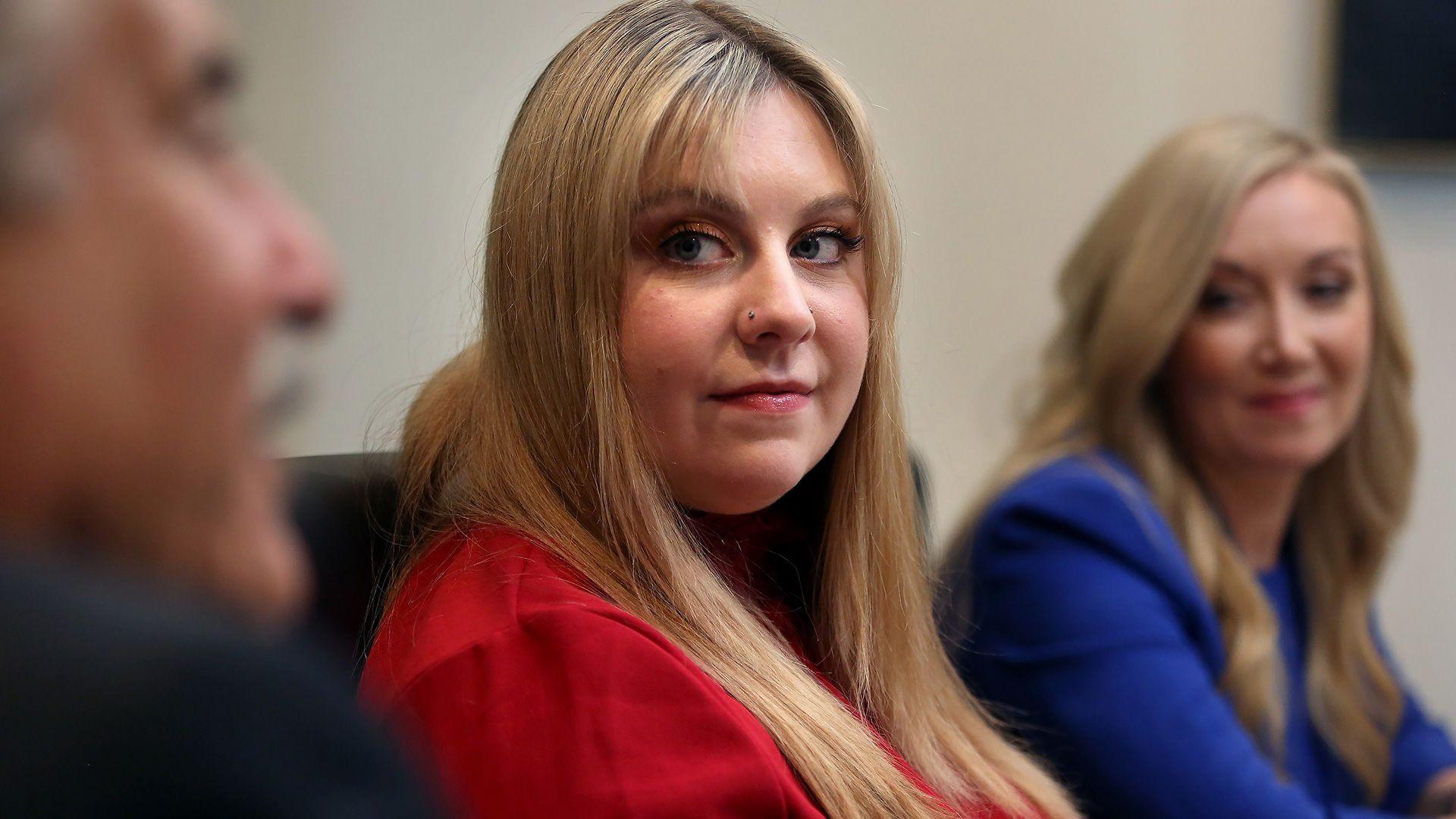
Surviving a school shooting is not a single moment of pain — it is a lifetime of recovery.
The teacher endured:
- multiple surgeries
- months of physical therapy
- chronic pain
- limited mobility in her hand
- PTSD
- anxiety
- recurring nightmares
- emotional trauma from being harmed by one of her own students
She spent months unable to work, struggling to regain control of her daily life.
Friends described her as “strong but exhausted,” a person carrying scars that no settlement can erase.
But they also describe her as brave:
“She refused to let this define her. She fought back — not just for herself, but for every teacher in the country.”
The Larger Crisis: America’s Schools Are Not Equipped to Handle Modern Threats
Experts say this incident is part of a worrying trend.
Schools today face:
- rising behavioral issues
- mental health crises among students
- lack of parental oversight
- increased access to firearms
- staffing shortages
- outdated safety systems
- overwhelmed school counselors
- administrative pressure to keep discipline statistics low
These challenges have created a dangerous environment where teachers feel unsupported and unprotected.
One teacher said:
“We are expected to be educators, counselors, guards, and therapists — with no training and no support.”
The settlement forces districts to confront reality:
Schools cannot operate on hope alone.
They need prevention systems.
They need secure reporting processes.
They need mental health resources.
They need training and transparency.
Most of all, they need to protect the people inside their classrooms.
What Schools Must Do Now: The Safety Reforms Everyone Is Demanding
Following the case, school districts nationwide are now reevaluating their safety measures.
Advocates call for:
✔ Mandatory searches when a weapon is suspected
✔ Clear reporting protocols for behavioral red flags
✔ Increased security staff
✔ Secure entry points
✔ More school psychologists and counselors
✔ Access to mental health intervention programs
✔ Anonymous student reporting systems
✔ Training for handling threats without fear of retaliation
Parents are demanding stricter standards.
Teachers’ unions are calling for new legislation.
Administrators are under pressure to deliver results, not excuses.
And the federal government is now watching closely.
Public Reaction: A Nation Shocked, Divided, and Searching for Answers
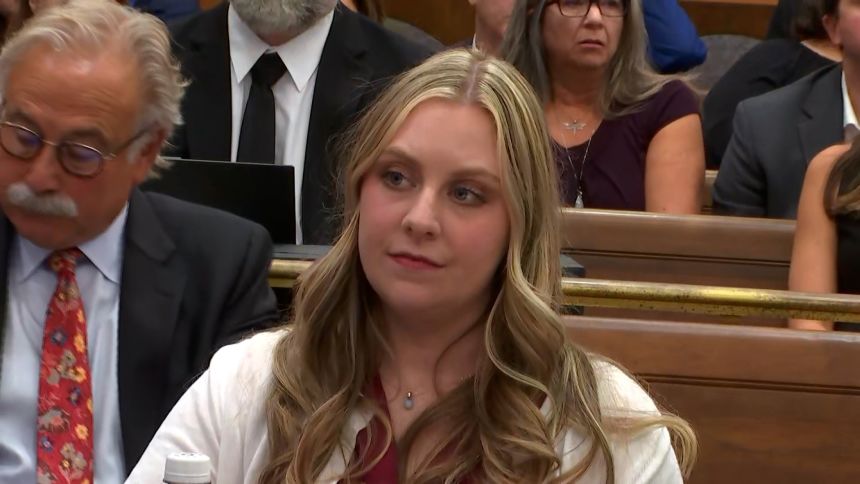
People across the country reacted with a mix of grief, anger, and disbelief.
Comments flooded social media:
- “How does a child that young access a gun?”
- “Why aren’t schools enforcing warnings?”
- “Why are teachers left alone to face these threats?”
- “If a first-grade teacher can be shot, no one is safe.”
- “This settlement should have been much higher.”
Political debates reignited around:
- gun storage laws
- parental accountability
- school funding
- mental health access
- teacher safety
But one message remained consistent:
“This should never have happened — and must never happen again.”
The Controversy: Can a 6-Year-Old Be Held Responsible?
One of the hardest questions the case raised was about accountability.
A six-year-old is too young to be criminally charged.
Too young to fully understand consequences.
Too young to grasp violence.
So who is responsible?
Experts say:
- the parents
- the school
- the administrators
- the system
The child becomes a tragic part of the story — but not the villain.
The villain is failure.
Failure to act.
Failure to communicate.
Failure to protect.
Legal Experts Say This Case Will Change Future Lawsuits
This settlement is now considered a landmark moment in school liability.
Attorneys say:
- teachers will have stronger grounds for future claims
- districts may face higher expectations for safety
- legal responsibility for ignoring warnings will increase
- failure to search for firearms could be considered negligence
- parents may face new scrutiny over weapon storage at home
One lawyer said:
“This case will be cited for the next decade. It resets the standard for how schools must respond to threats.”
A Story of Survival — And the Beginning of Change
This teacher’s courage didn’t just win her justice.
It forced a nationwide conversation.
It exposed systemic failures.
It changed how schools view threats.
It highlighted the importance of mental health.
It strengthened legal protection for educators.
It reminded the country that classrooms are sacred spaces.
And most of all:
It proved that one person’s fight can reshape an entire system.
Final Reflection: What Would You Do to Protect the People Who Teach Your Children?
School shootings are often portrayed as sudden tragedies.
But behind every one is a chain of preventable failures.
This case proves something important:
Teachers are not just instructors — they are frontline defenders in a system that often forgets to defend them back.
The $10 million settlement is justice.
But the real victory will be when no teacher ever has to face what she did.
When every school becomes safe.
When warnings are never ignored.
When accountability is nonnegotiable.
When prevention becomes the priority, not the afterthought.
Until then, this case will serve as a warning — and a catalyst.
Because safety is not optional.
Not for teachers.
Not for students.
Not for anyone.