
Table of Contents
- When internet fame crossed a terrifying line
- A teenage influencer at the center of a growing online world
- The messages that began as contact and turned into fixation
- The point where online obsession became real fear
- The night everything changed
- A father’s defense and the burden of aftermath
- Why the case exposed the darker side of influencer culture
- The law, the investigation, and the question of protection
- A nightmare that says something larger about digital life
When internet fame crossed a terrifying line
When news broke that the father of teenage TikTok star Ava Majury had shot and killed her alleged stalker outside the family’s Florida home, the story immediately jolted people far beyond the world of social media. At first glance, it sounded like the kind of frightening celebrity headline that erupts online for a day and then fades into the background. But the details made it much harder to dismiss. This was not just about a fan who went too far, or a celebrity family dealing with unwanted attention. According to the family, this was a case where online fixation turned into real world danger, where a stranger allegedly traveled across state lines, arrived armed at their home in the middle of the night, and forced a family into a split-second life-or-death situation.
That is why the case struck such a nerve. Ava Majury was only 15 at the time, a teenager whose visibility on TikTok had brought her a large following and commercial success far earlier than most people would ever expect. Her parents, like many others navigating the new world of child internet fame, had to make daily decisions about what was normal, what was manageable, and what might become dangerous. In interviews afterward, her father made clear that when the shooting happened, he did not believe he had the luxury of hesitation. He said someone had come to kill him, that he feared for his family’s life, and that he did what he had to do. Those statements turned an already shocking case into something even more unsettling: a warning about what can happen when digital obsession is allowed to grow unchecked until it arrives at the front door.
A teenage influencer at the center of a growing online world
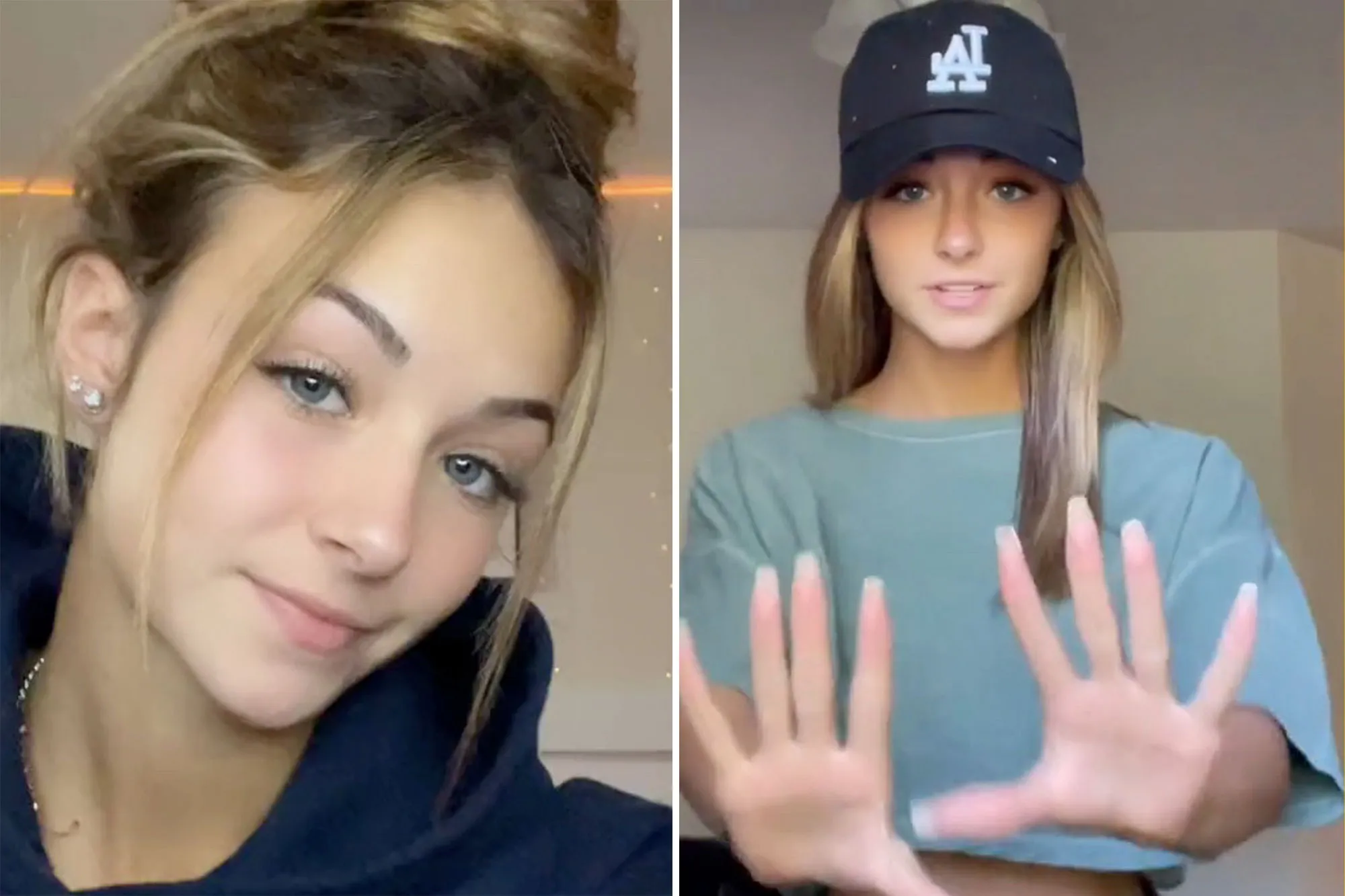
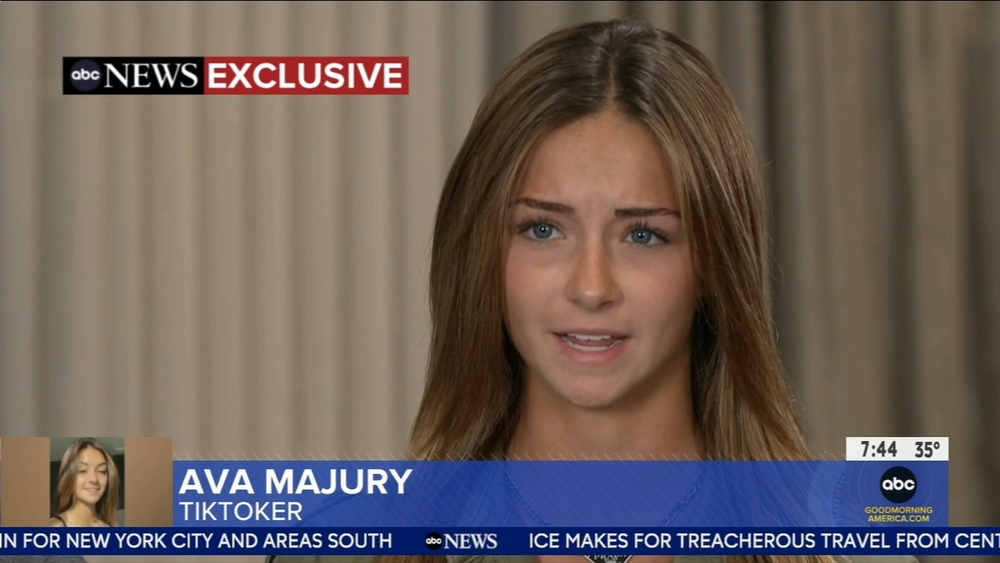
Ava Majury had become a recognizable young social media star by the time the incident happened. She joined TikTok at 13 and built a large following across multiple platforms, drawing the attention not only of viewers but also of brands willing to pay for promotion. Reports at the time indicated that she could earn substantial amounts from sponsored content and product endorsements. That level of visibility is remarkable for any teenager, but it also creates a kind of vulnerability that earlier generations of young public figures did not have to navigate in the same way.
Social media fame is different from traditional fame because it feels personal. Followers do not just watch from a distance. They comment, message, request, react, and often believe they know the creator in an intimate way. The line between public image and private access becomes dangerously thin. For adults, that can already be difficult to manage. For teenagers, it can be even harder, because the audience often feels more like peers than strangers.
This is part of what made Ava’s case so alarming. She was not a distant movie star behind studio gates. She was a teenage influencer accessible through apps, messages, and the familiar rhythms of internet culture. That kind of access can create enormous opportunity, but it can also invite obsession, especially from people who lose the ability to distinguish content from relationship.
The messages that began as contact and turned into fixation
According to reports, the alleged stalker, 18-year-old Eric Rohan Justin, had been contacting Ava for months before the shooting. He reportedly began by sending her messages, then expanded his efforts by contacting former classmates and asking for personal details and additional images. Over time, he obtained her phone number and began texting and calling her directly.
At first, the interaction may have looked like one of the stranger but not entirely unfamiliar dynamics of influencer culture. He asked for selfies and reportedly offered to pay for them. The family, after considering it, reportedly allowed the exchange on the grounds that the images were not substantially different from content already publicly available. He paid hundreds of dollars for a small number of photos, which likely made the situation appear unusual but still manageable.
That decision is one of the most disturbing parts of the story because it reflects a modern problem many families are unprepared for. The internet has created new spaces where attention, admiration, money, and access overlap in confusing ways. What begins as paid content can quickly slide into manipulation or obsession, especially when the person requesting more believes payment creates entitlement.
That is exactly what seems to have happened here. According to the reporting, the requests soon escalated. Justin allegedly asked for more explicit material, including images that crossed the boundaries Ava and her family were prepared to tolerate. Once those requests became more disturbing, she blocked him across her social media accounts. That should have ended the matter. Instead, it appears to have pushed the situation into a far more dangerous phase.
The point where online obsession became real fear
Blocking someone online is supposed to be a boundary. It is one of the most basic tools people have to protect themselves. But in stalking cases, it can sometimes act less like an ending and more like a trigger. Once Ava blocked Justin, he reportedly responded with frantic apologies, money, and notes expressing remorse. But those gestures did not calm the situation. They made it stranger.
Her father later said he even contacted the young man directly, making it clear that Ava was a minor and that he needed to stop pursuing her. He said the response at the time seemed apologetic, which may have given the family some reason to believe the problem had been contained. That belief now reads like one of the most tragic elements of the story. The family appears to have thought they were dealing with a “keyboard warrior,” someone intense and inappropriate, but still contained by distance and screens.
That assumption turned out to be dangerously wrong. According to the family, what they did not realize was that the obsession had moved beyond messaging and into planning. By July 2021, Justin allegedly traveled from Maryland to the family’s home in Naples, Florida. The digital threat was no longer digital. It had become physical, armed, and immediate.
The night everything changed
The family says the confrontation happened around 4:30 in the morning, when Justin arrived at their home carrying a shotgun and allegedly shot open the front door. Ava’s mother later described hearing the blast and thinking instantly that her daughter had been killed. That reaction conveys the terror of the moment more clearly than almost anything else. In a single sound, the family’s fear transformed from abstract concern into immediate panic.
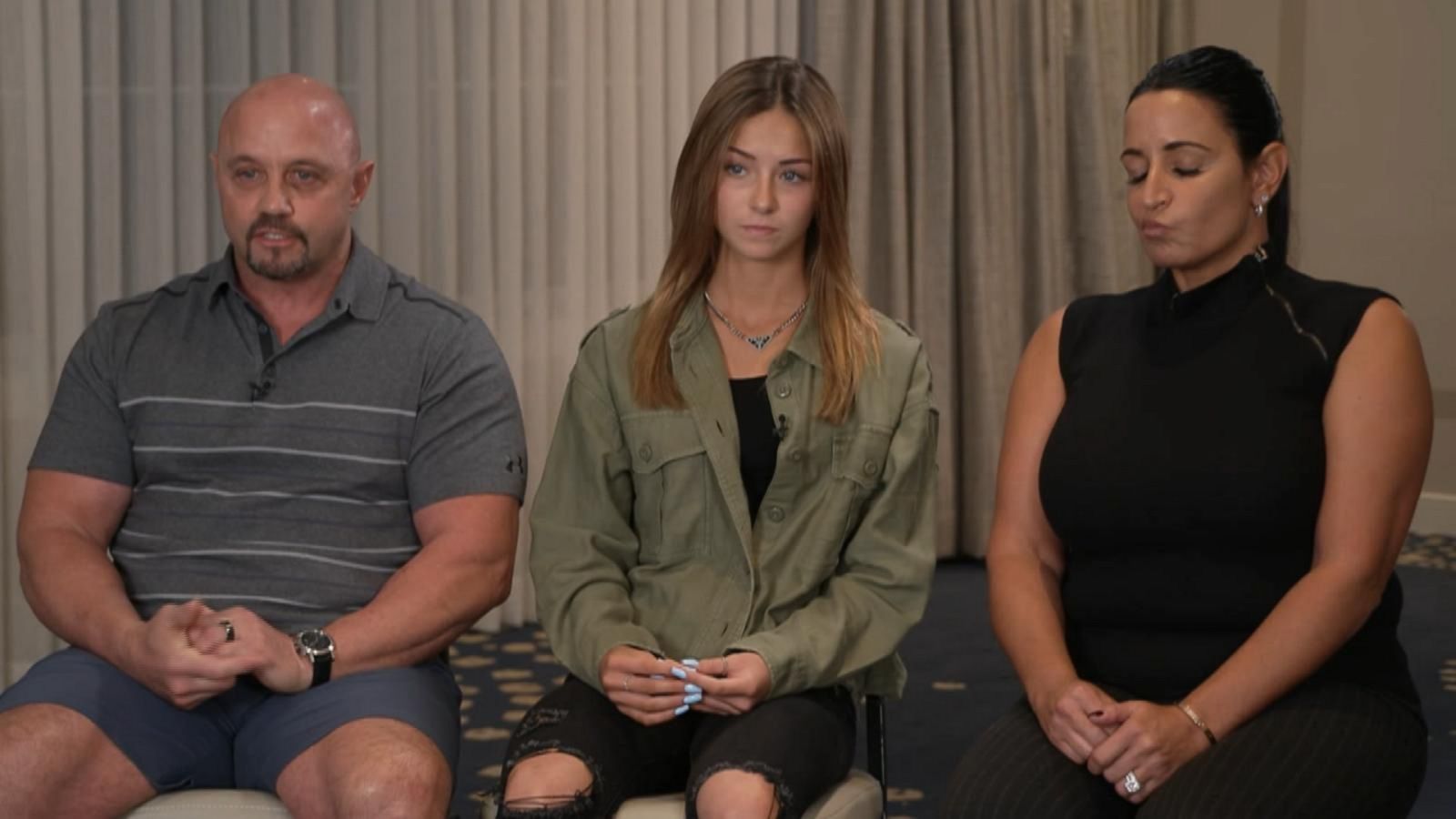
This was no longer a situation where anyone had time to debate motives or try to interpret messages. According to Rob Majury, he reacted under duress and stress, believing someone had come to kill him and that his family was in mortal danger. He said there was no second guessing and no time to rethink his actions. He grabbed his gun and fired at the alleged intruder.
That is the moment around which the entire case turns. For the family, it was an act of defense under extreme threat. For the public, it became part of a wider conversation about self-defense, firearm laws, and the terrifying speed with which a household can be pulled into irreversible violence. Everything that came before mattered, but only because it led to this point: a father responding to what he believed was an armed attack on his home and family.
A father’s defense and the burden of aftermath
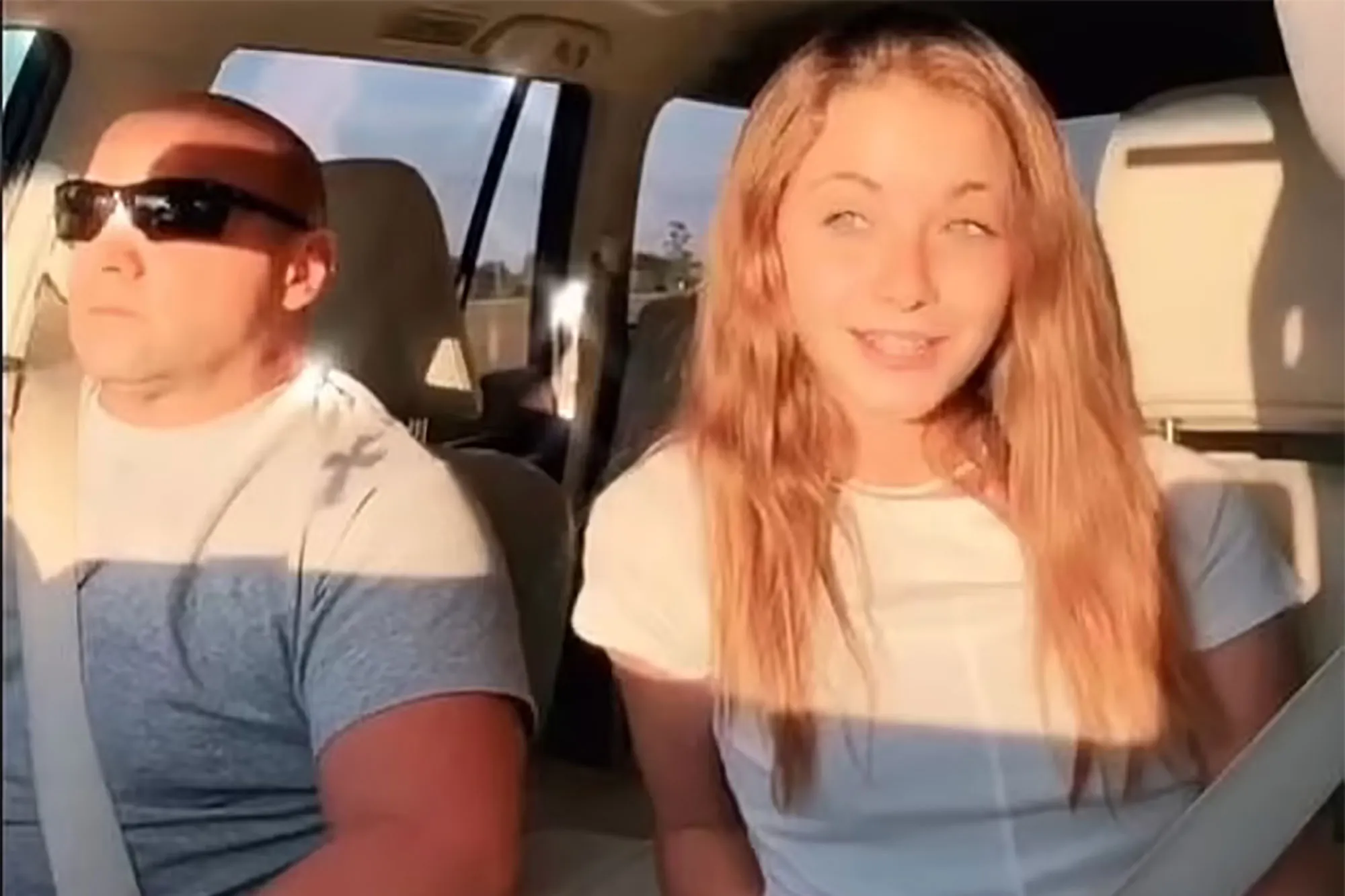
In the public interviews that followed, Rob Majury did not sound triumphant. He sounded resolute and shaken. He said plainly that he had to do what he had to do to protect his family. As a retired Jersey City police officer, he likely understood more clearly than most the gravity of using lethal force. That experience may also explain why his description of the event centered not on anger, but on reaction, pressure, and urgency.
These kinds of statements matter because they shape how the public understands the shooting. This was not presented as revenge or confrontation. It was presented as a response to a home invasion scenario involving an armed stalker who had allegedly shot into the home. In that frame, his decision becomes part of the long American debate around the right to defend one’s home and family when immediate danger appears unavoidable.
Still, even when people understand or support a defensive shooting, the psychological aftermath can be severe. Families who survive these moments do not simply move on because the law may protect them. They are left with trauma, fear, and the knowledge that something horrifying came right to their doorstep. In that sense, even a legally protected act of self-defense does not feel like a victory. It feels like the endpoint of a failure that began long before the trigger was pulled.
Why the case exposed the darker side of influencer culture
What makes this story especially haunting is how clearly it reveals the risks attached to modern internet fame, especially for teenagers. Social media rewards openness, constant contact, and perceived intimacy. Followers feel invited into everyday life. But not everyone experiences that closeness in a healthy way. Some begin to imagine access where none exists. Some interpret content as connection. Some become fixated.
For young influencers, the danger is amplified because they are still children in many important ways, even if they are earning money and building public identities. Families can try to set boundaries, monitor messages, and manage opportunities, but the speed of digital culture often outruns the systems meant to protect minors.
Ava Majury’s case became a deeply unsettling example of what can happen when online attention is mixed with immaturity, obsession, and access to weapons. It showed how difficult it can be to identify when a fan is becoming a stalker, and how the signs can be normalized because influencer culture already contains so much behavior that would seem strange in ordinary life. Requests for photos, money offers, constant messaging, emotional apologies, and repeated attempts to reconnect can all begin to look like just another part of online fame until suddenly they are not.
The law, the investigation, and the question of protection
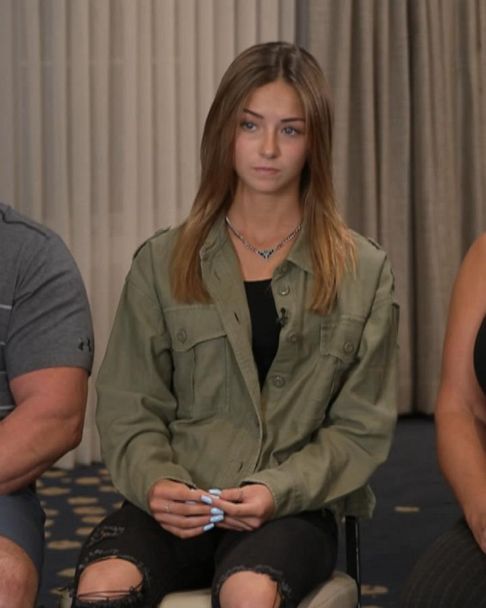
At the time of the reporting, an investigation was still ongoing, but Rob Majury was not facing charges and believed Florida’s Stand Your Ground law would protect him. That matters because cases involving self-defense are often judged not only by what happened, but by where they happened. State laws differ, and the standards applied to a person defending home and family can shift significantly depending on jurisdiction.
In Florida, self-defense laws have been at the center of many national debates, especially where someone uses deadly force in response to a perceived threat. In this case, the family’s version of events strongly supported the idea that the danger was immediate and severe. An armed person allegedly arrived at the house in the early morning hours and shot open the front door. Under those circumstances, the question of whether the father reasonably feared for his family’s life becomes central.
For many observers, the legal issue may appear straightforward. But even when the law seems likely to favor self-defense, investigations still matter because they establish sequence, threat, and the surrounding facts. That process can be slow, and while it unfolds, the family remains suspended between public sympathy, legal scrutiny, and private trauma.
A nightmare that says something larger about digital life
In the end, the story of Ava Majury and her family is not only about one stalker, one shooting, or one legal doctrine. It is about a much larger and more troubling truth. The internet has created new forms of fame, but it has also created new pathways for obsession. Teenagers can become public figures before they are emotionally equipped for the risks that come with public visibility. Families can think they are managing an uncomfortable fan interaction, only to discover too late that the threat was far more serious than it appeared.
That is why this case continues to resonate. It is not just shocking. It feels plausible in a world where private lives are constantly exposed, where strangers can gather intimate details quickly, and where boundaries are easier to cross than ever before. The family’s horror was not born in one night. It was built over time through messages, requests, warnings, and misread danger.
When Rob Majury said he had to protect his family, he was speaking about the final moment of the story. But the deeper tragedy is that the family had already been trying to protect itself for months, in a world that offered no clear way to stop the escalation before it arrived at their door.