
Table of Contents
- When a cryptic quote suddenly became part of the story
- The incident at the center of the controversy
- The first video and the rush to judgment
- A second angle changes the tone, but not the uncertainty
- The version offered by sources close to Ritchson
- Why the social media post added fuel instead of clarity
- The presence of his children makes the incident more unsettling
- The police investigation leaves the story unresolved
- Why this story has spread so quickly
- A celebrity controversy that now depends on what comes next
When a cryptic quote suddenly became part of the story
When fresh video surfaced showing a heated confrontation involving actor Alan Ritchson and a neighbor, the incident was already drawing intense public attention. But the situation took on a new layer when Ritchson appeared to respond, not with a formal statement, not with an apology, and not with a denial, but with a short, silent Instagram post. The image he shared featured a quote commonly attributed to Napoleon Bonaparte: “Never interrupt your enemy when he is making a mistake.” There was no caption, no added context, and no direct mention of the reported altercation. Yet in the age of celebrity social media, silence rarely stays silent for long. The post quickly became part of the unfolding story.
That is what turned a neighborhood dispute into a wider spectacle. By itself, the quote could have meant anything. But placed against the timing of newly released body cam footage and online discussion of an alleged assault, it was almost impossible not to read it as a message. Whether it was a calculated move, a moment of frustration, or simply an ambiguous post open to interpretation, it added intrigue to a story that was already full of conflicting claims. Instead of calming public attention, it deepened the sense that there were two different versions of what happened and that the actor might be hinting he believes the other side is damaging itself without his help.
The incident at the center of the controversy
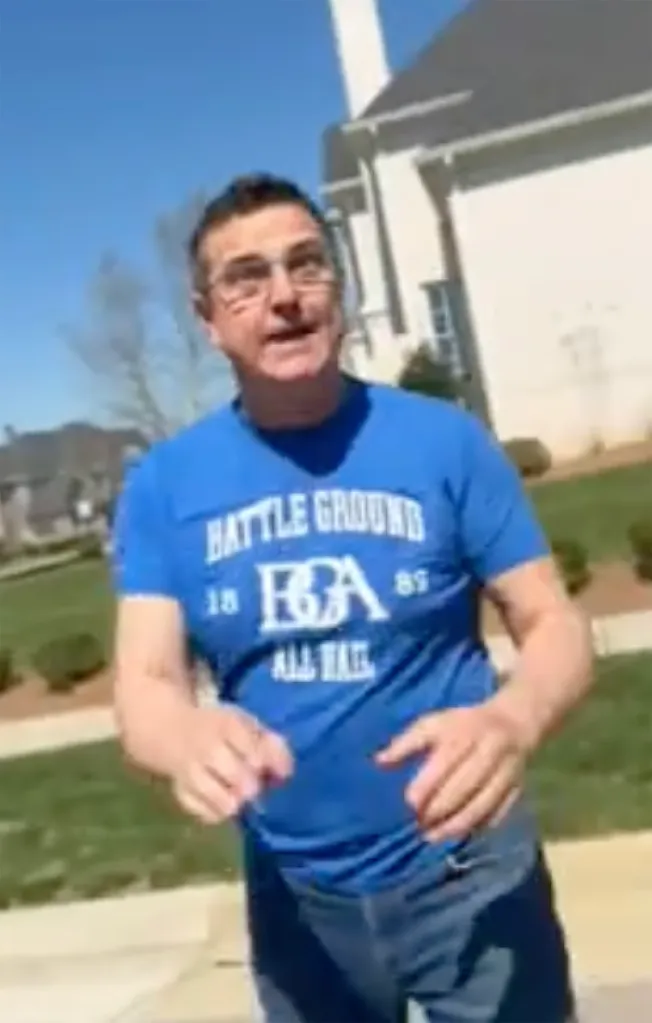
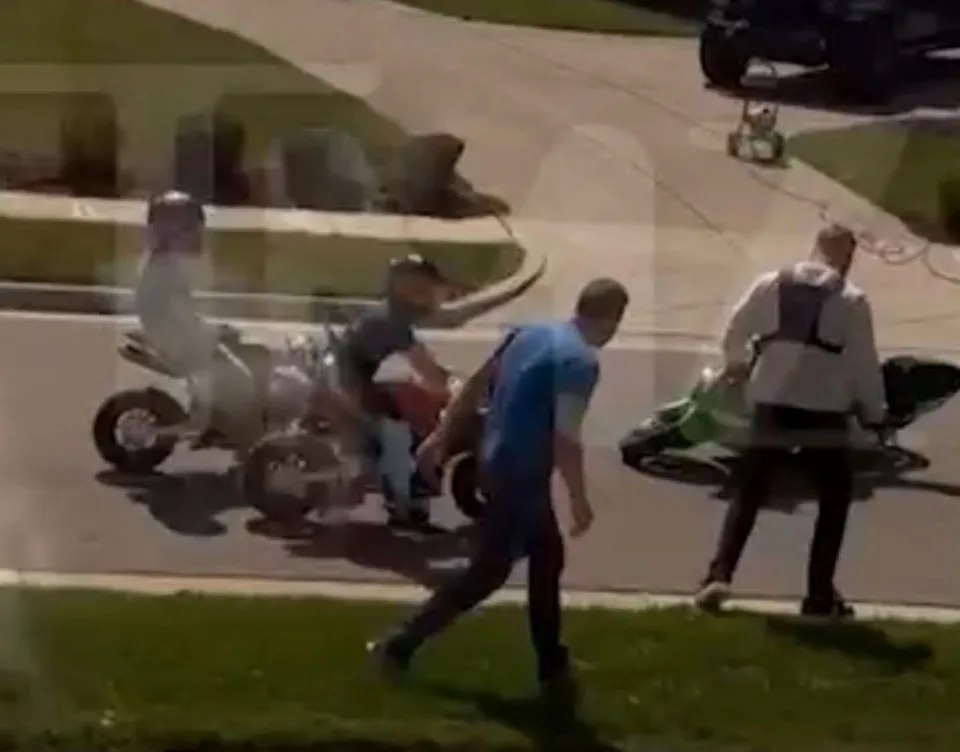
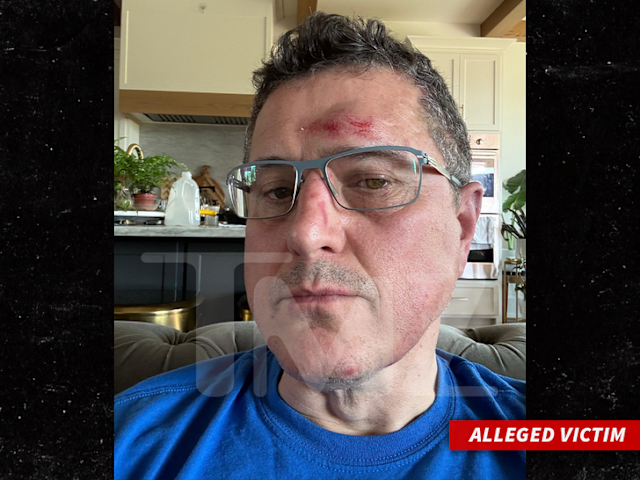
According to the report, the confrontation began as a neighborhood dispute involving Ritchson and his neighbor, Ronnie Taylor. The argument reportedly centered on Ritchson riding his motorbike through the neighborhood at what Taylor described as an excessive speed. Taylor claimed the actor had ridden through the area on Saturday and then again on Sunday, at which point Taylor approached him and asked him to stop. From there, the encounter allegedly escalated into a physical fight.
That version of events places the conflict in a familiar American setting: not a red carpet, not a movie set, but a suburban disagreement that spiraled out of control. These types of disputes often begin with something small, like noise, driving, speed, property boundaries, or personal irritation. But when one of the people involved is a public figure, the whole incident takes on a different scale. It becomes not only a matter for local police or neighbors, but a question of image, character, and public judgment.
Importantly, the reporting still frames the encounter as alleged, and authorities have not made an arrest. That matters. Public reaction often rushes ahead of legal certainty, especially when video clips begin circulating online. At this stage, the dispute remains under investigation, which means much of the argument now happening in public is based on partial video, claims from people close to one side, and the emotional charge that comes with seeing a celebrity in a violent situation.
The first video and the rush to judgment
The first major wave of attention came after video of the fight reportedly surfaced and began making the rounds. Viewers were shown what appeared to be a tense and physical altercation between Ritchson and Taylor. As often happens with footage released in fragments, many people reacted immediately, drawing conclusions from the most visible moments without necessarily knowing everything that led up to them.
This is one of the defining features of modern celebrity scandal. Video feels definitive, even when it is partial. A few seconds of footage can dominate public perception more than hours of testimony. The eye sees someone go down, sees shouting, sees physical contact, and quickly forms a moral narrative. Yet videos do not always reveal motive, sequence, or who escalated first. That is why competing interpretations emerged almost immediately after the footage appeared.
Some viewers likely saw the clip and concluded that the actor had behaved aggressively. Others, especially after hearing the counterclaims from sources close to Ritchson, likely saw it as self-defense or a fight provoked by a hostile confrontation. What the video did not do was settle the story. Instead, it polarized it. Each side could point to the same footage and claim it confirmed their version of events.
A second angle changes the tone, but not the uncertainty
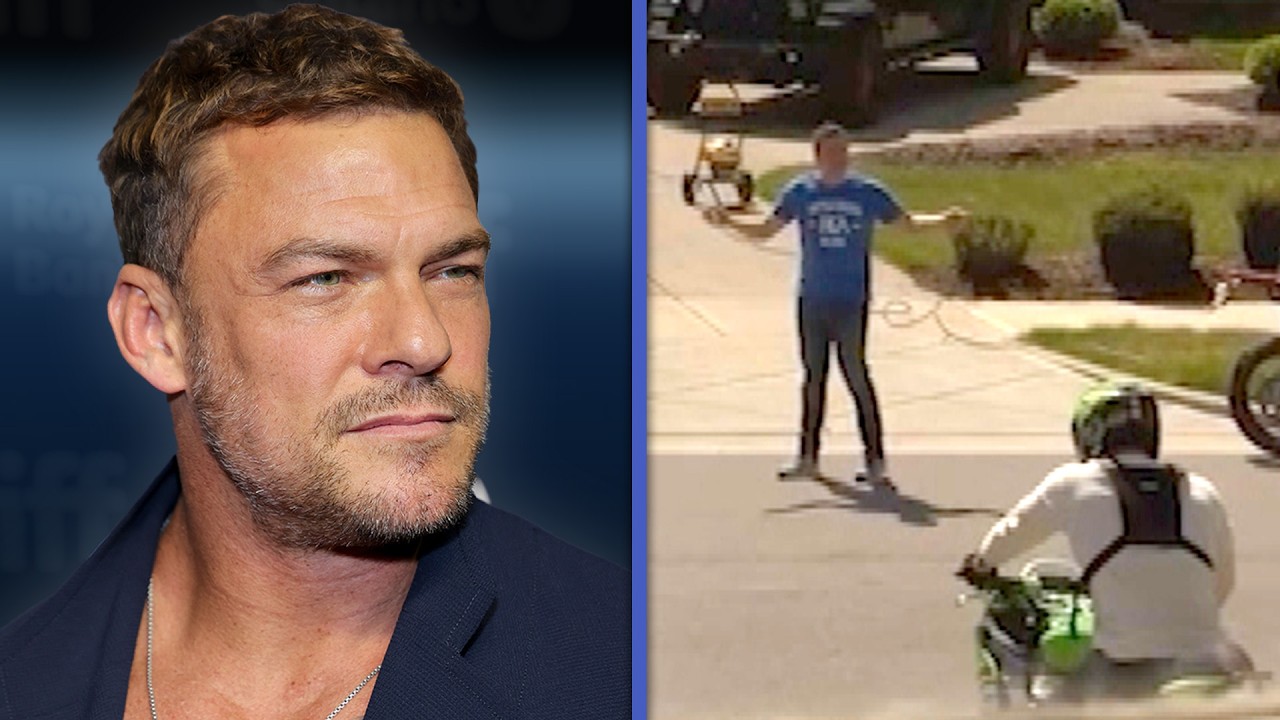
The release of body cam footage added a new dimension to the dispute. Unlike the earlier clip, this footage reportedly offered another angle, one that appeared to capture more of the lead-up to the physical encounter. In the reported sequence, Ritchson’s green motorbike can be seen traveling through the area until Taylor steps into the road, causing the actor to stop and apparently stumble or tumble from the bike.
That moment is crucial because it changes the emotional rhythm of the scene. Instead of beginning in the middle of a fight, the footage reportedly shows a point of contact and tension before the full physical escalation. The two men then argue verbally. At one point Taylor is pushed to the ground. The argument continues. Ritchson appears to walk away, tries to put his helmet back on, and attempts to remount the bike. Taylor can reportedly still be heard yelling, and as Ritchson tries to leave, the confrontation seems to erupt again.
This second angle matters because it complicates any simple reading of the altercation. It gives more room for the argument that the actor was blocked, provoked, or prevented from leaving. At the same time, it does not automatically excuse everything that followed. That is what makes the case so murky. More footage can clarify sequence while still leaving intent contested.
The version offered by sources close to Ritchson
According to sources close to Ritchson, Taylor was the aggressive one. Their version claims Taylor ran into the street in an attempt to stop the motorbike, causing Ritchson to crash and suffer a minor finger injury as well as cuts and bruises. They further allege that Taylor yelled at him while he was still on the ground and dared him to hit him. In this telling, Ritchson initially tried to avoid escalation, attempted to defuse the situation, and even tried to leave before Taylor allegedly shoved him again, leading the actor to fight back.
This version is clearly designed to shift the public framing from aggression to reaction. Instead of a celebrity lashing out in his neighborhood, it presents Ritchson as someone who found himself cornered, injured, and provoked, then responded physically only after an effort to disengage failed. It is a strategically important narrative because it aligns with what many viewers might already expect from a self-defense claim. If a person is knocked off a bike, shouted at, challenged, and shoved again while attempting to leave, then a physical response becomes easier for the public to understand, even if not everyone agrees with it.
But this is still a claim from sources close to one side, not a final legal determination. The central problem remains that each telling of the story depends heavily on how people interpret motive and sequence. In a fight, especially one captured in emotionally charged fragments, public sympathy often depends on who appears to be the aggressor at the beginning and who appears to refuse to de-escalate at the end.
If Ritchson had issued a formal statement, it might have shaped the story differently. He could have denied wrongdoing, expressed regret over the incident, or asked the public to wait for the investigation. Instead, he posted a quote. That decision matters because cryptic posts are rarely treated as neutral. They invite interpretation, and in a scandal, interpretation quickly becomes narrative.
The Napoleon quote in particular has a provocative edge. “Never interrupt your enemy when he is making a mistake” carries the tone of strategic restraint, superiority, and implied vindication. It suggests that someone else is failing publicly and that the wisest move is to stay quiet and let them continue. For supporters, that may read as calm confidence. For critics, it may read as smugness or a refusal to take the situation seriously.
The absence of a caption made the effect even stronger. It left a vacuum for comment sections and entertainment coverage to fill. People immediately linked the post to the fight because there was little else it could plausibly be referring to in that moment. In celebrity culture, timing is meaning. A post made in the middle of a controversy does not need explicit explanation to be interpreted as response.
The presence of his children makes the incident more unsettling
One of the most striking details in the report is that Ritchson’s sons were allegedly present during the incident. That detail shifts the emotional tone of the story. A fight between two adults in a neighborhood is one thing. A fight unfolding in front of children feels heavier, sadder, and more chaotic.
The presence of children also shapes how the public judges behavior. It raises questions not only about who started the confrontation, but about who should have stepped back sooner for the sake of everyone watching. Even if one accepts the self-defense framing, people may still ask whether there was another way to disengage. At the same time, if the confrontation truly escalated after one party attempted to leave, then the presence of family might also make the incident feel more threatening and more urgent to the person trying to protect them.
Either way, it makes the entire episode feel less like routine celebrity gossip and more like a volatile family-adjacent scene that spun badly out of control.
The police investigation leaves the story unresolved
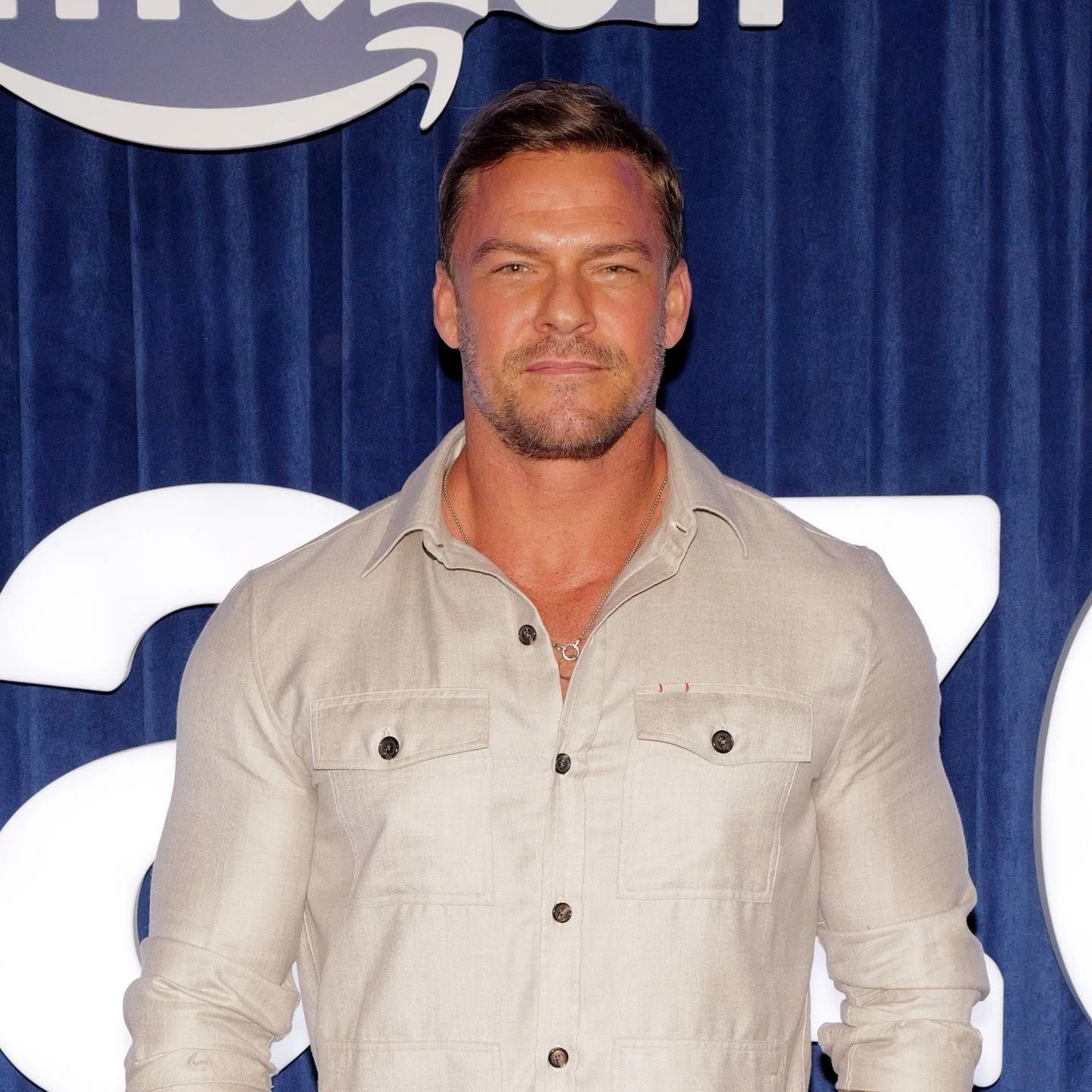
Brentwood Police Captain Steve Pepin reportedly said the incident remains under investigation and that no arrests have been made. That is a crucial detail because it means the public story is racing far ahead of the legal one. There is no final conclusion yet. No official finding has determined criminal responsibility. The available footage, the public commentary, and the social media speculation are all unfolding in a space where the formal process is still incomplete.
This unresolved status often creates the most chaotic phase of a scandal. People feel they have enough information to form strong opinions, but not enough to know whether those opinions will hold once more facts emerge. Entertainment coverage, gossip accounts, and comment threads thrive in that uncertainty. It allows every new clip, post, or statement to feel like a revelation.
For Ritchson, that means the story is no longer just about the altercation. It is also about how he navigates the gap between allegation and outcome. His next move, whether silence, clarification, or confrontation, will shape how long the story stays alive.
Why this story has spread so quickly
There are several reasons this incident has gained traction. The first is obvious: Alan Ritchson is a recognizable star, especially because of his role in “Reacher,” a character associated with physical dominance, intimidation, and violence controlled by moral certainty. Whenever a celebrity’s screen image overlaps with a real-world allegation, public interest intensifies. People instinctively compare the actor to the persona.
The second reason is the footage. Video changes everything. In the age of social media, body cam clips and leaked recordings give a story velocity that written accusations alone often cannot match. The third reason is the quote. Without that Instagram post, the incident might have stayed in the usual cycle of footage, reaction, and investigation. The post gave it a second life, making it feel as though the actor himself had chosen to step into the conversation, even if only indirectly.
And finally, there is the ambiguity. This is not a clean story. It is not obvious to everyone who was right or wrong. That uncertainty keeps people engaged. It invites debate, split loyalties, and repeated viewings of the same footage in search of a decisive answer.
A celebrity controversy that now depends on what comes next
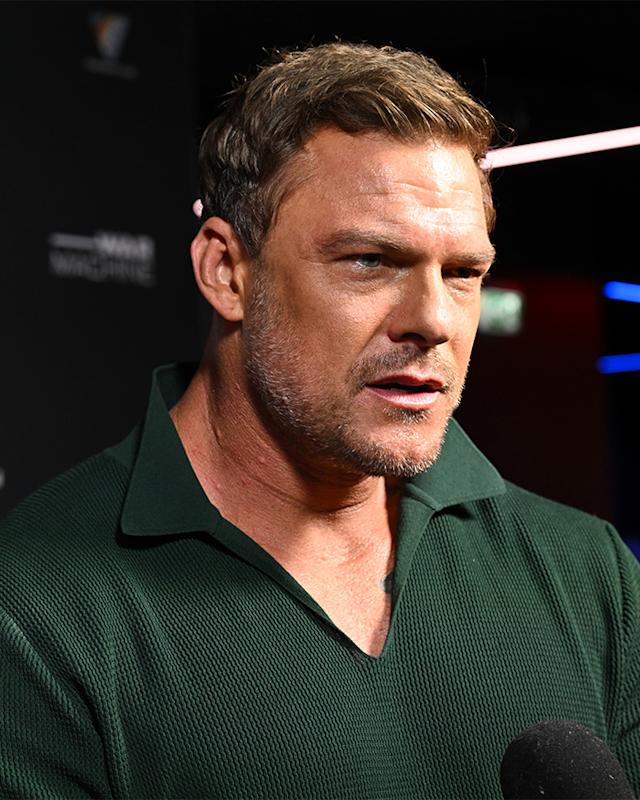
For now, the story remains suspended between competing interpretations. One version suggests a neighbor challenged and physically confronted the actor, causing a crash and prompting self-defense. Another version suggests an actor riding aggressively through a neighborhood got into a physical fight after being confronted. The footage adds detail, but not closure. The Instagram post adds tone, but not truth.
That is why what happens next will matter more than what has already happened. If police conclude no crime occurred, the narrative may shift toward overblown celebrity drama. If charges or stronger findings emerge, the quote may later be remembered as a serious miscalculation. If Ritchson speaks directly, he may regain control of the story or deepen the controversy, depending on how he handles it.
At the moment, the incident sits in the uncomfortable middle ground where modern scandals often live: partially seen, loudly debated, legally unresolved, and emotionally amplified by social media. And that may be exactly why the cryptic post landed so hard. It did not answer anything. It simply told the public that Alan Ritchson knows the story is unfolding and, for now, seems content to let everyone else keep talking.