
Table of Contents
- Daughter’s Killer Sentenced to Community Service
- A Moment of Raw Grief
- The Controversy Over Lenient Sentencing
- The Emotional Toll of Violent Crime on Families
- Support and Criticism
- The Role of the Judge and Court System
- The Broader Implications for Victims’ Families and Justice
- How Lenient Sentences Affect Public Confidence in the Legal System
- Potential Legal Repercussions for the Father
- A Tragic Reminder of the Need for Justice Reform
Daughter’s Killer Sentenced to Community Service
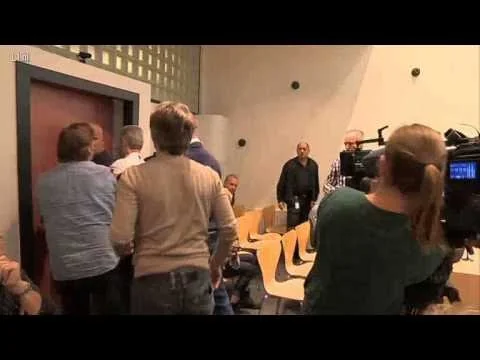
The case at the heart of this confrontation involved a man who had been convicted of murdering a young woman, a crime that left her family shattered. Despite the severity of the offense, the judge handed down a controversial sentence: only 120 hours of community service. The sentence shocked not only the family of the victim but also the public at large. Many saw the punishment as a clear miscarriage of justice, given the brutal nature of the crime. For the victim’s father, this leniency was simply too much to bear. As the sentence was read out in court, his emotions boiled over, culminating in a violent outburst where he threw a chair at the judge, causing the proceedings to come to an abrupt halt.
A Moment of Raw Grief

In the courtroom, as the judge announced the lenient sentence, the victim’s father was overcome with emotion. Witnesses described how the father, unable to control his pain and anger, picked up a chair and hurled it at the judge. Security quickly intervened, but the moment highlighted the intensity of the father’s grief and frustration. His outburst was a clear cry for justice—an expression of the raw emotion many families experience when they feel that their loved one’s killer has not been held fully accountable. The incident immediately raised questions about the fairness of the legal system and whether such lenient sentences send the wrong message about the value of life.
The Controversy Over Lenient Sentencing
One of the central issues raised by this case is the question of lenient sentencing in violent crime cases. The father’s outburst was not an isolated response but part of a larger debate over how the justice system handles violent offenders. Critics argue that sentences like the one in this case undermine the seriousness of violent crime and fail to deliver justice for victims and their families. Community service, in particular, is often seen as a light punishment for serious offenses, especially when compared to the pain and suffering that families of victims endure. This case has sparked renewed calls for reform in sentencing laws, with many urging that the justice system adopt tougher measures for violent offenders.
The Emotional Toll of Violent Crime on Families
The emotional toll of losing a loved one to violent crime is immeasurable. For many families, the legal process is a difficult and often traumatic experience that fails to provide the closure they need. When perpetrators receive lenient sentences, it can feel like a second blow to families who are already reeling from their loss. The father in this case was not only mourning the loss of his daughter but also grappling with the sense of injustice that came with the sentence. His emotional reaction, though extreme, was a testament to the depth of his pain and the anger he felt at what he saw as a failure of the justice system to truly hold the killer accountable.
Support and Criticism
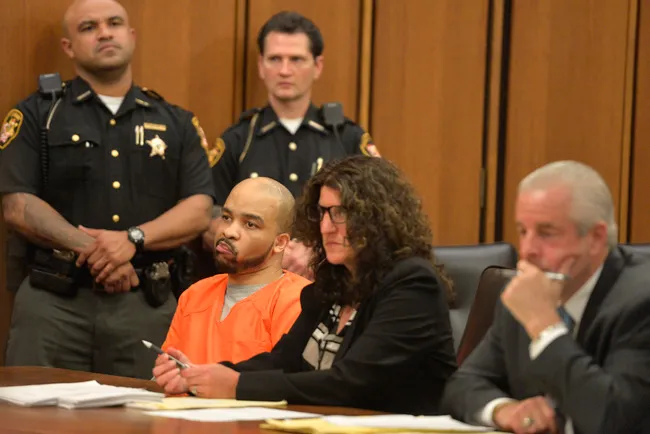
The public reaction to the father’s actions has been divided. Many people have expressed sympathy for the father, understanding that his outburst was driven by his deep grief and anger. Some have even gone so far as to justify the father’s actions, arguing that it is difficult to remain composed in the face of such an unjust sentence. Others, however, have condemned the father’s behavior, viewing it as an inappropriate response to the legal process. Critics argue that while the father’s pain is understandable, violence in the courtroom only distracts from the need for a rational and just legal system. The incident has sparked a wider conversation about how emotions should be managed in legal settings and whether more should be done to support families of victims in their pursuit of justice.
The Role of the Judge and Court System
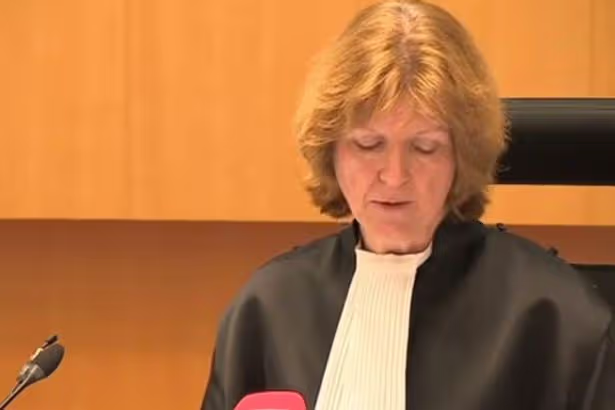
At the heart of the controversy is the judge’s decision to hand down a sentence that many believe was too lenient for a violent crime. Judges are tasked with ensuring that justice is served in a fair and impartial manner, but they must also consider the emotional impact of their decisions on victims’ families. In this case, many felt that the judge failed to take into account the emotional toll the crime had on the family. Sentences like the one in this case can make victims’ families feel that their suffering has been overlooked or minimized, further alienating them from the legal system. The debate raises important questions about how judges should weigh the impact of a crime on its victims when determining sentencing.
The Broader Implications for Victims’ Families and Justice
This case raises broader implications about how the justice system addresses the needs of victims’ families. The legal system often prioritizes the rights of the accused, but the families of victims are often left to navigate their grief and frustration on their own. In the wake of a violent crime, families can feel disconnected from the legal process, especially if they believe that the sentence does not reflect the severity of the crime. The father’s emotional reaction was a stark reminder that the legal system must not only punish criminals but also support victims’ families in their journey toward justice and healing.
How Lenient Sentences Affect Public Confidence in the Legal System
Lenient sentences for violent crimes can erode public confidence in the justice system. When individuals feel that offenders are not being held accountable for their actions, they may lose trust in the system’s ability to deliver justice. In this case, the father’s outburst was a direct reaction to what he perceived as a failure of the legal system to provide justice for his daughter. The broader public, too, may begin to question the fairness of the system if they feel that violent offenders are not being appropriately punished. This case highlights the need for greater transparency in sentencing and a more robust dialogue about how to balance the rights of offenders with the needs of victims.
Potential Legal Repercussions for the Father
While the father’s emotional outburst was understandable, it could have legal repercussions for him. Courtroom outbursts are taken very seriously, as they can disrupt legal proceedings and undermine the integrity of the judicial system. The father’s actions, though driven by grief, could lead to charges of contempt of court or other legal consequences. This highlights the complex emotional landscape that victims’ families must navigate during legal proceedings. While their pain is valid, they must also contend with the legal boundaries of acceptable behavior in the courtroom. For the father, this may mean facing legal consequences for his actions, even as he continues to mourn his daughter’s loss.
A Tragic Reminder of the Need for Justice Reform
The case of the father who threw a chair at a judge serves as a tragic reminder of the emotional toll that violent crime takes on families and the shortcomings of the justice system. While the father’s actions were driven by grief and frustration, they also reflect the deep sense of injustice felt by many victims’ families when they perceive the system as failing them. This case underscores the need for justice reform, particularly in the sentencing of violent offenders. Victims’ families must be given more support throughout the legal process, and the system must do more to ensure that offenders are held accountable in a way that reflects the severity of their crimes. As the debate over sentencing and emotional responses in the courtroom continues, it is clear that there are deeper issues within the legal system that need to be addressed.