
Table of Contents
- The Concept Behind Floating Islands
- How the Floating Islands Work
- Urban Harbors: A New Frontier for Wildlife Conservation
- Benefits for Bees, Birds, and Other Wildlife
- A Model for Sustainable Urban Design
- Environmental Impact and Innovation
- The Future of Floating Islands in Cities
- How Floating Islands Contribute to Climate Change Mitigation
- Public Reception and Support for the Initiative
- The Future of Urban Sustainability
The Concept Behind Floating Islands
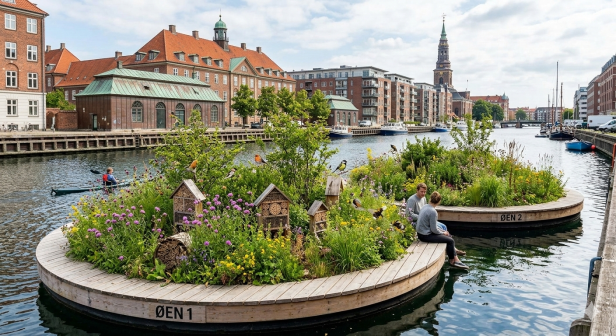
The concept of floating islands is not entirely new, but Denmark’s innovative use of these islands to foster urban biodiversity is a first of its kind. These man-made, floating habitats are designed to be placed in urban harbors, providing a safe space for wildlife to thrive in the heart of bustling cities. The islands are built using sustainable materials and are planted with native vegetation that attracts bees, birds, and other pollinators. These islands serve as both a natural habitat and a green oasis within the concrete jungle of urban environments. They aim to address the growing concern over the loss of biodiversity in cities, providing a much-needed respite for local wildlife.
How the Floating Islands Work
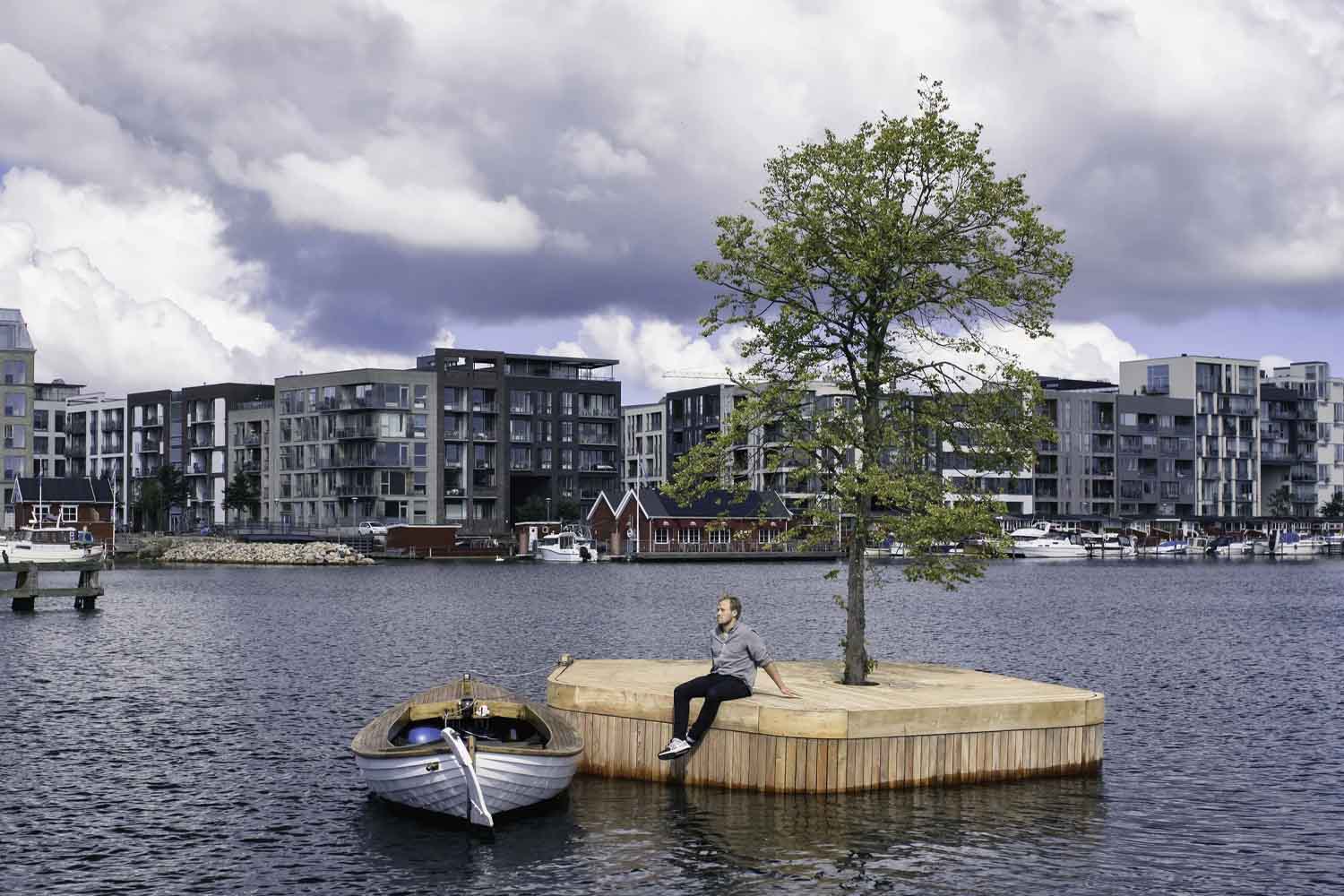
Each floating island is designed to be self-sustaining and environmentally friendly. The islands are constructed using a base of recycled materials, which float on the water’s surface. The surface of the islands is then covered with native plants and flowers that attract bees, butterflies, and birds. The plants also help purify the water, enhancing the overall health of the harbor ecosystem. In addition to providing food and shelter for wildlife, the islands play a key role in mitigating urban heat islands by creating shaded areas and reducing temperature fluctuations in the surrounding waters. The floating islands thus provide a multifaceted solution to environmental challenges in urban settings.
Urban Harbors: A New Frontier for Wildlife Conservation
Urban harbors, which are often overlooked as habitats for wildlife, have become an unlikely frontier for conservation efforts in Denmark. As cities around the world face rapid urbanization and the loss of green spaces, the floating islands offer a novel way to integrate nature into the urban fabric. These harbors, which were once considered industrial zones, are now becoming hubs of biodiversity. By transforming these areas into havens for wildlife, Denmark is leading the way in rethinking how urban spaces can be designed to coexist with nature. This shift in urban planning is a step toward making cities more livable, sustainable, and wildlife-friendly.
Benefits for Bees, Birds, and Other Wildlife

The floating islands provide a much-needed sanctuary for bees, birds, and other pollinators that are vital to maintaining healthy ecosystems. In cities where green spaces are limited, these islands offer a safe refuge for wildlife that might otherwise struggle to survive. Bees, for example, are essential for pollination, which supports the production of fruits and vegetables. By creating more pollinator-friendly spaces, Denmark is helping to combat the global decline in bee populations. Similarly, birds and other wildlife benefit from the islands’ native plants, which provide food, shelter, and nesting areas. The floating islands thus play a crucial role in supporting biodiversity in urban environments.
A Model for Sustainable Urban Design
Denmark’s floating islands project is part of a broader movement toward sustainable urban design. In recent years, there has been a growing recognition of the importance of integrating nature into urban planning. Traditional urban development has often neglected the needs of wildlife, leading to the fragmentation of natural habitats. However, with initiatives like floating islands, urban spaces can be reimagined as ecosystems that support both human life and wildlife. This model of sustainability is not only about creating green spaces but also about enhancing the health and quality of life for residents. By fostering biodiversity, Denmark is setting an example for other cities looking to create more sustainable and resilient urban environments.
Environmental Impact and Innovation
The environmental impact of the floating islands is significant. By providing habitats for wildlife and improving water quality, these islands contribute to the overall health of urban ecosystems. The plants on the islands help filter pollutants from the water, improving the quality of the harbor environment. Additionally, the floating islands are designed to be self-sustaining, with minimal maintenance required. This innovation demonstrates that environmental sustainability doesn’t have to come at the cost of urban development. Instead, the floating islands show that it is possible to create spaces that benefit both the environment and the people who live in the city.
The Future of Floating Islands in Cities
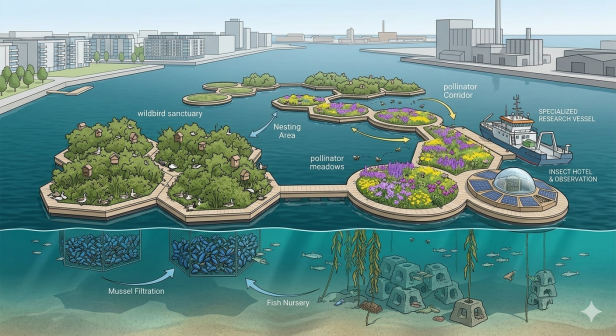
As the success of Denmark’s floating islands project continues to make waves, other cities around the world are looking to replicate the model. The floating islands have demonstrated that even in densely populated areas, there is potential for integrating nature into urban design. Cities like Rotterdam, Amsterdam, and New York are exploring similar initiatives to create floating habitats for wildlife. The concept of floating islands could become a key tool in the fight against climate change, helping cities to adapt to rising sea levels while also providing valuable green space for biodiversity. As urban areas continue to grow, the need for sustainable solutions like floating islands will only become more pressing.
How Floating Islands Contribute to Climate Change Mitigation
Floating islands have the potential to contribute significantly to climate change mitigation efforts. In addition to providing habitats for wildlife, the islands help combat urban heat islands, which are areas in cities that experience higher temperatures due to human activity and the concentration of buildings. By reducing heat in urban areas, floating islands can help lower the overall temperature of the surrounding environment. Furthermore, the islands’ ability to filter pollutants from the water and air improves the quality of the urban ecosystem, making it more resilient to the impacts of climate change. This innovative solution is an example of how urban spaces can adapt to the challenges of a changing climate.
Public Reception and Support for the Initiative

The floating islands project has received widespread support from environmental organizations, local communities, and city planners. Many people see it as a groundbreaking initiative that could change the way cities approach urban design and environmental sustainability. The project has also been praised for its innovative approach to integrating nature into urban spaces, providing a model for other cities to follow. However, some critics argue that more needs to be done to address other aspects of urban sustainability, such as reducing carbon emissions and improving public transportation. Nonetheless, the floating islands project has sparked a conversation about the future of cities and their role in supporting both people and wildlife.
The Future of Urban Sustainability
Denmark’s floating islands project represents a significant step forward in sustainable urban design. By transforming urban harbors into havens for wildlife, the project not only supports biodiversity but also demonstrates how cities can evolve to meet the challenges of climate change. The floating islands are a model of innovation, showing that it is possible to create spaces that benefit both people and the environment. As cities around the world grapple with the complexities of urbanization, Denmark’s initiative offers a hopeful glimpse into the future of urban sustainability. The floating islands project is just the beginning, and it holds the potential to inspire other cities to take bold steps toward creating greener, more resilient urban spaces.