
Table of Contents
- A Step Toward Animal Welfare
- Why the Ban Was Introduced
- The Debate: Tourism vs. Animal Welfare
- The Impact on Local Businesses
- Animal Rights Activism and Public Support
- The Alternatives to Donkey Rides
- The Effect on Tourism in Santorini
- The Global Conversation on Animal Welfare and Tourism
- The Future of Travel
- A Pivotal Moment for Animal Welfare in Tourism
A Step Toward Animal Welfare
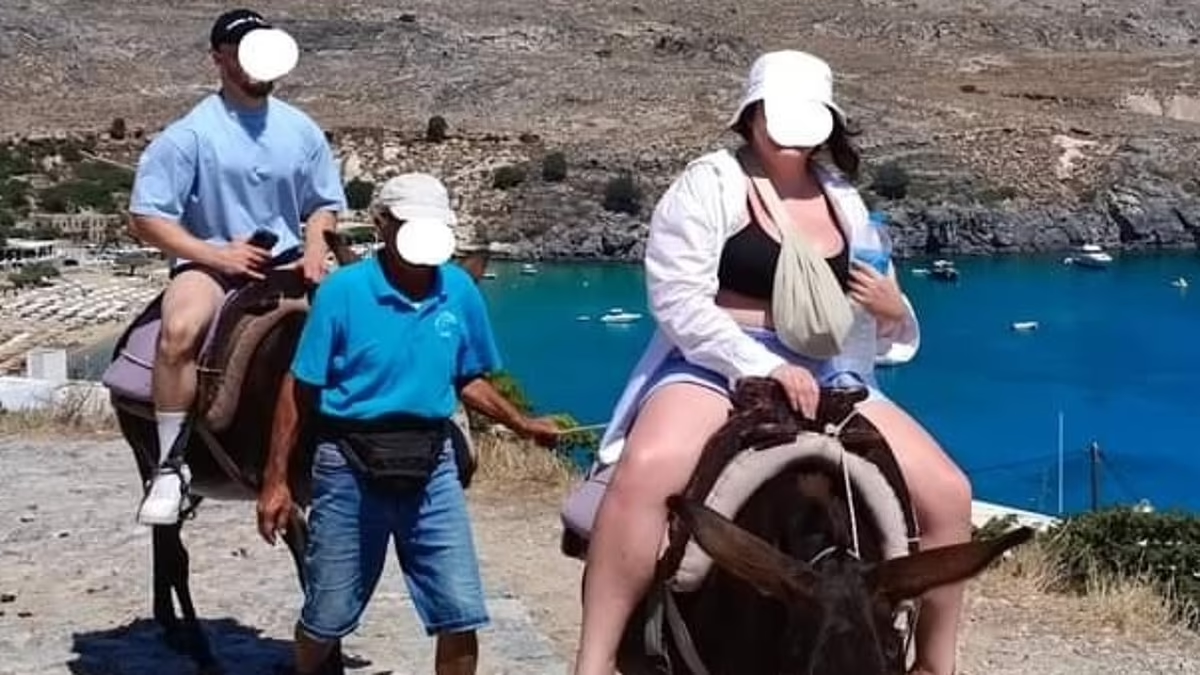
In response to mounting pressure from animal rights groups and concerned citizens, Santorini has become the first Greek island to impose a weight limit on tourists wishing to ride donkeys. The law, which prohibits individuals over 100 kilograms (220 pounds) from taking part in donkey rides, is designed to protect the animals from physical strain and distress. Donkeys, which are often used to carry tourists up the island’s steep hills, have long been a symbol of Santorini’s traditional charm. However, many have argued that these animals are overworked, subjected to harsh conditions, and forced to carry heavy loads that can cause serious harm to their health.
Why the Ban Was Introduced

The introduction of this ban follows years of advocacy by animal rights organizations and animal welfare groups, who have documented the challenging conditions donkeys face while transporting tourists in Santorini. According to reports, some donkeys have been observed struggling to carry overweight riders up the island’s steep paths, leading to serious injuries, exhaustion, and physical distress. The ban is an effort to alleviate these issues and ensure that the animals are treated with respect and care, while also reducing the likelihood of animal abuse and exploitation.
The Debate: Tourism vs. Animal Welfare
While the ban has been celebrated by many animal welfare advocates, it has also sparked significant controversy, especially among local business owners and those in the tourism industry. Critics argue that the policy could harm the island’s economy, which heavily relies on tourism and donkey rides as part of its traditional charm. Santorini is one of Greece’s most popular tourist destinations, attracting millions of visitors each year. The donkeys, often used as a form of transportation, are a major part of the island’s tourism experience. Opponents of the ban worry that limiting access to donkey rides for overweight tourists could reduce the overall appeal of the island for certain groups of visitors.
The Impact on Local Businesses
For many locals, the ban on overweight tourists riding donkeys represents a significant change to the traditional way of life. Donkey rides have been a part of Santorini’s tourism offering for decades, providing income for locals who depend on the animals for work. The new restrictions are seen by some as an infringement on their livelihoods, as it may lead to a decline in demand for donkey rides, particularly among tourists who are unaware of the weight limitations. Some businesses argue that it is unfair to penalize tourists for an issue that could be addressed with better management of the animals and their workloads. In response, many tour operators have begun advocating for alternative solutions, such as offering tourists options for using cable cars or taxis instead of donkeys.
Animal Rights Activism and Public Support
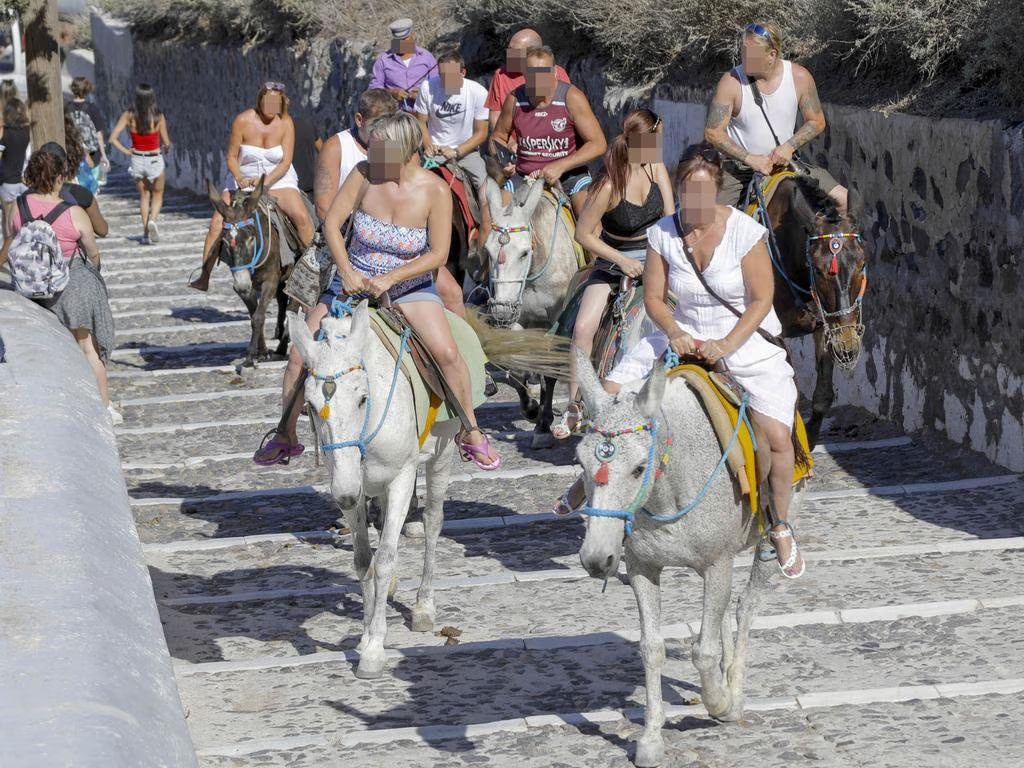
The issue of animal welfare has gained increased attention in recent years, with more people around the world questioning the ethics of using animals for entertainment purposes. The new ban in Santorini aligns with a broader global shift towards more ethical treatment of animals, particularly in the tourism industry. Animal rights activists argue that this is a necessary step towards ending the exploitation of donkeys and other animals used in tourist attractions. Public support for the ban has been strong, particularly among those who believe that animals should not be used as mere tools for human enjoyment. The ban has raised awareness of the need for more humane alternatives that do not involve the suffering of animals.
The Alternatives to Donkey Rides
As part of the broader conversation about ethical tourism, many people are calling for alternative methods of transportation in places like Santorini. The introduction of the donkey ride ban has prompted discussions about how to provide tourists with enjoyable and ethical experiences without resorting to animal exploitation. Some advocates suggest that cable cars, electric vehicles, and other modern transportation methods should be prioritized in order to reduce the burden on animals and improve the overall tourist experience. These alternatives not only provide a more sustainable option but also ensure that visitors can still enjoy the stunning views of Santorini without contributing to animal cruelty.
The Effect on Tourism in Santorini
While the ban on overweight tourists riding donkeys has sparked controversy, it is also likely to lead to important changes in how tourism is managed on the island. The law may inspire other tourist destinations around the world to consider the ethical implications of animal rides and begin to implement their own measures to protect the welfare of animals. However, it remains to be seen how this change will affect tourism in Santorini. Will it drive away certain tourists, or will it encourage a shift towards more sustainable, ethical forms of tourism? Only time will tell. What is certain is that Santorini’s decision will likely influence other destinations that rely on animal-driven tourist attractions to reconsider their practices.
The Global Conversation on Animal Welfare and Tourism

Santorini’s new law is part of a growing trend in global tourism, where animal rights are being increasingly prioritized. This is particularly true in areas where animals have traditionally been used in tourist attractions, such as elephant rides in Thailand and camel rides in Egypt. As tourists become more aware of the ethical concerns surrounding animal tourism, there is a growing demand for alternatives that do not rely on animals for entertainment. Santorini’s ban represents a significant step in this shift, and it may encourage other popular tourist destinations to adopt similar policies.
The Future of Travel
The concept of ethical tourism is gaining momentum worldwide. More travelers are becoming conscious of how their activities affect the environment and the animals they encounter. Ethical tourism focuses on promoting responsible travel practices that prioritize the welfare of animals, the environment, and local communities. As awareness grows, so too does the demand for alternative forms of tourism that do not harm animals or the planet. The ban on donkey rides for overweight tourists in Santorini is part of a broader movement towards a more compassionate and sustainable approach to travel, ensuring that future generations can experience the beauty of these destinations without contributing to animal suffering.
A Pivotal Moment for Animal Welfare in Tourism
Santorini’s decision to ban overweight tourists from riding donkeys is a pivotal moment in the ongoing conversation about animal welfare and ethical tourism. The move has brought attention to the harsh realities of animal exploitation in the tourism industry and has sparked a much-needed dialogue about how to protect the well-being of animals while still providing tourists with memorable experiences. While the policy has its critics, it represents a significant step towards a more humane and sustainable approach to tourism. As more destinations consider the ethical treatment of animals in their tourism practices, the future of travel may look very different—one that values the welfare of animals as much as it does the enjoyment of visitors.