
Table of Contents
- A Vote That Immediately Changed the Conversation
- What the Homestead Property Tax Does Today
- Why Lawmakers Are Pushing This Proposal Now
- The Scale of the Proposed Change
- Supporters See Relief and Stability for Homeowners
- Critics Warn of Hidden Consequences
- Impact on Schools and Local Services
- The Constitutional and Legal Path Ahead
- How This Fits Into Florida’s Broader Tax Philosophy
- What This Vote Could Mean for Florida’s Future
A Vote That Immediately Changed the Conversation
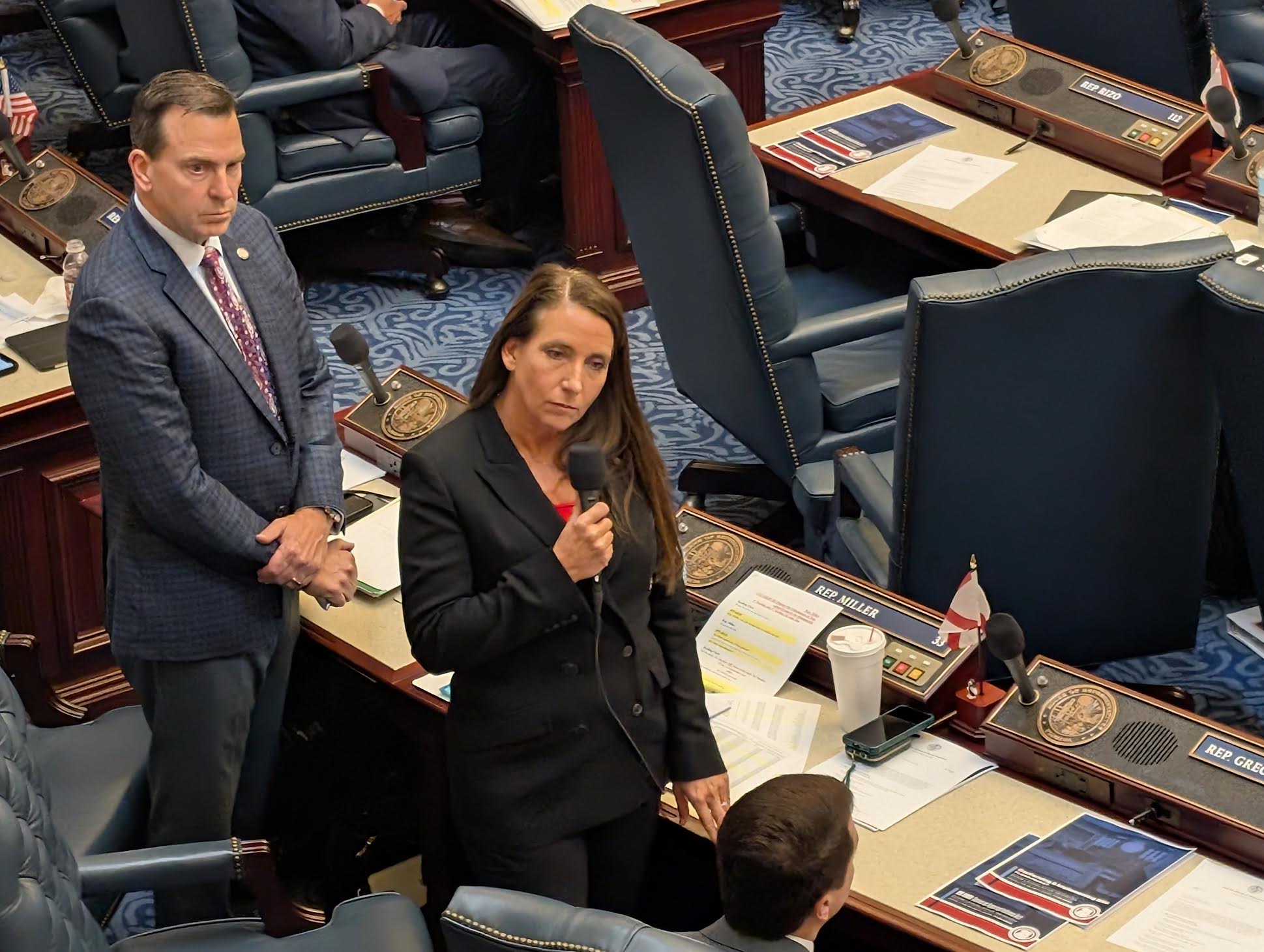
When news broke that the Florida House of Representatives had overwhelmingly advanced a proposal to eliminate homestead property taxes, the state’s political and economic landscape shifted almost instantly. The measure passed with a decisive margin, signaling strong momentum behind one of the most sweeping tax policy changes Florida has considered in years.
For millions of homeowners across Florida, the idea of removing property taxes on primary residences is more than a policy debate. It touches monthly budgets, retirement plans, and long term housing security. The vote transformed what had once been a fringe proposal into a serious legislative possibility.
What followed was not just celebration or criticism, but an urgent statewide conversation about how Florida funds its future.
What the Homestead Property Tax Does Today
Homestead property taxes currently serve as a major source of revenue for local governments across Florida. These taxes help fund public schools, emergency services, infrastructure maintenance, and local government operations.
Under the existing system, homeowners benefit from homestead exemptions that reduce taxable value, offering some protection against rising assessments. However, even with exemptions, many homeowners have felt increasing pressure as property values surge.
The proposed elimination would go far beyond reform. It would remove this tax category entirely for primary residences, fundamentally altering how local services are financed.
Why Lawmakers Are Pushing This Proposal Now
Supporters of the measure argue that Florida homeowners are facing unprecedented affordability challenges. Rising insurance premiums, higher mortgage rates, and increased living costs have made homeownership more expensive even for long time residents.
By eliminating homestead property taxes, proponents say the state can offer immediate and lasting relief. They frame the policy as a way to let families keep more of their income while protecting seniors and fixed income households from being priced out of their homes.
The timing reflects both economic pressure and political opportunity, as housing affordability becomes a central issue for voters.
The Scale of the Proposed Change
Eliminating homestead property taxes would represent one of the largest tax shifts in Florida’s history. Property taxes generate billions of dollars annually, much of which flows directly to local governments rather than the state budget.
Removing this revenue stream raises critical questions. How will schools be funded. How will counties maintain roads and emergency services. What replaces the lost revenue.
Supporters suggest alternatives such as increased sales taxes, consumption based taxes, or state level redistribution. Critics warn that such shifts could disproportionately affect renters and lower income residents.
Supporters See Relief and Stability for Homeowners

For homeowners, especially retirees and long term residents, the proposal offers a sense of stability. Without property taxes, monthly housing costs become more predictable and less vulnerable to rising assessments.
Advocates emphasize that homestead tax elimination could encourage homeownership, strengthen community roots, and reduce displacement. They argue that people should not face the risk of losing their homes due to tax burdens unrelated to income.
This framing casts the policy as a protection of the American dream rather than a fiscal gamble.
Critics Warn of Hidden Consequences
Opponents of the plan caution that eliminating property taxes does not eliminate the need for revenue. They argue that costs will simply be shifted elsewhere, often in ways that are less transparent.
Sales taxes, for example, tend to be regressive, affecting lower income households more severely. Renters, who do not benefit directly from homestead exemptions, could see costs rise without receiving corresponding relief.
Local governments also warn that dependence on state funding could reduce autonomy and responsiveness to local needs.
Impact on Schools and Local Services
One of the most contentious aspects of the proposal is its impact on public education. Property taxes play a significant role in funding school districts.
If homestead taxes are eliminated, lawmakers must determine whether state funding will fully replace lost revenue or whether districts will face budget shortfalls.
Emergency services such as fire departments and law enforcement also rely heavily on local tax bases. Any disruption to funding could affect staffing, response times, and infrastructure investment.
The Constitutional and Legal Path Ahead
Because property tax structures are embedded in Florida’s constitution, eliminating homestead property taxes would likely require a constitutional amendment. This means the proposal would eventually need voter approval in a statewide referendum.
The current House vote represents only an early step. The measure must still navigate the legislative process, align with the Senate, and survive legal scrutiny.
This extended timeline ensures continued debate, public input, and political negotiation.
How This Fits Into Florida’s Broader Tax Philosophy
Florida already stands out nationally for its lack of a state income tax. Supporters argue that eliminating homestead property taxes aligns with the state’s broader philosophy of low taxation and business friendliness.
However, critics note that Florida already relies heavily on consumption taxes, which can be volatile during economic downturns.
The proposal forces a deeper examination of whether Florida’s tax structure is sustainable as population growth accelerates and infrastructure demands increase.
What This Vote Could Mean for Florida’s Future
The Florida House vote does not guarantee the elimination of homestead property taxes, but it marks a turning point. It signals a willingness to reconsider long standing assumptions about how government is funded and who bears the cost.
If enacted, the policy would reshape homeownership, public finance, and local governance for decades. If rejected, it will still leave behind a powerful question about affordability and fairness in a rapidly changing state.
Either way, the debate itself reflects a broader reality. Florida is growing, evolving, and grappling with how to balance relief for residents with responsibility to future generations. What lawmakers and voters decide next will define not just tax policy, but the social contract between the state and its people.