

Table of Contents
- A Vision That Captured Global Imagination
- What the Underwater Train Concept Involves
- Why China Is Positioned to Attempt Such a Project
- Engineering Challenges Beneath the Ocean Floor
- How This Could Compare to Existing Global Infrastructure
- The Geopolitical Signal Behind the Proposal
- Economic Implications and Strategic Investment
- Environmental and Safety Considerations
- Skepticism, Speculation, and Public Reaction
- What This Idea Means for the Future of Transportation
A Vision That Captured Global Imagination
When news broke that China is exploring the possibility of a massive underwater train system with a projected cost reaching $200 billion, the world took notice. The idea sounded almost like science fiction. A high speed rail network traveling beneath the ocean, potentially connecting distant regions faster than air travel, challenged conventional ideas of transportation.
What captured attention was not only the scale of the proposed project, but what it symbolized. This was not just about trains or tunnels. It was about ambition, technological confidence, and a willingness to imagine infrastructure on a planetary scale.
For many observers, the proposal raised an immediate question. Is this the future of transportation, or a bold concept meant to signal technological dominance.
What the Underwater Train Concept Involves
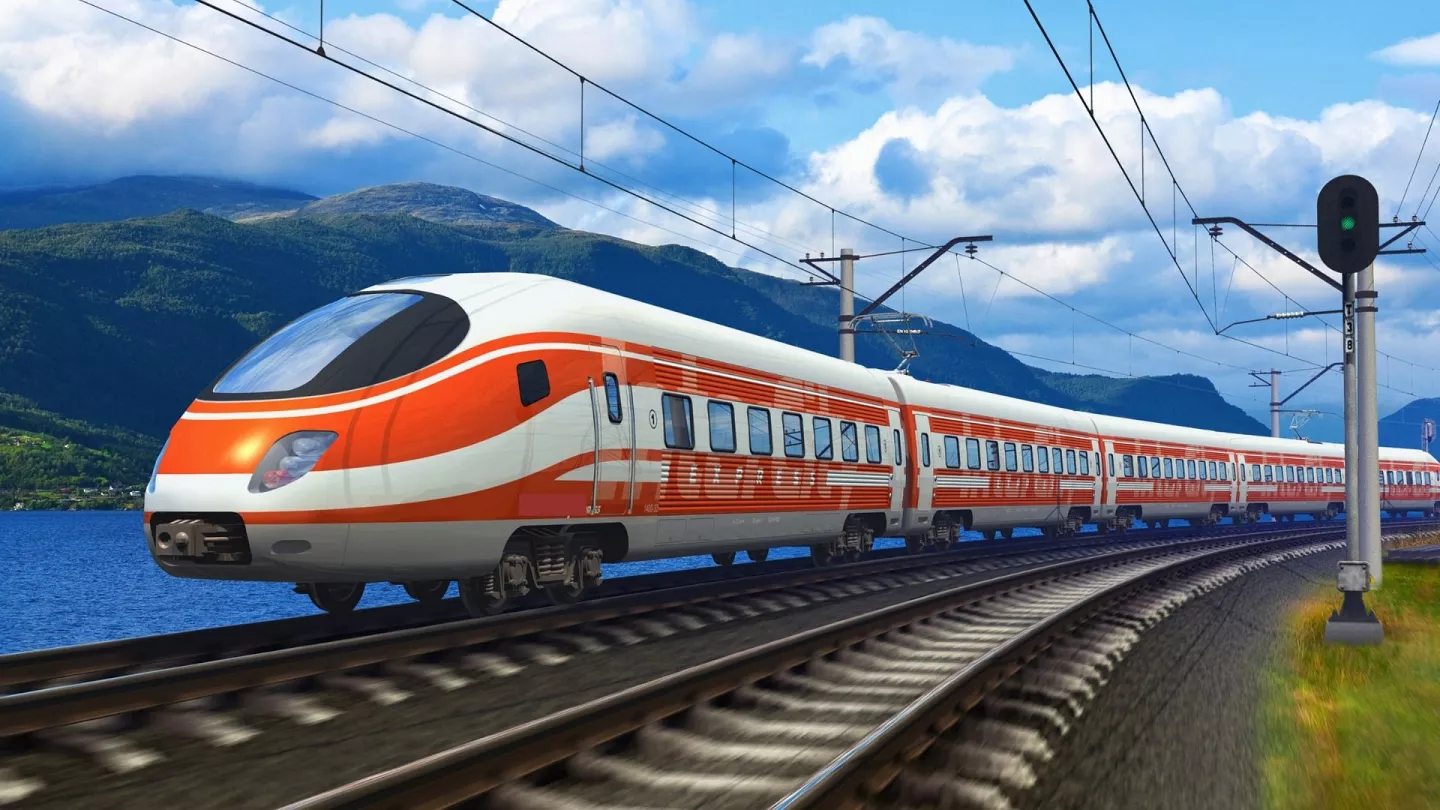
The proposed underwater train concept centers on advanced subsea tunneling combined with next generation high speed rail technology. The idea is to create sealed tunnels beneath the ocean floor capable of withstanding immense water pressure, seismic activity, and long term structural stress.
Inside these tunnels, trains could travel at extraordinary speeds, potentially rivaling or surpassing modern high speed rail systems. In theory, such a system could dramatically reduce travel times between distant regions while operating independently of weather conditions that affect air travel.
Although details remain conceptual, the scale of investment suggests a project designed not merely for practicality, but for long term strategic impact.
Why China Is Positioned to Attempt Such a Project
China’s interest in an underwater train is rooted in its track record of large scale infrastructure development. Over the past two decades, the country has built the world’s largest high speed rail network, extensive bridges, mega tunnels, and ambitious urban transit systems.
This experience has given Chinese engineers confidence in tackling extreme engineering challenges. Subsea tunnels already exist in China, though none on the scale envisioned by this concept. Each project has expanded technical knowledge, materials science, and construction logistics.
The underwater train proposal appears to be an extension of this progression rather than a sudden leap.
Engineering Challenges Beneath the Ocean Floor
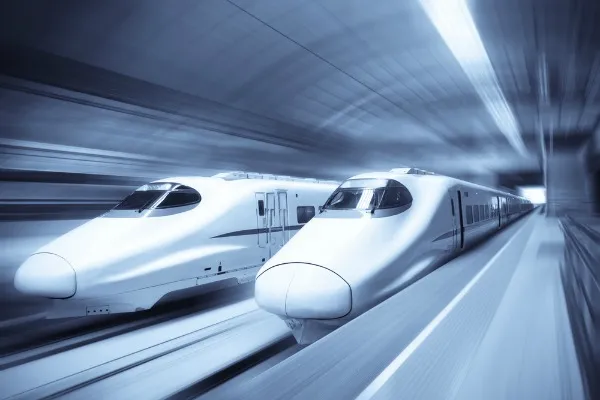
Building beneath the sea introduces complexities far beyond conventional tunneling. Pressure increases dramatically with depth, requiring materials that can endure constant stress over decades. Corrosion from saltwater, thermal variation, and potential seismic movement all pose serious risks.
Ventilation, emergency evacuation, and maintenance access become exponentially more complicated in a submerged environment. Even small failures could have catastrophic consequences.
These challenges explain why such projects demand not only massive funding, but unprecedented levels of engineering precision and redundancy.
How This Could Compare to Existing Global Infrastructure
If realized, an underwater train system of this magnitude would surpass existing subsea transport projects in both length and complexity. Current underwater tunnels typically connect nearby landmasses or cross narrow bodies of water.
This proposal, by contrast, envisions distances that could rival continental travel. In doing so, it would redefine what fixed infrastructure can achieve compared to aviation.
Such a system would not replace air travel entirely, but it could reshape how people think about long distance mobility.
The Geopolitical Signal Behind the Proposal
Beyond transportation, the underwater train concept carries geopolitical weight. Mega infrastructure projects often serve as symbols of national capability and global influence.
By advancing such an ambitious idea, China signals confidence in its technological ecosystem and long term economic planning. It also invites comparison with other global powers, particularly the United States, which has historically led in aerospace and transportation innovation.
The proposal subtly reframes competition from military or digital dominance toward infrastructure and engineering prowess.
Economic Implications and Strategic Investment
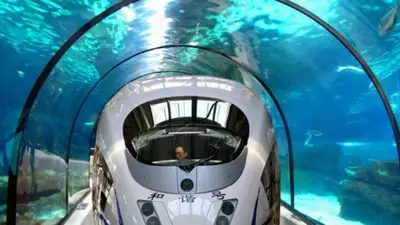
A $200 billion project would ripple across industries. Steel production, advanced materials, robotics, artificial intelligence, and energy systems would all play critical roles.
Supporters argue that such investment could stimulate innovation and create new standards for global engineering. Critics counter that opportunity costs are enormous and that returns may be uncertain.
Whether economically viable or not, the proposal demonstrates how infrastructure can be used as a long term strategic investment rather than a short term profit generator.
Environmental and Safety Considerations
Environmental impact is another major concern. Subsea construction can disrupt marine ecosystems, alter sediment flows, and affect biodiversity. Mitigating these effects would require careful planning and extensive monitoring.
Safety considerations extend beyond construction to daily operation. Emergency response protocols, disaster resilience, and system redundancy would need to exceed current standards.
The success of such a project would depend as much on environmental stewardship as on engineering brilliance.
Skepticism, Speculation, and Public Reaction
Public reaction to the underwater train concept has been mixed. Some view it as visionary and inspiring. Others see it as impractical or symbolic rather than achievable.
Skeptics question whether technological readiness matches ambition. They point to cost overruns, long timelines, and uncertain demand.
Supporters argue that many transformative projects were once dismissed as impossible, only to redefine the world once realized.
What This Idea Means for the Future of Transportation
Whether or not the underwater train is ultimately built, its significance lies in what it represents. It expands the boundaries of what societies are willing to imagine when addressing transportation challenges.
The proposal encourages discussion about alternatives to air travel, resilience against climate disruption, and the role of infrastructure in shaping geopolitical influence.
In the end, this idea may not be remembered solely for steel and tunnels, but for shifting the global conversation. It suggests a future where distance is negotiated not only through flight, but through daring feats of engineering beneath the surface of the world’s oceans.