
Table of Contents
- A Subtle Signal That Drew Global Attention
- The Context Behind China’s Calculated Position
- Russia’s Actions and the Search for Legitimacy
- Strategic Alignment Without Formal Alliance
- The Role of International Institutions
- Global Reactions and Strategic Anxiety
- Economic Considerations Behind Political Signals
- Information, Influence, and Narrative Control
- What This Means for Global Power Dynamics
- A Defining Moment for China’s Global Role
A Subtle Signal That Drew Global Attention
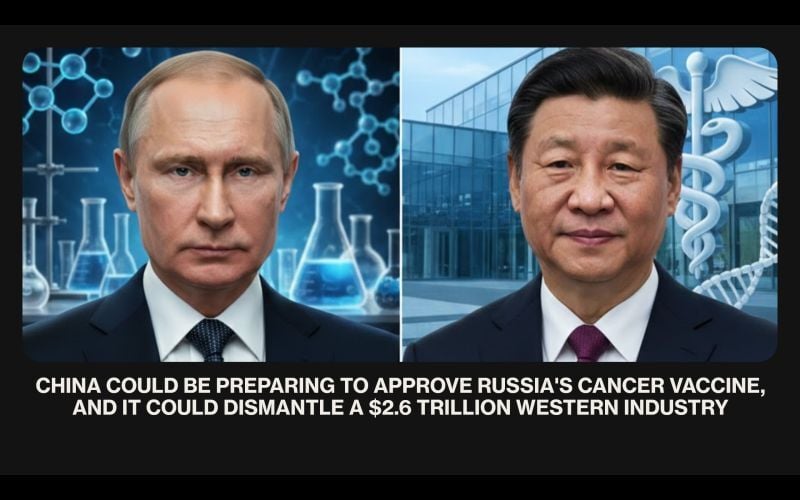
When reports emerged suggesting that China could be preparing to approve or tacitly support certain actions taken by Russia, the international community took notice. The signals were not delivered through dramatic announcements or formal declarations. Instead, they appeared through diplomatic language, voting behavior, and strategic silence.
In geopolitics, what is left unsaid can matter as much as what is spoken aloud. Analysts began to examine whether China’s posture indicated a shift from neutrality toward quiet alignment. This possibility carries enormous implications, not only for regional conflicts, but for the broader global order.
What followed was an intense wave of interpretation, debate, and concern across diplomatic, economic, and security circles.
The Context Behind China’s Calculated Position

China has consistently framed its foreign policy as one rooted in sovereignty, non interference, and respect for international law. In public statements, Chinese officials often emphasize dialogue over confrontation and stability over escalation.
However, global realities are rarely simple. As Russia’s actions continue to reshape geopolitical fault lines, China faces strategic choices that balance ideology, national interest, and long term influence. Remaining neutral preserves flexibility, but prolonged ambiguity can also be interpreted as implicit consent.
This context helps explain why even subtle shifts in tone or policy attract outsized attention.
Russia’s Actions and the Search for Legitimacy
Russia’s international position has been increasingly constrained by sanctions, diplomatic isolation, and criticism from Western nations. In this environment, endorsement or acceptance from major powers becomes critically important.
China’s global stature makes its position uniquely influential. While not openly endorsing Russia’s actions, any sign of approval or tolerance could soften international pressure and reshape diplomatic calculations.
For Moscow, even quiet support from Beijing could provide political breathing room and strategic reassurance.
Strategic Alignment Without Formal Alliance
China and Russia frequently describe their relationship as a strategic partnership rather than a formal alliance. This distinction allows both nations to cooperate without binding commitments.
Economic cooperation, energy trade, and diplomatic coordination have deepened in recent years. These ties create incentives for mutual understanding, even when public positions appear cautious.
Potential approval of Russian actions would likely take this indirect form, avoiding explicit endorsement while signaling shared resistance to Western pressure.
The Role of International Institutions

China’s behavior within global institutions such as the United Nations has become a focal point for observers. Voting abstentions, procedural objections, or carefully worded statements can all signal alignment without direct confrontation.
Such actions often reflect China’s preference for shaping outcomes from within established systems rather than through unilateral declarations. This approach preserves its image as a responsible global actor while advancing strategic interests.
The question is whether this balance can be maintained as global tensions intensify.
Global Reactions and Strategic Anxiety
Western governments have responded to perceived shifts with caution and concern. Analysts warn that deeper China Russia alignment could undermine existing sanctions regimes and complicate diplomatic efforts to resolve conflicts.
Meanwhile, countries in the Global South watch closely. Some see China’s stance as a counterweight to Western dominance, while others fear increased polarization and instability.
These divergent reactions highlight the fragile state of international consensus.
Economic Considerations Behind Political Signals
Economic factors play a critical role in shaping China’s decisions. Russia remains an important energy supplier and strategic partner in regional trade networks.
At the same time, China’s economic ties with Europe, the United States, and global markets remain far larger. Openly approving controversial actions risks economic retaliation and reputational costs.
This tension explains why any approval is likely to remain subtle, calibrated, and deniable.
Information, Influence, and Narrative Control
Beyond policy decisions, information strategy matters. Media framing, diplomatic language, and official commentary all shape perceptions of alignment.
China has shown increasing sophistication in managing narratives, emphasizing peace initiatives and neutrality even as strategic cooperation deepens.
This dual messaging allows China to engage multiple audiences simultaneously, though it also fuels skepticism about its true intentions.
What This Means for Global Power Dynamics
If China moves closer to approving or supporting Russian actions, even indirectly, the implications extend far beyond a single conflict. It would signal a more pronounced division between global power blocs.
Such a shift could accelerate the emergence of parallel systems in finance, trade, and security, reducing cooperation across traditional boundaries.
The world may be entering a phase where alignment matters more than consensus.
A Defining Moment for China’s Global Role
China’s potential approval of Russian actions represents a defining moment in its evolution as a global power. The choice between neutrality and alignment will shape perceptions of China’s leadership, responsibility, and ambition.
Whether Beijing continues its careful balancing act or moves toward clearer support remains uncertain. What is clear is that the world is watching closely.
In an era marked by shifting alliances and fragile stability, even quiet signals can reshape the global landscape. China’s next steps may not be loud, but they will be consequential.