
Table of Contents
- A Supreme Court Decision That Shook Global Trade
- The Ruling That Struck Down Trump’s Tariff Powers
- Trump’s Immediate Response and New Tariff Approach
- What the Tariffs Mean for American Consumers and Businesses
- Global Reactions and Uncertainty in Trade Relations
- The Legal and Political Implications Back Home
- Legal Challenges and the Path Forward
- Impact on Global Supply Chains and Trade Partners
- Broader Economic Context and Public Perception
- What This Moment Means for the Future of Trade Policy
A Supreme Court Decision That Shook Global Trade
When news emerged that the Supreme Court of the United States had ruled against Donald Trump’s use of broad executive authority to impose sweeping tariffs under a decades-old emergency law, it sent ripples through the global economy. The ruling declared that the president lacked legal authority to unilaterally impose tariffs under that statute. Within hours, Trump’s response was swift and dramatic: he announced that he would raise US global tariffs to a higher rate under a different legal mechanism.
This confrontation between the judiciary and the executive branch was not just a domestic legal battle. It directly affected how the United States interacts with its trading partners, the prices consumers pay for goods, and the future of international commerce agreements. Rather than retreating after the legal setback, Trump’s decision to recalibrate and extend tariff policies redefined the stakes for economies around the world.
What followed was more than legal maneuvering. It became a geopolitical moment that drew scrutiny from governments, corporations, and consumers alike.
The Ruling That Struck Down Trump’s Tariff Powers
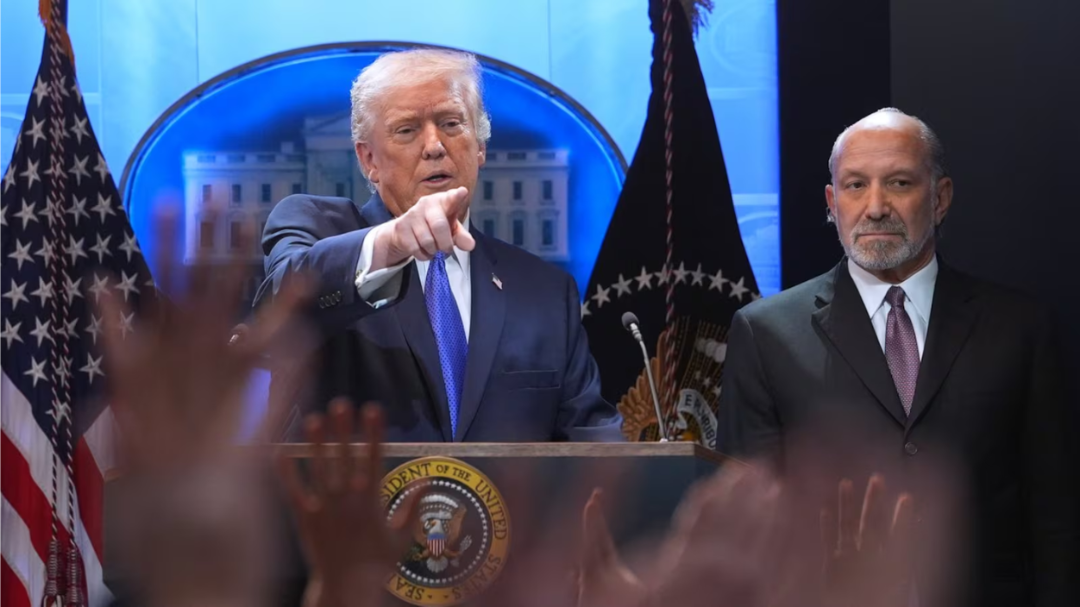
At the heart of the controversy was the Supreme Court’s interpretation of the International Emergency Economic Powers Act, a Cold War era statute that had been repurposed by the Trump administration to justify sweeping trade duties on imports from virtually every country. The court’s majority found that the law did not authorize such broad tariff powers without explicit congressional authorization.
The decision underscored a constitutional principle: the power to impose taxes and tariffs rests primarily with Congress. In a ruling by a 6-3 majority, justices concluded that the emergency law simply did not grant the president the sweeping ability to impose duties on an open ended list of imports. This invalidated a significant portion of tariff levies that had been at the core of Trump’s trade strategy, which sought to reshape global commerce through unilateral actions.
For many legal scholars, the ruling represented a reaffirmation of the separation of powers and a rebuke to expansive executive interpretation of emergency authorities. Politically and economically, however, it ignited immediate uncertainty.
Trump’s Immediate Response and New Tariff Approach
Rather than accept the ruling as a defeat, Trump responded by deploying a different legal tool: Section 122 of the Trade Act of 1974, a rarely invoked statute that permits temporary tariffs of up to 15 percent without congressional approval for a limited period. Within a day of the court’s decision, Trump announced his intention to raise the global tariff rate from 10 percent to the maximum 15 percent under this authority.
This rapid shift illustrated the administration’s determination to maintain pressure on foreign producers and assert control over trade policy, even in the face of legal constraints. The move was framed domestically as a continuation of efforts to protect American industry, address trade imbalances, and enforce leverage in negotiations.
Yet this strategy was not without controversy. The use of a seldom used statute to impose tariffs on all trading partners, rather than targeted measures, deepened questions about the balance of executive authority and the broader impact on global commerce.
What the Tariffs Mean for American Consumers and Businesses
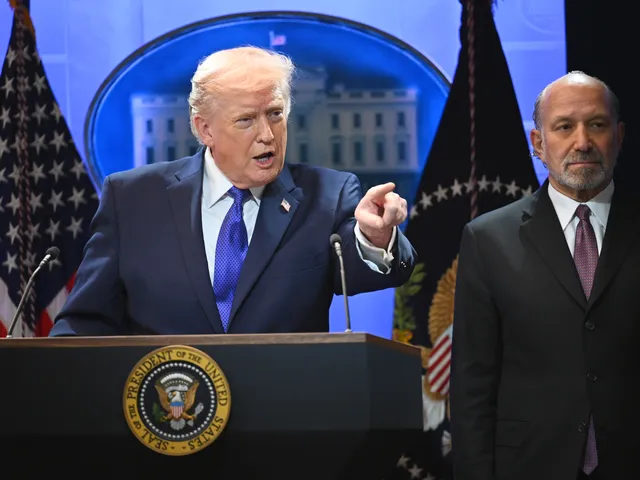
Tariffs are essentially taxes on imported goods, and their burden is often felt by domestic consumers and companies that rely on imported components. Under Trump’s expanded tariff plan, a blanket 15 percent levy on imports could translate to higher prices for everyday products, ranging from electronics to clothing to raw materials used in manufacturing.
Business groups and economic analysts warned that while the intent might be to protect US industry, the practical effect could be increased costs for both consumers and manufacturers. Some firms may absorb part of the tariff cost, but others are likely to pass costs on to customers, contributing to inflationary pressures already of concern in the US economy.
These concerns highlight a tension in trade policy: measures designed to defend domestic interests can sometimes produce counterintuitive and costly effects on the very economy they aim to protect.
Global Reactions and Uncertainty in Trade Relations
International response to the Supreme Court ruling and Trump’s tariff escalation has been mixed, but largely characterized by concern. Bodies like the European Union have called on the United States to honor existing trade commitments and maintain predictability in economic relations.
China’s government went a step further, criticizing the US tariff strategy as harmful and urging Washington to lift unilateral measures that contravene established trade norms. Chinese officials emphasized that ongoing conflict through tariffs could damage economic cooperation and supply chain stability.
Emerging economies, manufacturers in Asia, and even traditional allies expressed concern that unpredictable shifts in US tariff policy could disrupt investment decisions, slow growth, and complicate multinational supply chains.
In a tightly interconnected global economy, uncertainty tends to dampen investment and slow the pace of international trade expansion.
The Legal and Political Implications Back Home
Domestically, the clash between the Supreme Court and the executive branch has broader implications for the balance of power in Washington. By limiting the president’s ability to use emergency law for tariff imposition, the judiciary reinforced a constitutional safeguard. At the same time, Trump’s immediate pivot to alternative statutory authority highlighted the political urgency attached to trade policy in the current administration.
These developments have also become fodder for political debate ahead of elections and policy negotiations. Critics argue that unilateral tariff measures bypass legislative authority and risk unintended economic consequences. Supporters counter that bold actions are necessary to confront unfair trade practices and protect American workers.
The dynamic has therefore intensified scrutiny on both executive action and congressional oversight in economic policymaking.
Legal Challenges and the Path Forward
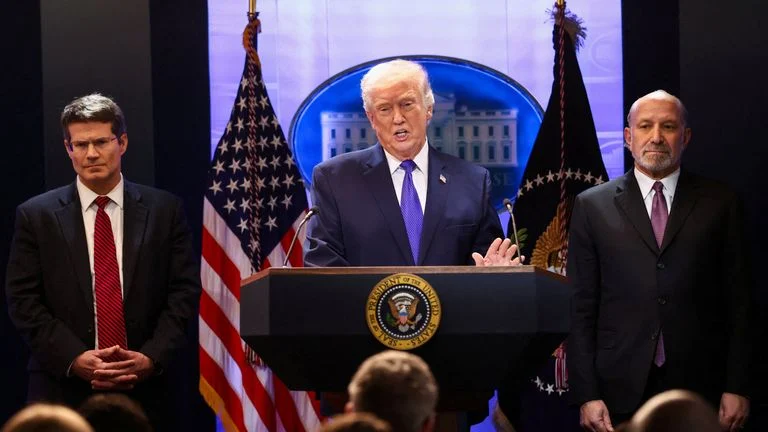
Even as the Supreme Court’s ruling invalidated previous tariffs and Trump invoked a new legal mechanism, the future of US trade policy remains uncertain. Many experts predict that legal challenges could arise against the use of Section 122, potentially bringing further judicial review.
Moreover, the temporary nature of Section 122 tariffs—valid only for up to 150 days without congressional approval—means that the administration may need new legislation to sustain long-term trade policy. This puts pressure on lawmakers to define clearer statutory authority for future tariffs and trade measures.
The unfolding legal landscape could therefore shape not only immediate economic policy, but also the broader contours of executive authority in global commerce.
Impact on Global Supply Chains and Trade Partners
Tariff uncertainty reverberates across global supply chains. Companies that source parts from multiple countries often face complex cost calculations, pricing decisions, and contract commitments. When tariffs shift rapidly, it disrupts planning and increases operational risk.
For US trade partners, especially those whose economies are tightly integrated with American markets, the implications are significant. Exporters may face unpredictable costs that affect competitiveness, profitability, and employment.
Worse, if trade partners respond with their own retaliatory measures, the situation can escalate into a broader trade conflict, reducing market access and dampening economic growth.
Broader Economic Context and Public Perception
Tariffs do not operate in isolation. They intersect with currency valuations, inflationary pressures, labor markets, consumer confidence, and investment flows. Public opinion on tariffs is similarly complex. While some citizens support protectionist measures to defend local industries, others recognize the downside of higher prices and strained diplomatic relations.
Polls indicate that many Americans disapprove of unpredictable tariff policies, especially when they directly affect cost of living. As economic conditions remain top of mind for voters, trade policy could influence political outcomes and public trust in government economic management.
What This Moment Means for the Future of Trade Policy
The Supreme Court’s rejection of Trump’s broad tariff powers, followed by his decision to raise global tariffs under a different law, marks a defining moment in US trade policy. It reflects ongoing tensions between legal authority, executive ambition, economic strategy, and global interdependence.
This episode underlines how trade policy is not just about economics. It is deeply tied to law, politics, diplomacy, and national identity. What happens next will shape the future of American engagement with global markets, the rule of international trade norms, and how nations balance sovereignty with shared economic interests.
In a world where commerce knows no borders, this clash between courts, presidents, and global partners underscores a truth: economic conflict and cooperation are inseparable from the broader currents that define the 21st century.