

Table of Contents
- A Law That Changed the World
- The Problem: Perfectly Good Food in the Trash
- The Man Behind the Movement
- What the Law Actually Does
- How It’s Working in Practice
- The Ripple Effect Across Europe
- The Economics of Feeding Instead of Wasting
- Fighting Climate Change One Meal at a Time
- Beyond Supermarkets: A Cultural Shift
- The Critics and Challenges
- Lessons for the World
- Final Thoughts: From Waste to Worth
A Law That Changed the World
In 2016, France did something no other country had dared to try. Lawmakers passed a groundbreaking law requiring supermarkets to donate unsold food instead of throwing it away.
It was more than a policy shift—it was a cultural awakening. At a time when millions across Europe struggled with hunger, France decided to turn its waste into nourishment.
The law made headlines around the globe. But what truly set it apart wasn’t just its compassion—it was its practicality. France had just redefined what it means to be a modern, sustainable nation.
The Problem: Perfectly Good Food in the Trash
Before this law, French supermarkets—like many others worldwide—routinely threw away tons of unsold yet edible food. Expired by label but not by quality, this food ended up in landfills instead of on dinner plates.
The numbers were staggering. An estimated 7 million tons of food were wasted in France each year. Meanwhile, more than 10 million people relied on food aid to survive.
It wasn’t just an economic or moral issue—it was an environmental one too. Rotting food emits methane, a greenhouse gas up to 25 times more potent than carbon dioxide.
So France asked a powerful question: what if the solution wasn’t complex technology, but simple responsibility?
The Man Behind the Movement
The idea came from Arash Derambarsh, a municipal councillor from Courbevoie, near Paris. Frustrated by seeing supermarkets throw out perfectly good food while people starved, he launched a campaign that quickly gained momentum.
Derambarsh’s activism struck a chord with both citizens and politicians. Within months, France’s parliament unanimously approved the food waste ban—a rare show of unity across party lines.
The message was clear: feeding people should take priority over feeding landfills.
What the Law Actually Does
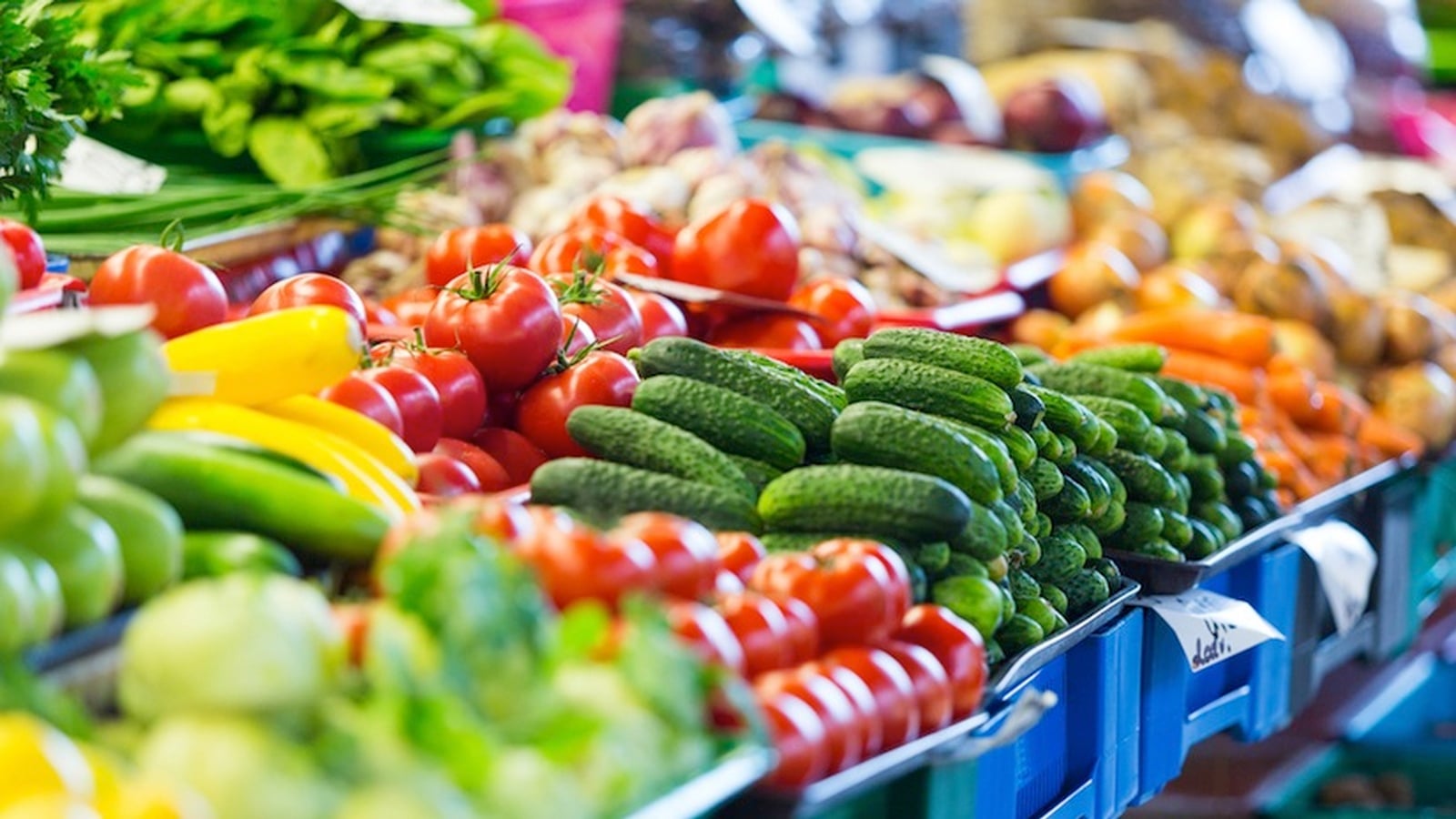
Under the new law, supermarkets larger than 4,300 square feet are legally required to sign contracts with food charities. Instead of dumping unsold goods, they must donate them to organizations that redistribute food to those in need.
Supermarkets that fail to comply face hefty fines—up to €75,000 or two years in prison for store managers.
This legal framework created a win-win ecosystem:
- Charities gained a steady food supply.
- Supermarkets reduced waste management costs.
- Local communities saw hunger decline.
What once ended up in dumpsters was now ending up on plates.
How It’s Working in Practice
The results have been remarkable. Within the first year of implementation, donations to food banks increased by 22%.
Organizations like Les Restos du Cœur and Banques Alimentaires reported they could feed thousands more people each week thanks to supermarket partnerships.
Even logistics improved—stores now label, refrigerate, and sort food donations with precision, ensuring freshness and safety.
One volunteer described it best: “We used to chase donations. Now, they chase us.”
The Ripple Effect Across Europe
France’s bold move didn’t stay within its borders. Other nations quickly took notice.
Italy passed a similar law months later, encouraging—not requiring—businesses to donate food through tax incentives. Denmark, Spain, and Belgium followed with national campaigns promoting food recovery.
Even outside Europe, countries like South Korea and Japan have explored France’s model to tackle their own waste challenges.
In short, a single policy ignited a global conversation on sustainability, ethics, and accountability.
Would your country adopt a similar law if it meant ending hunger and saving the planet?
The Economics of Feeding Instead of Wasting
While the moral case for donation is obvious, the economic one is just as compelling.
By reducing waste disposal costs and enhancing their public image, supermarkets actually save money under the new system. Brands that once faced criticism now benefit from positive public perception, turning sustainability into marketing gold.
Additionally, less food waste means less landfill space used, reducing public spending on waste management. That’s good news for taxpayers and the environment alike.
So perhaps the question isn’t “Can we afford to do this?” but rather, “Can we afford not to?”
Fighting Climate Change One Meal at a Time
Few realize how deeply food waste contributes to global warming. If food waste were a country, it would be the third-largest emitter of greenhouse gases—after China and the United States.
France’s initiative doesn’t just feed the hungry—it cuts methane emissions, saves water, and reduces the energy footprint associated with food production.
Every meal rescued from the trash means less strain on farms, transportation, and refrigeration systems. It’s a small act that multiplies into a powerful environmental ripple.
Imagine if every country joined in—how much cleaner would our skies be?
Beyond Supermarkets: A Cultural Shift
The movement didn’t stop with retailers. Schools, restaurants, and consumers have joined the fight.
France has expanded efforts to educate citizens about portion control, expiration labels, and meal planning. Apps like Too Good To Go and Phenix now connect people with unsold restaurant and store food at discounted prices.
This cultural shift proves that sustainability isn’t just about technology—it’s about mindset.
When waste becomes unthinkable, change becomes inevitable.
The Critics and Challenges
Of course, not everyone agrees with the law’s approach. Some critics argue it places excessive pressure on supermarkets, shifting responsibility away from manufacturers and consumers.
Others worry about liability—what if donated food makes someone sick?
To address this, France implemented strict safety protocols and legal protections for donors. So far, these measures have kept incidents minimal while maintaining public trust.
Still, the law continues to evolve as new challenges emerge.
Could this model be improved by expanding accountability across the entire supply chain—from farm to fork?
Lessons for the World
France’s anti-waste revolution offers valuable lessons for countries grappling with food insecurity and sustainability challenges.
The key takeaway? Legislation works when combined with collaboration. The success of this law wasn’t built on punishment alone—it was fueled by partnerships, community involvement, and shared values.
Other nations can adapt this framework to their cultural and logistical realities. Whether through tax incentives, corporate responsibility laws, or grassroots initiatives, the goal remains the same: stop throwing away what others need to survive.
Final Thoughts: From Waste to Worth
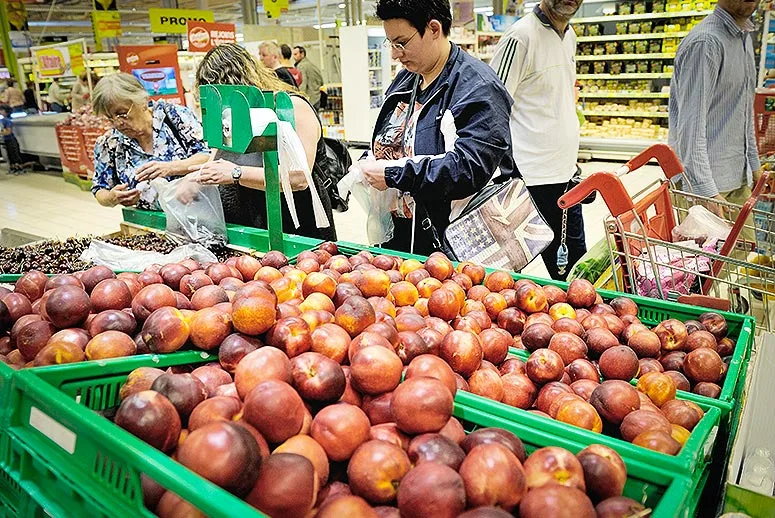
France’s supermarket law is more than a legal milestone—it’s a moral compass for the modern world.
It reminds us that progress isn’t just measured in GDP or technological breakthroughs, but in empathy and foresight. In a society obsessed with consumption, France dared to ask: What are we doing with what we already have?
The answer changed lives—and maybe, just maybe, it’s the spark the world needs to build a future where no meal, and no person, is ever wasted again.