

When news circulated that France could freeze Elon Musk’s assets and even jail him for foreign election interference, it landed with the kind of punchy simplicity that travels fast online: billionaire versus state, platform versus democracy, free speech versus accountability. The headline logic was irresistible. But behind that dramatic claim sits something more complicated and more consequential—a real legal ecosystem in France and Europe that can escalate from regulatory pressure to criminal investigation, and a growing willingness among European authorities to test where “platform influence” ends and “illegal manipulation” begins.
The story matters because it isn’t only about Musk. It’s about whether European democracies are prepared to treat algorithmic systems the way they treat other high-impact tools: as systems that can be audited, questioned, and, if authorities believe crimes may have occurred, investigated with the full force of criminal procedure. And it’s about how quickly the conversation can shift from “content moderation debates” into a far more serious arena—allegations of tampering, fraudulent extraction of data, and organized wrongdoing, which in France can carry significant penalties.
What follows is an exploration of what France is actually investigating, what “asset freezing” typically means in practice, why jail is being mentioned at all, and why this fight is becoming a template for how Europe may confront the next era of political influence—one driven less by campaign speeches and more by recommendation engines.
Table of Contents
- The Claim That Lit Up the Internet, and the Reality Behind It
- What France Is Investigating About X
- Why “Foreign Election Interference” Is the Trigger Word
- How Asset Freezing Would Actually Happen
- Why Jail Is Being Mentioned At All
- The Algorithm Question
- Europe’s Parallel Track
- The Free Speech Defense, and Why It Only Goes So Far
- What Would Have to Be Proven for the Toughest Outcomes
- A New Era of “Election Infrastructure”
- Conclusion
The Claim That Lit Up the Internet, and the Reality Behind It
The London Economic framed the situation bluntly: France has the power to freeze Musk’s financial assets and could even jail him for foreign election interference under French laws. The reason claims like this explode is that they compress a dense legal process into a single moral storyline—“if you interfere, you pay.”
But France does not simply snap its fingers and seize assets because of a headline. Asset freezing and confiscation are generally tied to legal procedures—criminal investigations, court orders, or sanctions frameworks—each with different thresholds and safeguards. In other words, the bigger story isn’t the viral claim. The bigger story is that France has an active criminal investigation involving Musk’s platform X, and the legal theories being tested could open doors to intrusive investigative measures, depending on how prosecutors frame the suspected conduct.
What France Is Investigating About X
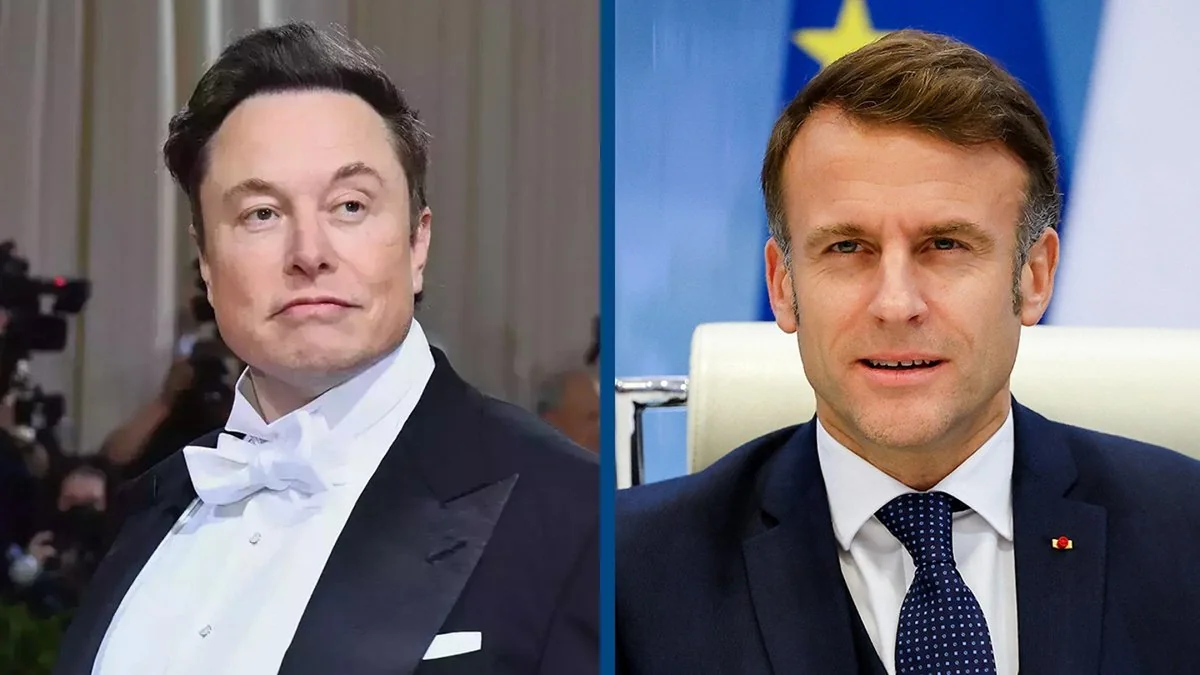
French prosecutors have launched a police investigation into X over allegations that include tampering with the functioning of an automated data processing system and fraudulent extraction of data—reported as being investigated as “organized” offenses. Reuters reported that X itself characterized the probe as politically motivated and said it would not comply with certain demands, while French authorities are examining whether the platform’s systems were manipulated in ways that could enable “foreign interference.”
This is the key: the discussion is not merely “France dislikes Musk’s opinions.” The investigation, as reported, revolves around how a major platform’s technical systems function, and whether their operation crosses lines in French criminal law.
Le Monde’s reporting adds important detail about the nature of the suspicions and the legal framing—suggesting a novel interpretation in which algorithmic manipulation could be treated like a form of “hacking” or system manipulation, and noting potential penalties cited under French law. The Financial Times also described the investigation as focusing on alleged manipulation of the recommendation algorithm and data extraction allegations, noting the broader context of EU scrutiny under the Digital Services Act.
Why “Foreign Election Interference” Is the Trigger Word
Europe has become unusually sensitive to the phrase foreign interference for a simple reason: it doesn’t treat election integrity as a vibes-based cultural issue. It treats it as infrastructure. The European Parliament has described foreign interference as illegitimate interference in democratic processes and has pushed analysis of legal gaps and policy responses.
France, specifically, has publicly urged the European Commission to be firm against what it sees as interference in political debate—a signal that French officials want not only national tools but EU-level enforcement pressure.
When the “interference” frame takes hold, the debate changes. The question stops being “should platforms moderate more?” and becomes “did a system help distort democratic outcomes?” And that shift is exactly why legal escalation becomes thinkable.
How Asset Freezing Would Actually Happen

The phrase “freeze Elon Musk’s assets” is emotionally satisfying because it sounds immediate and personal. In reality, freezing assets usually refers to legal mechanisms that prevent assets from being moved or accessed while authorities investigate or enforce judgments.
France has robust systems for seizing and managing assets connected to criminal proceedings through specialized structures, including the agency known for managing seized and confiscated assets. The broader reality is that French judges can order seizures, and France has increasingly used asset seizure and confiscation tools in criminal contexts, including complex asset types.
This matters because if prosecutors believe a serious offense occurred and can link assets to wrongdoing—or believe assets might be moved—legal tools can be used to preserve assets pending outcomes. That does not mean a court will do so in any particular case, but it explains why the claim is not pure fantasy. The capability exists inside the legal architecture; whether it is used depends on evidence, judicial decisions, and the precise legal basis invoked.
Why Jail Is Being Mentioned At All
The “jail Musk” line sounds like political theatre—until you read how some alleged offenses are described in reporting.
Le Monde notes that alleged offenses under French law related to manipulation and data extraction can carry significant prison time and fines. Reuters also reported that the probe involves organized crime framing, which can expand investigative powers and raise potential penalties, while X disputes the legitimacy of that approach.
Here’s the important nuance: criminal exposure is not the same as criminal conviction, and investigations can be closed, narrowed, or redirected. But once criminal law becomes part of the conversation, the ceiling of potential consequences rises sharply. That is why the rhetoric feels so extreme. It isn’t only rhetoric anymore—it’s a reflection of what criminal statutes can theoretically allow if prosecutors can establish elements of an offense.
The Algorithm Question
This is where the entire story becomes a test case for the modern internet.
A platform like X does not just “host speech.” It ranks, amplifies, and suppresses visibility. Recommendation algorithms shape what millions see first, what feels socially dominant, and what becomes perceived truth. So the heart of the issue becomes whether algorithmic outcomes are merely editorial choices at scale—or whether they can be construed as technical manipulation in ways that violate specific laws when tied to elections or coordinated interference.
French authorities, according to reporting, are scrutinizing whether X’s algorithm played a role in enabling foreign interference, while the company argues this is an attack on free expression.
Even critics of X should be careful here: it is one thing to argue a platform’s design is socially harmful. It is another to prove criminal manipulation. But the fact that authorities are willing to attempt that leap tells you how serious the political climate has become.
Europe’s Parallel Track
While France explores criminal avenues, the EU has its own powerful toolset: the Digital Services Act (DSA). The DSA enforcement framework describes investigative and sanctioning measures available to national authorities and the European Commission, including the ability to demand information, conduct inspections, and impose significant penalties for noncompliance.
This two-track reality is what makes pressure on platforms intense. A company can face regulatory scrutiny on transparency and risk management under the DSA while also facing criminal investigation under a member state’s laws if authorities believe conduct crosses into illegal territory.
And the timing is not random. European regulators have been increasingly vocal about platform risks linked to misinformation, election integrity, and AI-generated content. Recent reporting also suggests regulators are weighing actions connected to X’s AI product Grok, indicating that scrutiny extends beyond the social platform itself into the broader ecosystem around Musk’s companies.
The Free Speech Defense, and Why It Only Goes So Far
Musk and X have leaned on a free speech framing, and Reuters reported X calling the French probe politically motivated and refusing to comply with certain data demands. This argument resonates strongly with audiences who view European regulation as censorship.
But Europe’s counterargument is not “we dislike speech.” It is “systems that shape speech can create measurable societal risks.” Under European frameworks, platforms are expected to address systemic risks—especially around elections—and to provide transparency about how their systems operate.
That’s why the conflict is so combustible. Each side believes it’s defending a core value: one side says expression; the other says democratic integrity.
What Would Have to Be Proven for the Toughest Outcomes
If we strip away the emotion, the toughest outcomes—asset freezes, prosecutions, imprisonment—generally require prosecutors to prove elements of serious offenses, and for courts to agree on the legal interpretation. Reporting indicates the French investigation focuses on alleged tampering with automated data processing and fraudulent extraction of data, framed as organized offenses.
That’s a high bar in the court of law, even if it’s a tempting narrative in the court of public opinion.
But here is why the story still matters even if no dramatic punishment occurs: the process itself changes behavior. Investigations can force transparency, compel documentation, and impose reputational costs. They can also set precedents for how democratic states classify algorithmic behavior—either as protected editorial choice or as potentially unlawful manipulation.
A New Era of “Election Infrastructure”
Historically, election security meant ballots, polling places, and observers. Now it includes platform architecture: recommendation systems, ad targeting, bot networks, coordinated amplification, and cross-border influence campaigns.
This is why France’s posture—paired with EU enforcement tools—signals something bigger than one man or one platform. It signals that European authorities increasingly see platform design as part of election infrastructure, and therefore something that can be regulated, investigated, and penalized when they believe it has been abused.
Whether you think that is protective or dangerous depends on what you fear more: state overreach or digital destabilization.
Conclusion
The viral headline—freeze assets, jail a billionaire—makes the story feel personal. But the true story is structural.
France is testing how far criminal law can reach into the machinery of a major platform. The EU is building enforcement capacity to demand transparency and risk reduction. And the world is watching because the outcome won’t just affect X. It will affect how governments treat the next platform, the next algorithm, the next election, and the next crisis of trust.
If authorities succeed, Big Tech will face a future where “we’re just a platform” is no longer a shield. If authorities fail, governments may look for even sharper tools—or platforms may treat the failure as proof they can keep operating without meaningful transparency.
Either way, the era of polite letters and hand-wringing debates is fading. Europe is moving toward enforcement. And the question now is not whether that shift will change the internet, but how quickly—and at what cost.