
Table of Contents
A Growing Movement in Europe
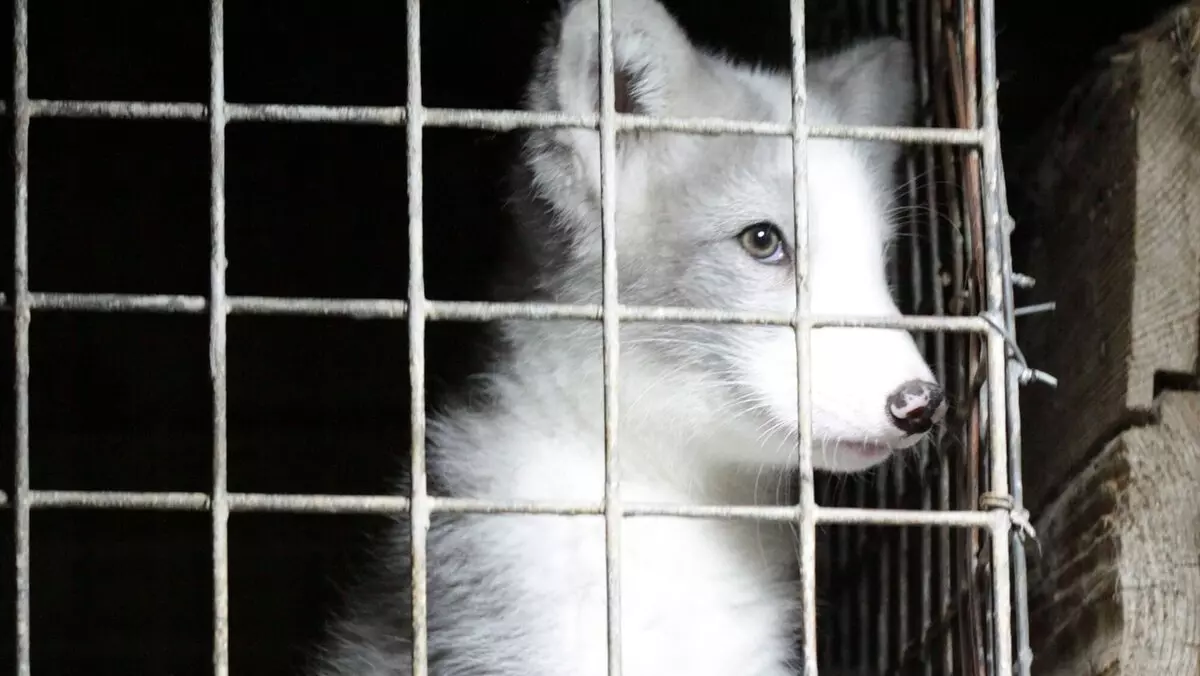
Germany’s decision to shut down its fur farm industry came after years of campaigning, protests, and a new wave of legislation aimed at curbing the inhumane practice of fur farming. In 2017, the German government passed a law that effectively banned fur farming by 2022. The law, which was supported by PETA and other animal rights groups, was a direct response to mounting concerns over the ethics of fur production and the treatment of animals in these farms.
The legislation required farmers to phase out the practice, which led to the closure of Germany’s final fur-producing facility. According to PETA, the last farmer to operate in Rahden shut down his farm ahead of the deadline, unable to withstand the constant pressure from both government regulations and public outcry.
This move follows the footsteps of other European countries, such as the UK and Austria, which have long since banned fur farming. The ban in Germany aligns with broader efforts across Europe to end fur production and reduce the suffering of animals held captive for their pelts.
PETA’s Role: Leading the Charge Against Fur Farming
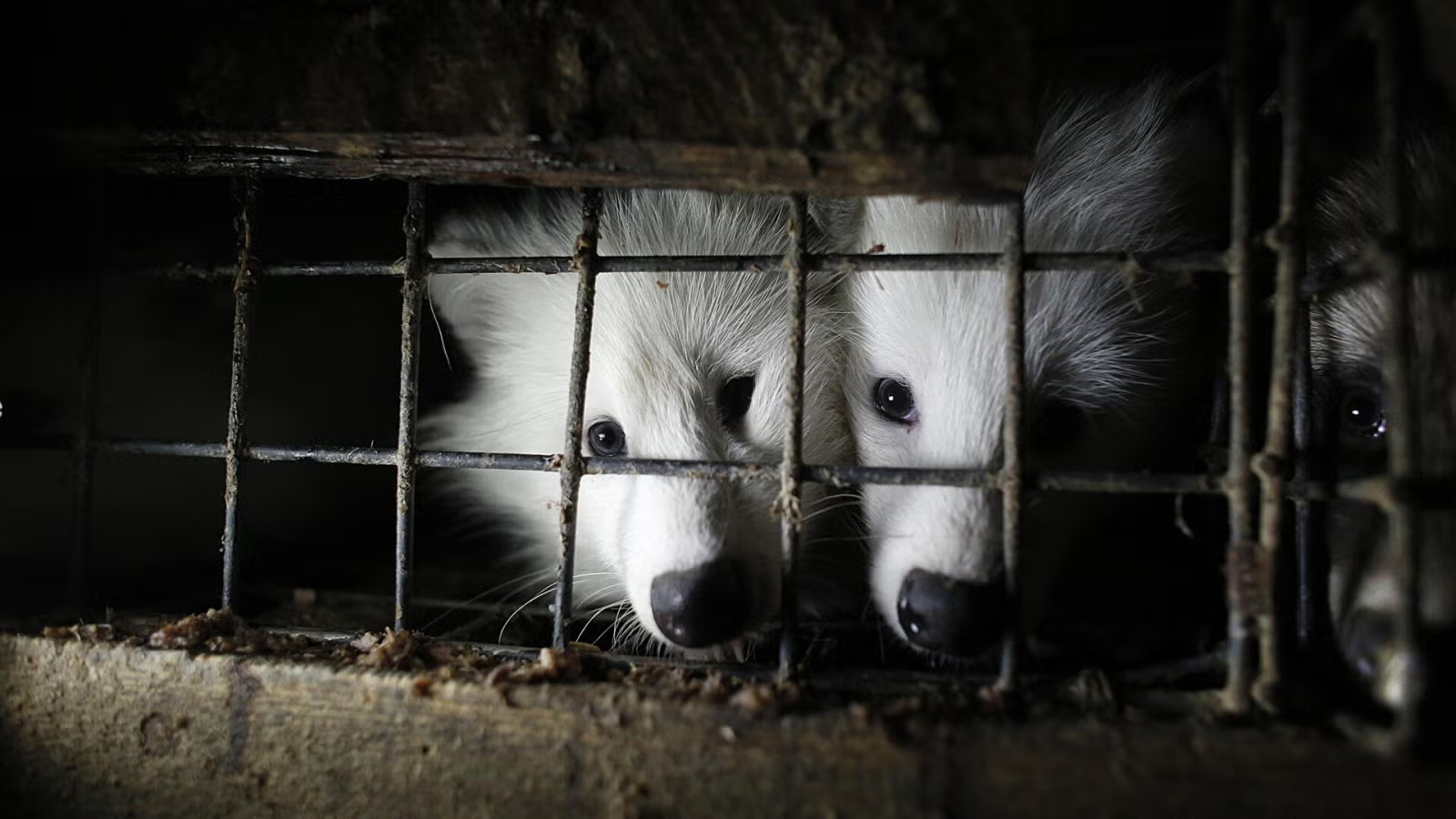
PETA (People for the Ethical Treatment of Animals) has been at the forefront of the fight against fur farming in Germany for more than two decades. Through petitions, protests, and educational campaigns, PETA successfully raised awareness about the cruelty of fur farming and its devastating impact on animals. The organization credited its persistent efforts with playing a major role in pushing the legislation that led to the fur farm closures.
PETA’s campaign also included high-profile ad campaigns and celebrity endorsements that brought global attention to the issue. The organization argued that fur farming subjects animals to extreme confinement, poor living conditions, and brutal killing methods, often involving gassing or electrocution. As a result, public sentiment in Germany—and worldwide—shifted significantly in favor of banning the practice.
Fashion Industry Moves Toward Cruelty-Free Alternatives
Alongside the legal victory in Germany, the global fashion industry has seen a significant shift away from fur. Leading designers and fashion houses are increasingly adopting animal-friendly alternatives to fur in their collections. Major fashion labels such as Armani, Tom Ford, and Versace have pledged to stop using real fur, while others have shifted to faux fur and innovative materials that mimic the look and feel of fur without the ethical concerns.
Fashion events like London Fashion Week and Amsterdam Fashion Week have followed suit, going fur-free in recent seasons. These moves have been celebrated by animal rights activists and fashion-conscious consumers alike, as they signal a broader cultural shift toward sustainable and humane fashion choices.
The rise of ethical fashion has been driven by a growing awareness of the impact of the fur industry on animals, as well as an increasing demand for cruelty-free alternatives. Designers are now finding that using fur is not only ethically problematic but also increasingly unpopular with consumers, particularly younger generations who are more attuned to social and environmental issues.
Fur Bans Across Europe: Norway and the Czech Republic Follow Suit
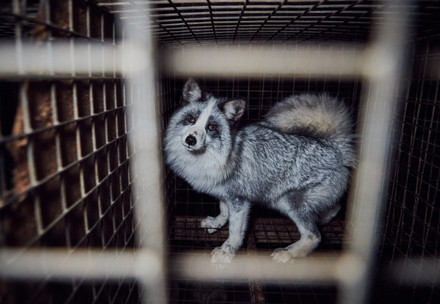
Germany’s move to shut down its fur farms follows a larger trend in Europe, where countries are increasingly moving toward fur bans. In 2020, Norway announced that it would phase out fur farming by 2025, citing concerns over animal welfare and the environmental impact of the industry. This decision follows similar moves by other countries, including the Czech Republic, which also passed a ban on fur farming in 2020.
These countries are part of a growing movement within the European Union to end the practice of fur farming. Governments and animal welfare organizations are recognizing that the cruelty associated with fur production is no longer acceptable, and the shift towards cruelty-free alternatives is gaining momentum.
The Future of Fur: A Global Perspective
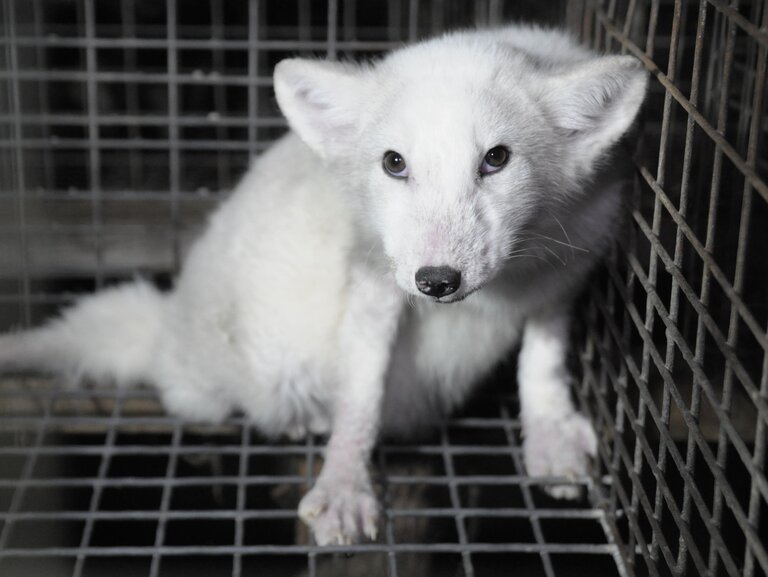
While fur farming is being phased out in many European countries, it remains legal in some parts of the world, including Russia and China. These countries continue to produce large quantities of fur for the global market. However, as more countries pass legislation to ban fur farming and consumer demand for ethical alternatives grows, the global fur industry is facing significant challenges.
The closure of Germany’s last fur farm is a powerful symbol of the growing global movement toward animal rights and cruelty-free fashion. As more countries, designers, and consumers embrace sustainable and ethical practices, the fur industry’s days are numbered.
Conclusion
The closure of Germany’s last fur farm marks a major victory for animal rights activists and a significant step forward in the global movement to end fur farming. This decision reflects a growing recognition that animals should not suffer for fashion, and it sets a powerful precedent for other countries to follow.
As the fashion industry moves away from fur, and as more nations adopt fur-free policies, the future of the fur trade looks increasingly uncertain. This shift represents a broader cultural change towards sustainability, compassion, and ethical decision-making. The legacy of this moment will be felt for generations to come, as it serves as a reminder that even small acts of compassion can lead to profound change.