
Table of Contents
- The Reef on Fire—Underwater
- What 400 Years of Ocean Heat Means
- The Science Behind the Heat
- Coral Bleaching: A Silent Disaster
- The Economic Ripple Effect
- Health and Environmental Implications
- Can We Save the Reef?
- Travel and Tourism in a Warming World
- The Role of Homeowners and Gardeners
- What Scientists Want You to Know
- Hope Beneath the Waves
The Reef on Fire—Underwater
Imagine swimming through a kaleidoscope of colors, only to see that the vibrancy is fading. This is the reality unfolding at the Great Barrier Reef, which scientists say is now the hottest it’s been in 400 years.
It’s not just a number on a thermometer. The record heat affects coral bleaching, marine life, and even the global economy linked to tourism and fisheries. For those who dream of exploring this underwater paradise, what you see today may not last long.
If this happened to your favorite travel destination, how would it change your plans?
What 400 Years of Ocean Heat Means
When researchers say the reef is hotter than it’s been since 1624, they’re not exaggerating. This isn’t just a trend—it’s a dramatic spike that reshapes entire ecosystems.
Corals are sensitive. Even a few degrees above normal water temperature can cause bleaching, leaving reefs white and stressed. Fish populations decline, predators lose habitat, and tourism revenue plummets.
This is more than an environmental issue; it’s an economic one. Dive operators, hotels, and local businesses depend on a healthy reef. If temperatures continue rising, who will pay the price?
The Science Behind the Heat
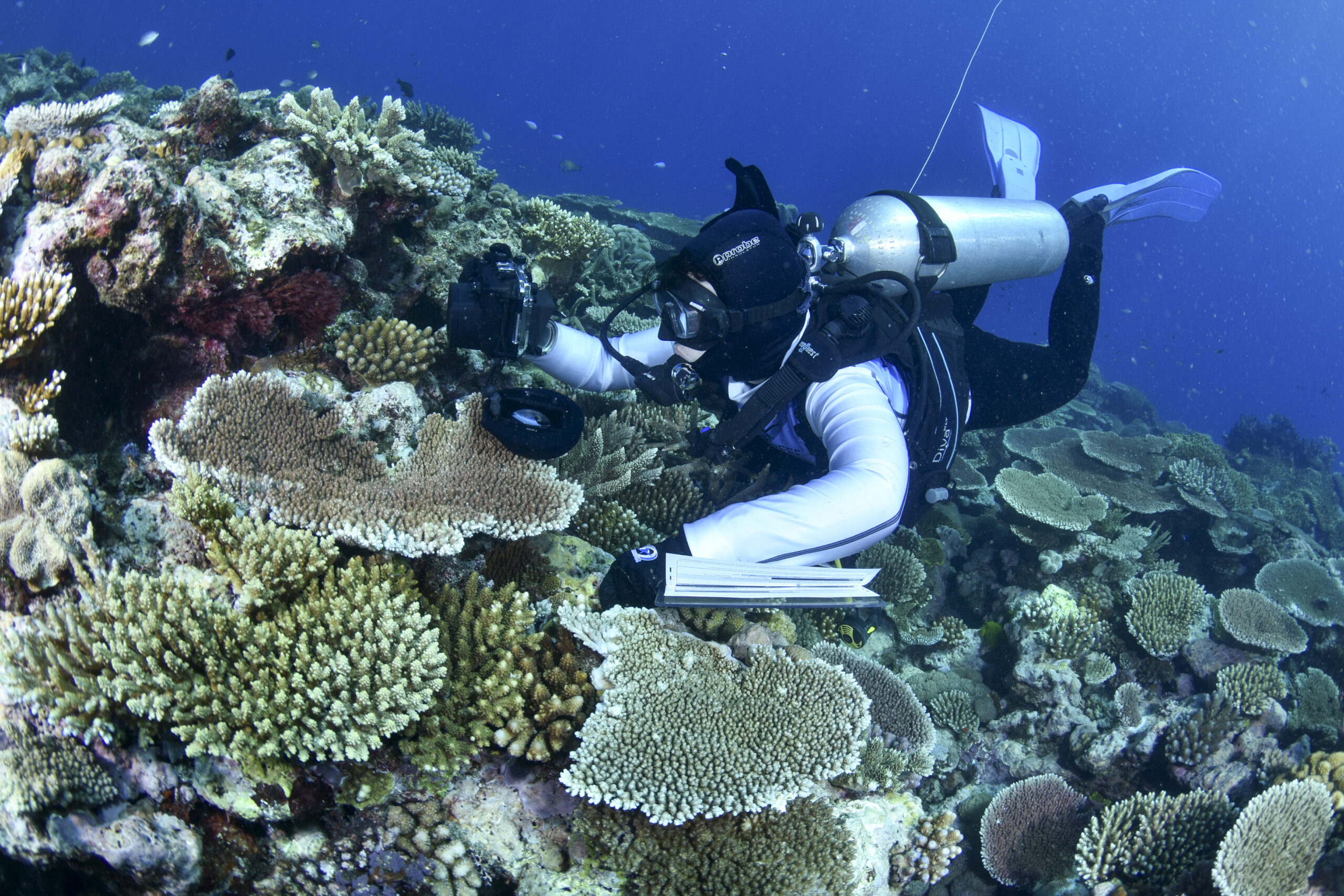
Ocean temperatures are rising due to climate change, and the Great Barrier Reef is a frontline witness. The reef spans 2,300 kilometers and hosts over 1,500 species of fish. Warmer waters disrupt reproduction, migration, and feeding patterns.
Scientists use satellite imagery and coral cores to track temperatures over centuries. The conclusion is alarming: nothing like this has happened since the early 1600s, before the industrial revolution and widespread fossil fuel use.
Can coral ecosystems survive if these conditions persist? Some scientists hope for resilience, but others warn we may be witnessing the beginning of a long-term collapse.
Coral Bleaching: A Silent Disaster
Bleaching is the first visible sign of heat stress. Coral expels the tiny algae that give it color and food. What was once a rainbow of life turns ghostly white.
Tourists may see fewer fish, fewer colors, and even dead coral. Dive shops report changes in popular spots, and environmentalists warn that if nothing is done, the reef could resemble a desert beneath the waves.
Imagine a world-famous tourist destination, visited by millions annually, turning into a ghostly graveyard. How would this impact local economies and global conservation efforts?
The Economic Ripple Effect
The Great Barrier Reef isn’t just beautiful—it’s valuable. Tourism generates billions of dollars each year. Fishermen rely on its ecosystem for sustainable harvests. Even homeowners in coastal regions depend on healthy reefs to buffer storms.
Rising temperatures threaten all of this. Hotels, cruises, and dive operators are already feeling the pressure. Insurance premiums could rise for properties near degraded reefs. Travel planners are reconsidering peak seasons.
This isn’t a distant worry; it’s a financial reality. What would you do if your favorite vacation spot became a liability?
Health and Environmental Implications
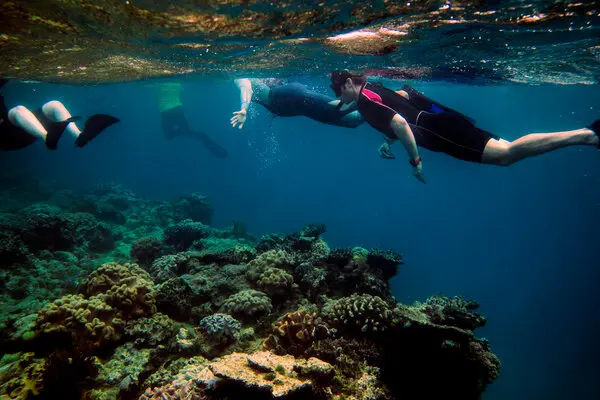
The reef’s health also impacts global ecosystems. Coral reefs are carbon sinks, help regulate ocean chemistry, and support species we rely on for food. As reefs die, we may see declines in fish stocks, increased coastal erosion, and more intense storms.
Researchers warn that heatwaves underwater affect more than just corals—they ripple through entire marine food chains. This connects climate, human health, and food security in a way that’s rarely discussed outside scientific circles.
Have you considered that protecting reefs isn’t just about tourism—it’s about survival?
Can We Save the Reef?
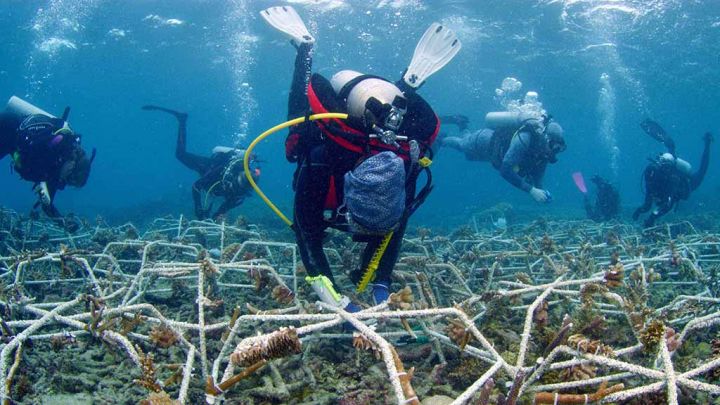
Solutions exist, but they’re challenging. Scientists advocate for reducing greenhouse gas emissions, improving water quality, and restoring damaged coral. Some experiments involve heat-resistant coral species, while others use artificial reefs to support marine life.
Communities are getting creative. Dive operators educate tourists about reef protection. Homeowners reduce runoff into the ocean. Even local governments invest in reef-friendly infrastructure.
But will it be enough to reverse 400 years of environmental pressure? That question keeps marine biologists awake at night.
Travel and Tourism in a Warming World
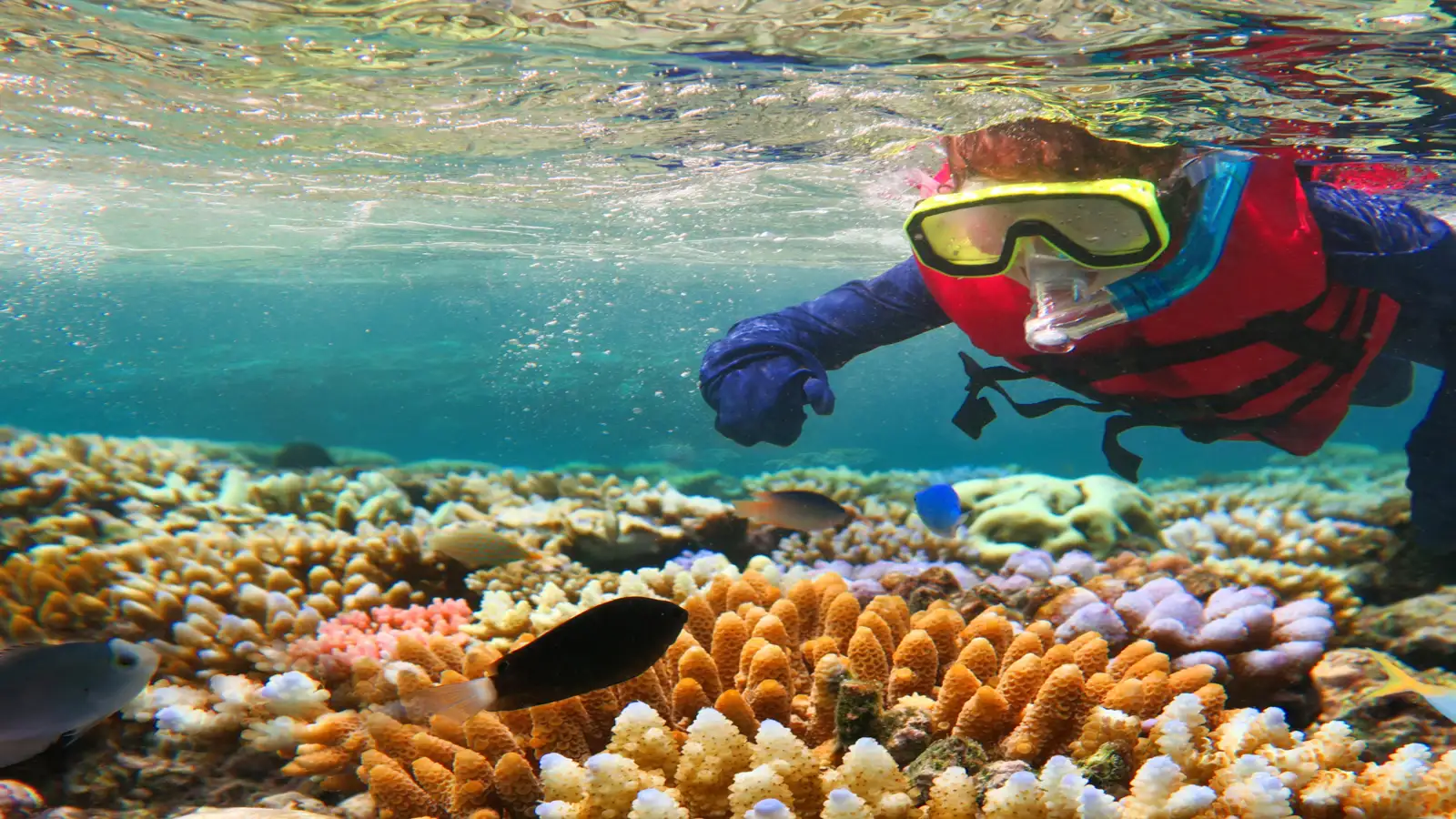
Travelers who dream of snorkeling the reef face tough choices. Do you visit now and witness its struggle, or wait in hope that conservation efforts succeed? Eco-tourism can help, funding protection projects while offering unforgettable experiences.
Tourism campaigns now highlight responsible practices: limiting coral contact, avoiding single-use plastics, and supporting local conservation initiatives. Tourists are no longer passive observers—they’re part of the reef’s survival story.
If you booked a vacation here, would you see yourself as a visitor, or a guardian of the underwater world?
The Role of Homeowners and Gardeners
Yes, even your backyard matters. Coastal runoff, fertilizer use, and unsustainable landscaping contribute to ocean stress. Switching to native plants, managing water wisely, and avoiding chemicals can reduce the strain on distant reefs.
Home improvement decisions ripple far beyond your fence line. The same principles apply in urban areas, where sustainable landscaping and responsible water use protect local waterways that feed into oceans.
Would you rethink your home maintenance if it helped protect a world-famous ecosystem?
What Scientists Want You to Know
Researchers emphasize the urgency. The Great Barrier Reef is resilient but fragile. If warming continues, recovery windows shrink. Coral bleaching events are happening more frequently, leaving less time for ecosystems to rebound.
Global collaboration is key. Governments, businesses, tourists, and homeowners all play a role. Awareness campaigns, policy changes, and individual actions can collectively make a difference.
Would the world rise to the challenge, or is this a preview of what climate inaction looks like?
Hope Beneath the Waves
Despite the heat, the reef isn’t dead. Some corals survive, some fish thrive, and new technologies offer a glimmer of hope. Scientists are exploring everything from assisted evolution to marine sanctuaries.
The reef’s story is a lesson in adaptation, resilience, and human responsibility. Every dive, every conservation effort, and every conscious choice contributes to its survival.
Next time you think about climate change, imagine swimming in water hotter than it has been in 400 years—and the incredible creatures that depend on you to protect it.