

Table of Contents
Greece has a rich religious history, primarily dominated by the Greek Orthodox Church. However, in recent years, the country has seen an increase in the number of unauthorized religious spaces, particularly those linked to smaller religious groups and foreign-based religious organizations. These places of worship, which operate without government registration or oversight, have sparked concern among both the public and the authorities.
Many of these unregistered religious sites are often located in private homes, converted commercial buildings, or temporary structures. While some of these places cater to marginalized religious communities, others have been linked to controversial religious movements that are often viewed with suspicion by the public and the authorities.
The rise of these illegal places of worship has raised several issues. From a security standpoint, there are concerns about the lack of regulation and oversight, which may allow for activities that do not comply with national laws. There are also worries about the potential spread of extremist ideologies or practices that could be harmful to society. In light of these growing concerns, the Greek government has decided to take action.
The Government’s Crackdown

The Greek government’s new crackdown on illegal places of worship is part of a broader initiative to regulate and monitor religious activities across the country. Under the new measures, religious sites that are not officially registered or authorized by the government will face closure. The government has stated that all places of worship must be registered with the state and comply with strict regulations regarding public safety, zoning laws, and religious practices.
This crackdown extends beyond simply closing unregistered religious sites. The government has also announced that it will implement a series of checks and inspections to ensure that all places of worship, whether existing or new, adhere to state laws and regulations. Religious groups that wish to establish new places of worship must now submit official documentation to the government for approval before they can legally operate.
The government’s decision to enforce these regulations stems from growing concerns over the safety of unregulated religious spaces. Without proper oversight, these sites are at risk of being used for purposes that do not align with the values of the broader Greek society. In some cases, unregistered places of worship have been linked to criminal activities, including human trafficking and organized crime.
Religious Freedom vs. National Securit
The government’s decision to crack down on illegal places of worship has sparked a heated debate in Greece. Supporters of the crackdown argue that it is necessary to protect public safety and national security. They assert that unregulated religious spaces pose a significant risk to the country, as they can be used to spread extremist ideologies, conduct illegal activities, or promote harmful practices.
From a security perspective, the government’s actions are seen as a proactive step to safeguard Greek citizens and prevent the potential misuse of religious spaces for nefarious purposes. National security concerns, especially in the context of increasing global terrorism, have made the regulation of religious institutions a priority for many countries, including Greece.
However, critics of the crackdown argue that it infringes on religious freedoms and could lead to the marginalization of minority religious groups. They claim that the government’s actions are overreaching and could result in the suppression of religious expression. For many, the decision to shut down unauthorized places of worship feels like a violation of the basic right to worship freely.
Religious freedom is enshrined in international human rights law, and critics of the Greek government’s crackdown argue that its policies may conflict with these fundamental principles. They contend that religious groups should be allowed to practice their faith without the fear of government intervention, especially if they are not causing harm to the public.
The Impact on Religious Communities in Greece

The crackdown is likely to have significant consequences for various religious communities in Greece, particularly those that have relied on unregistered spaces to worship. For smaller religious groups, such as Muslims, Protestants, and Jews, the government’s regulations may create additional obstacles to practicing their faith freely. These communities, many of whom already face discrimination, may now be forced to find new spaces to worship or face the risk of their places of worship being shut down.
For many of these groups, the ability to freely practice their religion has been restricted for years. Unregistered places of worship have offered a much-needed sanctuary, allowing them to worship privately and without fear of prosecution. The new regulations, which require official registration and government oversight, may be seen as another barrier to religious expression.
On the other hand, the crackdown could lead to a stronger sense of unity and safety within Greece’s religious communities. By ensuring that all places of worship meet specific safety standards and comply with regulations, the government may be able to foster a more secure environment for religious worship. It could also offer some level of protection to minority groups that have previously been vulnerable to persecution or harassment.
The Broader Implications for Religious Freedom in Greece
While the immediate focus of the crackdown is on unregistered places of worship, the broader implications for religious freedom in Greece are significant. The new regulations could set a precedent for how religious practices are regulated in the future, potentially leading to more stringent controls on religious activities across the country.
If the crackdown is successful, it could result in a more controlled and monitored religious landscape, where religious groups are required to adhere to specific guidelines in order to operate legally. This could limit the ability of smaller, less mainstream religious groups to practice their faith freely and independently.
On the other hand, if the government fails to enforce these regulations effectively, it may undermine public trust in the government’s ability to regulate religious activities and protect public safety. The challenge will be balancing the need for security with the protection of religious freedoms, which are essential to maintaining a diverse and inclusive society.
Global Reactions and the International Perspective
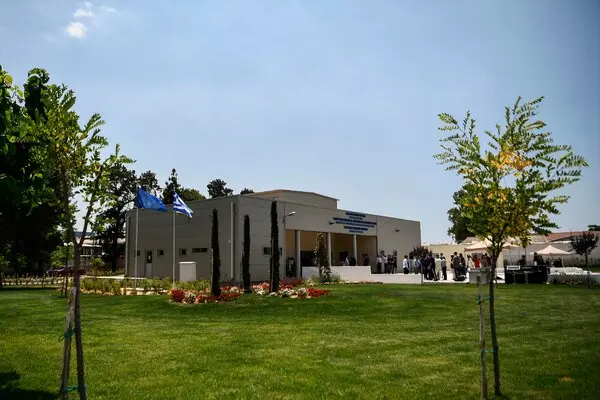
Greece’s decision to crack down on illegal places of worship has drawn attention from religious organizations and human rights groups worldwide. Many view the move as a step toward greater government control over religious practices, which could set a concerning precedent for other countries facing similar issues. Human rights organizations, in particular, are watching Greece’s actions closely to ensure that religious freedoms are not unduly compromised in the name of security.
At the same time, some international governments have expressed support for Greece’s efforts to regulate places of worship, citing the need to address security risks posed by unregulated religious sites. These governments argue that religious freedom should not come at the cost of national security, especially when there are concerns about the misuse of religious spaces for extremist purposes.
Conclusion:
Greece’s crackdown on illegal places of worship has sparked a complex debate about the balance between national security and religious freedom. The government’s decision to regulate unregistered religious sites is a response to growing concerns about public safety, but it has raised important questions about the rights of religious minorities and the potential for government overreach.
As the situation unfolds, it will be crucial to monitor the impact of these new regulations on Greece’s religious communities. The challenge will be finding a way to ensure public safety without infringing on the fundamental rights of individuals to practice their faith freely. The balance between these two priorities will define the future of religious freedom in Greece and could have far-reaching implications for the wider European Union.