
Table of Contents
A Stage for Sports, Not Politics
The Winter Olympics is typically an event where national pride and athletic achievement take center stage. Athletes from around the world compete on one of the biggest global platforms, showcasing their skills in winter sports such as skiing, ice skating, and snowboarding. The Olympics, for the most part, are seen as an opportunity to celebrate athleticism, unity, and international camaraderie. However, as the 2026 Winter Olympics unfolded, the intersection of sports and politics became unavoidable.
As with many major sporting events, politicians often attend the Olympics to show their support for the athletes and their countries. In this case, Senator JD Vance, a former author turned politician, made an appearance at the event. Vance, whose controversial views have made him a polarizing figure, was met with an unexpected reaction: the crowd began to boo. The boos echoed through the stadium, drawing attention to the presence of the controversial figure in the midst of an event that was supposed to be focused on athletic achievement.
A Divisive Political Figure

To understand why JD Vance was booed at the Winter Olympics, it’s important to consider his political background and recent public statements. Vance, who rose to national prominence with his book Hillbilly Elegy, has become a well-known conservative voice in American politics. Elected as a Republican senator for Ohio, he has made headlines for his outspoken views on various topics, including immigration, social issues, and his staunch support for former President Donald Trump.
His political stances, often controversial and provocative, have earned him a strong base of supporters as well as vocal detractors. Vance has consistently positioned himself as a defender of working-class Americans, but his rhetoric has also alienated many in the political center and on the left. His public appearance at the Winter Olympics, a space typically devoid of overtly partisan political statements, likely stirred strong emotions among those who oppose his views, leading to the chorus of boos.
The presence of any high-profile politician at such an event often carries political weight. In the case of Vance, his appearance may have been seen as an intrusion of politics into a traditionally apolitical space. For those who disagreed with his policies, it was a moment to express that disapproval in a very public way.
The Boos and Vance’s Immediate Response
When the boos erupted at the Winter Olympics, JD Vance’s response was swift and telling. He did not shy away from the moment, choosing instead to engage directly with the crowd and the media. In a statement shortly after the incident, Vance dismissed the boos as nothing more than the sound of a “small minority” who disagreed with his political views. He suggested that the reaction was simply an indication of the left’s disdain for his conservative policies.
Vance’s dismissive response to the boos sparked further controversy, with some critics accusing him of downplaying the significance of the moment and failing to recognize the broader political climate. His remarks about the “small minority” not only revealed his characteristic defiance but also highlighted his tendency to frame criticism as a partisan attack rather than an opportunity for self-reflection.
This response raised questions about the role of politicians at public events. Should political figures expect to be received respectfully, or do they risk the same public scrutiny as athletes and celebrities? For many, Vance’s reaction seemed to confirm that the divide between politics and public life was increasingly hard to ignore.
The Role of Politicians in Public Spaces
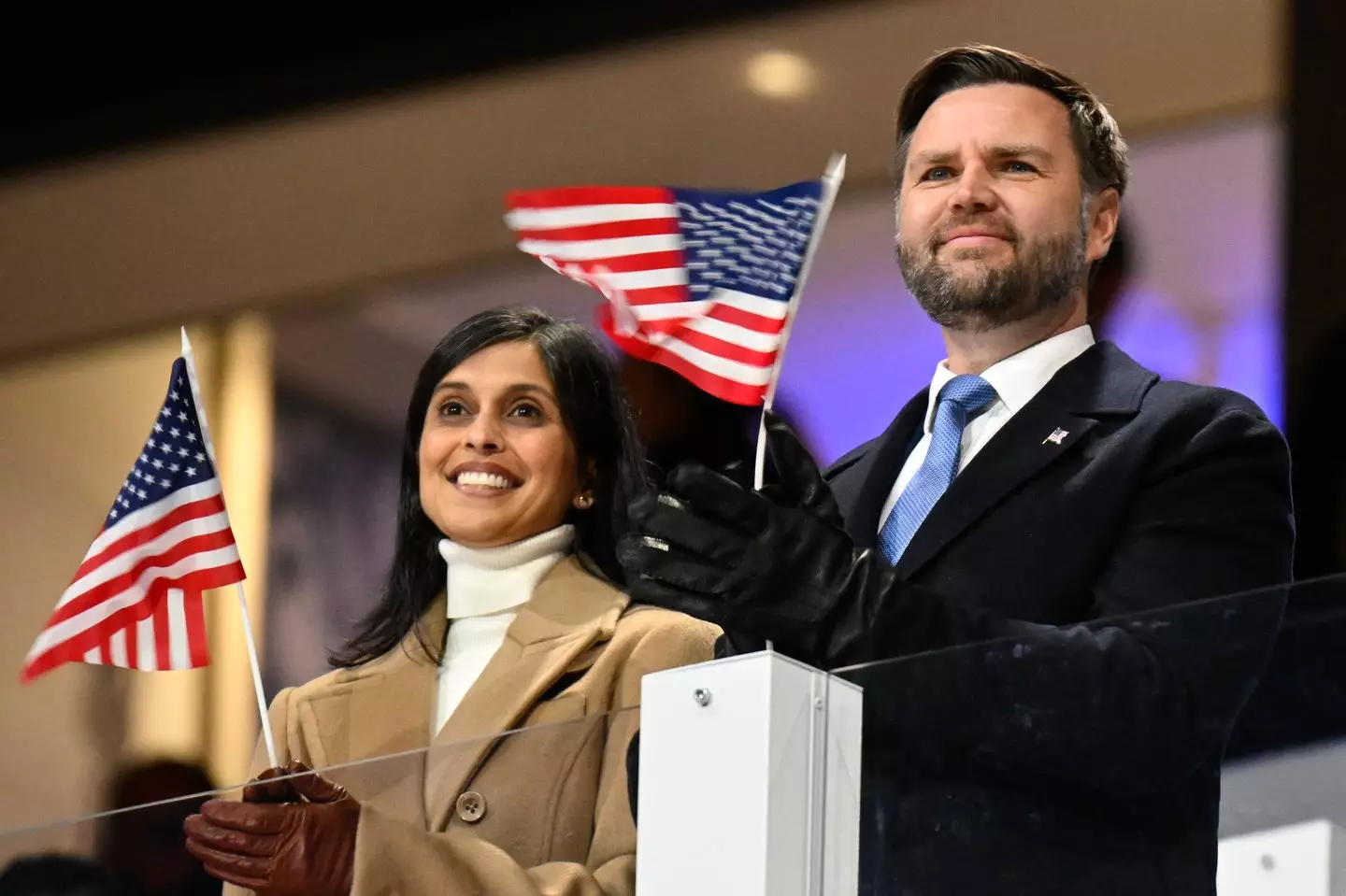
Vance’s experience at the Winter Olympics is just one example of the broader trend of politics seeping into public spaces where they were once absent. Over the past few years, the lines between entertainment, sports, and politics have blurred. Athletes, musicians, and celebrities are increasingly using their platforms to speak out on political issues, and politicians have likewise taken to attending events that were once seen as neutral ground.
This convergence of politics and public life has sparked heated debates about the role of elected officials in shaping public events. For some, politicians attending major sporting events represent a positive opportunity to engage with their constituents and show support for national pride. For others, it represents an unwanted intrusion into a space meant for entertainment and athletic achievement.
In the case of JD Vance, his appearance at the Winter Olympics was not just a personal visit; it symbolized a larger trend of political figures using high-profile events to further their own agendas. Whether he was attending to support the athletes or to capitalize on the media attention is open to interpretation. What is clear, however, is that his presence—and the subsequent reaction—has reignited discussions about the role of politics in public life.
What They Represent for Vance
The public reaction to JD Vance’s appearance at the Winter Olympics raises questions about the impact of such moments on a politician’s career. For Vance, the boos were likely a blow to his public image, but they also served to solidify his identity as a controversial and polarizing figure. In some ways, the backlash may even benefit him by reinforcing his narrative of being a champion for conservatives and an outsider challenging the political establishment.
However, for others, the incident is a reminder of the challenges politicians face in an increasingly polarized society. The boos at the Winter Olympics were not just about Vance; they were a reflection of the growing division within the country. As more Americans become disillusioned with the political system, expressions of public discontent like this one are becoming more common.
For Vance, the incident at the Winter Olympics could mark a turning point in his political career, forcing him to reevaluate his approach to public appearances and engagement with the public. While he may continue to face criticism, he will also need to decide whether to adapt his approach or double down on his controversial stances.
What This Means for Politics in Sports
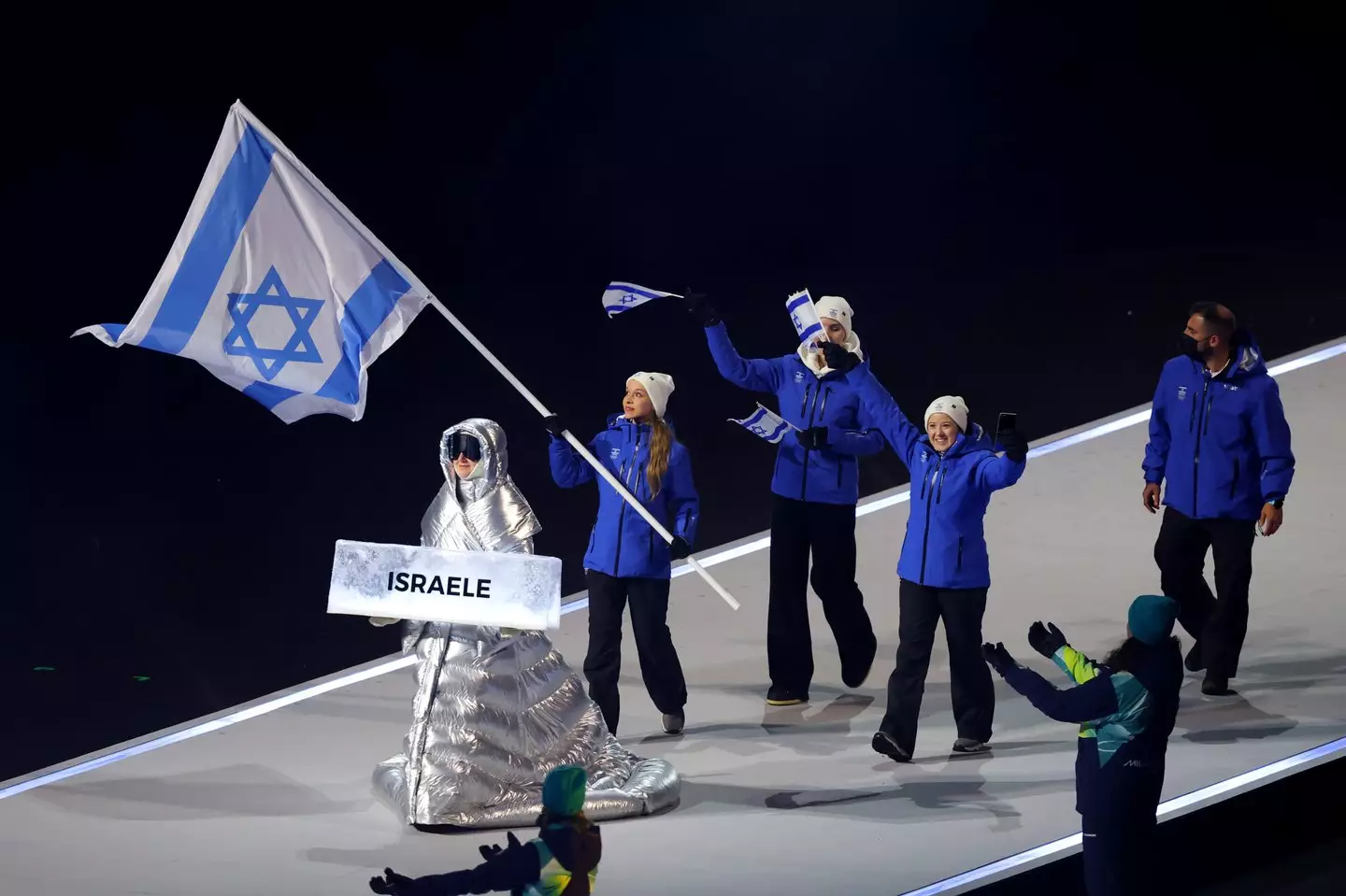
The growing intersection of politics and sports is likely to continue shaping the landscape of American public life in the years to come. The Winter Olympics, like many other major events, may increasingly become a stage for political expression, whether welcomed or not. For politicians like JD Vance, public appearances at such events will likely be met with both support and opposition, reflecting the country’s deepening political divisions.
Vance’s experience serves as a reminder that politics will continue to play an outsized role in every aspect of public life. Whether or not it belongs in spaces like the Winter Olympics remains a point of contention, but it is clear that public events will never be the same as they once were. The boos directed at Vance are just one example of how the public is expressing its dissatisfaction with political figures, and these moments will likely continue to occur with increasing frequency.
Conclusion:
JD Vance’s experience at the Winter Olympics serves as a reflection of the growing intersection between politics and public events. The boos he received demonstrate the power of public opinion, especially when it comes to controversial figures in the political world. While Vance’s response to the criticism was dismissive, it raises important questions about the role of politicians in shaping public spaces and how such interactions impact their political careers. As the lines between entertainment, sports, and politics continue to blur, events like the Winter Olympics will remain a stage for political expression, forcing politicians to adapt to an increasingly polarized public. What happens next for Vance—and for the broader political landscape—remains to be seen, but one thing is clear: the relationship between politics and public life is shifting, and the consequences will be felt for years to come.