
Table of Contents
- A Major Shift in Green Card Processing
- Why This Policy Is So Controversial
- Consular Processing Could Create New Delays
- Families Could Face Separation
- Employers Fear Losing Skilled Workers
- USCIS Says the System Needs Fairness
- Critics Say It Could Break Legal Immigration
- The Biggest Unknown Is Who Gets Exempted
- The Policy Could Face Legal Challenges
- A Policy With Global Consequences
- What Applicants Should Watch Next
- The Debate Is Just Beginning
A Major Shift in Green Card Processing
The core of the policy centers on adjustment of status, a long used process that allows eligible immigrants inside the United States to apply for a green card without first leaving the country.
Under the Trump administration’s new position, temporary visa holders who want permanent residency are expected to return to their home countries and apply through consular processing instead. That means applicants would wait outside the United States while their cases are handled through the State Department and US consulates.
USCIS officials framed the move as a return to the original intent of immigration law. The agency argued that temporary visas are meant for temporary stays and should not automatically become a pathway toward permanent residence.
Supporters of the policy say it closes loopholes and restores order to the immigration system. Critics argue it could disrupt legal immigration, separate families, damage employers, and create even longer delays in an already backlogged process.
Why This Policy Is So Controversial

The controversy comes from the people who may be affected.
This is not limited to people who crossed the border unlawfully. Many applicants potentially affected by this shift entered the United States through legal channels. Some came as students. Some arrived as temporary workers. Others came as tourists and later married US citizens or became eligible through family or employment petitions.
For years, adjustment of status allowed many of these individuals to remain in the country while their green card applications were reviewed.
If they are now required to leave, they may face months or even years of uncertainty abroad. Some could be separated from spouses, children, jobs, medical care, research projects, or businesses.
That is why immigration attorneys, universities, companies, and advocacy groups are watching the policy closely. The practical impact could be enormous, especially for applicants already deep into the green card process.
Consular Processing Could Create New Delays
Consular processing is not new. Many immigrants already apply for green cards from outside the United States through US embassies and consulates.
But forcing more people into that system could increase pressure on consular offices that already face delays in many countries.
For applicants, the process may involve travel costs, document reviews, interviews, medical exams, security checks, and long waiting periods. In some countries, consular backlogs can be especially difficult.
The biggest fear for many families is uncertainty. Leaving the United States does not guarantee quick approval or quick return. If an applicant faces additional administrative processing, missing documents, security review, or denial, their life in the US could be interrupted indefinitely.
That uncertainty is one reason critics say the policy could discourage talented immigrants from staying in the American system.
Families Could Face Separation
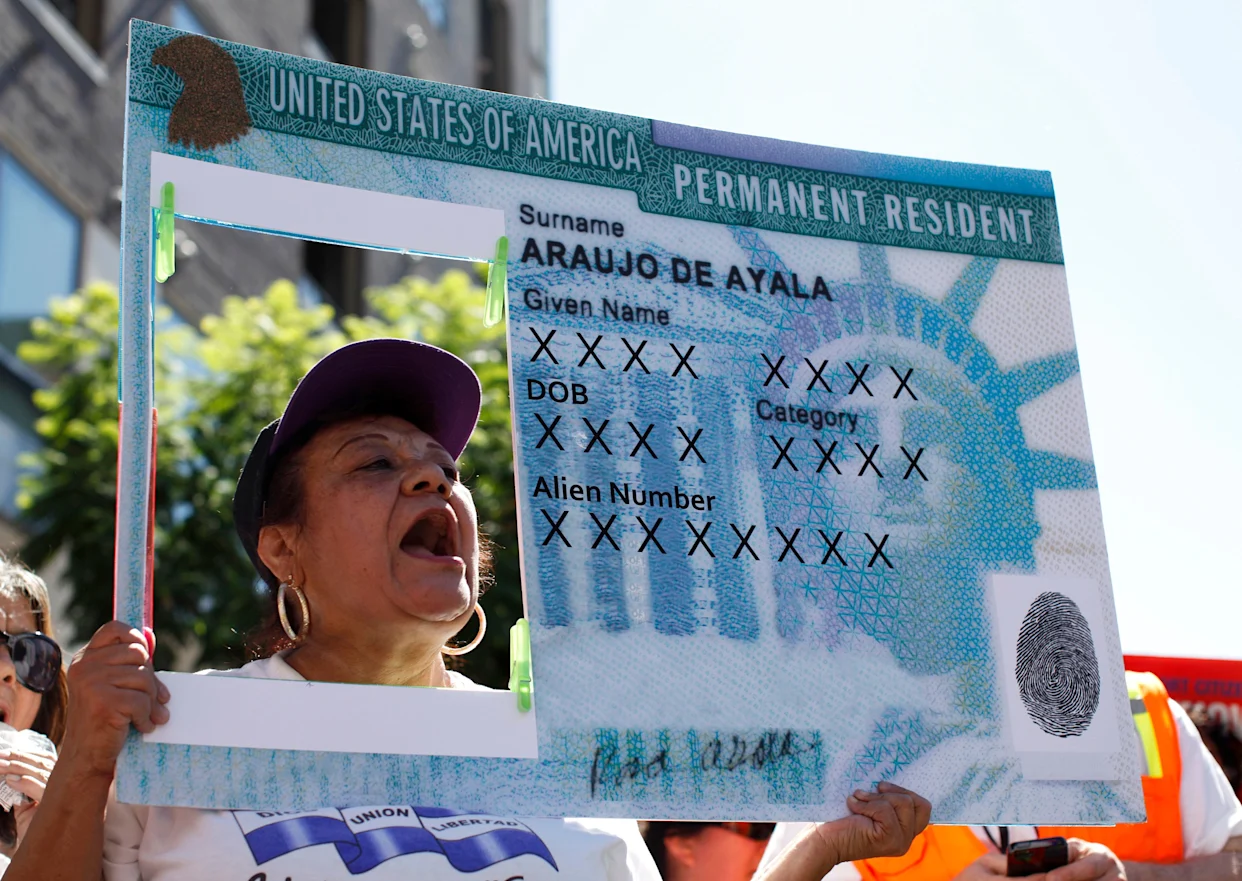
One of the most emotional concerns involves mixed status and immigrant families.
Some green card applicants are married to US citizens. Others have children who are US citizens. Some have lived in the country for years while following legal immigration procedures.
If these applicants must leave the United States to finish the process, families may be forced into painful choices. A spouse may remain in the US for work or childcare while the applicant returns abroad. Children may be separated from a parent. Families may face housing, schooling, and financial disruption.
For critics, this is the heart of the issue. They argue that a policy designed to tighten immigration procedure could end up punishing families who tried to follow the rules.
Supporters respond that immigration benefits should still be processed according to the structure of the law, and that temporary admission should not become a guaranteed route to permanent residency.
Employers Fear Losing Skilled Workers
The policy could also affect American businesses that rely on foreign talent.
Many workers on temporary visas are employed in technology, healthcare, research, engineering, education, and advanced manufacturing. Some are already sponsored by employers for green cards and may have waited years due to annual caps and country based limits.
If those workers are required to leave the United States while their applications are processed abroad, companies could lose key employees with little warning.
Critics warn this could especially affect industries already facing skilled labor shortages. Researchers, doctors, engineers, professors, and startup founders may decide the uncertainty is too risky and take opportunities in other countries instead.
That concern has fueled criticism from lawmakers who argue the policy could benefit economic competitors by pushing highly trained workers away from the United States.
USCIS Says the System Needs Fairness

The administration’s argument is that the immigration system has drifted too far from its intended design.
USCIS officials say nonimmigrants enter the country for specific temporary purposes. A student visa is for studying. A tourist visa is for visiting. A temporary work visa is for a limited employment period.
From that perspective, allowing people to enter temporarily and later adjust to permanent residence from inside the country may create incentives that the administration believes are unfair or improper.
Officials also argue that requiring applicants to process from abroad could reduce the number of people who remain in the US unlawfully after a denial.
In their view, the policy creates clearer boundaries between temporary entry and permanent immigration.
Critics Say It Could Break Legal Immigration
Opponents strongly reject that framing.
They argue that adjustment of status has been a legal and established part of the immigration system for decades. Many people using it are not exploiting loopholes. They are using a lawful process created by Congress and administered by USCIS.
Critics also say the policy could make an already complicated system more chaotic. Instead of improving efficiency, they warn it may shift cases into overburdened consulates and increase confusion for applicants, attorneys, and employers.
Some lawmakers have called the move harmful to families and damaging to the economy. Others argue it contradicts years of political messaging that immigrants should “come legally” and “follow the rules.”
For many applicants, the frustration is simple. They entered legally, applied legally, waited legally, and now may be told to leave anyway.
The Biggest Unknown Is Who Gets Exempted
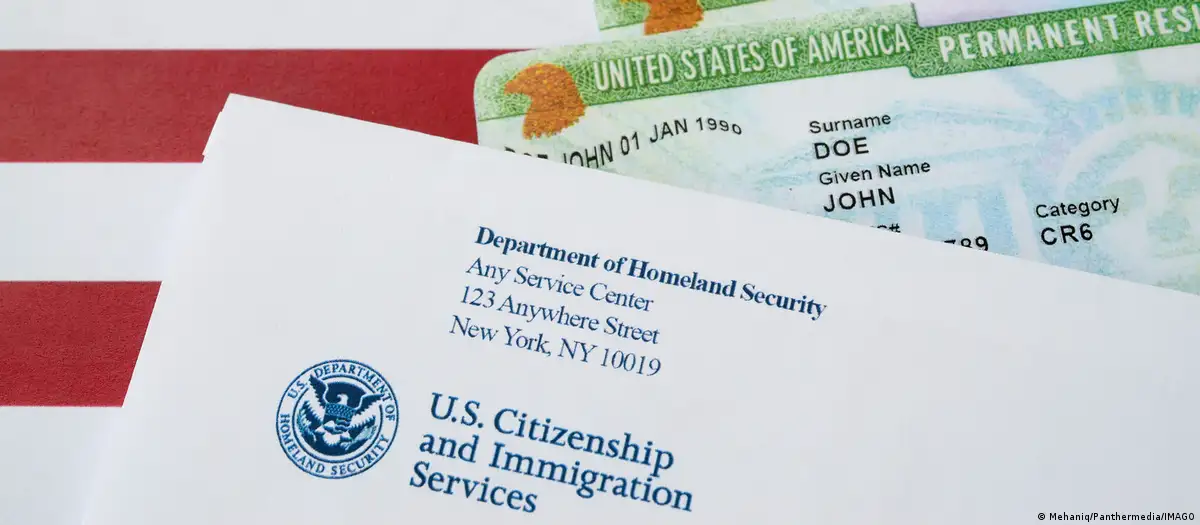
One major question remains unresolved: who will qualify for extraordinary circumstances?
The USCIS language suggests that adjustment of status may still be possible in limited cases, but the standard appears much stricter than before.
Immigration attorneys are now trying to understand how officers will apply that discretion. Will spouses of US citizens qualify? Will high skilled workers qualify? Will people with medical needs, safety concerns, or humanitarian factors qualify? Will pending applicants be treated differently from new applicants?
Those details will matter enormously.
Without clear guidance, applicants may face inconsistent decisions depending on their case, location, officer, or legal representation.
This uncertainty could also lead to lawsuits, especially if families, employers, or legal advocates argue that USCIS has exceeded its authority or applied the policy unfairly.
The Policy Could Face Legal Challenges
Major immigration policy changes often end up in court, and this one is expected to draw legal scrutiny.
Opponents may argue that adjustment of status is allowed under federal law and cannot be limited so broadly through agency guidance alone.
The administration may argue that adjustment of status is discretionary and that USCIS has authority to decide how that discretion should be exercised.
That legal battle could become one of the most important immigration fights of the year.
Until courts weigh in, many applicants may be left in limbo. Some may delay travel. Some may rush to consult attorneys. Others may pause major life decisions such as job changes, home purchases, marriages, or university enrollment.
For people waiting years for green cards, even temporary uncertainty can feel life altering.
A Policy With Global Consequences
The United States has long attracted immigrants who come first as students, researchers, entrepreneurs, or temporary workers and later become permanent residents.
This pathway has helped build major companies, research institutions, hospitals, and universities.
If the new policy makes that route more uncertain, the effects may extend beyond immigration offices.
Other countries competing for global talent could benefit. Canada, the United Kingdom, Australia, Germany, and other nations have already tried to attract skilled migrants frustrated by the American immigration system.
If highly educated workers believe the US pathway is becoming too risky, they may choose countries with clearer permanent residency options.
That could turn a procedural immigration change into a broader economic and geopolitical issue.
What Applicants Should Watch Next
For green card applicants, the next steps are crucial.
They will need to watch for USCIS implementation guidance, legal challenges, court orders, and attorney interpretations. People with pending applications should avoid making assumptions based only on headlines because the policy may affect different categories differently.
The most important question is not only whether someone is eligible for a green card. It is whether they can still complete that process from inside the United States or must leave and apply abroad.
That difference could change timelines, family plans, job stability, and financial decisions.
The Debate Is Just Beginning

The Trump administration’s green card policy shift has opened a new chapter in America’s immigration debate.
Supporters see it as a necessary correction that separates temporary visas from permanent residency and restores stricter control over the system.
Critics see it as a sweeping disruption that could punish legal immigrants, separate families, and weaken American competitiveness.
What makes this policy so powerful is that it reaches into the lives of people who may have already spent years building futures in the United States.
For them, the question is no longer just when their green card will be approved. It is whether the life they built in America can continue while they wait.
And as lawsuits, political arguments, and agency clarifications unfold, one thing is clear: this policy could reshape the future of legal immigration in the United States for years to come.