
Table of Contents
- Toshifumi Suzuki Helped Redefine Modern Convenience Stores
- Japan Turned Convenience Stores Into Something Entirely Different
- Suzuki Became Obsessed With Consumer Data
- Ready to Eat Meals Changed the Industry
- The Company Survived One of America’s Biggest Retail Crises
- Seven & i Holdings Expanded Into a Retail Empire
- Japanese Convenience Stores Became a Global Fascination
- Suzuki Stepped Down But Remained Influential
- Why Toshifumi Suzuki’s Legacy Matters Beyond Retail
- Japan Reflects on the End of an Era
- The Future of Retail Still Reflects Suzuki’s Ideas
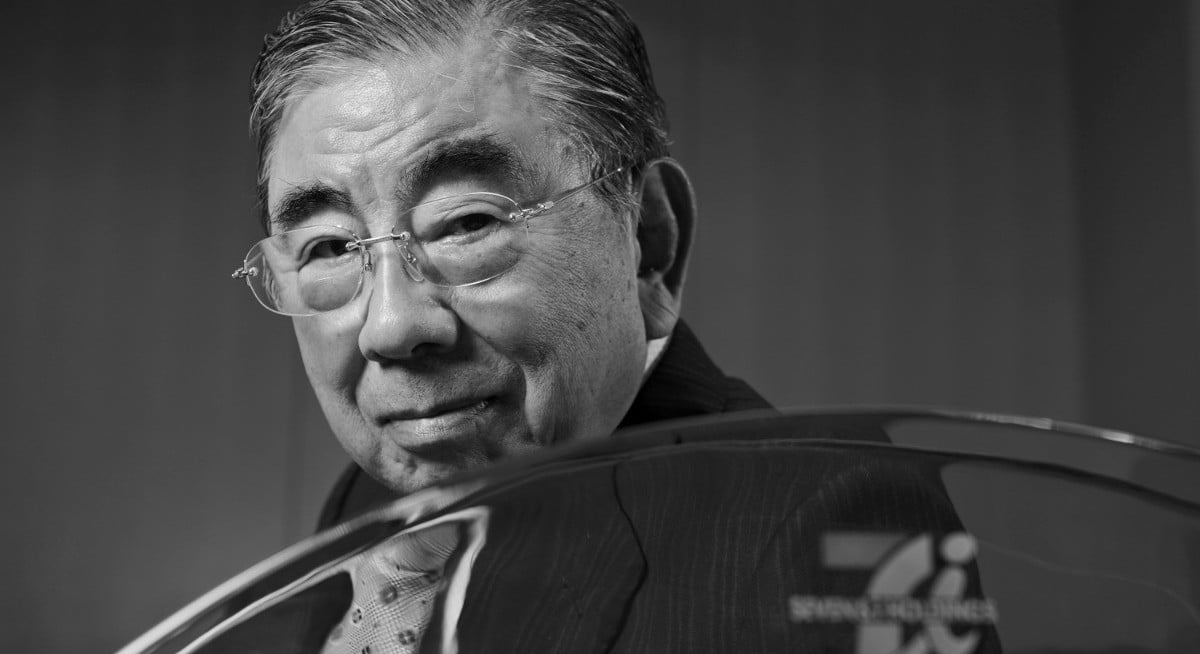
Toshifumi Suzuki Helped Redefine Modern Convenience Stores
Long before convenience stores became central to urban life, Suzuki saw their potential in a way many others did not.
Born in Nagano, Japan, in 1932, Suzuki began his professional career working at a book wholesaler before later joining retailer Ito-Yokado in 1963. At the time, Japan’s retail landscape looked very different from what it does today. Department stores and traditional local shops dominated consumer culture, while the idea of convenience stores operating around the clock was still largely unfamiliar.
But Suzuki believed consumer habits were changing.
He recognized that busy urban lifestyles would eventually create demand for smaller stores offering speed, accessibility, and carefully selected products tailored to immediate daily needs.
That vision led him to pursue what many initially viewed as a risky and unconventional partnership.
In 1973, Suzuki partnered with Southland Corporation, the American operator behind 7-Eleven, to bring the brand into Japan.
One year later, the first Seven-Eleven Japan store opened in Tokyo.
Few people could have predicted how dramatically that decision would change Japan’s retail future.
Japan Turned Convenience Stores Into Something Entirely Different
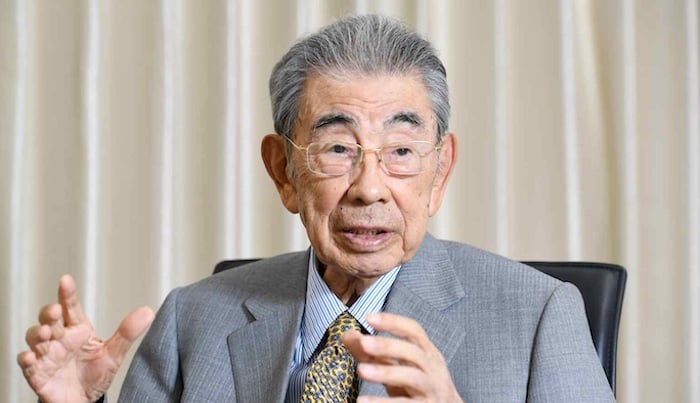
While convenience stores already existed in the United States, Suzuki helped transform the concept into something uniquely Japanese.
Rather than simply copying the American model, he adapted it to fit Japanese consumer behavior, urban density, and cultural expectations.
This became one of the key reasons for Seven-Eleven Japan’s extraordinary success.
Japanese convenience stores, often called “konbini,” gradually evolved into highly efficient mini ecosystems capable of handling far more than simple grocery purchases.
Customers could pay bills, withdraw cash, buy fresh meals, send packages, purchase event tickets, print documents, and access a wide range of daily services all inside a relatively small store footprint.
Under Suzuki’s leadership, convenience stores stopped being viewed as emergency shopping locations and instead became an integrated part of daily life.
That transformation fundamentally changed consumer expectations throughout Japan.
Today, millions of Japanese residents rely on convenience stores not only for food and drinks but also for practical daily services that simplify urban living.
Suzuki Became Obsessed With Consumer Data
One of Suzuki’s greatest strengths was his early understanding of data driven retail management.
Decades before big data became a global business buzzword, Suzuki was already using customer purchasing patterns to shape inventory decisions.
Instead of relying heavily on instinct or broad national trends, Seven-Eleven Japan focused intensely on localized demand.
Different stores carried different products depending on neighborhood demographics, weather conditions, time of day, and seasonal trends.
This level of precision helped reduce waste while maximizing sales efficiency.
Suzuki believed that convenience stores should constantly adapt to customers rather than forcing customers to adapt to stores.
That philosophy became revolutionary within retail.
Employees were encouraged to analyze sales patterns carefully, while supply chains were designed for rapid inventory turnover. Fresh food items could be replenished multiple times per day to ensure quality and availability.
The result was a retail system that felt unusually responsive and personalized for consumers.
Over time, competitors around the world began studying Japan’s convenience store model to understand why it performed so effectively.
Ready to Eat Meals Changed the Industry
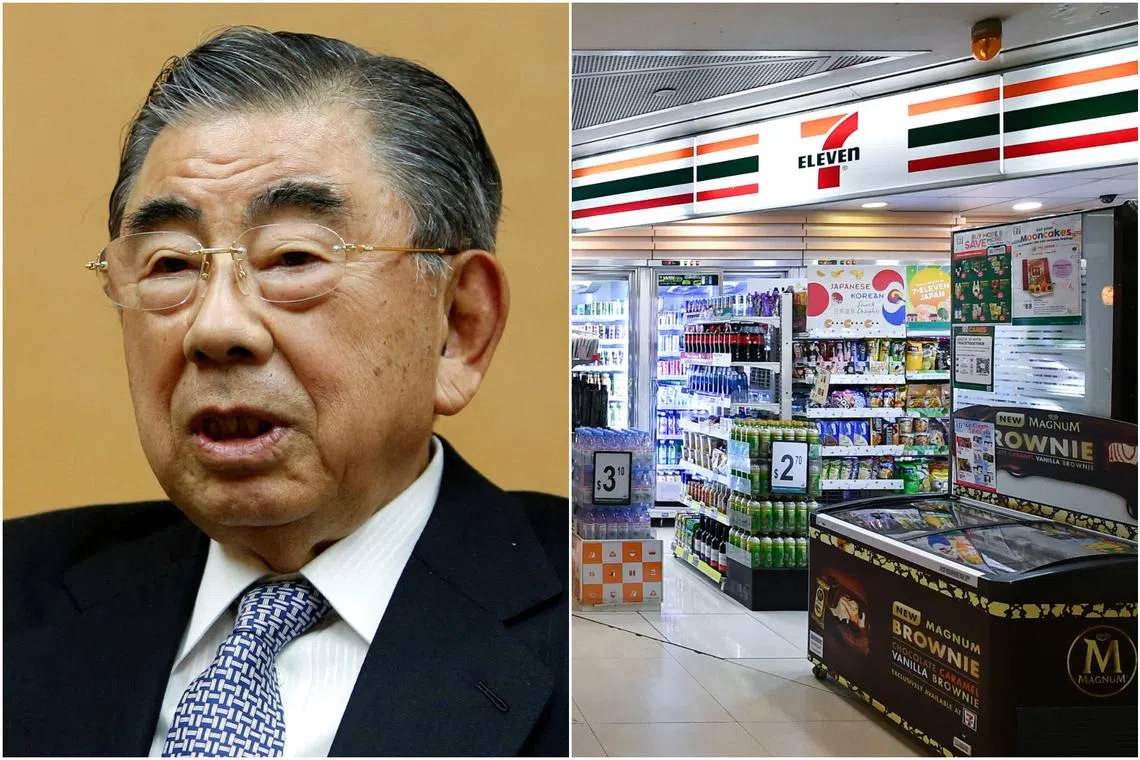
One of Suzuki’s most influential innovations involved prepared food.
At a time when convenience stores were often associated with packaged snacks and low quality fast food, Seven-Eleven Japan invested heavily in fresh ready to eat meals.
This strategy proved transformational.
Stores began offering rice balls, bento boxes, noodles, sandwiches, desserts, salads, and seasonal dishes designed to appeal to busy workers, students, and commuters.
The food quality became surprisingly high for convenience retail standards.
For many consumers, convenience stores eventually became reliable meal destinations rather than last minute backup options.
This shift significantly increased store traffic while also strengthening customer loyalty.
Suzuki understood something important about modern urban life. People increasingly valued speed and accessibility, but they did not necessarily want to sacrifice quality.
By balancing convenience with freshness, Seven-Eleven Japan positioned itself differently from many Western convenience store models.
That approach later influenced convenience store trends throughout Asia and beyond.
The Company Survived One of America’s Biggest Retail Crises
Suzuki’s influence extended far beyond Japan.
During the early 1990s, Southland Corporation, the American parent company behind 7-Eleven, faced severe financial trouble after a heavily debt financed leveraged buyout pushed the company toward bankruptcy.
At the time, many observers feared the 7-Eleven brand itself could collapse.
But Suzuki played a major role in helping rescue and restructure the business.
Under his leadership, Seven-Eleven Japan became increasingly influential within the global company structure.
Eventually, the Japanese operation gained substantial control over the brand’s future direction.
This reversal represented one of the most fascinating shifts in international business history.
A Japanese adaptation of an American retail idea had become so successful that it ultimately helped save the original company itself.
Suzuki’s management style during this period earned him enormous respect throughout the global retail industry.
Many analysts viewed him as one of the sharpest strategic thinkers in modern retail management.
Seven & i Holdings Expanded Into a Retail Empire
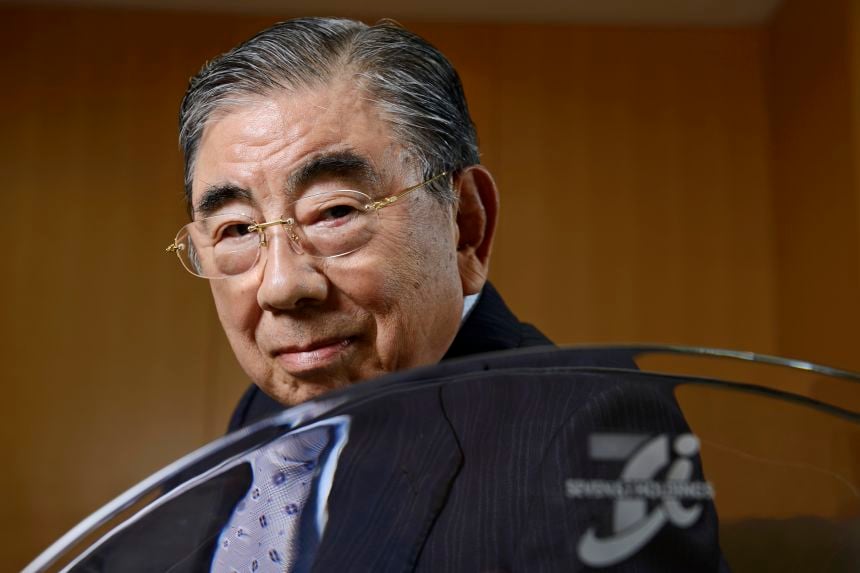
Suzuki’s ambitions extended well beyond convenience stores alone.
In 2005, he established Seven & i Holdings, bringing together multiple retail operations under a larger corporate structure.
The conglomerate expanded into supermarkets, department stores, financial services, and specialty retail.
By this point, Suzuki had already become one of Japan’s most influential business leaders.
His reputation rested not only on operational success but also on his ability to anticipate long term consumer behavior shifts.
Retail analysts often described him as unusually disciplined, analytical, and detail focused.
At the same time, colleagues reportedly noted his relentless work ethic and deep passion for reading and learning.
Even as Seven & i Holdings expanded globally, the convenience store business remained central to the company’s identity and profitability.
Suzuki’s operational philosophies continued shaping decisions throughout the organization.
Japanese Convenience Stores Became a Global Fascination
Over time, Japan’s convenience store culture gained worldwide attention.
Tourists visiting Japan frequently expressed surprise at the quality, cleanliness, efficiency, and product variety found inside stores like 7-Eleven.
Social media later amplified this fascination even further.
Travel videos showcasing Japanese convenience store food, desserts, packaging, and customer service regularly attracted millions of views online.
For many international visitors, the experience challenged stereotypes about convenience stores entirely.
Under Suzuki’s influence, the stores became symbols of Japanese efficiency and consumer centered design.
Everything from product placement to food packaging reflected careful attention to customer behavior.
Even disaster response planning became part of the convenience store ecosystem. During earthquakes and emergencies, convenience stores often played important roles in maintaining food access and daily supplies for local communities.
This practical reliability helped strengthen public trust in the industry.
Suzuki Stepped Down But Remained Influential
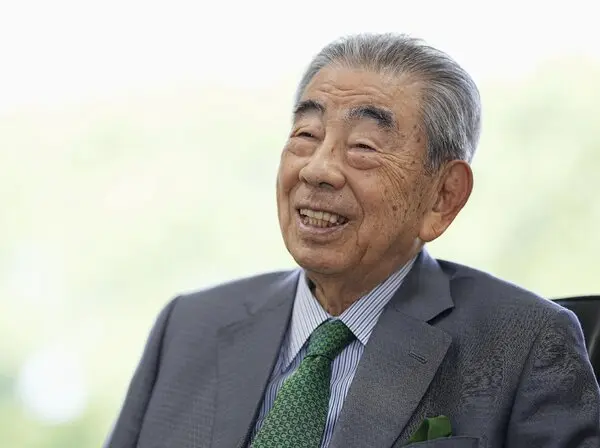
Despite his enormous success, Suzuki’s career did not end without controversy.
In 2016, he stepped down as chairman of Seven & i Holdings following internal management disputes.
The departure marked a dramatic turning point after decades of leadership.
Still, Suzuki remained highly respected within Japan’s business world even after leaving his executive role.
Many younger retail executives continued viewing him as one of the defining architects of modern Japanese retail.
His strategies regarding inventory control, customer behavior analysis, and localized merchandising remained deeply influential across the industry.
Even companies outside retail studied his operational methods.
Suzuki’s career demonstrated how detailed consumer understanding could become one of the most powerful competitive advantages in business.
Why Toshifumi Suzuki’s Legacy Matters Beyond Retail
Suzuki’s legacy extends beyond convenience stores themselves.
His work reflected larger changes happening within modern society.
Urbanization, faster lifestyles, shrinking household sizes, and evolving consumer expectations all contributed to the rise of convenience focused retail models.
Suzuki recognized these shifts earlier than many competitors.
Rather than treating convenience as a low quality compromise, he elevated it into a sophisticated lifestyle service.
That mindset helped shape not only Japanese retail but also global expectations around speed, accessibility, and customer experience.
Today, many industries operate according to principles similar to those Suzuki pioneered decades ago.
Consumers increasingly expect personalization, immediate availability, efficient logistics, and frictionless experiences across both digital and physical platforms.
In many ways, Suzuki’s retail philosophy anticipated the modern on demand economy long before smartphones and delivery apps emerged.
Japan Reflects on the End of an Era
Following the announcement of his death from heart failure on May 18, tributes highlighted Suzuki’s enormous impact on Japanese society.
For many people in Japan, convenience stores are woven deeply into everyday life. They provide food during late night shifts, emergency supplies during storms, quick meals for students, and reliable services for elderly residents.
That daily convenience became possible largely because Suzuki believed small stores could serve much larger roles within communities.
His influence can still be seen in nearly every corner of Japan’s retail landscape.
Today, Japan has more 7-Eleven stores than any other country in the world.
The company’s systems, logistics, and customer service standards are studied globally as examples of operational excellence.
Yet perhaps Suzuki’s greatest achievement was not simply building a successful company.
It was changing how millions of people think about convenience itself.
He transformed an ordinary retail format into an essential social infrastructure that quietly supports modern urban life every single day.
The Future of Retail Still Reflects Suzuki’s Ideas
As retail continues evolving through AI, automation, cashless payments, and delivery technology, many of Suzuki’s core ideas remain surprisingly relevant.
Modern companies still compete over understanding customer habits better than rivals. They still rely heavily on data analysis, rapid logistics, localized inventory, and frictionless convenience.
In many ways, Suzuki helped establish the blueprint that modern retail continues following today.
His death may mark the end of one remarkable chapter in business history, but the systems and philosophies he introduced continue shaping consumer behavior worldwide.
For millions of customers grabbing coffee, paying bills, buying lunch, or stopping by a convenience store late at night, his influence remains quietly present in everyday life.
And although most shoppers may never know his name, the modern convenience store experience they now take for granted owes much of its existence to the vision Toshifumi Suzuki first saw more than half a century ago.