

Table of Contents
- The Birth of the Gulabi Gang
- The Origins of the Gulabi Gang
- The Rise of the Gulabi Gang
- Empowering Women in a Patriarchal Society
- The Role of the Bamboo Stick
- Empowering Women Through Education and Self-Defense
- Raising Awareness of Dowries and Child Marriages
- A Movement for Change: The Future of the Gulabi Gang
- A Global Inspiration
The Birth of the Gulabi Gang
In honor of International Women’s Day, we’re spotlighting a powerful force for change in rural India—the Gulabi Gang. Known for their striking hot pink saris and bamboo sticks, these courageous women warriors are taking a stand against injustice and corruption. Led by Sampat Pal Devi, the Gulabi Gang has become a symbol of empowerment for women in Uttar Pradesh, fighting against the systemic abuse and violence faced by the most vulnerable in their communities. What began as a small act of resistance has now grown into one of the most formidable movements for women’s rights in South Asia.
The Origins of the Gulabi Gang
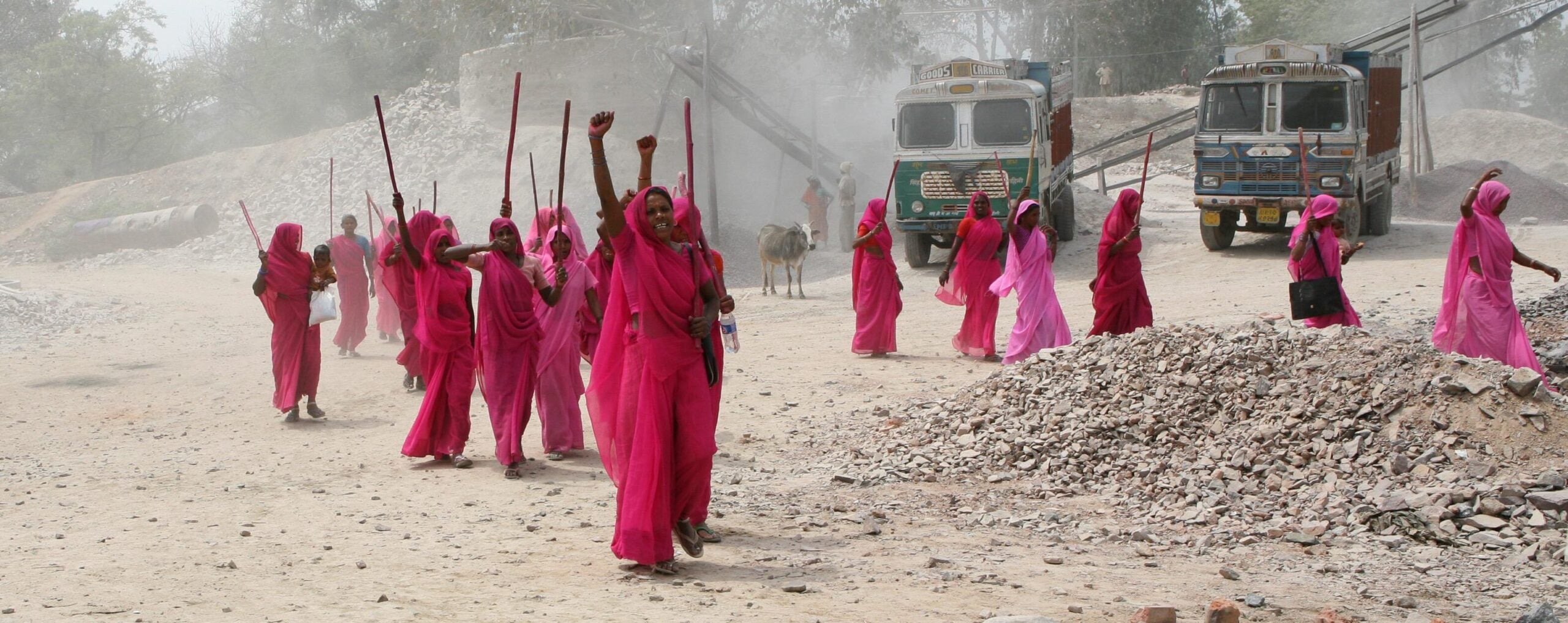
Sampat Pal Devi’s journey to becoming a leader of women’s rights was anything but easy. Born into a poor shepherd’s family, Sampat was always ambitious and eager to learn. However, her dreams of education were cut short when she was forced into a child marriage at the age of twelve. By the time she was fifteen, Sampat had become a mother, raising five children under the control of her oppressive in-laws. Despite these hardships, Sampat’s rebellious spirit never died. She defied her circumstances, teaching herself how to read and write, and eventually moving away from her in-laws to forge a life of independence.
One fateful day, Sampat witnessed a man brutally abusing his wife. When she confronted him and pleaded for him to stop, the man responded with violence, beating her as well. This act of injustice sparked a fire in Sampat. Returning the next day, armed with a bamboo stick and joined by five other women, she gave the man a taste of his own medicine. This act of defiance became the first of many, as more women began to approach Sampat for help, and the Gulabi Gang was born.
The Rise of the Gulabi Gang
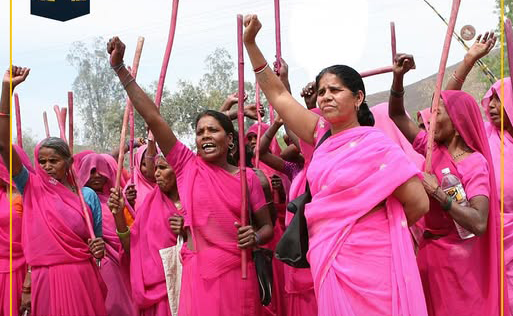
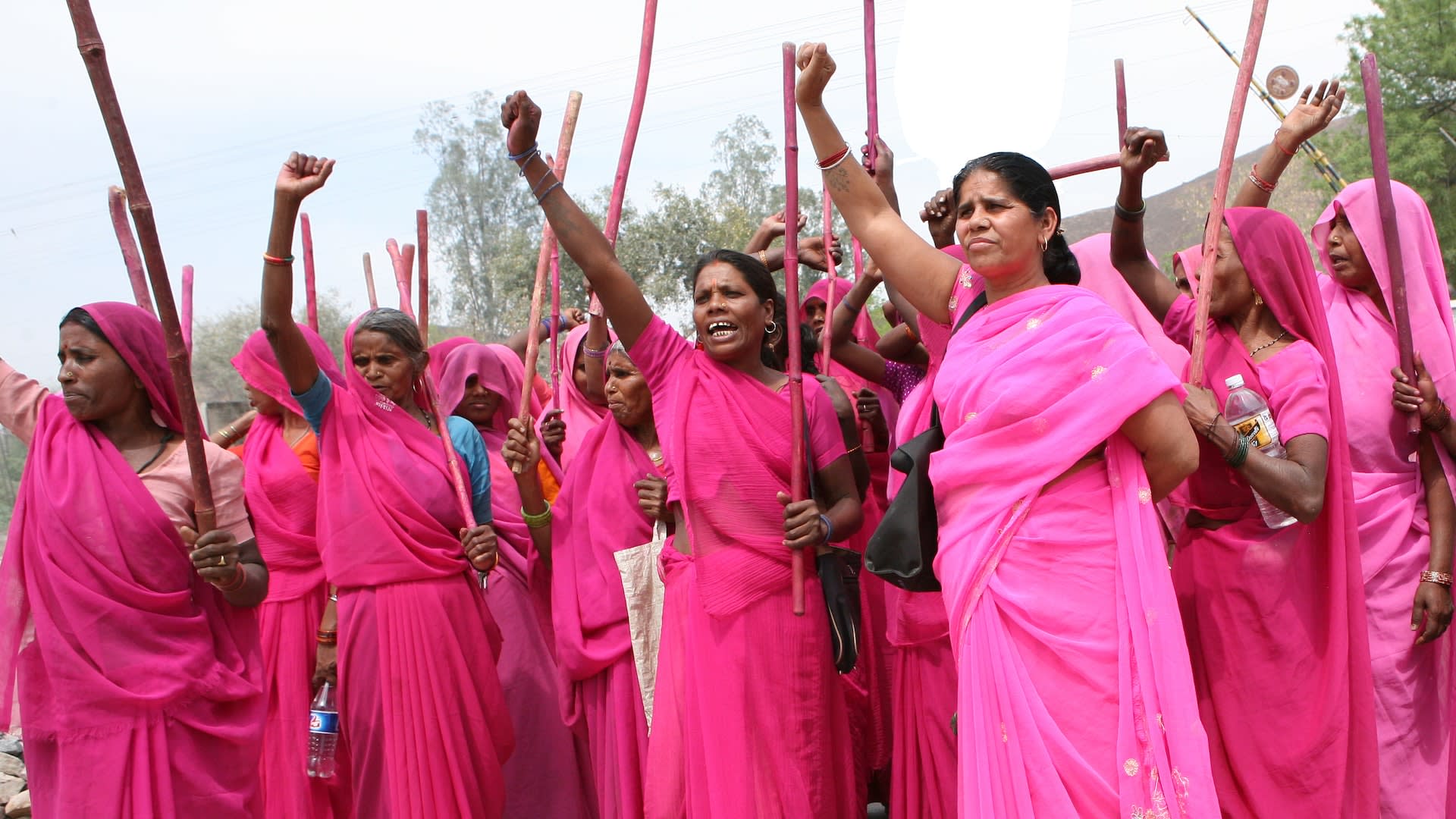
The name “Gulabi” means “pink” in Hindi, and the women of the Gulabi Gang wear bright pink saris as a symbol of their strength and unity. With bamboo sticks in hand, they have become the embodiment of justice for the most oppressed, especially women suffering from domestic violence and abuse. Sampat Pal Devi has stated that the Gulabi Gang is not a traditional gang but a “gang for justice.” While the bamboo sticks serve as a tool of intimidation, they are primarily used for self-defense, ensuring that the gang can protect themselves and others when necessary.
The mission of the Gulabi Gang is clear: to protect the powerless, fight against corruption, and ensure that the basic human rights of the poor, especially women, are upheld. The gang has gained international recognition for their efforts to stop child marriages, prevent dowries, and bring attention to the plight of low-caste women, who are often the most vulnerable to abuse and exploitation. In India, where nearly 90% of rape victims belong to the Dalit (formerly “untouchable”) caste, the Gulabi Gang has become a beacon of hope for many.
Empowering Women in a Patriarchal Society
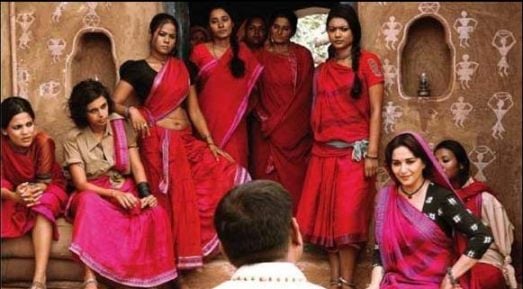
India’s societal norms often place women in subordinate roles, where they are subject to violence, discrimination, and injustice. The Gulabi Gang aims to dismantle these structures by empowering women to stand up for themselves and each other. Through their grassroots activism, the women of the Gulabi Gang have encouraged countless others to take action against the abuse they face daily. They organize rallies, strikes, and protests to demand justice for the oppressed. One of the most notable actions by the gang occurred when they stormed the offices of utility companies that had withheld power from villages. They also made their voices heard by parading a city official along a road that his administration had neglected to repair.
For the women of the Gulabi Gang, these acts of civil disobedience are not just about fighting for their own rights; they are about standing in solidarity with every woman in their community. Sampat Pal Devi’s leadership has inspired thousands to join the cause, and today, the Gulabi Gang boasts over 400,000 members across Northern India. These women aren’t just seeking justice for themselves—they’re creating a network of support, offering protection, legal help, and advice to those in need.
The Role of the Bamboo Stick
The bamboo stick has become the symbol of the Gulabi Gang, representing their readiness to fight for justice when all else fails. While the sticks are not primarily meant to cause harm, they serve as a powerful symbol of resistance against oppression. The bamboo stick is not only a tool for self-defense but also a psychological weapon, sending a clear message that the women of the Gulabi Gang will not tolerate injustice. On more than one occasion, Sampat Pal Devi has used the bamboo stick to defend the rights of women. In one famous incident, Sampat beat a police officer who had refused to register a rape case, highlighting the gang’s willingness to challenge even the authorities when they fail to uphold the law.
The bamboo sticks are a reminder that the Gulabi Gang is not just a passive activist group; they are a collective force capable of taking action when necessary. The fearlessness of the Gulabi Gang in confronting abusers, corrupt officials, and discriminatory practices has made them a force to be reckoned with in rural India.
Empowering Women Through Education and Self-Defense
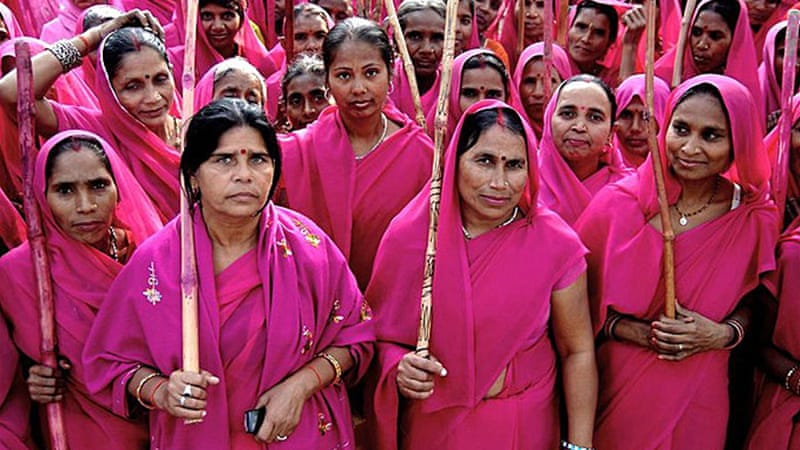
At the heart of the Gulabi Gang’s mission is the empowerment of women. Sampat Pal Devi believes that the key to achieving true justice for women lies in their education and self-defense training. The Gulabi Gang actively works to persuade families to educate their daughters, especially in rural areas where girls’ education is often neglected. In addition to this, the gang provides self-defense training to women and girls, equipping them with the skills they need to protect themselves from abuse and violence.
By promoting education and self-sufficiency, the Gulabi Gang helps women gain the confidence and independence they need to escape abusive situations. One of the most important aspects of their work is teaching women to become financially independent. With financial independence, women are better equipped to leave abusive marriages, support themselves and their children, and create better futures for themselves and their communities.
Raising Awareness of Dowries and Child Marriages
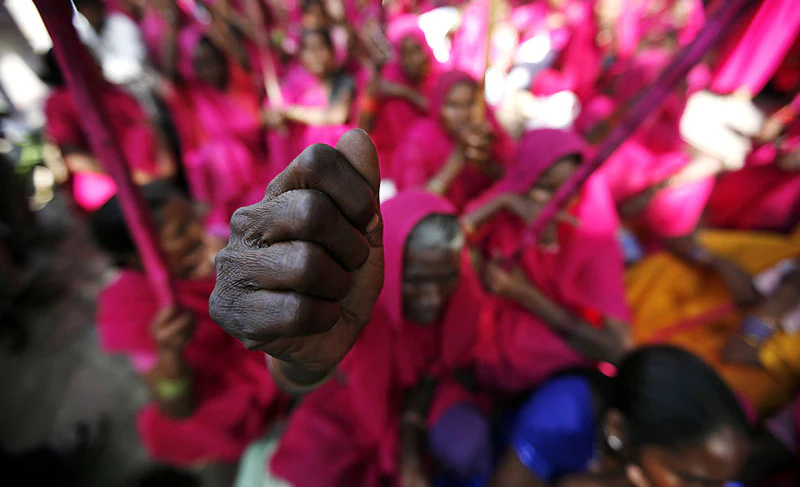
The practice of dowries and child marriages remains widespread in rural India, despite laws against them. The Gulabi Gang has been at the forefront of raising awareness about these harmful practices and working to eradicate them. Sampat Pal Devi and her crew have been instrumental in preventing child marriages, often intervening when young girls are being forced into marriages against their will. The gang also works to educate communities about the dangers of dowries, which continue to drive violence against women in many parts of India.
Through protests, community engagement, and direct action, the Gulabi Gang is challenging the deeply ingrained social norms that perpetuate these harmful practices. By standing up for the rights of young girls and women, the Gulabi Gang is pushing for a society where women are treated as equals and not as commodities to be bought or sold.
A Movement for Change: The Future of the Gulabi Gang
The Gulabi Gang’s impact has already been profound, but the movement continues to grow. As more women join the cause, the gang’s reach expands, and their ability to enact change becomes even greater. Sampat Pal Devi’s vision of a world where women can live without fear of abuse or discrimination is slowly becoming a reality, thanks to the efforts of the Gulabi Gang and their unwavering commitment to justice.
Looking ahead, the Gulabi Gang’s mission remains focused on dismantling the patriarchal structures that continue to oppress women in India. As the gang gains international recognition, they serve as an example of how grassroots activism can spark meaningful change. Through education, self-defense training, and the relentless pursuit of justice, the Gulabi Gang is helping to create a future where women are no longer marginalized or oppressed but are empowered to live free from violence and fear.
A Global Inspiration
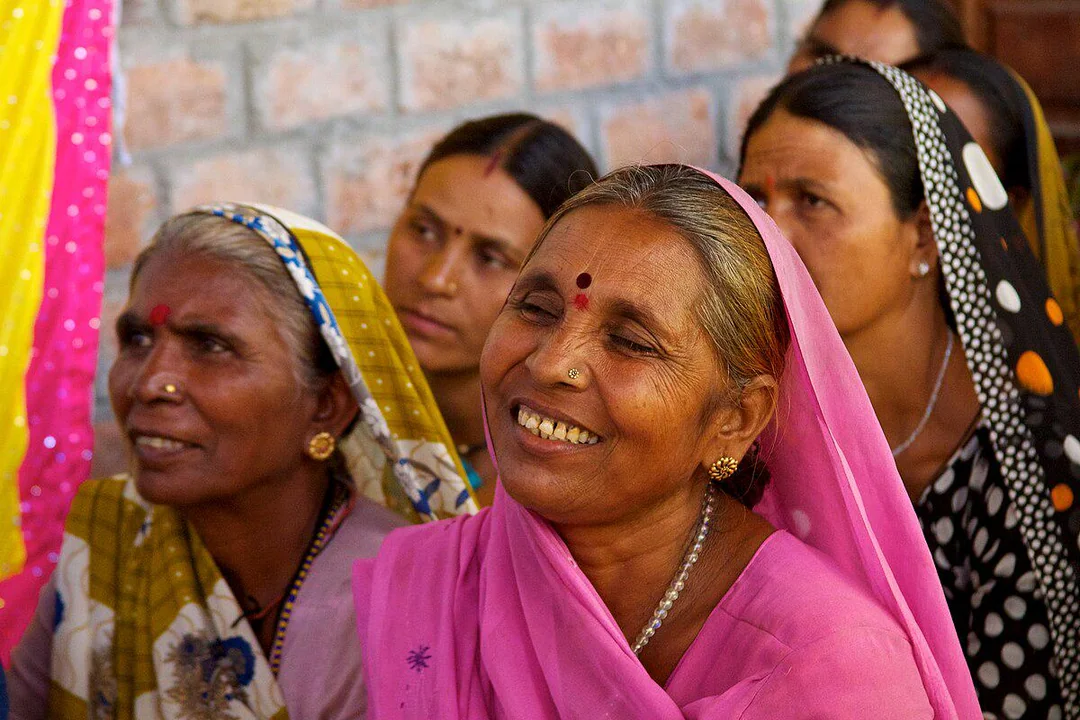
The story of the Gulabi Gang is one of resilience, courage, and empowerment. These women have taken their fate into their own hands, fighting for justice in a society where women are often treated as second-class citizens. By challenging the status quo, standing up to powerful figures, and creating a supportive network for other women, the Gulabi Gang has become an inspiring example of social activism. Their movement has transcended borders, inspiring women around the world to fight for their rights and seek justice in the face of adversity. The Gulabi Gang’s message is clear: empowered women empower the world.