

Table of Contents
- A Game-Changer for Access to Education
- Harvard’s Bold Financial Aid Expansion
- A Lifeline for Middle-Class Families
- The Significance of a Loan-Free Financial Aid Model
- What’s Included in Harvard’s New Financial Aid Package
- Harvard’s History of Expanding Financial Aid
- The Broader Impact on Higher Education
- A Holistic Approach to Financial Aid
- The Long-Term Benefits of the New Policy
- A Reflection of Harvard’s Commitment to Equity
- Redefining the Future of Higher Education
A Game-Changer for Access to Education
When news broke that Harvard University would cover the full cost of tuition, housing, and essential expenses for students from families earning $100,000 or less, the world took notice. The university’s announcement marks a significant shift in higher education accessibility and affordability, starting in the 2025-26 academic year. For many students, the price of an elite education has long been a barrier, but this new initiative aims to remove that obstacle entirely. Harvard’s commitment to fully covering not just tuition but also room, board, health insurance, and even travel costs will redefine what it means to attend one of the world’s most prestigious institutions. For low and middle-income families, this policy change signals a new era of opportunity.
Harvard’s Bold Financial Aid Expansion

Harvard’s latest financial aid reform is one of the most comprehensive expansions in the university’s history. Beginning in the 2025-26 academic year, the university will provide full financial coverage for undergraduates from families earning $100,000 or less annually. This means that students in this income bracket will not have to pay for any part of their education, including room, board, and necessary travel expenses. In addition, Harvard is extending full tuition coverage to families earning up to $200,000, with additional support provided based on the family’s financial circumstances. This sweeping policy change makes Harvard’s world-class education accessible to a much broader group of students, eliminating the financial barriers that have long kept elite institutions out of reach for many.
A Lifeline for Middle-Class Families

While the focus of financial aid has often been on low-income households, Harvard’s new policy specifically addresses an often-overlooked group: middle-class families. For families earning between $100,000 and $200,000, Harvard’s new policy provides a lifeline. In the past, these families found themselves in a financial gray area—not poor enough to qualify for significant financial aid, but not wealthy enough to easily afford the high cost of attendance at an elite institution. For many of these families, the $85,000-plus annual price tag of attending Harvard was a significant financial burden. Harvard’s decision to offer full tuition coverage and additional support for these families addresses a growing financial strain that has made top-tier education seem out of reach for many middle-class students.
The Significance of a Loan-Free Financial Aid Model
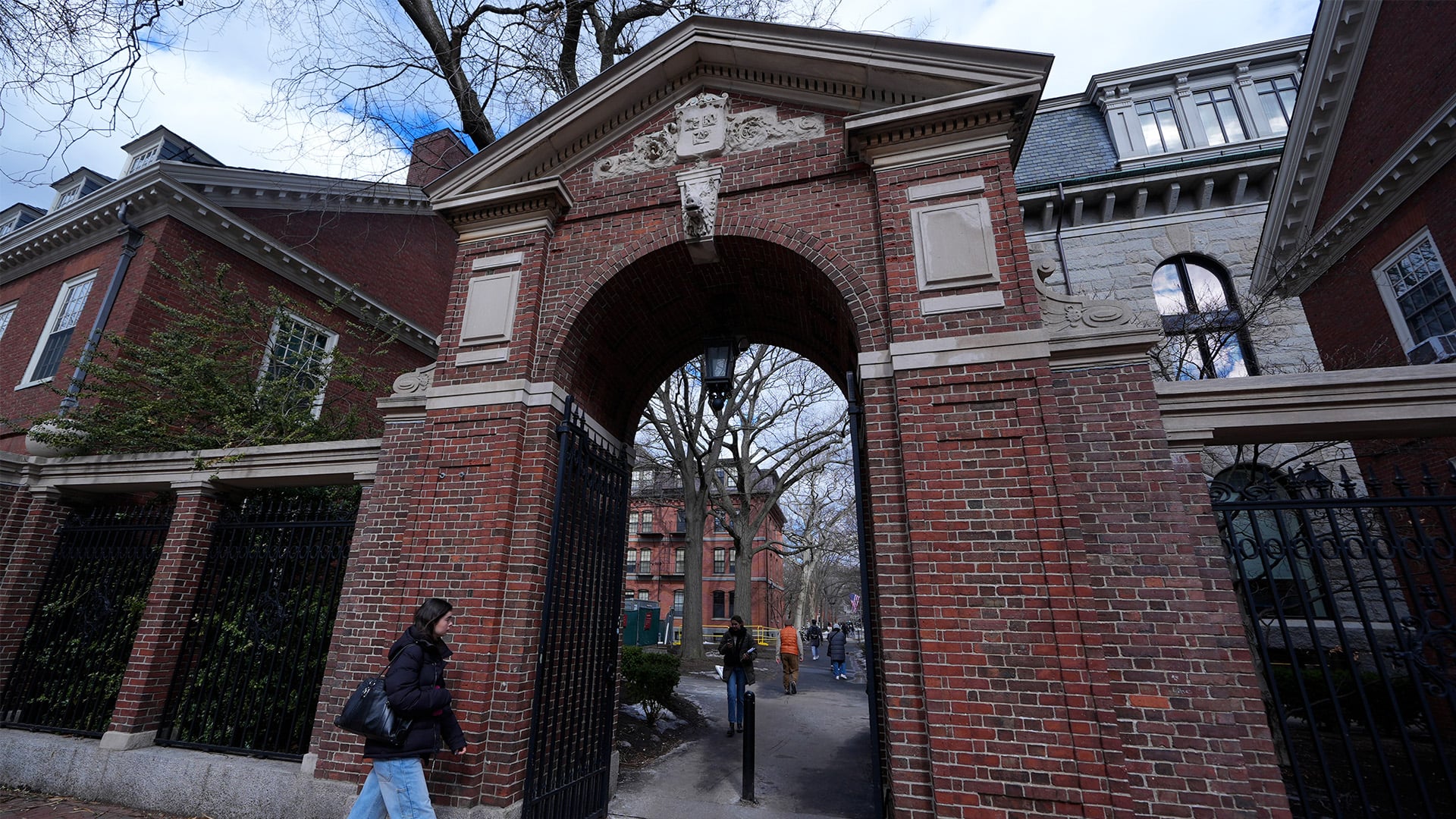
Harvard’s new policy continues the university’s commitment to debt-free education. In 2007, the university eliminated loans from its financial aid packages entirely, replacing them with grants that do not need to be repaid. This grant-based system has made it possible for students to attend Harvard without the burden of student loans, which can be a heavy weight for graduates as they start their careers. With the new expansion, even more students will be able to benefit from this debt-free education model. Harvard administrators have emphasized that the goal is not only to provide financial access but to ensure that students can focus on their academic pursuits and campus life, without the looming pressure of future debt.
What’s Included in Harvard’s New Financial Aid Package

Harvard’s new financial aid package is incredibly comprehensive. For students from families earning $100,000 or less, the package covers all billed expenses: tuition, room, board, student health insurance, and travel. In addition to these basic expenses, Harvard will provide a $2,000 “start-up grant” for students in their first year to help cover moving costs or purchase academic supplies. Another $2,000 “launch grant” will be provided in the junior year to support the transition from college to post-graduation life. These grants ensure that students can thrive not just academically, but also socially and professionally, with the resources needed to succeed during their time at Harvard and beyond.
Harvard’s History of Expanding Financial Aid
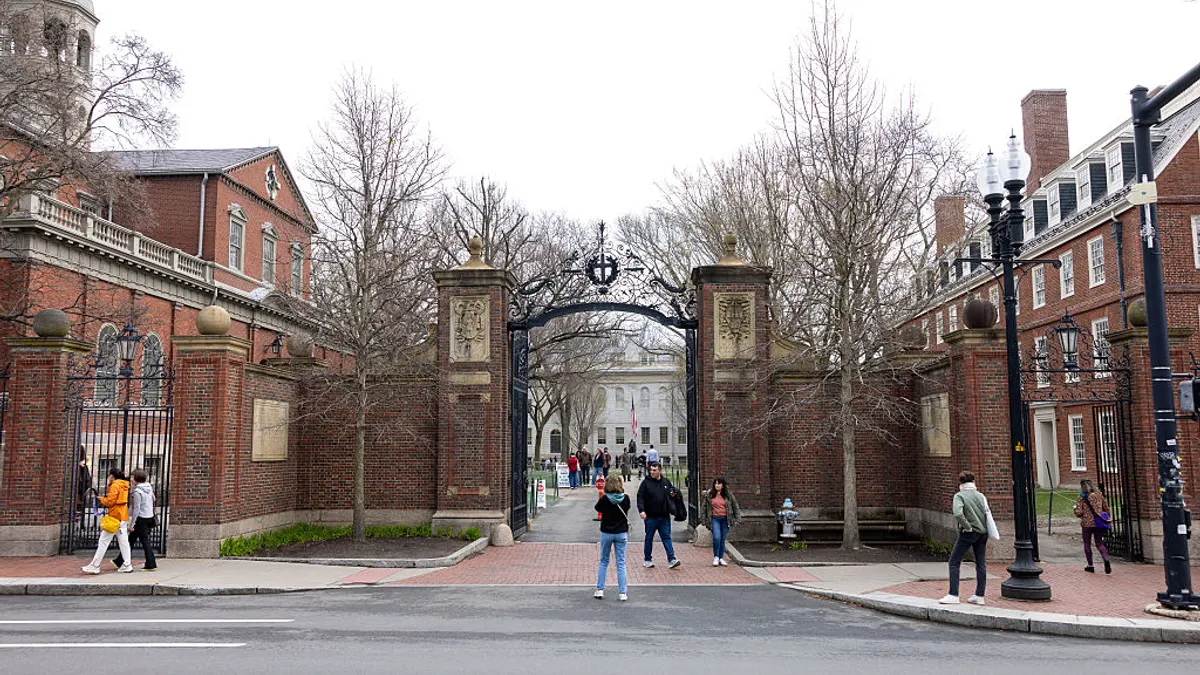
This latest expansion of Harvard’s financial aid program is not an isolated event but part of a larger, ongoing commitment to increasing access to higher education. Harvard’s Financial Aid Initiative, launched in 2004, began by offering full support for students from families earning less than $40,000 annually. Over the years, this threshold has increased, and now, families earning up to $100,000 are eligible for full financial aid. Harvard’s commitment to meeting the financial needs of its students has been steadily growing, with a projected financial aid budget of $275 million for the 2025-26 academic year. This expansion is a direct response to the rising costs of higher education and the increasing financial pressures facing American families.
The Broader Impact on Higher Education

Harvard’s decision to fully cover the costs of tuition and essential expenses for students from low and middle-income families could have a ripple effect on the higher education landscape. As one of the most prestigious universities in the world, Harvard’s policy change sets a new precedent for what universities can do to make education more accessible. The impact of this policy is likely to inspire other elite institutions to follow suit, potentially leading to a broader movement towards making higher education more affordable for all students, regardless of income. As college costs continue to rise, this move by Harvard represents a significant shift in how universities approach financial aid and access to education.
A Holistic Approach to Financial Aid
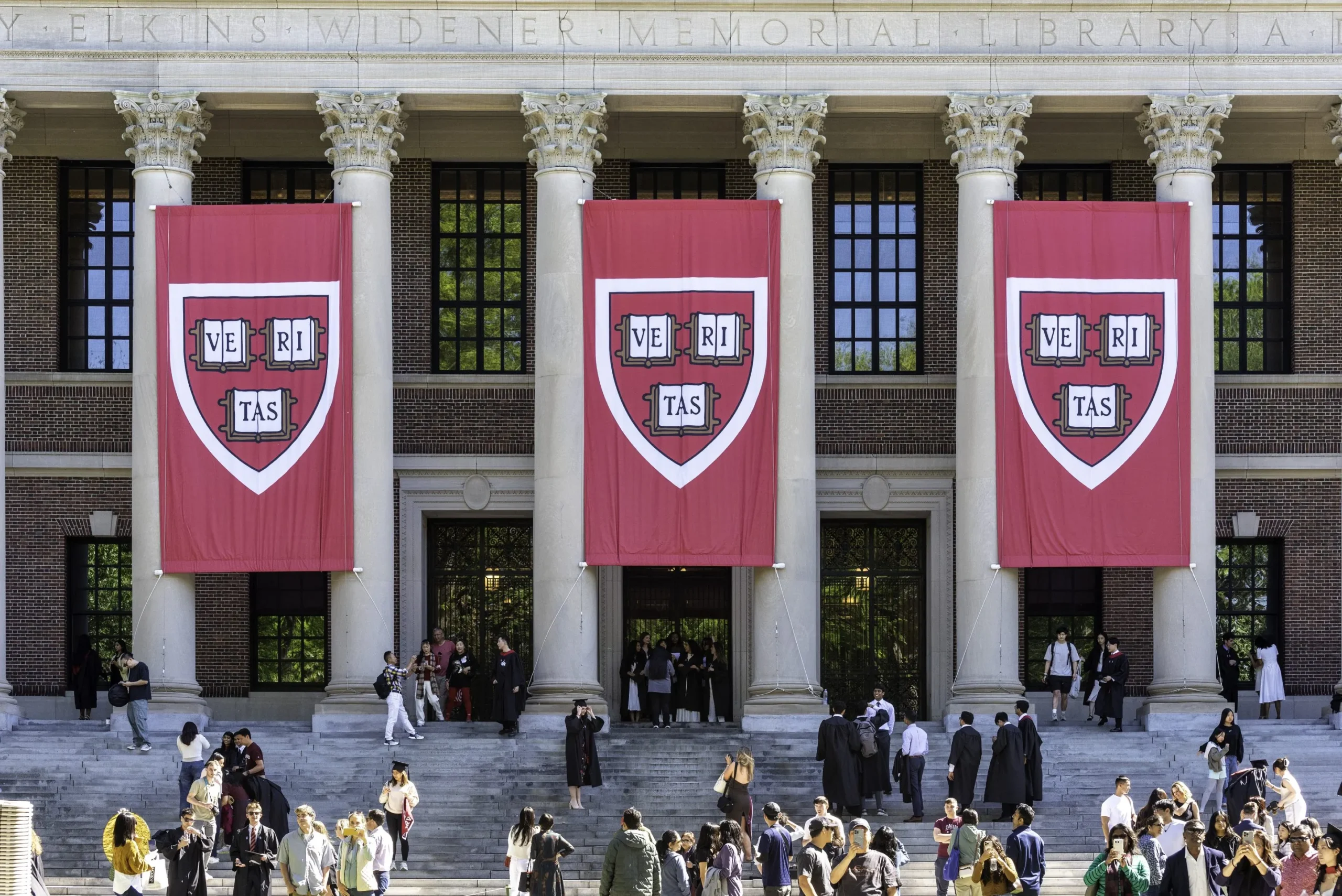
Harvard’s approach to financial aid is not just about covering costs; it’s about creating an environment where all students can thrive, regardless of their financial background. The university works closely with each student’s family to tailor aid packages based on their specific financial circumstances. This individualized approach helps ensure that students receive the support they need to succeed without the burden of debt or excessive financial strain. Harvard’s financial aid office takes into account not only a family’s income but also their financial obligations, including the number of children in college and other factors that impact a family’s ability to contribute to the cost of education.
The Long-Term Benefits of the New Policy
The long-term benefits of Harvard’s expanded financial aid policy are profound. By removing the cost barrier for students from lower and middle-income families, Harvard is opening the doors of higher education to a more diverse group of students. These students will have access to a world-class education without the financial burden that has traditionally accompanied elite universities. In addition, the policy will allow more students to fully engage in campus life, participate in extracurricular activities, and pursue academic opportunities without worrying about how to pay for it all. This holistic approach to education—focused on both financial access and academic success—has the potential to create lasting positive change for generations of students.
A Reflection of Harvard’s Commitment to Equity
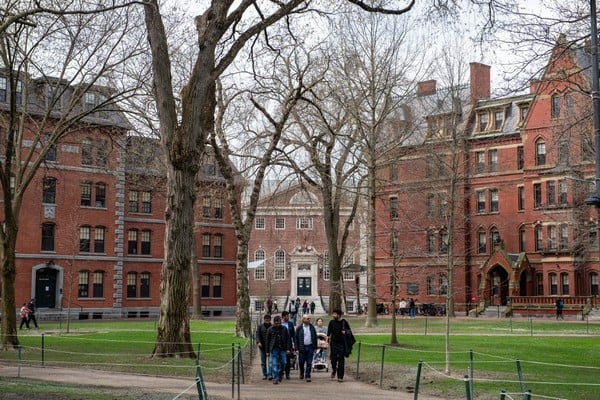
Harvard’s new financial aid policy is a reaffirmation of the university’s long-standing commitment to equity and access. For decades, the university has been at the forefront of financial aid reform, gradually increasing the threshold for eligibility and eliminating loans from aid packages. The expansion of this policy reflects Harvard’s recognition of the changing economic realities facing American families and its belief that financial circumstances should not limit access to higher education. By making education more accessible, Harvard is not only helping individual students but also contributing to the larger goal of creating a more equitable and inclusive society.
Redefining the Future of Higher Education

Harvard’s new financial aid policy is a groundbreaking step in making higher education more accessible and affordable for all students. By covering tuition and essential expenses for families earning up to $100,000, the university is setting a new standard for financial aid in elite institutions. This policy not only removes the financial barriers to education but also ensures that students can fully participate in campus life and graduate without the burden of debt. As other universities follow suit, this shift could redefine the future of higher education, creating a more inclusive and equitable environment for all students, regardless of their financial background.